Should I Take Tirzepatide in the Morning or at Night?
Introduction
Deciding to start a medical weight loss journey is a significant step toward better metabolic health. However, once you have your medication in hand, practical questions often arise that can feel overwhelming. One of the most common questions for those starting a dual-agonist treatment is whether to time their weekly injection for the morning or the evening. When you are balancing a busy schedule, managing potential side effects, and trying to stay consistent, the “when” can feel just as important as the “how.”
At TrimRx, we understand that successful weight management is about more than just a prescription; it is about how that treatment fits into your actual life. For a broader look at the medication itself, you can also read our guide to how tirzepatide works. This article explores the clinical reasoning behind injection timing, how your body processes the medication throughout the week, and how to choose a window that minimizes discomfort while maximizing your results. While there is no single “right” time for everyone, finding your personal rhythm is essential for long-term success.
How Tirzepatide Functions in the Body
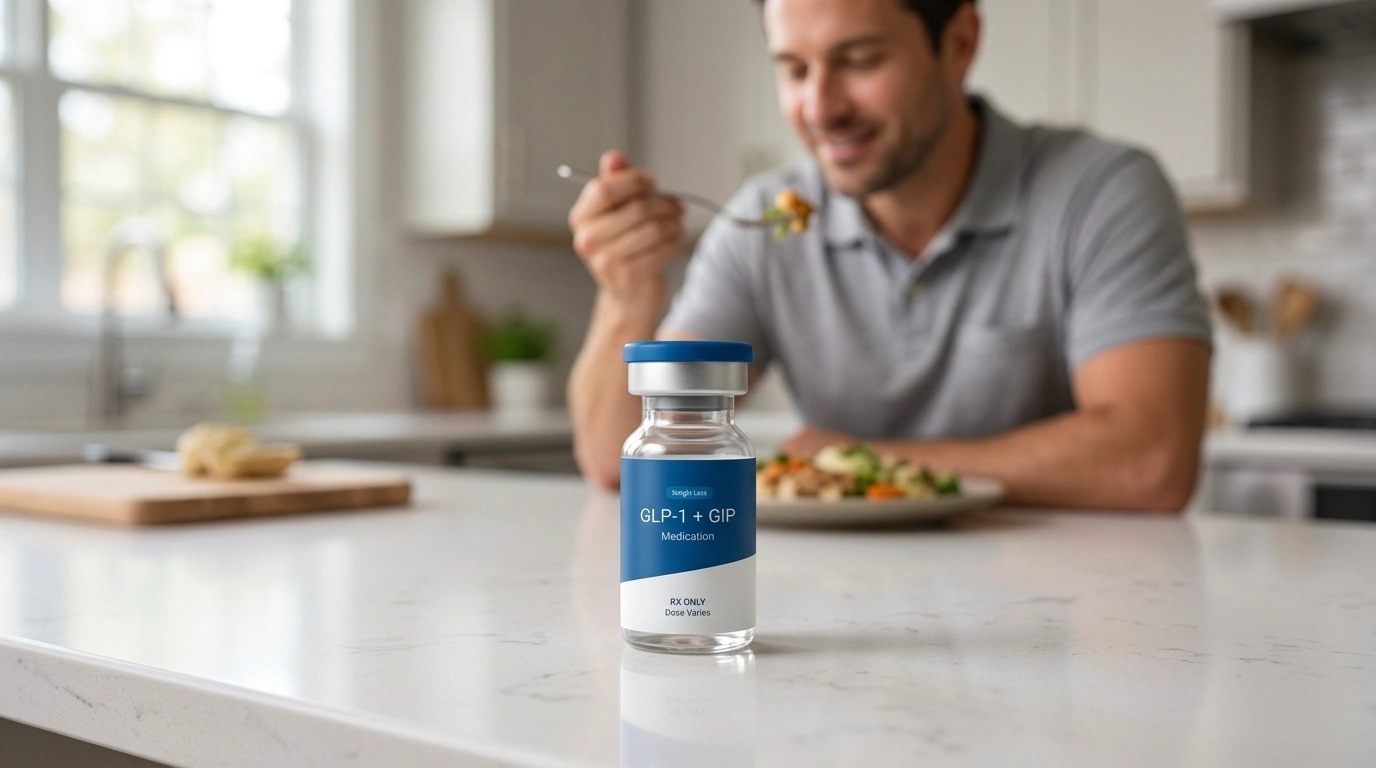
To understand why timing might matter, it is helpful to first understand what the medication is doing. Tirzepatide is a dual-receptor agonist. This means it mimics two natural hormones in the body: glucagon-like peptide-1 (GLP-1) and glucose-dependent insulinotropic polypeptide (GIP). These hormones work together to regulate blood sugar, slow down gastric emptying (how fast food leaves your stomach), and signal to your brain that you are full.
Because tirzepatide targets two pathways instead of just one, it is often noted for its effectiveness in weight management. If you want a deeper dive into the longer-term treatment picture, our article on whether you can take tirzepatide forever explains how ongoing care fits into the process. Unlike daily medications that you might take for a headache or seasonal allergies, this is a long-acting peptide. It has a half-life of approximately five days. A half-life is the amount of time it takes for the concentration of a substance in your body to reduce by half. Because the medication stays in your system for so long, it only needs to be administered once every seven days.
Key Takeaway: Because tirzepatide remains active in your bloodstream for several days, the specific hour you choose for your weekly injection does not change the clinical effectiveness of the medication for weight loss.
Morning vs. Night: Choosing Your Injection Window
Since the medication is working around the clock for an entire week, the choice between a morning or evening injection is largely based on personal preference and how your body reacts to the initial “peak” of the dose. Most individuals reach the peak concentration of the medication in their blood between 8 and 72 hours after the injection.
The Case for Morning Injections
For many, taking the injection in the morning is the easiest way to ensure they never forget a dose. Integrating the injection into a Saturday or Sunday morning routine can help establish a firm habit.
Pros of Morning Injections:
- Ease of Routine: If you already have a morning ritual involving vitamins or other health habits, adding your injection to this window can improve consistency.
- Monitoring Reactions: Injecting in the morning allows you to monitor how you feel throughout the day. If you experience an immediate reaction, you are awake and able to address it or contact a provider.
- Energy Levels: Some users report feeling a sense of clarity or a “ready to start the week” mindset after their dose, although this is subjective and varies by individual.
Cons of Morning Injections:
- Daytime Nausea: If you are prone to gastrointestinal side effects, these may begin to peak while you are at work or running errands, which can be disruptive to your daily productivity.
- Meal Planning: Since the medication slows gastric emptying, a morning dose might make your midday meal feel much “heavier” than usual.
The Case for Evening Injections
A popular strategy among those using GLP-1 and GIP medications is the “sleep through it” method. This involves taking the injection shortly before bed, often on a Friday or Saturday night.
Pros of Night Injections:
- Managing Nausea: For many, the most intense feelings of nausea happen in the hours immediately following the injection. By taking the dose at night, you may be able to sleep through the initial onset of these side effects.
- Weekend Recovery: If you choose a Friday or Saturday night, you have the following day to rest and hydrate if you feel fatigued.
- Convenience: For those with hectic mornings involving kids or early commutes, the evening provides a quieter, more controlled environment for self-administration.
Cons of Night Injections:
- Sleep Disturbance: A small number of people report “vivid dreams” or mild insomnia on the night of their injection.
- Next-Day Fatigue: Some individuals feel a “hangover” effect the next morning, characterized by fatigue or a slow start to the day.
Does Food Intake Affect Injection Timing?
One of the benefits of tirzepatide is that it can be taken with or without food. Unlike some oral medications that require an empty stomach to be absorbed properly, an injectable peptide like tirzepatide is absorbed through the subcutaneous fat and enters the bloodstream regardless of what you have eaten.
However, what you eat before the injection can influence how you feel afterward. Because the medication slows down digestion, if you eat a very large, high-fat meal immediately before your injection, that food will stay in your stomach longer. This can lead to increased bloating, indigestion, or nausea as the medication begins to take effect.
Note: Many individuals find that eating a light, protein-rich meal a few hours before their injection—and staying well-hydrated—helps mitigate the “queasy” feeling that can sometimes follow a dose.
Managing the “Peak” Side Effects
Regardless of whether you choose morning or night, you will likely notice that the medication feels “strongest” about 24 to 48 hours after you take it. This is when the appetite suppression is usually at its highest and when side effects are most likely to surface.
Common Side Effects to Watch For
When starting a program through a platform like TrimRx, you will be monitored by a provider, but it is helpful to know what to expect. Common side effects include:
- Nausea or mild stomach upset
- Changes in bowel habits (constipation or diarrhea)
- Fatigue
- Heartburn or acid reflux
If you want to compare this experience with other treatment paths, our tirzepatide weight management guide walks through the broader decision-making process. If you find that your side effects are consistently peaking on your busiest workday, you might consider shifting your injection day. For example, if you work a traditional Monday–Friday schedule and find that you feel tired 48 hours after your shot, taking your dose on Friday night would mean your “peak” fatigue happens on Sunday, allowing you to rest before the work week begins.
The Importance of Consistency
While the hour of the day is flexible, the day of the week is much more important. Consistency is the backbone of metabolic health. The goal is to maintain a steady level of the medication in your system.
If you decide that Friday night at 9:00 PM is your ideal time, try to stick to that. If you need to move your injection day, most clinical guidelines suggest that you can do so as long as there are at least three days (72 hours) between doses. However, it is always best to consult with your healthcare provider before making significant changes to your dosing schedule.
Bottom line: Your body craves routine. Whether you choose morning or night, the most effective timing is the one that allows you to remain 100% consistent with your weekly dose.
Personalizing Your Experience with TrimRx
Every body is different. Some people find they have boundless energy after a morning injection, while others need to sleep off the initial dose. At TrimRx, we believe the best weight loss program is the one that is tailored to your specific biology and lifestyle.
Our platform connects you with licensed providers who can help you navigate these questions. If you are ready to see whether prescription treatment is the right next step, you can take the free assessment quiz to get started with a personalized review. We provide a telehealth-first experience that eliminates the need for waiting rooms, allowing you to focus on your health from the comfort of your home.
Through our personalized programs, we consider your health history and your daily routine to help you find the rhythm that works. If you find that a morning injection is making you too nauseous to function at work, we are here to help you troubleshoot and adjust your plan safely.
Practical Tips for Your Injection Day
If you are still undecided about the best time for your dose, consider this step-by-step approach for your first few weeks:
- Step 1: Hydrate early. Start drinking plenty of water with electrolytes 24 hours before your scheduled dose. Dehydration can worsen nausea and fatigue.
- Step 2: Choose a “low-stakes” day. For your first dose, choose a time when you don’t have major social obligations or high-pressure work meetings the following day.
- Step 3: Keep a simple log. Note the time you took your injection and how you felt 12, 24, and 48 hours later. This data is invaluable for you and your provider.
- Step 4: Prioritize protein. On the day of your injection, focus on lean proteins and avoid greasy or highly processed foods that might sit heavily in your stomach.
The Role of Supplemental Support
Sometimes, timing alone isn’t enough to manage the transition as your body adjusts to GLP-1 or GIP medications. This is where targeted support can play a role. We offer specialized supplements designed to complement your journey. If you are looking for nutritional support during treatment, our GLP-1 Daily Support supplement is designed for that purpose.
Our GLP-1 Daily Support is formulated to help provide the essential nutrients that might be lacking when your appetite is significantly reduced. Additionally, our Weight Loss Boost can help support metabolic function and energy levels, which is particularly helpful for those who experience the common “afternoon slump” or fatigue often associated with a lower caloric intake. For a broader look at support strategies, you may also find our article on how to get the most out of GLP-1 medications helpful.
When to Consult Your Provider
While choosing between morning and night is a personal lifestyle choice, certain situations require professional medical advice. You should always reach out to your healthcare provider if:
- You experience severe abdominal pain that does not go away.
- You are unable to keep liquids down due to vomiting.
- You experience signs of an allergic reaction, such as a rash or difficulty breathing.
- You missed a dose and are unsure how to get back on track.
Telehealth platforms like ours make it easy to get these answers quickly without the stress of an in-person appointment. Your provider can help determine if your side effects are typical or if your dosage needs to be adjusted.
Conclusion
There is no scientific evidence to suggest that taking tirzepatide in the morning is “better” for weight loss than taking it at night. The medication is designed for long-term, sustained action in your body. The “best” time is entirely dependent on how you feel and when you are most likely to remember your dose.
If you struggle with nausea, an evening injection may allow you to sleep through the worst of it. If you prefer to have your medical tasks finished early so you can focus on your day, a morning injection is a perfectly valid choice. The most important factors are consistency, hydration, and maintaining an open line of communication with your care team.
At TrimRx, our mission is to provide you with the tools, medication, and clinical support necessary to make sustainable health changes. By combining medical expertise with a personalized, empathetic approach, we help you take the guesswork out of the process.
Next Step: Ready to start your journey? Take our free assessment quiz to see which personalized weight loss program is right for your health profile and goals.
FAQ
Does tirzepatide work faster if I take it on an empty stomach in the morning?
No, the absorption of injectable tirzepatide is not affected by food in the stomach. Because it is injected into the subcutaneous fat, it enters the bloodstream at a steady rate regardless of when you last ate. If you want more context on treatment timing and support, our tirzepatide treatment overview covers the full journey.
Can I change my injection time from morning to night later on?
Yes, you can adjust your injection time. If you want to move from a morning dose to an evening dose on the same day, you can simply wait until the evening. If you want to move to a different day entirely, ensure there are at least 72 hours between your last dose and your new scheduled time.
Will taking the injection at night cause insomnia?
While not a common side effect for everyone, some users report increased alertness or vivid dreams on the night of their injection. If you find that an evening dose interferes with your sleep, switching to a morning injection may help resolve the issue.
Is it okay to take tirzepatide right before a large meal?
It is generally better to avoid a very large or high-fat meal immediately before or after your injection. Because the medication slows down your digestion, a heavy meal may stay in your stomach longer, increasing the likelihood of nausea, bloating, and acid reflux.
Disclaimer: This content is for informational purposes only and does not constitute medical advice. It is not intended to diagnose, treat, cure, or prevent any disease or condition. Individual results may vary. Always consult a qualified healthcare professional before starting any weight loss program or medication.

Transforming Lives, One Step at a Time
Keep reading

Amycretin vs Tirzepatide: How They Compare
Amycretin and tirzepatide aren’t really competitors yet, because only one of them is available. Tirzepatide (sold as Zepbound and Mounjaro) is FDA approved, on…

Retatrutide vs Tirzepatide: How They Compare
Retatrutide and tirzepatide are both once-weekly injections made by Eli Lilly, but they sit at very different points in their life cycle. Tirzepatide (sold…

VK2735 vs Tirzepatide: Challenger vs Champion
VK2735 versus tirzepatide is a challenger-versus-champion matchup.


