What Foods to Eat on Tirzepatide for Best Results
Introduction
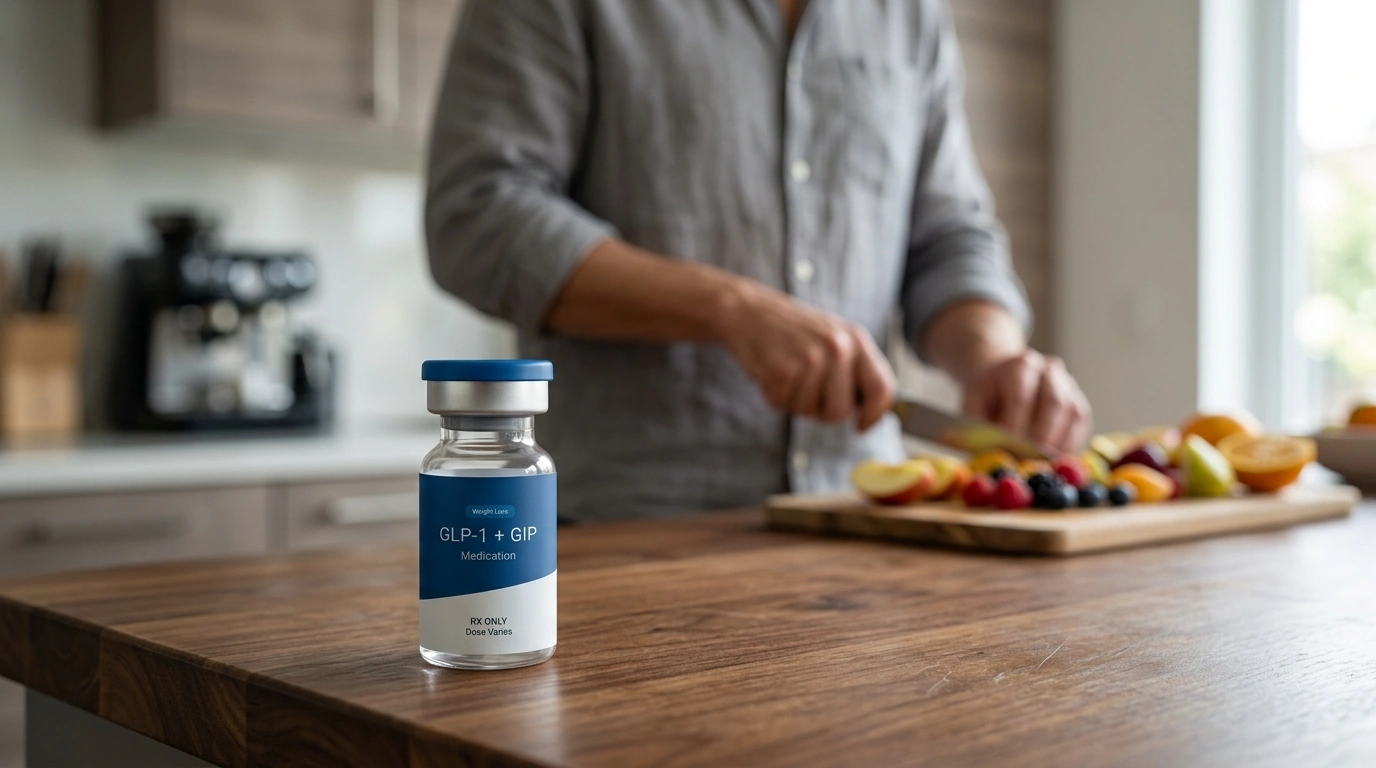
Starting a weight loss journey with a GLP-1 and GIP receptor agonist can feel like a major turning point in your health. If you are using this medication, you have likely noticed a significant shift in your appetite and how you perceive fullness. However, medication is only one piece of the puzzle. To see the best results and minimize common digestive discomfort, you must focus on the fuel you provide your body. At TrimRx, we believe that understanding the relationship between your nutrition and your medication is the key to sustainable, long-term success. This post will cover the essential food groups to prioritize, which items to avoid, and how to structure your meals to support your metabolic health. If you are considering prescription support, you can complete a free eligibility assessment.
The Role of Tirzepatide in Digestion
Tirzepatide is a dual-acting medication that mimics two naturally occurring hormones in the body. These hormones are glucagon-like peptide-1 (GLP-1) and glucose-dependent insulinotropic polypeptide (GIP). Together, they help regulate blood sugar levels and signal to the brain that you are full. One of the primary ways these medications work is by slowing down gastric emptying. This means that food stays in your stomach for a longer period of time than it normally would.
Because food moves more slowly through your digestive system, what you eat becomes incredibly important. If you choose heavy, greasy, or highly processed foods, they may sit in your stomach and cause discomfort, nausea, or indigestion. On the other hand, choosing nutrient-dense, easily digestible foods can help the medication work more effectively while keeping your energy levels stable. For additional context, read this guide on taking tirzepatide with food.
Key Takeaway: Because tirzepatide slows down digestion, your food choices directly impact how you feel and how well the medication supports your weight loss goals.
Prioritizing Lean Protein for Muscle Preservation
Protein is the most critical macronutrient to focus on when you are losing weight. When the body is in a significant calorie deficit, it may begin to break down muscle tissue for energy. Maintaining lean muscle mass is vital for keeping your metabolism high and ensuring your weight loss comes primarily from fat stores. Since your appetite is reduced, you must ensure that the smaller portions you eat are packed with high-quality protein. TrimRx also explores why protein matters during weight loss.
High-Quality Animal Proteins
Lean meats are excellent choices because they provide all the essential amino acids without excessive saturated fats. Focus on options like skinless chicken breast, ground turkey, and lean cuts of beef. Fish and shellfish are also fantastic choices as they are generally low in calories but high in protein and healthy omega-3 fatty acids.
Plant-Based Protein Sources
If you prefer plant-based options, look for dense sources of protein that are also high in fiber. Lentils, chickpeas, and black beans are great, though some people find they cause gas or bloating when digestion is slowed. Tofu, tempeh, and edamame are often easier on the stomach and provide a complete protein profile.
Dairy and Eggs
Eggs are often called the “gold standard” for protein because of their high bioavailability. Greek yogurt and cottage cheese are also excellent options for those who tolerate dairy. They provide a significant protein boost and can be easily incorporated into breakfast or snacks.
Bottom line: Aim to include a palm-sized portion of protein in every meal to protect your muscle mass and keep you feeling full longer.
Incorporating Fiber for Digestive Health
Fiber is essential for maintaining regular bowel movements and supporting gut health. However, when using medications like compounded tirzepatide or branded Mounjaro®, you must be strategic about fiber. While fiber helps prevent constipation—a common side effect—eating too much “roughage” all at once can lead to bloating or abdominal pain because of the slowed gastric emptying. For more information, review this guide to supplements while taking tirzepatide.
Soluble vs. Insoluble Fiber
Soluble fiber, found in oats, beans, and the flesh of fruits, dissolves in water to form a gel-like substance. This can help stabilize blood sugar levels. Insoluble fiber, found in whole grains and vegetable skins, adds bulk to the stool and helps food pass through the intestines. A balance of both is ideal for most people.
Best Vegetable Choices
Non-starchy vegetables should make up a large portion of your plate. These provide essential vitamins and minerals with very few calories. Focus on:
- Leafy greens like spinach and kale
- Zucchini and cucumbers
- Bell peppers
- Cooked carrots and green beans
Fruit Selection
Berries like raspberries, blueberries, and strawberries are excellent choices because they are high in fiber and antioxidants but lower in sugar than many tropical fruits. Apples and pears are also great, but you may want to peel them if you find the skins are difficult to digest.
Choosing Complex Carbohydrates for Sustained Energy
Carbohydrates are your body’s preferred source of energy. While many people think they need to cut out carbs entirely for weight loss, complex carbohydrates provide the steady fuel your brain and muscles need. The goal is to avoid “simple” carbs—like white bread and sugary snacks—which cause rapid spikes and crashes in blood sugar. You can also review this tirzepatide nutrition guide for additional meal-planning ideas.
Whole Grains
Foods like quinoa, brown rice, and farro are excellent because they are digested slowly. If you find heavy grains difficult to tolerate on your medication, try smaller portions of well-cooked oats or sprouted grain bread.
Starchy Vegetables
Sweet potatoes, squash, and parsnips are nutrient-dense alternatives to white potatoes. They offer more fiber and a wider range of vitamins. These should be consumed in moderation, usually as a small portion alongside your protein and non-starchy vegetables.
The Importance of Healthy Fats
Fats are necessary for hormone production and the absorption of fat-soluble vitamins. However, since fat is the slowest macronutrient to digest, eating too much at once can cause significant nausea or reflux. Focus on “heart-healthy” unsaturated fats in small amounts.
- Avocados: Provide healthy fats and a good amount of fiber.
- Nuts and Seeds: Walnuts, almonds, chia seeds, and flaxseeds are great, but keep portions small (about a tablespoon).
- Olive Oil: Use high-quality extra virgin olive oil for cooking or as a light dressing.
Note: Avoid fried foods and heavy cream-based sauces, as these are the most likely to trigger digestive side effects while on your medication.
Hydration and Electrolyte Balance
Proper hydration is non-negotiable when using GLP-1 or GIP medications. Dehydration can worsen side effects like headaches, fatigue, and constipation. Because these medications can also suppress your thirst drive, you must be intentional about drinking water throughout the day. For more guidance, read about hydration and metabolic health.
Electrolytes are just as important as water. If you are eating less food, you may also be taking in fewer minerals like sodium, potassium, and magnesium. This can lead to the “keto flu” feeling or muscle cramps. Consider adding a sugar-free electrolyte powder to your water once a day, especially during the first few weeks of treatment or when increasing your dosage. For additional energy and metabolic support during weight loss, explore the Weight Loss Boost supplement.
Foods and Drinks to Avoid or Limit
Certain foods are known to trigger the common side effects associated with tirzepatide. Knowing what to limit can make your experience much more comfortable and help you stay consistent with your program. You can also review this guide to managing tirzepatide side effects.
High-Sugar Foods and Drinks
Sugary sodas, candies, and desserts can cause rapid shifts in blood sugar and may lead to “dumping syndrome” symptoms like diarrhea or intense nausea. Additionally, these provide empty calories that do not contribute to your nutritional needs.
Greasy and Fried Foods
Anything deep-fried or heavily processed with fat should be avoided. Because the stomach empties slowly, these fats sit in the digestive tract and often lead to severe heartburn, bloating, and indigestion.
Carbonated Beverages
The gas in soda and sparkling water can cause significant bloating and discomfort when your digestion is already slowed down. If you struggle with “sulfur burps” or gas pain, cutting out carbonation is often the first step to feeling better.
Alcohol
Alcohol can have a stronger effect when you are eating less food. It also contributes extra calories and can irritate the lining of the stomach. Many people find that their desire for alcohol naturally decreases while on tirzepatide, but it is best to limit consumption to occasional use.
Myth: You can eat whatever you want as long as you take the medication. Fact: While the medication reduces hunger, a poor diet can lead to malnutrition, significant muscle loss, and uncomfortable side effects that may cause you to stop treatment.
Practical Strategies for Success
Changing how you eat is just as important as changing what you eat. Use these strategies to make the most of your personalized weight loss program.
Step 1: Eat small, frequent meals. / Instead of three large meals, try four or five small snacks or mini-meals throughout the day. This prevents your stomach from becoming over-full.
Step 2: Prioritize protein at every sitting. / Always start your meal with the protein source to ensure you meet your daily requirements before you feel full.
Step 3: Chew your food thoroughly. / Digestion begins in the mouth. Breaking food down more before it hits your stomach makes the job easier for your digestive system.
Step 4: Stop eating before you feel full. / Because there is a delay in signaling from the stomach to the brain, it is easy to overeat. Stop when you are about 80% full.
Step 5: Avoid eating late at night. / Give your body at least two to three hours to digest before lying down to sleep. This significantly reduces the risk of nighttime acid reflux.
Managing Side Effects Through Nutrition
Most people experience some level of digestive adjustment when starting these medications. Fortunately, many of these issues can be managed with simple dietary tweaks. If you need more strategies, see this guide to tirzepatide side effects and symptom management.
Nausea
If you feel nauseous, try eating bland, cold foods like chilled protein shakes or Greek yogurt. Ginger or peppermint tea can also help soothe the stomach. Avoid strong smells and spicy foods until the nausea passes.
Constipation
Ensure you are drinking enough water and getting a steady intake of fiber. If dietary changes aren’t enough, talk to your healthcare provider about a gentle stool softener or a fiber supplement.
Heartburn and Acid Reflux
Limit caffeine, chocolate, citrus, and spicy foods. Avoid lying down immediately after eating. Elevating your head while sleeping can also help if reflux occurs at night.
Diarrhea
Stick to the “BRAT” diet (bananas, rice, applesauce, toast) for a short period until your system settles. Ensure you are replacing lost fluids and electrolytes to prevent dehydration.
How TrimRx Supports Your Journey
At TrimRx, we recognize that every body is different. What works for one person may not be the perfect fit for another. That is why our platform connects you with licensed healthcare providers who can help tailor a program to your specific needs. When you join our program, you gain access to more than just a prescription; you get a partner in your metabolic health. If you are ready to explore whether prescription support may be appropriate for you, take the free assessment quiz.
We offer access to compounded tirzepatide and compounded semaglutide, which are prepared and shipped by FDA-registered, inspected compounding pharmacies. These medications are a central tool in our personalized programs, which include doctor consultations and ongoing support. Whether you are curious about starting or are looking for a more streamlined telehealth experience, we are here to provide the clinical expertise and modern technology you need.
For those who are not yet ready for a prescription or are looking for additional support, our quick-access supplements like GLP-1 Daily Support and Weight Loss Boost can be a great addition to your routine. These are designed to complement your lifestyle changes and provide nutrient support as you work toward your goals.
Conclusion
Success on tirzepatide is a collaborative effort between the medication and your daily choices. By focusing on high-quality lean proteins, fiber-rich vegetables, and consistent hydration, you can maximize your weight loss while feeling your best. Remember to listen to your body’s signals and prioritize nutrient density over volume. At TrimRx, we are committed to helping you embrace a healthier lifestyle through science and empathy. Our mission is to provide a transparent, personalized approach to sustainable weight loss that helps you feel empowered every step of the way.
- Prioritize protein to protect your muscles.
- Eat small, frequent meals to avoid overfilling your stomach.
- Stay hydrated and keep your electrolytes balanced.
- Avoid high-fat and high-sugar foods to minimize side effects.
If you are ready to take the next step, complete a free eligibility assessment to begin your personalized journey toward better metabolic health.
FAQ
Can I drink coffee while taking tirzepatide?
Most people can enjoy coffee in moderation, but be mindful of how it affects your stomach. Caffeine can sometimes worsen nausea or acid reflux, especially if you add heavy creams or sugary syrups. It is best to stick to a small cup and see how your body reacts before making it a daily habit.
Why is protein so important on this medication?
Protein is essential because it helps maintain lean muscle mass during rapid weight loss. When you eat fewer calories, your body may try to burn muscle for fuel; eating enough protein prevents this and keeps your metabolism functioning efficiently. Additionally, protein is very satiating, which helps the medication keep you full.
What should I do if I have no appetite at all?
While appetite suppression is the goal, your body still needs nutrients to function. Focus on high-density snacks like a handful of nuts, a protein shake, or a piece of cheese. If you find it impossible to eat enough to maintain your energy, consult your healthcare provider to discuss a possible dosage adjustment.
Are there specific vegetables I should avoid?
No vegetables are strictly “off-limits,” but some people find that “gassy” vegetables like broccoli, cauliflower, and cabbage are harder to digest. These can cause significant bloating because they stay in the stomach longer. If you experience discomfort, try cooking these vegetables thoroughly or switching to easier-to-digest greens like spinach.
Disclaimer: This content is for informational purposes only and does not constitute medical advice. It is not intended to diagnose, treat, cure, or prevent any disease or condition. Individual results may vary. Always consult a qualified healthcare professional before starting any weight loss program or medication.

Transforming Lives, One Step at a Time
Keep reading

Starting Tirzepatide While on the Pill: The First Four Weeks
You have your first box and you take an oral contraceptive. There is a labeled instruction that applies to you, and the mistake almost…
Marathon Training on Tirzepatide When You Can’t Fuel
You have a plan on the fridge and a medication that has made eating feel optional. Those two things are in genuine conflict, and…
Paying Cash for Tirzepatide? Don’t Stretch Your Supply
When every vial comes out of your own pocket, the arithmetic is hard to ignore. If a month’s supply costs what it costs, and…


