Should You Eat Before Taking Tirzepatide?
Introduction
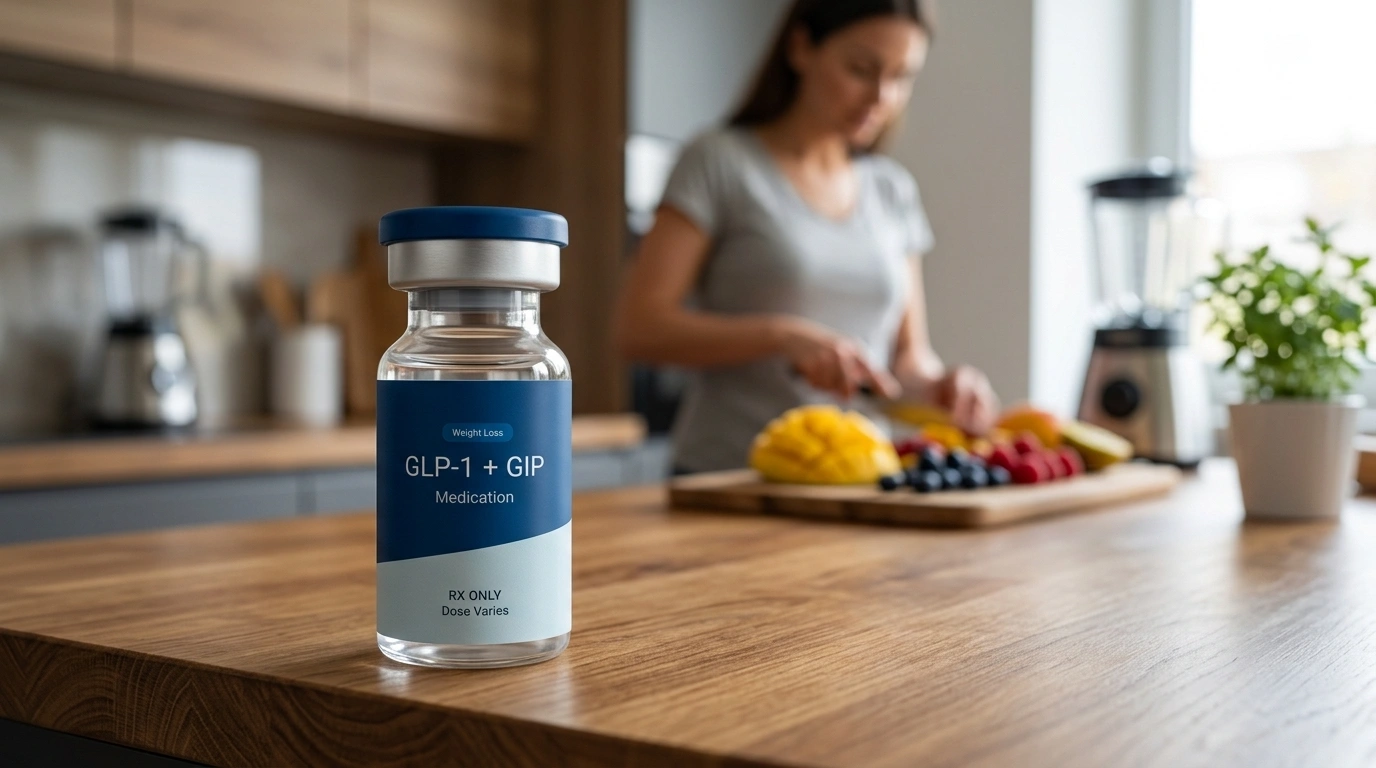
You have your medication ready, your supplies set out, and a goal in mind, but then a simple question stops you: should you eat before taking tirzepatide? This moment of hesitation is incredibly common for those starting their weight loss journey. When you are navigating the world of GLP-1 and GIP receptor agonists, the “rules” of administration can feel overwhelming. At TrimRx, we believe that clarity is the first step toward confidence. This article will clarify whether food timing matters for your dose, how to manage your diet to minimize side effects, and what you can do to optimize your results. While the medication is highly effective regardless of your meal schedule, understanding how your body reacts to food during treatment is essential.
If you are considering prescription support, you can complete a free eligibility assessment to see whether a personalized program may be appropriate for you.
How Food Interacts With Tirzepatide
Tirzepatide does not require a specific meal schedule for it to be effective. This medication is a dual glucose-dependent insulinotropic polypeptide (GIP) and glucagon-like peptide-1 (GLP-1) receptor agonist. In simpler terms, it mimics two natural hormones in your body that tell your brain you are full and help your pancreas manage blood sugar.
Because tirzepatide is most commonly administered as a subcutaneous injection—meaning it is injected into the fatty tissue just under the skin—it enters your bloodstream directly. Unlike oral medications that must pass through the digestive system to be absorbed, the presence of food in your stomach does not change how much of the medication your body receives.
Quick Answer: You can take tirzepatide with or without food. Because the injectable form bypasses the digestive tract for absorption, your meal timing does not impact the medication’s efficacy.
However, just because you can eat doesn’t always mean you should eat a large meal right before your dose. Many people find that their personal comfort levels vary. Some prefer taking their dose on an empty stomach to avoid early-onset nausea, while others find a light snack helps them feel more stable.
For more practical guidance, read this guide to taking tirzepatide on an empty stomach.
Timing Your Dose and Your Meals
Consistency is more important than meal timing when taking your weekly dose. Tirzepatide is typically taken once every seven days. You should aim to take it on the same day each week, at a time that is most convenient for you.
You can also review this step-by-step tirzepatide injection guide for additional administration and scheduling information.
Morning vs. Evening Dosing
There is no clinical requirement to take the medication at a specific time of day. Some individuals choose to take their dose in the evening before bed. The logic here is that if they experience mild nausea or fatigue shortly after the injection, they may sleep through the worst of it.
Others prefer the morning because it helps them establish a routine. If you choose the morning, you may wonder if you should wait to eat breakfast. Since food does not block the absorption of the injectable medication, you can eat immediately after or even right before your injection.
The Role of Oral Tirzepatide
It is important to note that some people may be prescribed oral tirzepatide through a personalized program. Oral versions of these medications have different rules than injectables. If you are using an oral format, you generally must take it on an empty stomach immediately upon waking with a small sip of plain water. You then usually wait 30 minutes before eating or drinking anything else. This ensures the medication is properly absorbed through the stomach lining.
Key Takeaway: For injectables, food timing is a matter of personal preference; for oral formats, strict fasting is required for the medication to work.
Managing Side Effects Through Nutrition
While the medication works regardless of what is in your stomach, your diet heavily influences how you feel after taking it. Tirzepatide slows down gastric emptying, which is the process of food moving from your stomach into your small intestine. This is what helps you feel full longer, but it can also lead to gastrointestinal discomfort.
For a broader overview, see this tirzepatide side effects and management guide.
Common Side Effects to Watch For
When you first start your program, your body needs time to adjust to the higher levels of GLP-1 and GIP hormones. You might experience:
- Nausea
- Bloating or gas
- Heartburn or acid reflux
- A feeling of “heaviness” in the stomach
The foods you eat before and after your dose can either soothe or aggravate these symptoms. If you eat a very large, high-fat meal right before your injection, that food will stay in your stomach much longer than usual. This can lead to significant discomfort or nausea as the medication begins to take effect.
What to Eat on Injection Day
Focus on light, easily digestible meals on the day you take your dose. Many people find success by prioritizing lean proteins and simple carbohydrates. Think of it as “preparing” your digestive system for a slower pace.
Myth: You must fast for 12 hours before your tirzepatide injection.
Fact: There is no medical requirement to fast. In fact, staying hydrated and having a small amount of protein in your system may help some people avoid dizziness or extreme nausea.
Best Foods to Pair with Your Treatment
Protein is the most critical macronutrient during your weight loss journey. When you lose weight rapidly, your body may try to break down muscle tissue for energy. Eating enough protein helps preserve your lean muscle mass, which keeps your metabolism strong.
For additional nutrition guidance, explore this protein guide for weight loss.
Recommended Foods
- Lean Proteins: Chicken breast, turkey, white fish, tofu, and Greek yogurt are excellent choices.
- Fiber-Rich Vegetables: Steamed broccoli, spinach, and zucchini provide essential nutrients without being too heavy.
- Complex Carbohydrates: Small portions of oats or quinoa can provide steady energy.
- Hydrating Liquids: Water, herbal tea, and electrolyte-enriched beverages are vital.
Foods to Limit or Avoid
To minimize the chance of stomach upset, you should consider reducing your intake of certain foods, especially in the 24 hours surrounding your dose:
- Fried and Greasy Foods: High-fat content is difficult for a slowed digestive system to process.
- High-Sugar Snacks: These can lead to rapid blood sugar fluctuations and increased nausea.
- Carbonated Beverages: The gas in sodas or sparkling water can worsen bloating.
- Heavy Dairy: Some people find they become more sensitive to dairy while on GLP-1 medications.
The Importance of Hydration
Hydration is often the “secret ingredient” to a successful experience with tirzepatide. Because the medication affects your appetite, you may also find that your thirst cues are diminished. Dehydration can mimic the symptoms of nausea and fatigue, making you feel worse than necessary.
For more practical tips, read this hydration guide for people taking tirzepatide.
Aim to drink plenty of water throughout the day, not just when you take your medication. If you struggle with plain water, adding a slice of lemon or using an electrolyte powder can make a significant difference. Staying hydrated helps your kidneys process the medication and keeps your digestive system moving, which can prevent constipation—another common side effect of slowed gastric emptying.
Establishing a Successful Routine
Starting a new health program involves more than just a weekly injection. It is about building a sustainable lifestyle. At TrimRx, we focus on providing a platform where you can access the support you need to make these transitions easier.
Step-by-Step: Your First Injection Day
Step 1: Hydrate early. Start drinking water as soon as you wake up to ensure your body is well-hydrated before the dose.
Step 2: Choose a light meal. Eat a small breakfast or lunch featuring lean protein, such as eggs or a protein shake.
Step 3: Prepare your injection site. Choose a spot on your abdomen, thigh, or back of the arm. Ensure the area is clean.
Step 4: Administer the dose. Follow the instructions provided by your healthcare professional carefully.
Step 5: Monitor your feelings. Pay attention to how your body reacts over the next few hours. If you feel nauseated, try sipping ginger tea or taking small bites of a dry cracker.
Why Personalization Matters
Every body reacts differently to tirzepatide. Some people can eat a full meal and feel perfectly fine, while others need to be very cautious. This is why a one-size-fits-all approach to weight loss often fails.
Through our platform, we connect you with licensed providers who can help tailor your treatment to your specific needs. If you find that nausea is a persistent issue regardless of what you eat, your provider might suggest adjusting your dosage or offering strategies to manage those symptoms.
Supplements for Support
In addition to the prescription medication, many people find that specific supplements can help bridge the gap. For example, our GLP-1 Daily Support supplement is designed to provide nutrients that may be lacking when your appetite decreases. Similarly, a Weight Loss Boost supplement can support your metabolic health as you adjust to your new eating patterns.
Bottom line: While you don’t have to eat before taking tirzepatide, choosing light, protein-forward meals and staying hydrated will significantly improve your overall experience and help you stay on track with your goals.
The Science of GIP and GLP-1
To understand why your food choices matter, it helps to understand what the medication is doing inside your body. Tirzepatide is unique because it targets two different receptors:
- GLP-1 (Glucagon-Like Peptide-1): This hormone stimulates insulin secretion and lowers glucagon secretion in a glucose-dependent manner. It also significantly slows down the rate at which your stomach empties.
- GIP (Glucose-Dependent Insulinotropic Polypeptide): This hormone also aids in insulin secretion but is thought to have additional effects on fat metabolism and the way the brain perceives satiety (fullness).
The dual action of these hormones makes the medication a powerful tool for weight management. However, because it is so effective at slowing digestion, the “backlog” of food in your stomach is a real physiological change. If you eat a steak dinner right before your dose, that steak is going to sit in your stomach for much longer than it would if you weren’t taking the medication. This is the primary reason why “what” you eat is often more important than “when” you eat.
When to Consult a Professional
While most side effects are mild and manageable, it is important to stay in communication with your healthcare team. If you experience severe abdominal pain, persistent vomiting, or any signs of an allergic reaction, you should seek medical attention immediately.
Your provider is there to help you navigate the nuances of the program. If you are unsure about your eating habits or if you feel the medication isn’t working as expected, they can provide clinical guidance. Remember, these medications are most effective when combined with a healthy diet and regular physical activity.
A Sustainable Approach with TrimRx
Weight loss is a marathon, not a sprint. The goal of using medications like tirzepatide is to give your body the biological support it needs to make sustainable lifestyle changes possible. We are committed to helping you navigate this journey with empathy and science-backed support.
Our programs are designed to be telehealth-first, meaning you get the clinical expertise you need without the hassle of a traditional doctor’s office. By focusing on your unique health profile, we help you find the right balance between medication, nutrition, and lifestyle.
Key Takeaway: Success with tirzepatide is found in the balance of the medication and your daily habits. Food timing is flexible, but food quality is the foundation of your progress.
Summary of Best Practices
To get the most out of your treatment, keep these simple guidelines in mind:
- Injectable dosing: Take it with or without food; whatever feels best for your stomach.
- Oral dosing: Take on an empty stomach with a small sip of water and wait 30 minutes before eating.
- Prioritize Protein: Aim for 25–30 grams of protein per meal to protect your muscles.
- Stay Hydrated: Drink at least 80–100 ounces of water daily, especially on injection day.
- Listen to your body: If you aren’t hungry, don’t force a large meal. Small, frequent snacks may be better than three large meals.
The journey toward a healthier version of yourself is personal. While the medication provides a powerful biological assist, the choices you make in the kitchen and how you care for your body will determine your long-term success.
FAQ
Can I drink alcohol before taking my tirzepatide dose?
It is generally recommended to limit alcohol consumption while taking tirzepatide. Alcohol can irritate the stomach lining and increase the risk of low blood sugar or nausea, which may be worsened by the medication. If you choose to drink, do so in moderation and observe how your body responds.
What should I do if I forget to eat and feel lightheaded?
If you feel dizzy or lightheaded because you haven’t eaten, try a small snack with both protein and a healthy carbohydrate, such as a piece of fruit with a few almonds. Because tirzepatide regulates blood sugar, it is important to maintain a baseline level of nutrition even if your appetite is low.
Is it better to take tirzepatide in the morning or at night?
There is no “better” time clinically, but many people prefer taking it at night to sleep through any potential initial side effects like nausea. Others prefer the morning to keep a consistent routine. Choose the time that fits your lifestyle and allows you to be consistent every week.
Can I take my dose if I am currently feeling nauseous?
If you are experiencing significant nausea, you may want to wait a few hours until it subsides before taking your dose. Taking a dose while already feeling sick might intensify the discomfort. However, do not skip your dose without consulting your healthcare provider for guidance on managing persistent symptoms. For more information, review this tirzepatide side effects guide.
Disclaimer: This content is for informational purposes only and does not constitute medical advice. It is not intended to diagnose, treat, cure, or prevent any disease or condition. Individual results may vary. Always consult a qualified healthcare professional before starting any weight loss program or medication.

Transforming Lives, One Step at a Time
Keep reading

Marathon Training on Tirzepatide When You Can’t Fuel
You have a plan on the fridge and a medication that has made eating feel optional. Those two things are in genuine conflict, and…
Paying Cash for Tirzepatide? Don’t Stretch Your Supply
When every vial comes out of your own pocket, the arithmetic is hard to ignore. If a month’s supply costs what it costs, and…

Working Around Food All Day on Tirzepatide When You Can’t Eat It
There are two separate problems here and they have different answers. One is physical: food smells, especially hot fat and fried food, make nausea…


