Can You Take Tirzepatide After Eating?
Introduction
Finding the right rhythm for a new medication can feel like a balancing act, especially when it involves a weekly injection meant to transform your metabolic health. One of the most frequent questions we hear from individuals starting their journey is whether they need to time their dose around their meals. Specifically, can you take tirzepatide after eating, or should you wait for an empty stomach?
At TrimRx, we believe that clarity is the foundation of confidence. Understanding how your body processes this medication can help you minimize discomfort and stay consistent with your routine. This post will explore the clinical guidelines regarding meal timing, how food interacts with the medication’s absorption, and practical tips for managing your schedule. Ultimately, the flexibility of tirzepatide allows it to fit into your life, rather than forcing you to plan your entire day around a single dose.
Understanding Tirzepatide and How It Works
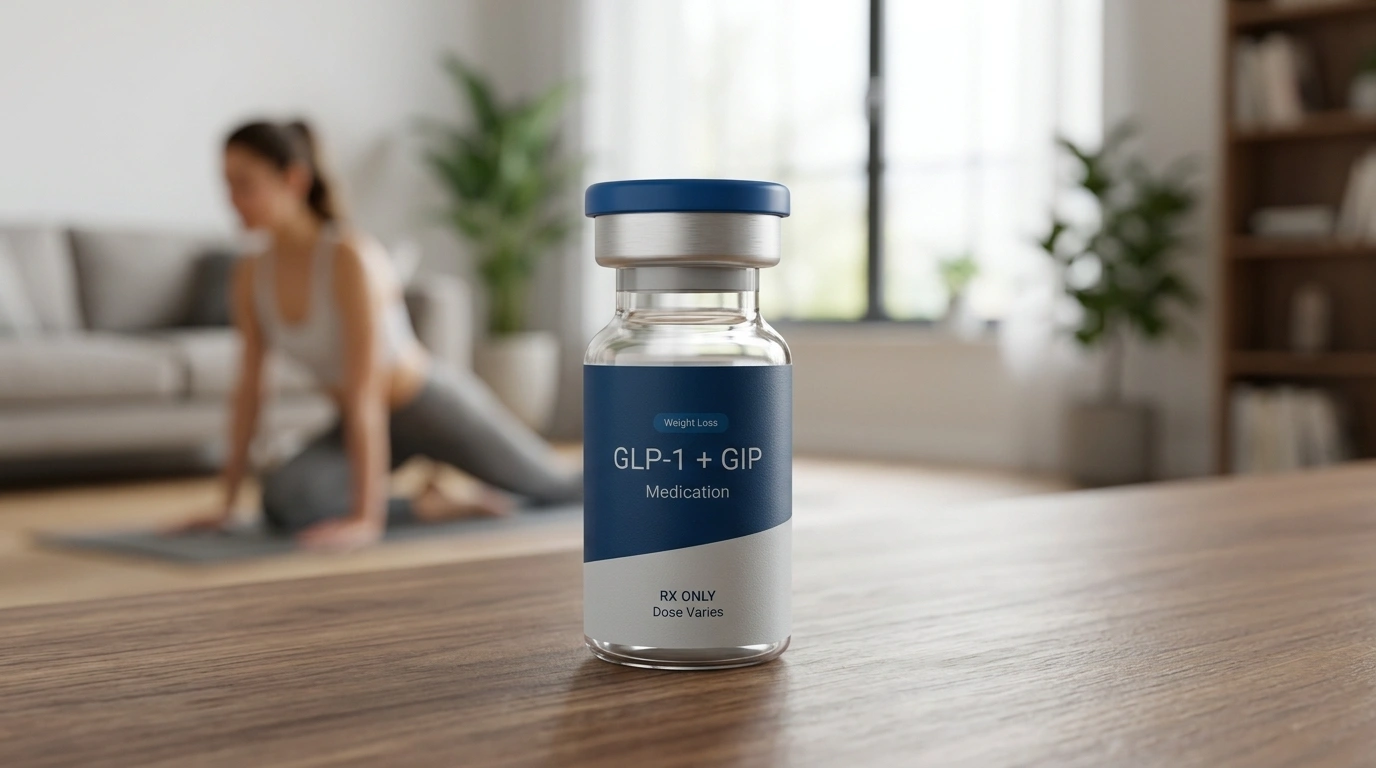
Tirzepatide is a dual-acting medication that belongs to a class known as receptor agonists. Specifically, it is a glucose-dependent insulinotropic polypeptide (GIP) and glucagon-like peptide-1 (GLP-1) receptor agonist. In simpler terms, it mimics two natural hormones in your body that are responsible for regulating blood sugar and appetite.
When you eat, your body naturally releases these hormones to signal to your brain that you are full and to prompt your pancreas to release insulin. Tirzepatide stays in your system much longer than these natural hormones, providing a steady signal to the brain and gut. One of its primary functions is to slow down “gastric emptying,” which is the medical term for how quickly food leaves your stomach and enters the small intestine. This is a key reason why you feel full for longer periods when using the medication.
Because it works on these hormonal pathways rather than through direct chemical interaction with the food currently in your stomach, the presence of a recent meal does not change the way the medication is absorbed into your bloodstream. It is administered via a subcutaneous injection—meaning it goes into the fatty tissue just under the skin—allowing it to enter your system regardless of what is happening in your digestive tract.
For additional background, you can review this guide to how GLP-1 medications work.
Can You Take Tirzepatide After Eating?
The short answer is yes. Clinical data and manufacturer guidelines indicate that tirzepatide can be taken at any time of day, with or without food. Unlike some oral medications that require an empty stomach to be absorbed properly or others that must be taken with food to prevent irritation, this injectable medication is highly flexible.
Quick Answer: You can safely take tirzepatide after eating. Its absorption is not affected by food intake because it is administered via a subcutaneous injection, allowing it to enter your bloodstream through fatty tissue rather than the digestive tract.
While you can take it after eating, many people find that their personal comfort levels dictate a specific preference. For example, an individual who has just consumed a very large or heavy meal might feel more “full” or slightly nauseated if they take their injection immediately afterward. This isn’t because the medication is reacting with the food, but rather because the medication immediately begins its work of slowing down digestion, which can make a full stomach feel even heavier.
If you are considering a prescription program, you can complete a free eligibility assessment to explore whether a personalized plan may be appropriate for you.
Does Food Affect the Efficacy of the Medication?
One of the primary concerns for those starting a weight management program is whether they are getting the full benefit of their prescription. You may wonder if eating a high-protein meal or a carbohydrate-heavy snack right before your injection will “block” the medication or make it less effective.
Research suggests that the “bioavailability”—or the amount of the drug that successfully enters your circulation—remains consistent regardless of your meal status. Whether you choose to take your dose first thing in the morning before breakfast or in the evening after dinner, the metabolic impact on your blood sugar and appetite suppression remains the same.
However, it is important to remember that while the timing of the meal doesn’t affect the drug, the content of your meals plays a significant role in your overall results. Tirzepatide is designed to support sustainable weight management when combined with a reduced-calorie diet and increased physical activity.
Key Takeaway: The absorption of tirzepatide is independent of food intake. Your focus should be on consistency and choosing a time that helps you manage potential side effects rather than worrying about meal timing for efficacy.
Managing Side Effects: The Connection to Food
While the medication works effectively whether you’ve eaten or not, your meal choices can influence how you feel. The most common side effects associated with GLP-1 and GIP receptor agonists are gastrointestinal in nature. These may include:
- Nausea: This is often the most reported side effect, especially during the first few weeks of treatment or when increasing a dose.
- Heartburn or Acid Reflux: Because the stomach empties more slowly, acid can sometimes back up into the esophagus.
- Bloating and Gas: Food sitting in the stomach longer can lead to a feeling of fullness or “sulfur burps.”
- Diarrhea or Constipation: Changes in digestive speed can affect bowel movements.
For a deeper overview, read about tirzepatide side effects and how to manage them.
If you find that taking the medication after a meal leads to increased nausea, you might consider shifting your dose. Some individuals prefer taking their injection on an empty stomach to avoid the feeling of “over-fullness.” Others find that having a small, bland snack (like a few crackers or a piece of toast) before their dose helps settle their stomach.
Tips for Minimizing Discomfort
If you choose to take your dose after eating, consider the following:
- Avoid High-Fat Meals: Greasy or fried foods stay in the stomach even longer. Combining a heavy, fatty meal with a medication that slows digestion can be a recipe for significant nausea.
- Stay Hydrated: Dehydration can worsen feelings of nausea and lead to constipation.
- Portion Control: If you know your injection day is approaching, try eating smaller, more frequent meals to ensure your stomach isn’t overly distended when you take your dose.
You can also review these tirzepatide side-effect management strategies for additional context.
Choosing the Best Time for Your Injection
Since the specific hour or meal status doesn’t dictate success, how do you choose the “best” time? The answer is usually whatever time allows you to be most consistent and comfortable.
For more guidance, read about when to take tirzepatide for the best routine.
Morning Injections
Taking your dose in the morning, perhaps before or after a light breakfast, works well for people who want to “set it and forget it.” It allows you to monitor how you feel throughout the day. However, if you are prone to morning sickness or nausea, adding the medication to the mix early in the day might be challenging.
Evening Injections
Many people prefer taking their dose in the evening, a few hours after dinner. The logic here is that if you experience any immediate mild nausea, you may be able to sleep through the worst of it. If you choose this route, just be mindful of not eating a very large dinner immediately before bed, as the slowed digestion might cause reflux while you lie flat.
Consistency is King
The most important factor is taking your dose on the same day every week. Tirzepatide has a long half-life, meaning it stays in your body for several days. Maintaining a steady level of the medication in your system is what leads to the best metabolic results.
Bottom line: Whether you take your dose in the morning, evening, or after lunch, the most important factor is consistency. Pick a day of the week and a time that fits your lifestyle and stick to it.
You can also explore this tirzepatide timing and weekly schedule guide.
The Role of Personalization in Your Journey
Every body reacts differently to metabolic treatments. While general guidelines suggest food doesn’t matter, your specific health profile might mean you do better with a particular routine. This is where a personalized approach becomes invaluable.
At TrimRx, we don’t believe in a one-size-fits-all solution. Our platform connects you with licensed providers who can help tailor your program based on your medical history and how you respond to the medication. If you find that you are struggling with nausea after eating, your provider can offer guidance on dose titration—the process of slowly increasing your dose to allow your body to adjust—or suggest lifestyle modifications.
Through our telehealth-first model, you have 24/7 access to a dedicated team. This means if you are unsure about a side effect or want to discuss changing your injection schedule, you don’t have to wait weeks for an in-person appointment. We are here to act as your empathetic guide, ensuring that your path to health is as smooth as possible.
If you are ready to explore your options, take the free assessment quiz to begin the evaluation process.
What to Do if You Experience Significant Side Effects
While mild nausea is common, it should not be debilitating. If you take your dose after eating and experience severe vomiting, intense abdominal pain, or an inability to keep fluids down, it is essential to contact a healthcare professional immediately.
It is also worth noting that certain conditions, such as gastroparesis (a condition where the stomach already empties too slowly) or a history of pancreatitis, may change how your doctor wants you to use the medication. Always be transparent with your provider about your medical history during your initial assessment.
Note: If you are unsure about how a specific meal might affect your experience, consult your licensed healthcare provider for personalized advice.
Comparing Your Options: Compounded vs. Branded
In your research, you may have come across branded medications like Mounjaro® or Zepbound®, which contain tirzepatide as the active ingredient. These branded products are FDA-approved for specific uses, such as type 2 diabetes or chronic weight management.
Because of high demand and supply chain issues, many people turn to compounded tirzepatide. Compounded medications are prepared by specialized pharmacies to meet an individual’s needs. It is important to understand that while these pharmacies are FDA-registered and inspected, the compounded versions themselves are not FDA-approved in the same way branded medications are.
We provide access to these medications through highly regulated compounding pharmacies, ensuring that you receive quality care without the need for in-person visits or the frustration of “out of stock” notices at local pharmacies. Regardless of whether you use a branded or compounded version, the rules about meal timing remain the same: food does not prevent the medication from working.
Preparing for Your First Dose
If you are just starting your program, the anticipation can be the most stressful part. To make your first experience as positive as possible, follow these steps:
- Step 1: Choose your day. Pick a day when you don’t have major social obligations or high-stress work meetings, just in case you feel a bit tired or nauseated.
- Step 2: Hydrate well. Start drinking plenty of water the day before and the day of your injection.
- Step 3: Eat a light, clean meal. For your first time, try taking the medication after a light meal that is low in fat and sugar. This provides a “buffer” for your stomach without over-taxing your digestive system.
- Step 4: Administer the injection. Follow the instructions provided by your pharmacy and provider carefully.
- Step 5: Monitor and adjust. Keep a simple log of what you ate and how you felt. If you felt great after eating, you can continue that routine. If you felt bloated, try an empty stomach next week.
Nutrient Support During Treatment
As your appetite decreases, the quality of the food you eat becomes more important than ever. Since you will be eating less, you need to ensure every bite is nutrient-dense. Many people on GLP-1 or GIP programs find that supplements can help bridge the gap and support their energy levels.
For instance, our GLP-1 Daily Support supplement is designed to provide essential nutrients that might be lacking when your caloric intake drops. Similarly, a Weight Loss Boost supplement can help maintain your metabolism and energy as your body shifts into a fat-burning state. While these are not required to make tirzepatide work, they can improve your overall sense of well-being during the transition.
Why Telehealth is a Game Changer for Weight Loss
The traditional model of weight loss often involves monthly trips to a clinic, sitting in waiting rooms, and brief consultations that feel rushed. This can make it difficult to get answers to simple questions like “can I take this after eating?”
Our platform removes those barriers. By moving the process online, we make it easier for you to stay consistent. You can complete your free assessment quiz from home, receive your medication in the mail, and message your support team whenever a question arises. This level of access is particularly helpful during the first few months of treatment when you are still figuring out the best timing and diet for your body.
The Importance of Lifestyle Integration
Tirzepatide is a powerful tool, but it is not a “magic bullet” that works in isolation. The goal of any successful weight management program is to help you build habits that last long after the medication has done its initial work.
Taking the medication after eating can actually be a good way to practice “mindful eating.” Because the medication will make you feel full faster, eating a meal before your dose allows you to pay closer attention to your body’s satiety signals. Over time, you’ll learn exactly how much food your body needs to feel satisfied, helping you transition away from the “clean your plate” mentality that many of us were raised with.
Conclusion
The journey toward a healthier version of yourself is rarely a straight line, but having the right tools and information makes the path much clearer. Whether you choose to take tirzepatide after a meal or on an empty stomach, the medication remains a robust support for your metabolic health. The key is to listen to your body, prioritize consistency, and lean on the expertise of your clinical team.
At TrimRx, our mission is to help you embrace a healthier lifestyle through science, empathy, and a transparent approach. We provide the personalized programs and professional support you need to make sustainable changes, all from the comfort of your home. Your goals are within reach, and we are here to help you navigate every step—and every meal—along the way.
Ready to start your personalized journey? Take the first step by completing our free assessment quiz to see which program is right for your health profile.
FAQ
Does it matter if I take tirzepatide in the morning or at night?
No, the time of day does not affect how the medication works. Most people choose a time based on their personal schedule and how they manage side effects, such as taking it at night to sleep through potential nausea.
For more detail, review this guide to when to take tirzepatide.
Can I drink coffee before or after my injection?
Yes, you can consume coffee with tirzepatide. However, be mindful that both caffeine and the medication can affect your stomach; if you are prone to acid reflux, you may want to wait a bit between your coffee and your dose.
What should I do if I feel very nauseous after eating and taking my dose?
Try eating smaller, bland meals that are low in fat on your injection day. If nausea persists or becomes severe, contact your healthcare provider to discuss adjusting your dose or your injection schedule.
You can also read about what causes nausea with tirzepatide.
Is it okay to exercise right after taking the medication after a meal?
While there is no medical reason to avoid exercise, the combination of a full stomach and the medication’s effect on digestion might make intense physical activity uncomfortable. It is usually best to wait an hour or two to see how you feel.
Disclaimer: This content is for informational purposes only and does not constitute medical advice. It is not intended to diagnose, treat, cure, or prevent any disease or condition. Individual results may vary. Always consult a qualified healthcare professional before starting any weight loss program or medication.

Transforming Lives, One Step at a Time
Keep reading

Should You Taper Off Tirzepatide or Just Stop? What the Evidence Says
There is very little direct evidence either way, and anyone who tells you otherwise is filling a gap with confidence. The withdrawal trials that…
Stalled on Tirzepatide Even After a Dose Increase: Your Options
The first thing to check is how long it has been since the increase, because most people ask this question too early. A dose…

Why Did Tirzepatide Stop Working After Three Months of Fast Loss?
Five things explain almost all of it, and the first is the least satisfying: the fast stretch was never going to last. Weight loss…


