Can You Eat Pineapple on Mounjaro? Nutrition Tips
Introduction
Starting a weight loss journey with a dual-acting medication like Mounjaro® often brings up many questions about what you can and cannot eat. You might find yourself standing in the produce aisle, wondering if the natural sugars in a fresh pineapple will interfere with your progress or trigger uncomfortable side effects. At TrimRx, we understand that navigating these dietary choices can feel overwhelming when you are also adapting to significant metabolic changes. This article will look at how pineapple interacts with your body while on tirzepatide, the active ingredient in Mounjaro®, and provide practical tips for incorporating fruit into your routine. While pineapple is packed with vitamins, its high sugar content and acidity require a thoughtful approach. You can enjoy pineapple on this medication, provided you understand how to manage portions and timing to support your metabolic health. For broader guidance, review this guide to what to eat on a GLP-1 medication.
Understanding How Tirzepatide Affects Digestion
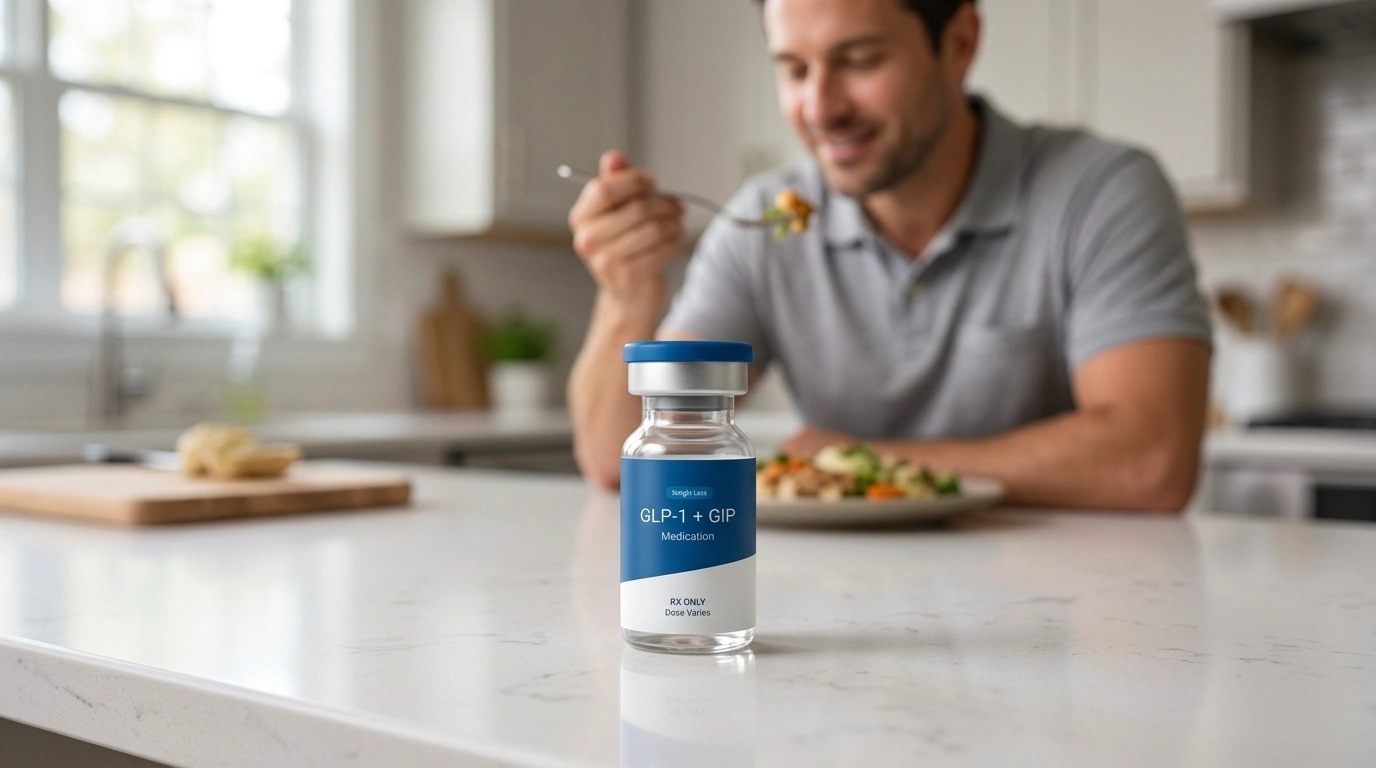
To understand if you can eat pineapple while taking Mounjaro®, it is essential to understand how the medication works in your body. Tirzepatide is a dual glucose-dependent insulinotropic polypeptide (GIP) and glucagon-like peptide-1 (GLP-1) receptor agonist. This means it mimics two hormones naturally produced by your body to regulate blood sugar and appetite.
One of the primary ways these medications support weight loss is by slowing down gastric emptying. This is the process by which food moves from your stomach into your small intestine. When this process slows down, you feel fuller for a longer period. However, this physiological change also means that food stays in your stomach significantly longer than it used to.
Because food sits in the stomach for an extended time, the type of food you eat matters more than ever. Highly acidic or high-fiber foods can sometimes lead to discomfort if they linger too long. Pineapple falls into both categories, as it is relatively acidic and contains a fair amount of fiber. For an individual taking tirzepatide, this slowed digestion is the main factor to consider when choosing your fruit portions. You can also read about how tirzepatide affects digestion and constipation.
The Nutritional Profile of Pineapple
Pineapple is often praised for its high nutrient density. It is an excellent source of Vitamin C, which supports the immune system, and manganese, which is vital for bone health and metabolism. It also contains an enzyme called bromelain.
Bromelain is a mixture of enzymes that digest protein. In general health contexts, bromelain is often taken as a supplement to reduce inflammation and improve digestion. However, for someone on a GLP-1 or GIP medication, the presence of bromelain and the fruit’s natural acidity can be a double-edged sword.
While bromelain may help break down proteins in the stomach, the high acid content of pineapple may irritate the stomach lining. Since the medication already keeps food in the stomach longer, this acid has more time to cause issues like heartburn or indigestion.
Quick Answer: Yes, you can eat pineapple on Mounjaro®, but it is best to consume it in small portions. Because the medication slows digestion, the high sugar and acid content in pineapple may cause stomach upset or blood sugar spikes if eaten in large amounts or on an empty stomach.
Blood Sugar and the Glycemic Index
Even though Mounjaro® is highly effective at managing blood sugar levels, you still need to be mindful of the Glycemic Index (GI) of the foods you eat. The Glycemic Index is a rating system for foods containing carbohydrates. It shows how quickly each food affects your blood sugar level when eaten on its own.
Pineapple has a medium GI score, typically ranging between 50 and 66 depending on its ripeness and where it was grown. While this is lower than processed snacks or white bread, it is higher than many other fruits like berries, apples, or pears. For more context, explore this expert breakdown of fruit choices for weight loss.
When you consume high-GI foods, your blood sugar can rise quickly. The medication works to counteract this, but eating large amounts of sugary fruit can still lead to a “glucose spike” followed by a “crash.” This crash often triggers cravings or fatigue, which can make sticking to your personalized weight loss program more difficult.
Key Takeaway: Mounjaro® helps regulate insulin, but eating high-sugar fruits like pineapple can still cause blood sugar fluctuations. Focus on small servings and pair them with protein to keep your levels stable.
Potential Side Effects When Eating Pineapple
The most common side effects of GIP and GLP-1 medications are gastrointestinal. These include nausea, vomiting, diarrhea, and constipation. Because pineapple is acidic and contains natural sugars (fructose), it can exacerbate these symptoms in some people. Learn more about tirzepatide side effects and ways to manage them.
Nausea and Acid Reflux
Slowed digestion means that the acid in pineapple stays in the stomach longer. This can lead to gastrointestinal reflux disease (GERD) symptoms or general heartburn. If you are already prone to nausea as a side effect of your medication, the strong flavor and acidity of pineapple might make it worse.
Bloating and Gas
Pineapple contains a significant amount of fiber. While fiber is generally good for health, an excess of fiber in a stomach that is emptying slowly can lead to fermentation. This process can cause bloating, gas, and a general feeling of heaviness.
The “Sulfur Burp” Phenomenon
Many patients on tirzepatide or semaglutide report experiencing “sulfur burps.” These occur when food sits in the stomach and begins to break down over a long period. High-sugar fruits can sometimes contribute to this by providing more “fuel” for the bacteria in the gut to produce gas.
How to Incorporate Pineapple Safely
If you love pineapple and want to keep it in your diet, you do not have to cut it out entirely. Instead, you should change how and when you eat it.
Step 1: Start with a very small portion.
Try eating just two or three bite-sized chunks to see how your stomach reacts. Wait a few hours before eating more to ensure you do not experience delayed nausea.
Step 2: Pair it with a protein or healthy fat.
Never eat pineapple on an empty stomach. Pairing it with Greek yogurt, cottage cheese, or a handful of walnuts can slow the absorption of sugar and help neutralize some of the acidity.
Step 3: Choose fresh over canned.
Canned pineapple is often stored in heavy syrup, which adds a massive amount of unnecessary sugar. Even pineapple canned in “natural juice” has a higher sugar concentration than fresh fruit. Stick to fresh or frozen varieties with no added sweeteners.
Step 4: Monitor the timing.
Avoid eating pineapple late at night. Because your digestion is slower, lying down shortly after eating acidic fruit can significantly increase the risk of nighttime heartburn.
Comparing Pineapple to Other Fruits
When you are on a weight loss program that includes medications like Wegovy®, Zepbound®, or Mounjaro®, some fruits are easier for the body to process than others. While we provide a platform for personalized care, general nutritional patterns show that lower-sugar fruits are often better tolerated.
| Fruit Type | Glycemic Index | Fiber Content | Best for GLP-1 Patients? |
|---|---|---|---|
| Raspberries | Low | High | Excellent (low sugar) |
| Strawberries | Low | Medium | Excellent (high water content) |
| Pineapple | Medium | Medium | Use Caution (higher sugar/acid) |
| Mango | Medium | Medium | Use Caution (very high sugar) |
| Watermelon | High | Low | Moderate (high GI but high water) |
As shown in the table, berries are often the “gold standard” for fruit consumption while on weight loss medication. They provide the necessary antioxidants and fiber without the high sugar load or extreme acidity found in tropical fruits like pineapple.
The Role of Fiber and Hydration
Fiber is essential when taking medications that slow the gut. Constipation is a frequent side effect of tirzepatide. Pineapple does provide fiber, which can help keep things moving, but it should not be your only source. For additional guidance, review nutrition strategies for people taking GLP-1 medications.
If you choose to eat pineapple, ensure you are drinking plenty of water. Water helps the fiber move through your digestive tract more efficiently. If you find that you are struggling with digestive regularity, ask your healthcare provider about appropriate nutritional support during treatment.
When to Talk to Your Healthcare Provider
If you find that every time you eat fruit, you experience severe cramping, persistent vomiting, or intense heartburn, you should consult with your healthcare provider. While TrimRx connects you with licensed professionals who supervise your treatment, you must be vocal about your side effects. If you are considering a prescription weight loss program, you can complete a free eligibility assessment.
Sometimes, what feels like a simple food sensitivity is actually a sign that your medication dosage needs adjustment or that you need additional support for your gut health. Your provider can help you determine if your reaction to pineapple is a temporary adjustment period or a sign that you should move toward a more “bland” diet temporarily.
Note: If you experience severe abdominal pain that radiates to your back, seek medical attention immediately, as this can be a sign of more serious conditions not related to simple food intake.
Managing Cravings and Sweetness
One interesting effect of Mounjaro® is the way it changes “food noise.” Many people find that their cravings for sweets diminish significantly. However, when a craving for something sweet does strike, fruit like pineapple is a much better choice than processed candy or cake.
The goal of our program is to help you build sustainable habits. Learning to enjoy a small amount of fruit as a treat rather than a large bowl of fruit as a meal is a key part of that sustainability. If you find yourself reaching for pineapple because you are craving sugar, it may be a sign that you need to increase your protein intake. Protein is the cornerstone of maintaining muscle mass while losing weight on GLP-1 therapies.
Using Supplements to Support Your Diet
While whole foods should always be your primary source of nutrition, supplements can play a supporting role. For example, our Weight Loss Boost supplement can help maintain energy levels if you are eating fewer calories.
If you find that even small amounts of fruit like pineapple cause digestive upset, speak with your healthcare provider about whether additional nutritional support is appropriate for you.
The TrimRx Approach to Nutrition
At TrimRx, we believe that weight loss should be a personalized journey. There is no such thing as a “forbidden food” list that applies to everyone. Some people can eat pineapple every day on tirzepatide without a single issue, while others find that even one bite causes discomfort.
Our platform provides the tools you need to discover what works for your unique body. Through our doctor consultations and unlimited support, we help you navigate these dietary hurdles. We focus on science and empathy to ensure that you feel supported as you learn how your body responds to different foods while on medication. To find out whether a personalized program may be appropriate for you, take the free assessment quiz.
Practical Meal Ideas with Pineapple
If you have determined that your body tolerates pineapple well, here are a few ways to include it in a balanced, GLP-1-friendly diet:
- Protein-Packed Tropical Bowl: Mix half a cup of low-fat Greek yogurt with three chunks of fresh pineapple and a tablespoon of hemp seeds. The protein and fats will stabilize your blood sugar.
- Grilled Chicken Topper: Use a small amount of diced pineapple as a salsa over grilled chicken breast. The acidity can help cut through the denseness of the protein, making it more palatable if you are experiencing decreased appetite.
- Green Smoothie: Blend a handful of spinach, a scoop of unflavored protein powder, and a small amount of frozen pineapple. The fiber from the spinach helps slow down the digestion of the fruit’s sugars.
Summary of Best Practices
To maximize your results and minimize discomfort, keep these points in mind:
- Portion Control: Limit yourself to 1/2 cup or less per sitting.
- Balance: Always pair fruit with a protein or fat.
- Quality: Choose fresh fruit over canned or dried versions.
- Listening: Pay attention to how your stomach feels 2–4 hours after eating.
- Hydration: Increase water intake when consuming high-fiber fruits.
By following these guidelines, you can enjoy the nutritional benefits of pineapple without derailing your weight loss progress or causing unnecessary physical distress.
Conclusion
Can you eat pineapple on Mounjaro®? The answer is a definitive yes, but with necessary precautions. Your body is undergoing a metabolic shift, and your digestive system is moving at a different pace. By prioritizing portion control, pairing pineapple with protein, and choosing fresh fruit over sugary canned versions, you can safely include this tropical fruit in your diet.
At TrimRx, we are dedicated to helping you navigate every step of this process with a science-backed, empathetic approach. We know that sustainable weight loss isn’t just about the medication; it’s about understanding how to fuel your body in a way that feels good. If you are ready to start a program tailored specifically to your needs, the first step is easy.
Take the free assessment quiz today to see which personalized program is right for you and begin your journey toward a healthier lifestyle.
FAQ
Can pineapple cause more side effects on Mounjaro than other fruits?
Yes, because pineapple is highly acidic and contains medium levels of sugar, it can lead to more frequent heartburn or nausea compared to low-acid fruits like berries. The slowed gastric emptying caused by the medication means the acid stays in your stomach longer, which can irritate the lining. For more information, review what to expect from tirzepatide side effects.
Is it better to eat pineapple in the morning or evening?
It is generally better to eat pineapple earlier in the day. Because your digestion is slower on this medication, eating acidic or sugary foods in the evening can lead to indigestion or acid reflux when you lie down to sleep.
Can I drink pineapple juice instead of eating the fruit?
Pineapple juice is generally not recommended while on weight loss medication because it lacks the fiber of the whole fruit and is very high in concentrated sugar. This can lead to significant blood sugar spikes and may contribute to “dumping syndrome” or diarrhea in sensitive individuals.
Will eating pineapple stop me from losing weight on tirzepatide?
Eating pineapple in moderation will not stop weight loss. However, overconsuming any high-sugar fruit can increase your daily calorie and carbohydrate intake, which might slow your progress if not balanced with protein and physical activity. If you are exploring whether prescription treatment may be appropriate, you can see if you qualify for a personalized program.
Disclaimer: This content is for informational purposes only and does not constitute medical advice. It is not intended to diagnose, treat, cure, or prevent any disease or condition. Individual results may vary. Always consult a qualified healthcare professional before starting any weight loss program or medication.

Transforming Lives, One Step at a Time
Keep reading

Mounjaro Alternatives: What Else to Consider
If Mounjaro isn’t the right fit, the closest alternatives are other GLP-1 medications, chiefly semaglutide (Ozempic for diabetes, Wegovy for weight), along with a…

Mounjaro vs Zepbound: Same Drug, Two Brands
Like their semaglutide counterparts, Mounjaro and Zepbound are the same medication (tirzepatide) sold under two names for two purposes: Mounjaro is approved for type…

Retatrutide vs Mounjaro: Triple Agonist vs Dual Agonist
The core difference between retatrutide and Mounjaro comes down to how many hormone targets each hits: retatrutide activates three receptors, while Mounjaro (tirzepatide) activates…


