What Happens If You Eat Sugar on Mounjaro?
Introduction
Many individuals starting their weight loss journey find themselves staring at a favorite dessert and wondering if a single treat will derail their progress or cause an afternoon of discomfort. You may have heard stories about intense nausea or a sudden loss of interest in sweets after your first few doses. At TrimRx, we believe that understanding the relationship between your body, your medication, and your nutrition is the most effective way to reach your health goals. This article explores the physiological and behavioral shifts that occur when you consume sugar while taking Mounjaro®, helping you navigate cravings with confidence. We will cover the science of how the medication interacts with glucose, the potential side effects of high-sugar foods, and how our personalized programs support your transition to a balanced lifestyle.
If you are considering treatment, you can complete a free eligibility assessment to explore whether a personalized program may be right for you.
The Science of Tirzepatide and Sugar Metabolism
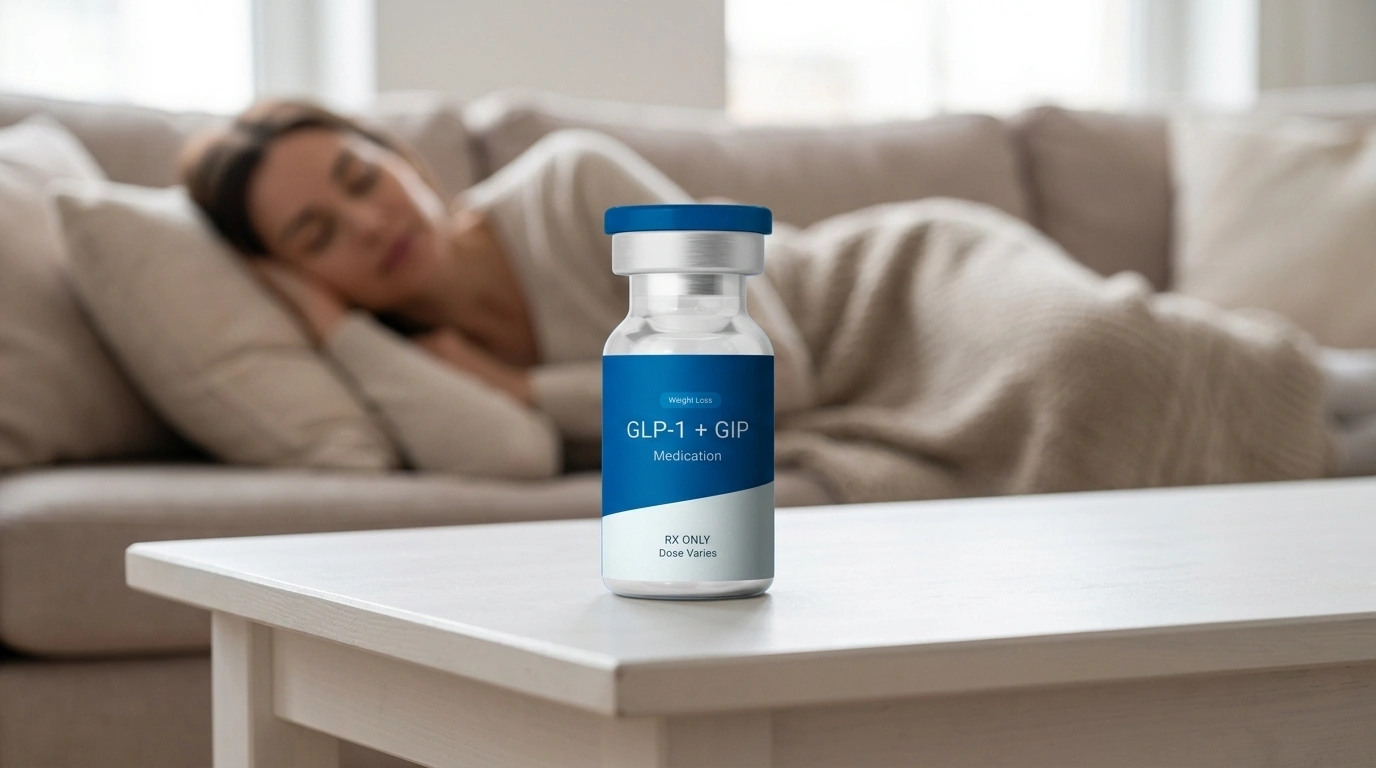
To understand how your body reacts to sugar while on this medication, it is helpful to first understand what the medication is doing internally. Mounjaro® is a brand-name medication containing the active ingredient tirzepatide. Tirzepatide is a dual-receptor agonist, meaning it mimics two different hormones naturally produced in the body: glucagon-like peptide-1 (GLP-1) and glucose-dependent insulinotropic polypeptide (GIP).
These hormones play a critical role in how you process energy. GLP-1 helps your pancreas release the right amount of insulin when your blood sugar is high and slows down the rate at which your stomach empties. GIP also helps with insulin secretion and has been shown to impact how the brain perceives hunger and reward. When you take this medication, your body becomes much more efficient at managing glucose (sugar) in the bloodstream.
For additional background, review this guide to what GLP-1 does in metabolism and weight management.
When you consume sugar, it is normally broken down into glucose and absorbed into the blood. In a body without the support of a GLP-1/GIP receptor agonist, a large intake of sugar might cause a sharp spike in blood sugar followed by a “crash.” With tirzepatide, the medication is constantly working to keep those levels stable. However, introducing a large amount of refined sugar can create a “clash” between the medication’s efforts and the external sugar load.
Immediate Physical Reactions to Sugar
If you decide to eat a high-sugar food—such as a doughnut, a soda, or a heavy dessert—you might notice a physical reaction that feels different than it did before you started your treatment. Because the medication slows down gastric emptying (the speed at which food leaves your stomach), that sugar stays in your digestive tract longer.
For a deeper look at why digestive discomfort may occur, read about tirzepatide side effects and how to manage them.
Gastric Distress and Nausea
One of the most common reports from individuals on tirzepatide is that high-sugar or high-fat foods trigger immediate nausea. When sugar sits in the stomach for an extended period, it can lead to a feeling of intense fullness or “heaviness.” For some, this progresses into a sour stomach or a persistent wave of nausea that can last for several hours. This is the body’s way of signaling that it is struggling to process the density of the calories provided.
The Risk of Dumping Syndrome Symptoms
While more common in gastric bypass patients, some people on GLP-1 medications experience symptoms similar to “dumping syndrome” when they consume excessive sugar. This happens when sugar moves too quickly from the stomach into the small intestine, or when the osmotic pressure of the sugar draws excess water into the gut. Symptoms can include:
- Sudden abdominal cramping
- Dizziness or lightheadedness
- Rapid heartbeat
- Urgent diarrhea
Bloating and Gas
Refined sugars can sometimes ferment in the digestive tract if they are not moved through quickly. Because tirzepatide slows digestion, this fermentation process can lead to significant bloating and uncomfortable gas. If you find yourself feeling “puffed up” after a sugary snack, it is likely a direct result of the slowed motility caused by the medication.
For practical guidance, you can also review what you can take if you have nausea from tirzepatide.
Key Takeaway: Consuming high amounts of sugar while on tirzepatide often leads to gastrointestinal discomfort because the medication slows down digestion, causing sugar to remain in the system longer than usual.
Why Your “Sweet Tooth” Might Disappear
One of the most fascinating aspects of using a dual GLP-1 and GIP receptor agonist is the change in “food noise.” Food noise refers to the constant, intrusive thoughts about food, cravings, and the next meal that many people with metabolic challenges face.
Changes in the Reward Pathway
Research suggests that these medications affect the reward centers of the brain. Usually, eating sugar releases dopamine, creating a pleasurable sensation that encourages you to eat more. Tirzepatide may dampen this reward response. You might find that the chocolate cake you used to love now tastes “too sweet” or simply doesn’t provide the same satisfaction.
Many people are also interested in how GLP-1 medications may affect emotional eating and food noise.
Increased Sensitivity to Sweetness
Many patients report that their palate shifts within the first few weeks of treatment. Foods that seemed normal before may now taste cloying or overwhelming. This shift is actually a helpful tool in your weight loss journey, as it makes it easier to choose whole foods like vegetables and lean proteins over processed snacks.
Quick Answer: Eating sugar on Mounjaro® usually results in mild to moderate gastrointestinal upset, such as nausea or bloating, and many people find that their desire for sweets significantly decreases due to changes in brain chemistry and taste perception.
Impact on Weight Loss and Metabolic Health
While a single cookie is unlikely to stop your progress, regular consumption of sugar can work against the primary goals of your treatment. The purpose of medications like tirzepatide or compounded tirzepatide (which is available through many personalized programs) is to improve metabolic health and insulin sensitivity.
Insulin Resistance and Sugar
Sugar, especially in the form of high-fructose corn syrup or refined white sugar, promotes insulin resistance. If you are taking a medication to improve insulin sensitivity but continue to consume high levels of sugar, you are essentially pulling your metabolic health in two opposite directions. To get the best results from your program, it is vital to align your diet with the medication’s function.
Caloric Density vs. Satiety
Sugar provides “empty calories”—energy that doesn’t come with fiber, protein, or essential vitamins. Because the medication makes you feel full faster, your “real estate” for food is limited. If you fill that limited space with sugar, you may miss out on the nutrients your body needs to maintain muscle mass and energy levels during weight loss.
You can explore the best foods for weight loss, including protein- and fiber-rich options for ideas that complement a nutrient-focused approach.
We often recommend focusing on nutrient-dense foods to ensure that every calorie counts. Our team at TrimRx emphasizes that a personalized approach means looking at your specific nutritional needs alongside your medication.
Natural Sugars vs. Added Sugars
It is important to distinguish between the sugar found in a piece of fruit and the sugar found in a candy bar. Your body processes these very differently, especially while on a GLP-1 or GIP medication.
The Role of Fiber
A medium apple contains natural sugar (fructose), but it also contains fiber. Fiber slows down the absorption of sugar even further and helps maintain healthy digestion. Most people find they can tolerate natural sugars in moderation without the negative side effects associated with processed sweets.
Added Sugars and Liquid Calories
Liquid sugars, such as those in soda, sweetened coffee drinks, or energy drinks, are often the most problematic. These hit the bloodstream rapidly and can cause a quick spike in insulin, which might lead to a “rebound” feeling of fatigue or shakiness later. Avoiding liquid sugar is often one of the first recommendations made by healthcare providers when starting a weight loss program.
For more ideas, see these snack strategies built around protein, fiber, and healthy fats.
Bottom line: Natural sugars found in whole fruits are generally well-tolerated and provide necessary fiber, whereas refined and liquid sugars are the primary culprits for side effects and stalled progress.
Managing Cravings and Side Effects
If you do consume sugar and start to feel unwell, there are steps you can take to manage the discomfort. It is also important to have a plan for when cravings strike so you don’t feel deprived.
How to Handle the “Sugar Hangover”
If you’ve overindulged and feel nauseous or bloated, try the following:
- Hydrate with Water: Avoid sugary sports drinks. Stick to plain water or water with a squeeze of lemon to help flush your system.
- Gentle Movement: A light walk can help stimulate digestion and encourage the movement of food through the GI tract.
- Ginger or Peppermint: These natural remedies can help soothe a nauseous stomach.
- Wait it Out: Avoid eating more food until the feeling of heaviness or nausea has passed.
Healthy Alternatives
When you have a craving for something sweet, look for options that won’t trigger a negative reaction:
- Berries and Greek Yogurt: Provides sweetness along with protein and fiber.
- Small portion of Dark Chocolate: Often satisfies the craving with less sugar than milk chocolate.
- Sugar-free Electrolytes: Sometimes a “sweet” craving is actually a sign of dehydration or electrolyte imbalance.
Note: If you experience severe vomiting, intense abdominal pain, or symptoms that do not resolve within 24 hours after eating sugar, contact your healthcare provider immediately.
The TrimRx Approach to Sustainable Success
We believe that weight loss is about more than just a weekly injection. It is about a total lifestyle shift that feels manageable and empowering. When you join a program through us, you aren’t just getting access to a prescription; you are getting a roadmap for long-term health.
Our telehealth-first model allows you to consult with licensed providers from the comfort of your home. They can help you understand how to adjust your diet to minimize side effects. Whether you are prescribed Ozempic®, Wegovy®, Mounjaro®, Zepbound®, or a compounded version of these medications, the goal remains the same: sustainable, healthy weight loss.
Personalized Support
Every person’s body reacts differently to sugar. Some people may find they can handle a small treat occasionally, while others may find that even a small amount of sugar makes them feel ill. A personalized program takes these individual differences into account. By working with specialists, you can fine-tune your intake to ensure you are losing weight while feeling your best.
If you are exploring whether treatment may be appropriate for you, find out if GLP-1 medications may be right for you.
Nutritional Supplements
To support your journey, we offer supplements like GLP-1 Daily Support, which can help provide the essential nutrients your body needs as your appetite changes. Maintaining proper nutrition is the key to ensuring that the weight you lose is primarily fat, not muscle.
Starting Your Journey with TrimRx
If you are ready to take the next step in your weight loss journey but are concerned about how to manage your diet and medication, we are here to help. Our process is designed to be transparent, supportive, and entirely online.
Step 1: Take the free assessment quiz. / This helps us understand your medical history, goals, and current health status to determine which program is right for you.
Step 2: Consult with a Licensed Provider. / You will be connected with a professional who can review your profile and, if appropriate, write a prescription for a GLP-1 or GIP medication.
Step 3: Receive Your Medication. / If prescribed, your medication (such as Compounded Semaglutide or Compounded Tirzepatide) will be shipped directly to your door from an FDA-registered, inspected compounding pharmacy.
Step 4: Ongoing Support. / You have 24/7 access to a team of specialists to answer questions about side effects, diet, and progress.
Long-Term Outlook: Can You Ever Eat Sugar Again?
A common fear is that starting a medication like Mounjaro® means never enjoying a dessert again. This is not the case. The goal of a medically supervised weight loss program is to help you build a healthier relationship with food.
Over time, as your body reaches a healthier weight and your insulin sensitivity improves, you may find that you can enjoy small amounts of sugar without the intense side effects you experienced at the beginning. The “reset” that the medication provides allows you to view sugar as an occasional treat rather than a daily necessity.
By focusing on protein, fiber, and hydration, you create a foundation that makes the occasional sweet treat much easier for your body to handle. The medication acts as a tool to help you stay on track, but the habits you build—like choosing fruit over candy—are what will sustain your results for years to come.
For broader nutrition guidance, review what a healthy diet for weight loss can include.
Myth: You can never eat sugar again once you start Mounjaro®. Fact: You can still enjoy sweets in moderation, but the medication often changes your cravings and may cause temporary discomfort if you consume large amounts, especially during the early stages of treatment.
Conclusion
Understanding what happens when you eat sugar while on a tirzepatide treatment is essential for a smooth and successful journey. While the medication works powerfully to regulate your blood sugar and reduce hunger, consuming high amounts of refined sugar can lead to unwanted side effects like nausea, bloating, and digestive upset. However, these challenges are often met with a positive shift: a significant reduction in cravings and a dampened interest in sweets. At TrimRx, we are committed to providing the science-backed tools and empathetic support you need to navigate these changes. Our mission is to help you achieve sustainable weight loss through a personalized approach that honors your body’s unique needs. By listening to your body’s signals and focusing on nutrient-dense foods, you can reach your goals and embrace a healthier, more vibrant lifestyle.
Key Takeaway: Success on a GLP-1 or GIP program involves aligning your nutritional choices with the medication’s effects. While sugar won’t “break” the medication, limiting it will significantly improve your comfort and accelerate your results.
Ready to see how a personalized program can work for you? Start with a free assessment quiz today to explore your options and begin your path toward lasting health.
FAQ
Will eating sugar stop Mounjaro® from working?
Eating sugar will not stop the medication from working, but it can slow down your weight loss progress and cause uncomfortable side effects. The medication will still continue to regulate your insulin and slow your digestion, but the extra glucose can interfere with your metabolic goals.
Why do I feel so sick after eating a cookie on this medication?
Because the medication slows down how fast your stomach empties, sugary foods stay in your system longer and can cause nausea or bloating. Additionally, the way your brain processes the “reward” of sugar changes, which can make sweets feel overwhelming or unappealing to your system.
If nausea is a concern, this guide explains why tirzepatide causes nausea and how to manage it.
Can I have fruit while taking tirzepatide?
Yes, most people tolerate fruit very well because the natural sugars are packaged with fiber, which slows down absorption. Fruit is a much better choice for satisfying a sweet craving than processed snacks or candies, which lack fiber and nutrients.
How can I stop sugar cravings while on a weight loss program?
The medication itself helps significantly by reducing “food noise,” but you can also support this by eating plenty of protein and staying hydrated. If you still have cravings, our specialists can suggest nutritional adjustments or supplements like GLP-1 Daily Support to help balance your body’s needs.
Disclaimer: This content is for informational purposes only and does not constitute medical advice. It is not intended to diagnose, treat, cure, or prevent any disease or condition. Individual results may vary. Always consult a qualified healthcare professional before starting any weight loss program or medication.

Transforming Lives, One Step at a Time
Keep reading

Mounjaro Alternatives: What Else to Consider
If Mounjaro isn’t the right fit, the closest alternatives are other GLP-1 medications, chiefly semaglutide (Ozempic for diabetes, Wegovy for weight), along with a…

Mounjaro vs Zepbound: Same Drug, Two Brands
Like their semaglutide counterparts, Mounjaro and Zepbound are the same medication (tirzepatide) sold under two names for two purposes: Mounjaro is approved for type…

Retatrutide vs Mounjaro: Triple Agonist vs Dual Agonist
The core difference between retatrutide and Mounjaro comes down to how many hormone targets each hits: retatrutide activates three receptors, while Mounjaro (tirzepatide) activates…


