Does Mounjaro Cause Night Sweats?
Introduction
Waking up in the middle of the night drenched in sweat can be a startling and uncomfortable experience. If you have recently started a weight loss journey using a dual-agonist medication, you might be wondering if your symptoms are a known side effect or something else entirely. While clinical trials for Mounjaro® (tirzepatide) primarily highlight gastrointestinal issues, many individuals report experiencing temperature fluctuations and nocturnal sweating.
At TrimRx, we believe that understanding how your body reacts to medication is the first step toward a successful and sustainable health transformation. If you are considering prescription treatment, you can take the free assessment quiz to see whether a personalized program may be a fit. In this article, we will explore the potential link between tirzepatide and night sweats, the biological mechanisms that might trigger these episodes, and practical strategies for managing them. Our goal is to help you navigate your treatment with confidence by providing clear, evidence-based information on what to expect as your metabolism adjusts.
Understanding the Role of Tirzepatide and Body Temperature
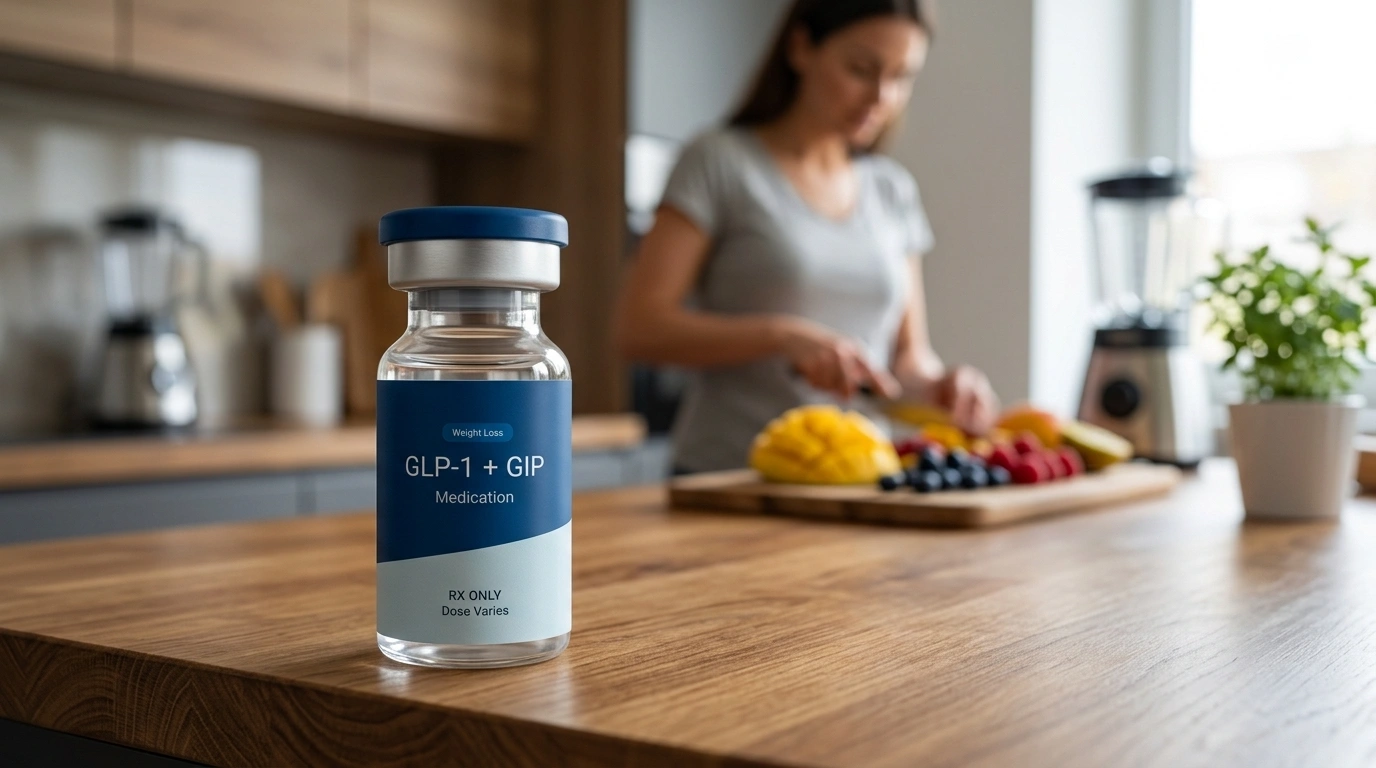
To understand why night sweats might occur, it is helpful to look at how Mounjaro® works in the body. Tirzepatide is a dual glucose-dependent insulinotropic polypeptide (GIP) and glucagon-like peptide-1 (GLP-1) receptor agonist. These are hormones naturally produced by the body to regulate blood sugar and appetite. By mimicking these hormones, the medication slows gastric emptying and signals the brain that you are full.
While these receptors are primarily located in the gut and the pancreas, they also exist in the brain—specifically in the hypothalamus. The hypothalamus acts as the body’s internal thermostat. Because the medication interacts with this region to regulate hunger, it is possible that it also subtly influences the body’s temperature regulation. This connection is a subject of ongoing research, but it offers a plausible explanation for why some people feel warmer or experience “flushing” after an injection.
For additional context about common adjustment symptoms, read this guide to tirzepatide side effects and management.
Quick Answer: Night sweats are not listed as a primary side effect of Mounjaro®, but they can occur due to blood sugar fluctuations, metabolic changes, or the medication’s impact on the hypothalamus.
Potential Causes of Night Sweats on Mounjaro
If you are experiencing night sweats, it is rarely due to a single factor. Instead, it is usually a combination of how the medication interacts with your unique physiology.
1. Hypoglycemia (Low Blood Sugar)
One of the most common medical reasons for night sweats while taking a glucose-regulating medication is hypoglycemia. Even though tirzepatide is designed to lower blood sugar in a controlled way, levels can sometimes dip too low overnight, especially if you are eating significantly fewer calories than usual.
When blood sugar drops, the body releases adrenaline to help mobilize stored glucose. This “fight or flight” response can cause a rapid heartbeat, anxiety, and significant sweating. If you wake up feeling shaky, hungry, or confused along with being sweaty, low blood sugar may be the culprit.
For more information about sweating and related warning signs, review this guide to sweating as a Mounjaro side effect.
2. Metabolic Acceleration and Fat Loss
As your body begins to lose weight rapidly, your metabolism undergoes a significant shift. Adipose tissue (body fat) is not just stored energy; it is an active endocrine organ that stores hormones and enzymes. When fat is broken down quickly, these stored substances are released into the bloodstream. This metabolic “cleanup” can sometimes result in temporary internal temperature increases as the body processes these changes.
For a broader look at how GLP-1 medications influence appetite and metabolism, explore how semaglutides work to support weight loss.
3. Hormonal Adjustments
Weight loss frequently leads to changes in hormone levels, including estrogen and testosterone. Since these hormones play a major role in how the body perceives and regulates heat, fluctuations can lead to symptoms similar to those experienced during menopause or andropause, including hot flashes and night sweats.
4. The “Washout” Effect
Many patients report that side effects are most intense in the first 48 to 72 hours after their weekly injection. This is when the concentration of the medication in the bloodstream is at its peak. As the body adapts to a new dosage, these “peaks” may cause transient episodes of sweating that settle down as the week progresses.
For more practical information about dose-related symptoms, read this tirzepatide injection side-effect management guide.
Managing Night Sweats During Your Weight Loss Journey
Experiencing night sweats does not necessarily mean you need to stop your medication, but it does mean you should make some adjustments to your routine. We recommend a proactive approach to comfort and safety.
Monitor Your Blood Sugar
If you suspect hypoglycemia is the cause, speak with your healthcare provider about monitoring your glucose levels. They may suggest a small, protein-rich snack before bed to keep your blood sugar stable throughout the night. This can prevent the adrenaline spikes that lead to nocturnal sweating.
Optimize Your Sleep Environment
Creating a “cool-friendly” bedroom can significantly reduce the impact of sweats.
- Breathable Fabrics: Switch to moisture-wicking pajamas and bamboo or high-quality cotton sheets.
- Layering: Use several thin blankets rather than one heavy comforter so you can adjust easily.
- Temperature Control: Keep your bedroom temperature between 60–67°F (15–19°C), which is the optimal range for sleep and thermoregulation.
Hydration and Electrolytes
Sweating can lead to dehydration and a loss of essential minerals. If you are waking up damp, it is vital to increase your water intake during the day. Consider adding a sugar-free electrolyte supplement to ensure your body has the potassium, magnesium, and sodium it needs to function correctly.
You can also review this guide to managing tirzepatide side effects for additional hydration and symptom-management strategies.
Key Takeaway: Night sweats are often a sign that your body is adjusting to metabolic shifts or blood sugar changes; focusing on stable nutrition and a cool sleep environment can mitigate these effects.
The Importance of Personalized Care
Every individual reacts differently to GLP-1 and GIP receptor agonists. What works for one person might not work for another, which is why a “one-size-fits-all” approach to weight loss often falls short. At TrimRx, we emphasize the importance of personalized programs that take your specific symptoms and medical history into account.
When you participate in a program through a telehealth platform like ours, you have access to licensed providers who can help determine if your night sweats are a standard part of the adjustment period or if your dosage needs to be evaluated. This level of oversight is crucial for ensuring that your journey is not only effective but also comfortable.
If you are ready to explore whether a prescription program may be appropriate, you can complete a free eligibility assessment.
What to Expect During the Adjustment Period
- Week 1-4: Your body is learning to process the medication. This is the most common time for temperature fluctuations.
- Dose Escalation: When you move to a higher dose, you may notice a temporary return of side effects.
- Long-term: Most patients find that as their weight stabilizes and their body adapts, the frequency of night sweats diminishes significantly.
When to Consult a Healthcare Professional
While occasional sweating is often manageable, there are certain “red flag” symptoms that require professional medical advice. You should contact a healthcare provider if:
- Night sweats are accompanied by a persistent fever or chills.
- You experience severe dizziness, fainting, or extreme confusion upon waking.
- The sweating is so intense that it prevents you from getting any restful sleep for several nights in a row.
- You notice unintended rapid heart palpitations that do not subside.
It is always better to be cautious. A provider can help rule out other potential causes of night sweats, such as infections, thyroid issues, or interactions with other medications you may be taking.
For more information about common and serious reactions, read this complete tirzepatide side-effects overview.
Comparison: Tirzepatide vs. Other GLP-1s
While Mounjaro® (tirzepatide) is a dual agonist, other popular medications like Wegovy® or Ozempic® (semaglutide) only target the GLP-1 receptor. Because tirzepatide also targets the GIP receptor, it is often more potent in its metabolic effects. This increased potency can sometimes lead to a broader range of “off-label” experiences, like temperature shifts, compared to single-receptor medications.
| Symptom | Mounjaro® (Tirzepatide) | Wegovy® / Ozempic® (Semaglutide) |
|---|---|---|
| Primary Side Effects | Nausea, Diarrhea, Decreased Appetite | Nausea, Vomiting, Constipation |
| Mechanism | GLP-1 & GIP Agonist | GLP-1 Agonist Only |
| Reported Night Sweats | Occasionally reported by users | Less common, but possible |
| Hypoglycemia Risk | Low (higher if used with insulin) | Low (higher if used with insulin) |
Supporting Your Body Beyond Medication
Medication is a powerful tool, but it is only one piece of the puzzle. Supporting your metabolic health through lifestyle choices can make the side effects of weight loss much easier to handle.
The Role of Nutrition
Eating small, frequent meals can prevent the “peaks and valleys” in blood sugar that contribute to sweating. Focusing on lean proteins and complex carbohydrates ensures your body has a steady stream of energy. If you find yourself struggling with nutrition, we offer targeted supplements. For example, our GLP-1 Daily Support supplement is designed to provide essential nutrients that may be lacking during periods of reduced caloric intake.
For more guidance on nutrition and supplements during treatment, explore this GLP-1 nutrition and supplement guide.
Stress Management
Stress can exacerbate any medication side effect. High levels of cortisol (the stress hormone) can interfere with blood sugar regulation and body temperature. Incorporating gentle movement, such as walking or yoga, and practicing relaxation techniques before bed can help calm your nervous system and improve sleep quality.
Next Steps in Your Weight Loss Journey
If you are currently experiencing night sweats or are worried about starting a program because of potential side effects, remember that you do not have to navigate this alone. The path to better health is rarely a straight line, and having a supportive team makes all the difference.
TrimRx is dedicated to providing a transparent and empathetic environment for your weight loss journey. We connect you with licensed professionals who supervise your progress and ensure your treatment is tailored to your needs. Whether you are interested in compounded semaglutide or compounded tirzepatide, our platform is designed to make the process simple and stress-free.
Bottom line: While night sweats can be a frustrating side effect of tirzepatide, they are usually manageable through environmental changes, blood sugar management, and professional guidance.
FAQ
Is it normal to have hot flashes on Mounjaro?
While not a “classic” side effect listed by the manufacturer, many users report feeling hot flashes or “flushing,” especially shortly after an injection. This is likely due to the medication’s interaction with metabolic pathways and the hypothalamus, which regulates body temperature.
For related information, read about Mounjaro and hot flashes.
Can Mounjaro affect your sleep?
Yes, some users report changes in sleep patterns, including insomnia or vivid dreams. Night sweats can also lead to fragmented sleep if they cause you to wake up and change clothes or sheets, but these issues often resolve as the body adjusts to the medication.
Does tirzepatide cause dehydration?
The medication itself does not directly cause dehydration, but common side effects like sweating, diarrhea, or decreased thirst cues can lead to a fluid imbalance. It is essential to consciously drink more water and consider electrolytes while on a weight loss program.
How can I stop night sweats while taking Mounjaro?
The most effective strategies include eating a small, protein-based snack before bed to stabilize blood sugar, keeping your bedroom very cool, and wearing moisture-wicking fabrics. If the sweats persist, consult your healthcare provider to discuss a potential dosage adjustment. You can see if you qualify for a personalized program and discuss persistent symptoms with a provider.
Disclaimer: This content is for informational purposes only and does not constitute medical advice. It is not intended to diagnose, treat, cure, or prevent any disease or condition. Individual results may vary. Always consult a qualified healthcare professional before starting any weight loss program or medication.

Transforming Lives, One Step at a Time
Keep reading

Mounjaro Alternatives: What Else to Consider
If Mounjaro isn’t the right fit, the closest alternatives are other GLP-1 medications, chiefly semaglutide (Ozempic for diabetes, Wegovy for weight), along with a…

Mounjaro vs Zepbound: Same Drug, Two Brands
Like their semaglutide counterparts, Mounjaro and Zepbound are the same medication (tirzepatide) sold under two names for two purposes: Mounjaro is approved for type…

Retatrutide vs Mounjaro: Triple Agonist vs Dual Agonist
The core difference between retatrutide and Mounjaro comes down to how many hormone targets each hits: retatrutide activates three receptors, while Mounjaro (tirzepatide) activates…


