What to Eat for Breakfast on Wegovy for Best Results
Introduction
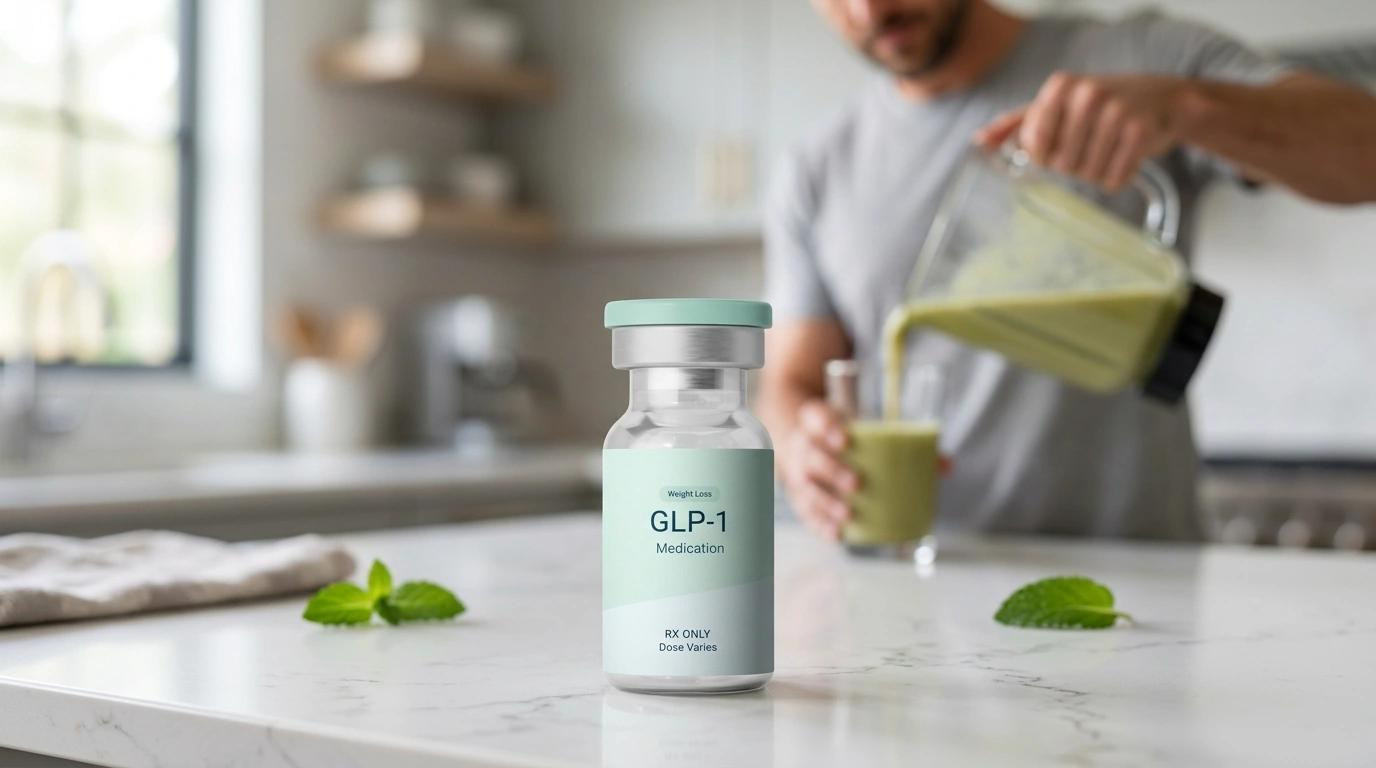
Starting a weight loss journey with a GLP-1 medication often changes your relationship with food from the very first dose. You may find that your favorite morning meal no longer sounds appealing, or that a breakfast you previously enjoyed now leaves you feeling uncomfortably full or nauseated. At TrimRx, we understand that navigating these dietary shifts can feel overwhelming. Choosing the right foods in the morning is not just about nutrition; it is about managing how you feel for the rest of the day. This article explores the best breakfast choices to support your body while using Wegovy®, focusing on high-protein, gentle-on-the-stomach options that align with your health goals. By prioritizing specific nutrients and avoiding common triggers, you can minimize side effects and maintain steady energy levels. If you are considering a medically supervised GLP-1 program, you can complete a free eligibility assessment.
How Wegovy Changes Your Digestion
Wegovy® is a brand-name medication containing semaglutide, which belongs to a class of drugs known as glucagon-like peptide-1 (GLP-1) receptor agonists. This medication mimics a hormone naturally produced in your body that targets areas of the brain that regulate appetite and food intake. One of the primary ways it works is by slowing down gastric emptying, which is the process of food moving from your stomach into your small intestine. For a closer look at this process, read about how semaglutide affects gastric emptying.
Because food stays in your stomach longer, you feel full for a greater period. While this is highly effective for weight management, it also means your digestive system is under a different set of demands. If you eat a heavy, greasy, or very large breakfast, that food sits in the stomach longer than it used to, which can lead to common side effects like nausea, acid reflux, or a “heavy” feeling in the gut. Understanding this mechanical change is the first step in choosing a breakfast that works with your body rather than against it.
Quick Answer: The best breakfast on Wegovy® focuses on lean protein, easy-to-digest fiber, and adequate hydration. Prioritizing foods like Greek yogurt, eggs, or protein smoothies helps maintain muscle mass and prevents morning nausea caused by slow gastric emptying.
The Priority Nutrients for Your Morning Meal
When your appetite is reduced, every bite you take needs to be nutritionally dense. You are likely eating smaller portions, so focusing on “quality over quantity” is essential for maintaining health and energy. These principles also appear in TrimRx’s guide to what to eat on GLP-1 medications.
The Essential Role of Protein
Protein should be the cornerstone of your breakfast. When losing weight, your body may naturally want to break down muscle tissue along with fat. Consuming adequate protein helps preserve lean muscle mass, which is vital for maintaining a healthy metabolism. Furthermore, protein is highly satiating, helping you stay full without needing large volumes of food.
Incorporating Soluble Fiber
Fiber is necessary for digestive health, but on a GLP-1 medication, you must be strategic about the type of fiber you consume. Soluble fiber, found in foods like oats and certain fruits, can help regulate blood sugar and support bowel regularity. Since these medications can sometimes cause constipation, a moderate amount of fiber in the morning can keep things moving. However, too much roughage or insoluble fiber, like large amounts of raw kale or bran, may feel too heavy or cause bloating if the stomach is emptying slowly. For additional guidance, review this guide to hydration and fiber while taking semaglutide.
Prioritizing Hydration
Many people mistake thirst for hunger, and GLP-1 medications can sometimes mask the body’s thirst signals. Starting your day with a glass of water—perhaps with added electrolytes—is crucial. Dehydration can worsen the feelings of fatigue and nausea that some individuals experience when starting their treatment.
Best Foods to Eat for Breakfast on Wegovy
Greek Yogurt and Berries. Non-fat or low-fat Greek yogurt is an excellent source of protein and contains probiotics that support gut health. Berries like raspberries or strawberries provide antioxidants and a gentle amount of fiber without being overly filling.
Eggs and Egg Whites. Eggs are a “gold standard” protein. If you find whole eggs too heavy or high in fat for your morning stomach, try mixing one whole egg with several egg whites. This reduces the fat content while keeping the protein high. Poaching or boiling eggs is often better tolerated than frying them in oil or butter.
Protein-Fortified Oatmeal. Oats are a soothing, complex carbohydrate. To make them more effective for your goals, stir in a scoop of high-quality protein powder or some collagen peptides after cooking. This ensures you get a balance of fiber and amino acids.
Low-Acid Smoothies. A smoothie can be easier to digest than solid food if you are struggling with morning appetite. Focus on a base of water or unsweetened almond milk, a scoop of protein powder, and a small handful of spinach or half a banana. Avoid adding too much sugar or high-fat ingredients like excessive nut butters, which can slow digestion further.
Cottage Cheese. Similar to Greek yogurt, cottage cheese is packed with protein. It is versatile and can be eaten with a few slices of melon or on a single piece of whole-grain toast.
Key Takeaway: Focus on lean proteins and “soft” fibers in the morning. These choices are easier for a slowed digestive system to process, reducing the risk of nausea while protecting your muscle mass during weight loss.
Foods to Avoid to Prevent Side Effects
To minimize the risk of gastrointestinal discomfort, it is often best to limit or avoid certain types of foods during the first few hours of the day. TrimRx also covers these triggers in its guide to managing nausea on GLP-1 medications.
High-Fat and Fried Foods
Fried eggs, bacon, sausage, and buttery pastries are high in fat. Since Wegovy® already slows down your digestion, adding high-fat foods can cause them to sit in the stomach for an extended period. This is a common trigger for “sulfur burps,” indigestion, and significant nausea.
High-Sugar Cereals and Pastries
Simple sugars can cause rapid spikes and drops in blood sugar, which might lead to “dumping syndrome” symptoms or general fatigue. Additionally, many people on GLP-1 medications find that their taste preferences shift, making extremely sweet foods taste unappealing or metallic.
Carbonated Beverages
Drinking soda or even heavy amounts of sparkling water with breakfast can introduce air into the digestive tract. This often leads to painful bloating and increased pressure in a stomach that is already processing food slowly.
Large Portions
Even if a food is “healthy,” eating too much of it at once can be a mistake. The sensation of fullness on Wegovy® can hit suddenly. It is better to eat a very small, protein-rich meal and wait 30 minutes to see if you are truly still hungry.
Sample Breakfast Ideas for Different Needs
If You Feel Nauseated:
- Two or three plain crackers and a hard-boiled egg.
- A small bowl of plain, warm oatmeal made with water.
- Ginger tea alongside a piece of dry whole-grain toast.
If You Need High Energy:
- Cottage cheese with sliced peaches and a sprinkle of hemp seeds.
- A protein shake blended with a small amount of oats and berries.
- A “power bowl” consisting of half a cup of Greek yogurt, a tablespoon of chia seeds, and five almonds.
If You Are on the Go:
- A pre-made, low-sugar protein shake.
- A small container of low-fat cottage cheese.
- One or two egg bites made with spinach and feta, baked rather than fried.
Note: If you experience persistent or severe vomiting, or if you are unable to keep fluids down, contact your healthcare provider immediately. Adjusting your dosage or timing may be necessary.
Managing Morning Side Effects
Nausea is the most frequently reported side effect for those starting a GLP-1 regimen. While it often subsides as the body adjusts to the medication, the way you approach breakfast can make a significant difference. You can also review common GLP-1 side effects and ways to manage them.
Eat slowly and chew thoroughly. Digestion begins in the mouth. By breaking down food completely before swallowing, you take some of the workload off your stomach.
Stay upright after eating. Lying back down after breakfast can encourage stomach acid to move into the esophagus, leading to heartburn. Try to stay upright for at least an hour after your meal.
Listen to your satiety cues. If you feel even slightly full, stop eating. Overloading the stomach is a primary cause of discomfort. It is better to leave food on the plate than to force a “clean plate” and feel ill later.
Temperature matters. Some people find that cold foods, like chilled yogurt or smoothies, are easier to tolerate when they feel nauseated, while others prefer the soothing nature of warm broth or oats. Pay attention to what your body gravitates toward.
The Role of Supplements in Your Routine
While whole foods should always come first, certain supplements can support your nutritional needs, especially when your appetite is low. For individuals using a personalized weight loss program, incorporating targeted support can help fill gaps.
For example, a supplement like GLP-1 Daily Support can be helpful for those who may not be getting enough essential micronutrients due to reduced food intake. Similarly, if you find your energy levels lagging in the morning, a Weight Loss Boost supplement may provide the metabolic support needed to stay active. Always consult with a licensed healthcare provider before adding new supplements to your routine to ensure they do not interfere with your medication or underlying health conditions.
Building a Sustainable Habit
Weight loss is a marathon, not a sprint. The goal of adjusting your breakfast is not just to “get through” the medication’s side effects, but to build a foundation for long-term health. Through our platform at TrimRx, we emphasize that medication is a tool that works best when paired with sustainable lifestyle changes.
As you progress, you may find that you can reintroduce more variety into your breakfast. However, the habit of prioritizing protein and hydration will serve you well long after you have reached your goal weight. We believe in a transparent, science-backed approach where you are empowered to make the best choices for your unique health profile.
Conclusion
Finding the right breakfast while on Wegovy® requires a bit of trial and error, but focusing on lean protein, manageable fiber, and hydration is the best strategy for success. By avoiding heavy, greasy, or high-sugar foods, you can significantly reduce the likelihood of morning nausea and digestive upset. Remember that your nutritional needs are unique, and what works for one person may not work for another.
At TrimRx, our mission is to help you embrace a healthier lifestyle through a personalized, medically supervised approach. We provide access to expert guidance and high-quality treatments to ensure your journey is as smooth and effective as possible. If you are ready to take the next step in your metabolic health journey, we invite you to begin with a free assessment.
Bottom line: A successful breakfast on a GLP-1 medication prioritizes protein to protect muscle and chooses simple, low-fat ingredients to prevent stomach upset.
FAQ
Can I skip breakfast while taking Wegovy?
While your appetite may be low, skipping meals entirely can lead to low blood sugar and increased nausea for some people. If you aren’t hungry, try a very small, protein-rich snack or a light smoothie to keep your energy stable and provide your body with essential nutrients.
Are eggs a good breakfast choice for someone on a GLP-1?
Yes, eggs are an excellent source of high-quality protein. However, the way they are prepared matters; poached, boiled, or scrambled with minimal oil are usually better tolerated than eggs fried in butter or served with high-fat meats like bacon.
Is coffee okay to drink in the morning with my medication?
Many people continue to enjoy coffee, but be mindful of how it affects your stomach. Coffee is acidic and can worsen heartburn or nausea for some individuals on Wegovy®, so you may want to try a smaller cup or a less acidic cold brew to see how you feel.
What should I do if I feel too nauseous to eat anything?
If morning nausea is strong, try sipping on ginger tea or plain water with electrolytes first. You can also try eating a few plain crackers or a small piece of dry toast to settle your stomach before attempting a more protein-dense meal later in the morning. For more food-based strategies, explore this guide to what to eat when nausea occurs on a GLP-1 medication.
Disclaimer: This content is for informational purposes only and does not constitute medical advice. It is not intended to diagnose, treat, cure, or prevent any disease or condition. Individual results may vary. Always consult a qualified healthcare professional before starting any weight loss program or medication.

Transforming Lives, One Step at a Time
Keep reading

Horseback Riding on Wegovy or Ozempic
For a lot of people, horseback riding is one of the activities weight once put out of reach. Stables and trail outfitters set rider…
Should You Suggest Wegovy to a Family Member?
When a treatment changes your life, you want the people you love to have the same chance. Maybe your sister has struggled with her…
Injecting Wegovy With Stiff or Shaky Hands
A weekly injection takes a minute for most people. If you have arthritis in your hands, a tremor, weak grip strength, or numb fingers,…


