Does Eating Sugar on Wegovy Make You Sick?
Introduction
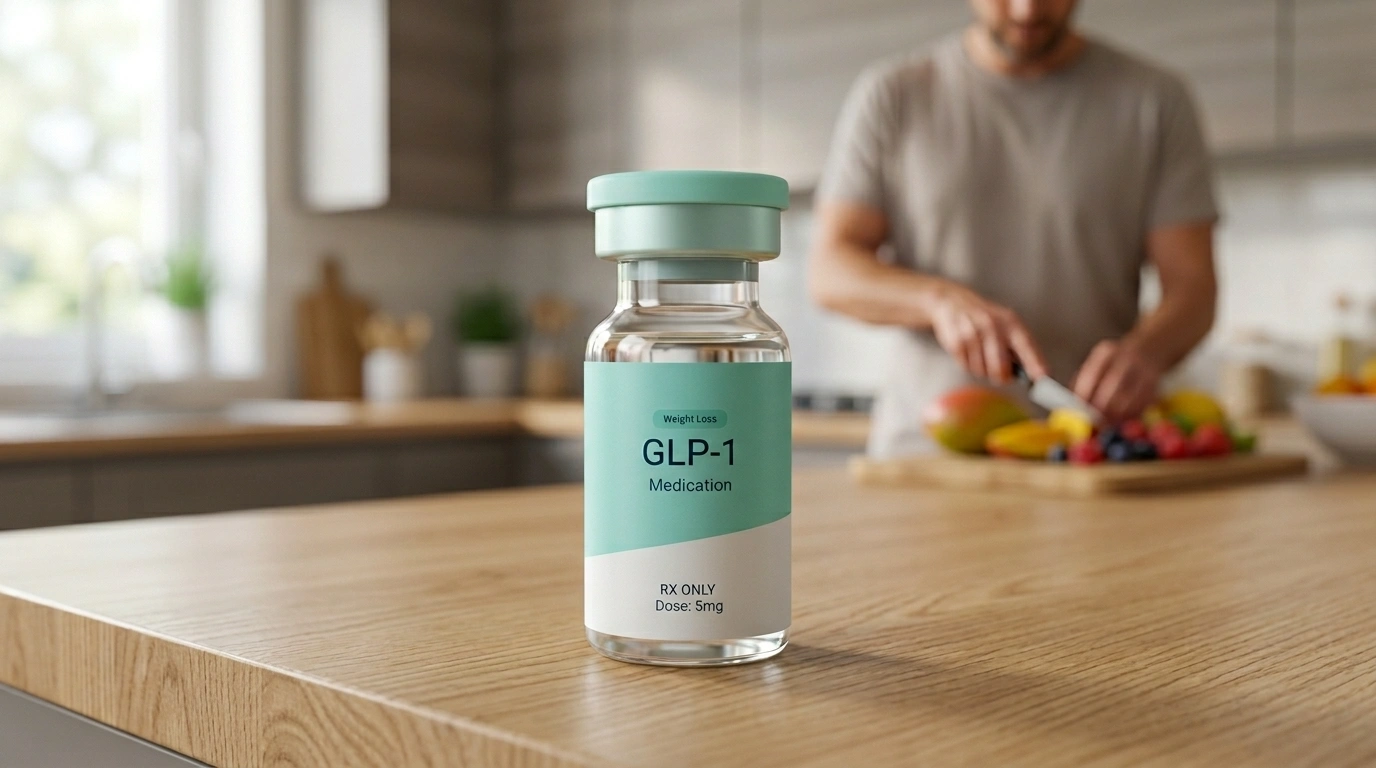
Finding a balance with food while taking weight loss medication can feel like a delicate tightrope walk. You might be at a birthday party or out for dinner and wonder if a single slice of cake will result in a night of discomfort. Many individuals starting their journey with Wegovy® report feeling physically ill after consuming high-sugar foods. This reaction is not a “punishment” from the medication, but rather a direct result of how the body’s digestive process changes. At TrimRx, we believe that understanding the biology behind these reactions is the first step toward a more comfortable and successful experience. This article will explain why sugar can cause nausea or distress, how GLP-1 medications interact with your metabolism, and how we help you navigate these dietary shifts through personalized support. Understanding these changes ensures you can manage your health without fear.
How Wegovy and Sugar Interact in Your Body
To understand why sugar might make you feel sick, it is necessary to understand what Wegovy® actually does. The medication is a GLP-1 receptor agonist. A GLP-1 (glucagon-like peptide-1) receptor agonist is a type of medicine that mimics a natural hormone in your body. This hormone performs several roles, but two are particularly important regarding sugar: it slows down your digestion and changes how your brain perceives hunger and fullness. A broader overview of how GLP-1 agonists work can help put these effects into context.
When you consume food, the GLP-1 pathway tells your stomach to empty its contents into the small intestine more slowly. This process is called delayed gastric emptying. Under normal circumstances, your stomach might process a sugary snack relatively quickly. However, when you are on this medication, that sugar sits in your stomach for a much longer period.
The Problem with Slow Digestion
Because the sugar remains in your stomach longer, it can begin to ferment or create osmotic pressure. In simpler terms, sugar attracts water. When a large amount of sugar sits in the digestive tract, it can pull water into the gut, leading to a “heavy” or bloated feeling. This often manifests as intense nausea or upper abdominal discomfort shortly after eating. For more detail, read about how GLP-1 medications slow digestion.
Furthermore, the slowed movement means that your digestive system is essentially “backed up.” If you add a high-volume, high-calorie, or high-sugar food on top of a system that is already working slowly, the result is often physical distress. Many patients describe this as a feeling of being “overly full” after only a few bites of a dessert.
Insulin and Blood Sugar Regulation
One of the primary functions of GLP-1 is to stimulate the pancreas to release insulin when blood sugar levels are high. When you eat a large amount of refined sugar, your blood glucose spikes. The medication encourages your body to manage this spike efficiently. However, the rapid rise and subsequent fall in blood sugar can leave you feeling shaky, fatigued, or dizzy—symptoms that many mistake for a direct “sickness” from the drug itself.
Key Takeaway: Sugar makes you feel sick on GLP-1 medications primarily because the drug slows down digestion, causing sugar to sit in the stomach longer and potentially lead to bloating, nausea, and osmotic imbalance.
Common Symptoms After Eating Sugar
Not everyone experiences the same reaction to sugar while on a GLP-1 regimen, but there are several common patterns. Understanding these symptoms can help you identify if a specific food is the culprit for your discomfort. You can also review this complete guide to semaglutide side effects for additional context.
Nausea and Vomiting
Nausea is the most frequently reported side effect of semaglutide (the active ingredient in Wegovy® and Ozempic®). Sugar can exacerbate this significantly. Because the medication already makes the brain more sensitive to signals of fullness, the “richness” of sugary foods can trigger the brain’s nausea center. For some, the mere smell or thought of a very sweet food can become off-putting.
Bloating and Gas
When sugar stays in the stomach or moves slowly into the large intestine, it provides a feast for gut bacteria. As these bacteria break down the sugars, they produce gas. This leads to the painful bloating and “sulfur burps” that some patients report. If you notice an increase in gas after eating sweets, it is a clear sign that your digestive speed is clashing with your sugar intake.
Diarrhea and “Dumping”
While “dumping syndrome” is most common after gastric bypass surgery, a similar effect can occur on GLP-1 medications. If the small intestine receives a concentrated load of sugar that it cannot process quickly, it may flush the system with water to compensate. This results in urgent, watery diarrhea. This is the body’s way of trying to move a substance out that it cannot handle in the moment.
Fatigue and “Sugar Crashes”
While not a digestive symptom, many people report feeling an “energy crash” after eating sugar on medication. Because the medication is working to stabilize your blood glucose, the typical “high” you get from sugar is blunted, but the metabolic effort required to process it remains. This can lead to a profound sense of lethargy or “brain fog.”
Why Your Cravings Might Change
Interestingly, many people find that they naturally want less sugar once they begin their treatment. This is due to the impact of GLP-1 on the brain’s reward system. Usually, eating sugar releases dopamine, the “feel-good” chemical that makes you want more. GLP-1 medications dampen this response. For another perspective, explore how GLP-1 medications may affect sugar cravings.
When the reward is removed, the “food noise”—those constant intrusive thoughts about treats or snacks—often disappears. If you try to eat sugar out of habit rather than true hunger, your body may respond with a “sickness” signal because the brain is no longer providing the dopamine buffer that used to make sugar consumption feel rewarding.
Myth: You must completely eliminate sugar to succeed on GLP-1 medication.
Fact: While large amounts of sugar often cause discomfort, many people can still enjoy small, infrequent portions of sweets as long as they listen to their body’s signals.
Managing Sugar Intake on Your Journey
If you find that sugar is making you sick, you do not have to live in a state of constant restriction. Instead, it is about shifting your approach to how and when you consume carbohydrates. At TrimRx, we emphasize that your program is a long-term lifestyle change, not a temporary fix. If you are considering prescription treatment, you can complete a free eligibility assessment.
Prioritize Complex Carbohydrates
Instead of refined sugars (like soda, candy, or white bread), focus on complex carbohydrates. These include fruits, vegetables, and whole grains. Because these foods contain fiber, the sugar is released more slowly into your system. This reduces the risk of the “water-pulling” effect in the gut and prevents the sharp insulin spikes that lead to nausea. For more practical guidance, see what to eat while taking a GLP-1 medication.
Practice “Micro-Dosing” Sweets
If you truly want a treat, try having a very small portion—two or three bites—after a meal that is high in protein and fiber. The protein and fiber act as a buffer, slowing the absorption of the sugar even further and protecting your stomach from the direct impact of the glucose.
Stay Hydrated
Nausea from sugar is often worsened by dehydration. When sugar pulls water into the gut, the rest of your body can become dehydrated. Drinking water consistently throughout the day can help mitigate some of the digestive distress associated with sugar intake.
Use Nutrient Support
For some, even a balanced diet needs a little extra help. We offer supplements like GLP-1 Daily Support, which is designed to help maintain digestive comfort and provide essential nutrients that may be lacking when your appetite is reduced. Supporting your gut health can make the transition to a GLP-1 lifestyle much smoother.
Identifying Hidden Sugars
Sometimes, you might feel sick even when you haven’t eaten a “dessert.” Sugar is often hidden in foods that we perceive as healthy or neutral. If you are experiencing unexplained nausea, check the labels of these common items:
- Condiments: Barbecue sauce, ketchup, and some salad dressings are very high in sugar.
- Yogurts: Flavored yogurts often contain as much sugar as a candy bar.
- Protein Bars: Many bars are marketed as health food but use sugar alcohols or high amounts of cane sugar.
- Beverages: “Healthy” smoothies or juice blends can contain 40-50 grams of sugar in a single serving.
When you are on a program through a platform like TrimRx, we encourage you to look at the whole picture of your nutrition. Small adjustments to these hidden sources can drastically improve how you feel on a daily basis.
When to Consult a Healthcare Provider
While some discomfort after eating sugar is common, it is important to know when a reaction is more serious. You should always speak with a licensed healthcare provider if you experience:
- Persistent vomiting that prevents you from keeping fluids down.
- Severe, localized abdominal pain that does not go away.
- Signs of severe dehydration, such as extreme thirst or dark urine.
- A complete inability to tolerate any food for more than 24 hours.
Your medical provider can help determine if your dosage needs adjustment or if your symptoms are unrelated to your medication. Personalized medical supervision is a cornerstone of a safe weight loss journey. If nausea persists, review these strategies for managing ongoing GLP-1 nausea.
How TrimRx Supports Your Success
The journey to metabolic health is about more than just a prescription. It is about understanding how your body is changing and having the resources to adapt. We provide a telehealth-first experience that connects you with licensed providers who understand these nuances.
By participating in our program, you gain access to a comprehensive service model. This includes your doctor consultations and unlimited support to answer questions exactly like “Why does sugar make me feel this way?” We believe that no one should have to guess their way through weight loss. Our goal is to help you build a sustainable relationship with food where you feel empowered, not restricted.
Whether you are prescribed Compounded Semaglutide or are interested in branded options like Wegovy® or Zepbound®, the core of our approach remains the same: a personalized health profile leads to better outcomes. We also offer quick-access supplements for those who want to support their metabolism without a prescription program. To explore whether treatment may be appropriate for you, find out if GLP-1 medications are right for you.
Conclusion
Eating sugar on Wegovy® can indeed make you feel sick, but it is a manageable side effect of a very effective biological process. The slowed digestion and altered hormonal signals are signs that the medication is working to regulate your metabolism. By choosing whole foods, practicing portion control with sweets, and utilizing support tools, you can minimize discomfort.
Our mission is to help you navigate these changes with empathy and science-backed guidance. Weight loss is a journey of rediscovering what your body needs to thrive. We are here to provide the clinical expertise and dedicated support you need to make that journey a success.
Next Step: To see if a personalized weight loss program is right for you, take our free assessment quiz today and start your journey with a dedicated team of specialists.
FAQ
Why does sugar cause nausea while on Wegovy?
Sugar causes nausea because GLP-1 medications slow down the rate at which your stomach empties. This causes high-sugar foods to sit in the digestive tract longer than usual, leading to fermentation, gas, and a feeling of extreme fullness that triggers the brain’s nausea center. You can also read about why semaglutide causes nausea for more information.
Can I ever eat dessert if I am on a GLP-1 medication?
Yes, you can still enjoy sweets, but most people find they need to significantly reduce the portion size. Eating a few small bites of a dessert after a high-protein meal is often much better tolerated than eating a large sugary treat on an empty stomach.
Is the “sugar sickness” permanent?
For many people, the sensitivity to sugar is most intense during the first few weeks of treatment or when increasing their dosage. Over time, your body may adapt, and you will also learn which specific foods and portions your system can handle without distress.
Does fruit sugar (fructose) have the same effect as refined sugar?
Natural sugar in fruit is usually much better tolerated because fruit also contains fiber. Fiber slows the digestion and absorption of sugar, which prevents the rapid spikes and digestive backups that lead to feeling sick.
Disclaimer: This content is for informational purposes only and does not constitute medical advice. It is not intended to diagnose, treat, cure, or prevent any disease or condition. Individual results may vary. Always consult a qualified healthcare professional before starting any weight loss program or medication.

Transforming Lives, One Step at a Time
Keep reading
Can the Wegovy Pill Hold the Weight You Lost on Semaglutide Injections?
Most likely yes, once you reach the maintenance dose. The risk is not the destination but the trip: switching means restarting titration on the…

Wegovy Alternatives: What Else Works for Weight Loss
If Wegovy isn’t working out, the strongest alternative is tirzepatide (Zepbound), which tends to produce more weight loss, followed by other GLP-1 options and…

VK2735 vs Wegovy: Investigational Contender vs Proven Semaglutide
VK2735 and Wegovy sit at different stages of development. VK2735, an investigational drug from Viking Therapeutics, comes in both injectable and oral forms and…


