How Long Does Food Stay in Your Stomach on Wegovy?
Introduction
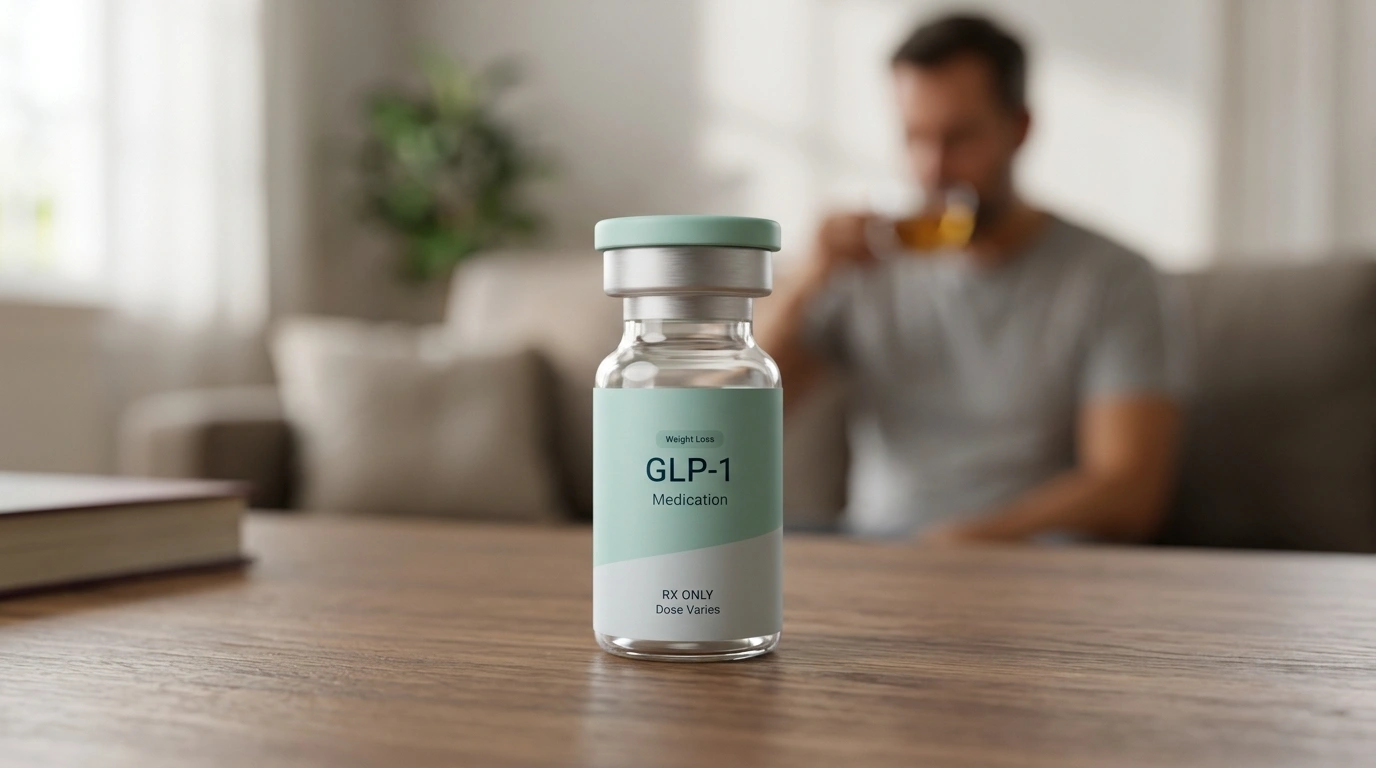
If you have recently started a weight loss journey using a GLP-1 treatment, you may have noticed a strange sensation: you feel full for hours, or even a full day, after a relatively small meal. This isn’t just in your head. One of the primary ways that Wegovy® (semaglutide) helps people lose weight is by physically changing the speed of your digestive system. At TrimRx, we believe that understanding the biology behind your treatment is the first step toward a more comfortable and successful experience. This article will explain exactly how the medication interacts with your gut, how long food typically remains in your stomach during treatment, and what you can do to manage the unique sensations that come with a slower digestive pace. By learning the mechanics of delayed gastric emptying, you can better navigate your personalized program and take the free assessment quiz to see what next step makes sense for you.
The Science of Delayed Gastric Emptying
To understand how long food stays in your stomach while taking Wegovy®, we must first look at the role of GLP-1. Glucagon-like peptide-1 support is a hormone that your body naturally produces in the intestines. It serves several roles, including signaling the brain that you are full and prompting the pancreas to release insulin. However, one of its most significant functions is regulating “gastric emptying,” which is the process of food moving from your stomach into the small intestine.
Wegovy® is a GLP-1 receptor agonist. This means it mimics the natural hormone but stays in your system much longer. When these receptors in the digestive tract are activated, they send a signal to the stomach muscles to slow down their contractions. This mechanical slowing ensures that food is processed more deliberately.
Quick Answer: On average, a standard meal takes about 2 to 4 hours to leave the stomach in a healthy adult. When taking a GLP-1 medication like Wegovy®, this process can be significantly delayed, often keeping food in the stomach for several additional hours, and in some cases, much longer depending on the meal composition and dosage.
The delay is most pronounced in the first few months of treatment or following a dose increase. This is why many people report feeling “stuffed” after only a few bites. The stomach is quite literally holding onto the food longer to allow for a slower, more controlled release of nutrients into the bloodstream.
How Long Does Food Actually Stay?
While there is no single “timer” that applies to everyone, clinical observations and studies on semaglutide provide a general framework for what to expect. In a typical digestive cycle without medication, about 50% of stomach contents empty within 90 minutes to two hours. Total emptying usually occurs within four hours.
When taking Wegovy®, research suggests that the rate of gastric emptying can be delayed by 25% to 50% during the initial stages of treatment. For some individuals, especially those on higher maintenance doses, a meal that would normally move on in three hours might remain in the stomach for six to eight hours.
The Role of Macronutrients
Not all food moves at the same speed. The type of food you eat plays a massive role in how long it lingers:
- Liquids: These typically exit the stomach the fastest, even on medication. Protein shakes or soups may move through in a few hours.
- Simple Carbohydrates: Foods like white bread or crackers are processed relatively quickly, though still slower than they would be without the medication.
- Proteins: These require more acid and muscular action to break down, leading to a longer stay in the stomach.
- Fats: Fat is the slowest macronutrient to digest. High-fat meals (like fried foods or heavy creams) significantly trigger the “ileal brake,” a mechanism that tells the stomach to stop emptying. On Wegovy®, a high-fat meal can stay in the stomach for a duration that feels uncomfortable, sometimes leading to next-day fullness.
Key Takeaway: The medication slows the mechanical “churning” of the stomach, meaning heavy or complex meals will stay in your system significantly longer than light, liquid-based nutrition.
Why the Body Slows Down
It might seem counterintuitive to slow down a bodily process, but this delay serves a vital purpose in your weight loss journey. The primary goal is to increase “satiety,” which is the feeling of being satisfied and full.
When food stays in the stomach longer, the stretch receptors in the stomach wall continue to send “full” signals to the vagus nerve, which leads directly to the brain’s appetite center. This creates a physical barrier to overeating. You are not just relying on willpower; your body is physically telling you that it has no more room.
Furthermore, this delay helps stabilize blood sugar. By trickling glucose into the small intestine at a slower rate, the medication prevents the sharp “spikes” and “crashes” in blood sugar that often trigger cravings for sugary or high-calorie snacks. This steady state makes it much easier for many people to stick to their nutritional goals.
Managing the Side Effects of Slower Digestion
Because the food is sitting in the stomach longer, it is exposed to stomach acid for an extended period. This can lead to some of the most common side effects associated with GLP-1 treatments. Many patients find that their journey with us at TrimRx is much smoother when they learn to manage these digestive changes proactively.
Common Digestive Sensations
- Nausea: This often happens when the stomach is too full or when it is trying to process heavy foods that are sitting still.
- Acid Reflux: When food lingers, the pressure in the stomach can push acid back up into the esophagus, especially when lying down.
- “Sulfur Burps”: When protein sits in the stomach for an extended time, it can begin to break down in a way that releases gas, often tasting like sulfur or hard-boiled eggs.
- Early Satiety: Feeling full after just a few bites of food.
Myth: “A slow stomach means the food is rotting inside you.” Fact: The food is not rotting; it is being digested at a controlled, slower pace. Your stomach continues to produce acid and enzymes to process the food, though the transit time to the next stage of digestion is simply extended.
Strategies for Comfort
To minimize these issues, we recommend adjusting your eating habits to match your new digestive speed. Step 1: Reduce portion sizes. Since food stays longer, your “capacity” at any given moment is smaller. Aim for the size of your fist or smaller. Step 2: Eat slowly. Giving your body time to register the “full” signal can prevent you from eating those “two extra bites” that cause discomfort later. Step 3: Prioritize hydration. Water helps move food along, but try not to drink too much during the meal itself, as this can add volume to an already slow-moving stomach.
When Slow Digestion Becomes a Concern
While delayed gastric emptying is a feature of the medication, in very rare cases, the stomach can slow down too much. This is a medical condition known as gastroparesis. It is important to distinguish between the normal, intended slowing of the medication and a more serious complication.
If you experience persistent vomiting of undigested food eaten many hours (or even a day) prior, severe abdominal pain, or a total inability to keep down liquids, you must consult a healthcare provider immediately. We ensure our members have access to specialist support to help monitor these symptoms and adjust treatment plans if necessary.
Note: If you have a history of gastroparesis or severe digestive disorders, ensure you disclose this during your initial consultation, as it may affect your eligibility for certain medications.
The TrimRx Approach to Personalized Care
We recognize that every body reacts differently to GLP-1 medications. Some people may experience a mild slowing of digestion, while others may feel the effects quite intensely. This is why a “one-size-fits-all” approach to weight loss often fails.
Our platform connects you with licensed providers who can tailor your program based on your unique health profile. Whether you are using a branded medication or a compounded semaglutide, having professional guidance is essential. Our specialists can help you manage your dosage or suggest supplements like Weight Loss Boost to support your metabolism while your digestion adapts to the medication.
Lifestyle Adjustments for Success
Adapting to a slower digestive system requires a shift in how you view mealtime. It is no longer about finishing a plate; it is about fueling your body in a way that respects its current pace.
The Importance of “Closing the Kitchen” Early
Because food stays in your stomach for several hours, eating a large meal late at night can lead to poor sleep and morning nausea. Try to have your last significant meal at least three to four hours before you plan to lie down. This gives your stomach a “head start” on moving that food into the small intestine before gravity is no longer on your side.
Choosing the Right Foods
Focus on nutrient-dense, easy-to-digest options. Well-cooked vegetables are often easier on the stomach than raw ones. Lean proteins like fish or chicken are generally better tolerated than fatty steaks or pork. If you find you are struggling to get enough nutrients because you feel full too quickly, consider high-quality protein supplements or a product like GLP-1 Daily Support to ensure your body gets what it needs during this transition.
| Feature | Standard Digestion | Digestion on Wegovy® |
|---|---|---|
| Initial Emptying | 50% gone in 90-120 mins | 50% gone in 3-5 hours |
| Total Emptying | 4 hours | 6-10+ hours |
| Satiety Level | Fades after 3-4 hours | Persists for 6-8+ hours |
| Blood Sugar | Higher spikes after meals | More stable, slower rise |
Long-term Expectations
As your body adjusts to the medication over several months, the intensity of the delayed gastric emptying may slightly diminish. This is known as “tachyphylaxis,” where the body becomes more accustomed to the presence of the drug. However, the appetite-suppressing effects generally remain effective enough to support significant weight loss.
Consistency is key. By working with your provider and sticking to a personalized plan, you can turn these biological changes into a powerful tool for long-term health. The goal of using our platform is to move away from the “yo-yo” dieting cycle and into a sustainable lifestyle where your biology and your habits are finally in alignment.
Conclusion
The sensation of food lingering in your stomach is a direct result of how Wegovy® interacts with your body’s GLP-1 receptors. While it can take some time to get used to feeling full for six to eight hours or more, this mechanism is a cornerstone of why these medications are so effective for weight management. By slowing down the digestive process, your body is better able to manage hunger signals and stabilize blood sugar.
At TrimRx, our mission is to support you through these transitions with science-backed guidance and a compassionate, personalized approach. We are here to help you navigate every step of the process, from your first dose to your ultimate health goals. If you are ready to see how a medically supervised, telehealth-based program can change your relationship with food, the first step is simple.
Bottom line: Expect food to stay in your stomach roughly twice as long as usual. Adjusting your meal size and timing will help you stay comfortable while the medication does the heavy lifting for your metabolism.
Take our free assessment quiz today to explore your options and start your personalized weight loss journey with us.
FAQ
Can I speed up my digestion if I feel too full on Wegovy®?
While you cannot change how the medication affects your stomach muscles, you can aid the process by staying hydrated and moving your body gently, such as taking a walk after meals. Avoiding high-fat and high-fiber foods, which naturally slow digestion further, can also help prevent the feeling of excessive fullness.
Is it normal to still feel full the morning after eating?
Yes, it is quite common for individuals on GLP-1 medications to feel full the next morning, especially if the previous evening’s meal was large or high in fat. This is a sign that the medication is effectively delaying gastric emptying, though you may want to eat a smaller or earlier dinner to improve morning comfort.
Does the slow digestion cause constipation?
Because the entire digestive tract, not just the stomach, can slow down, constipation is a common side effect of GLP-1 treatments. Increasing your water intake and ensuring you get adequate movement can help keep things moving through the lower intestines.
Will my digestion ever return to its normal speed?
Gastric emptying typically returns to its baseline rate once the medication has been fully cleared from your system. For most patients, this happens within a few weeks of stopping the medication, although the exact timing depends on the specific drug’s half-life and the dose you were taking.
What if I want extra nutritional support while I adjust?
If you are looking for added support during this transition, GLP-1 Daily Support is designed to help complement your routine.
Where can I learn more about starting a program?
If you want to understand how TrimRx builds a personalized plan, how to get GLP-1 for weight loss explains the process from start to finish.
Disclaimer: This content is for informational purposes only and does not constitute medical advice. It is not intended to diagnose, treat, cure, or prevent any disease or condition. Individual results may vary. Always consult a qualified healthcare professional before starting any weight loss program or medication.

Transforming Lives, One Step at a Time
Keep reading
Can the Wegovy Pill Hold the Weight You Lost on Semaglutide Injections?
Most likely yes, once you reach the maintenance dose. The risk is not the destination but the trip: switching means restarting titration on the…

Wegovy Alternatives: What Else Works for Weight Loss
If Wegovy isn’t working out, the strongest alternative is tirzepatide (Zepbound), which tends to produce more weight loss, followed by other GLP-1 options and…

VK2735 vs Wegovy: Investigational Contender vs Proven Semaglutide
VK2735 and Wegovy sit at different stages of development. VK2735, an investigational drug from Viking Therapeutics, comes in both injectable and oral forms and…


