What Happens If You Inject Wegovy In The Wrong Spot?
Introduction
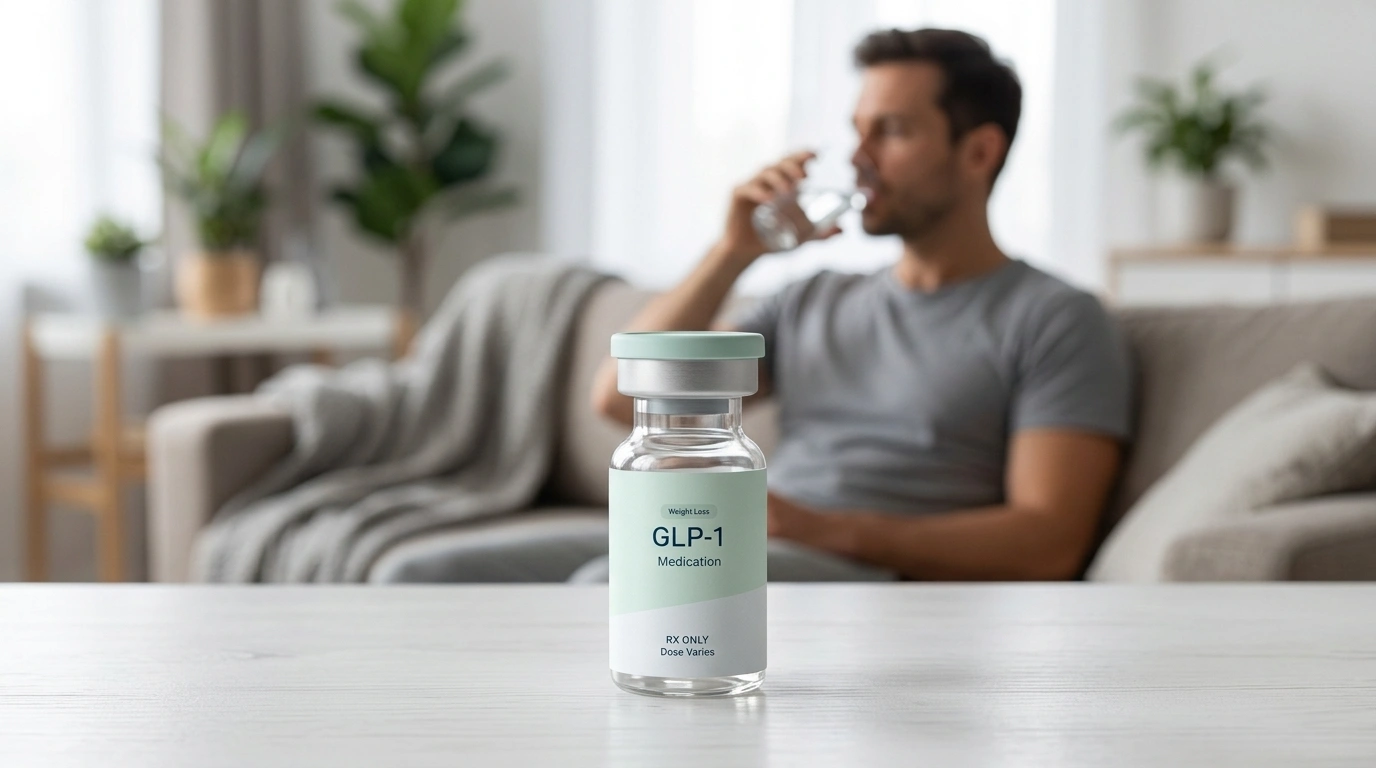
That moment of hesitation before a self-injection is something many people experience. You may have found yourself staring at the pen, wondering if you have positioned it correctly, or perhaps you just finished an injection and realized it was not in the recommended zone. These concerns are common for those using Wegovy® (semaglutide), a prescription medication used for chronic weight management. At TrimRx, we understand that transitioning to a self-injectable medication comes with a learning curve and plenty of questions about safety and efficacy. This article covers the physical and clinical implications of injecting in a non-recommended area, how the location affects medication absorption, and what steps you should take if an injection does not go as planned. By understanding the science behind the “right” spots, you can feel more confident in your weight loss journey.
The Science of Subcutaneous Injections
Wegovy® belongs to a class of drugs known as GLP-1 receptor agonists. GLP-1, or glucagon-like peptide-1, is a hormone naturally produced in the gut that signals the brain to feel full and helps the body manage blood sugar levels. For this medication to work effectively, it must be absorbed slowly and steadily into the bloodstream. This is why it is designed as a subcutaneous injection—meaning it is meant to be delivered into the fatty tissue layer just beneath the skin but above the muscle. For additional guidance, review this complete guide to GLP-1 injection sites.
The subcutaneous fat layer has fewer blood vessels than muscle tissue. This lack of dense vascularization is intentional. It allows the medication to be absorbed at a controlled pace, maintaining a consistent level of semaglutide in your system throughout the week. When you inject into the “wrong” spot, such as directly into a muscle or a vein, you bypass this controlled release mechanism, which can alter how the medication behaves in your body.
The Three Approved Injection Sites
To ensure the best results, healthcare providers and the medication manufacturer recommend three specific areas for injection. These zones were selected because they typically contain a sufficient layer of subcutaneous fat and are easily accessible for self-administration. You can also review this guide to semaglutide injection locations and techniques.
The Abdomen
The stomach area is often the preferred choice for many. It offers a large surface area of fatty tissue. When using this site, it is important to stay at least two inches away from the belly button (umbilicus). The tissue directly around the navel is often tougher and contains more blood vessels, which can lead to increased bruising or discomfort.
The Front of the Thighs
The top and outer areas of the thighs are excellent alternatives. This area is particularly useful for individuals who may feel uncomfortable injecting into their abdomen. It is important to avoid the inner thigh or the area too close to the knee, where the skin is thinner and the muscle is closer to the surface.
The Outer Upper Arm
The back or side of the upper arm can also be used. However, this site is generally more difficult for self-injection and may require the assistance of a caregiver or partner to ensure the needle enters the skin at the correct angle and depth.
Quick Answer: If you inject into a non-recommended area, the medication may be absorbed too quickly or too slowly, potentially increasing side effects or reducing the dose’s effectiveness. In most cases, a single misplaced injection is not a medical emergency, but you should monitor for unusual symptoms and consult your provider.
If you are considering a prescription weight management program, you can complete a free eligibility assessment.
What Happens if You Hit a Muscle?
One of the most common concerns is accidentally injecting into muscle tissue, known as an intramuscular injection. This usually happens if an individual is very lean or if they press the pen too firmly against the skin.
Because muscle tissue has a significantly higher blood flow than fat, the medication may enter the bloodstream much faster than intended. This rapid absorption can lead to a “spike” in medication levels. While this is unlikely to be life-threatening, it may result in a sudden onset of more intense gastrointestinal side effects, such as:
- Acute nausea
- Vomiting
- Increased heart rate
- Dizziness
If you suspect you have hit a muscle, do not attempt to “correct” the dose by taking more medication. Instead, stay hydrated and monitor how you feel over the next 24 to 48 hours. If you need help understanding whether GLP-1 treatment may be appropriate for you, take the free assessment quiz.
Injecting into Scar Tissue or Lumps
Repeatedly injecting into the exact same spot can lead to a condition called lipohypertrophy. This is characterized by the development of firm lumps of fatty tissue under the skin. If you inject into these lumps or into existing scar tissue from surgeries or injuries, the medication will not be absorbed predictably. This guide to rotating semaglutide and tirzepatide injection sites provides additional context.
Scar tissue is dense and lacks the consistent blood flow found in healthy subcutaneous fat. This can lead to a “diminished dose” effect, where the medication stays trapped in the tissue rather than entering your system. To avoid this, you should always rotate your injection sites. For example, if you use your right thigh one week, move to the left thigh or the abdomen the following week.
What is a “Wet Dose” and Why Does It Happen?
Sometimes, an injection is “wrong” not because of the body part chosen, but because of the depth. If the needle does not penetrate deep enough, the medication may be deposited just under the surface of the skin (intradermal) or may leak back out entirely. This is often referred to as a “wet dose.”
If you see liquid on your skin after removing the pen, it means you did not receive the full amount of medication. This usually occurs if the pen is removed too quickly or if the skin is not held taut during the process.
What to do after a wet dose:
- Do not inject another dose immediately.
- Note the occurrence in a health journal or app.
- Wait until your next scheduled dose to try again.
- Consult your healthcare provider if you notice a significant return of hunger or a stall in progress.
Injecting Near a Vein or Blood Vessel
While the needles used for GLP-1 medications are very short and thin, it is possible to hit a small superficial vein or capillary. If this happens, you might notice immediate bruising or a small amount of bleeding at the site.
In the rare event that the medication enters a vein directly, the semaglutide will reach peak levels in the blood almost instantly. This is not the intended delivery method, and it may cause temporary lightheadedness or nausea. However, because the needles are designed for subcutaneous use, the risk of hitting a major vein is extremely low when using the approved injection sites.
Key Takeaway: Proper injection technique is just as important as the medication itself. Always prioritize rotating sites and ensuring the needle reaches the subcutaneous fat layer to maintain consistent medication levels and minimize side effects.
The Psychological Impact of Injection Mistakes
The fear of doing something “wrong” can create significant anxiety. This stress can sometimes manifest as physical symptoms—like a racing heart or a “sinking” feeling in the stomach—that are easily confused with a reaction to the medication.
It is important to remember that these medications are designed with safety in mind. The pens are engineered to be user-friendly, and the needles are sized specifically to limit the risk of deep-tissue injury. Most “mistakes” in injection location result in nothing more than a temporary bruise or a slightly less effective week of treatment.
Our platform focuses on providing a supportive environment where these concerns can be addressed. Through TrimRx, we connect you with licensed providers who can offer clarity on administration techniques, ensuring you feel empowered rather than intimidated by your treatment plan.
Step-by-Step for a Perfect Injection
To avoid the “wrong spot” entirely, follow this standardized process for every dose. Consistency is the best tool for preventing administration errors. This step-by-step semaglutide injection guide can help reinforce the process.
- Step 1: Inspect the medication. / Ensure the liquid is clear and colorless. If it is cloudy or contains particles, do not use it.
- Step 2: Choose and clean the site. / Select a fatty area on the abdomen, thigh, or upper arm. Clean the skin with an alcohol swab and let it air dry completely.
- Step 3: Position the pen. / Hold the pen at a 90-degree angle to the skin. You do not need to “pinch” the fat unless you are very lean, but the skin should be firm.
- Step 4: Confirm the click. / Press the pen down firmly until you hear the click, then hold it in place for the full count recommended in the medication’s instructions (usually 6 to 10 seconds).
- Step 5: Check the window. / Ensure the yellow bar or dose indicator has moved completely, signifying the dose is finished.
Managing Site Reactions
Even when you inject in the “right” spot, you may experience a local skin reaction. This is different from injecting in the “wrong” spot. A site reaction is an immune response to the needle or the medication itself.
Symptoms of a typical site reaction include:
- Redness or itching at the puncture point
- A small, firm knot that disappears in a few days
- Mild tenderness
If you experience these, you might find relief by using a cold compress on the area before or after the injection. If you notice a rash that spreads, hives, or difficulty breathing, seek medical attention immediately, as these could be signs of an allergic reaction. For those looking to support their overall skin health and metabolic function during treatment, our GLP-1 Daily Support supplement can be a helpful addition to your routine.
How Site Rotation Improves Long-Term Success
Many people find a “favorite” spot that feels less painful and tend to stick with it. However, long-term success with Wegovy® or Compounded Semaglutide depends on healthy tissue. If you use the same square inch of skin every week, the tissue becomes “tough,” which slows down medication absorption. See this practical guide to the best semaglutide injection sites for more site-selection guidance.
We recommend using a “clock” method for the abdomen. Imagine a clock face around your belly button and move the injection site two “hours” every week. Alternatively, switch legs every week. This gives each area at least a month to recover fully before it is used again.
Bottom line: While injecting Wegovy® in a non-approved spot may cause temporary discomfort or altered absorption, it is rarely a reason for panic. Focus on rotating sites and following proper subcutaneous technique to ensure your personalized program remains effective.
When to Contact Your Healthcare Provider
While most injection errors are minor, there are certain situations where you should seek professional guidance. Transparency with your medical team is a core part of the experience we facilitate.
Contact a provider if:
- You experience severe, persistent vomiting or abdominal pain that does not subside after 24 hours.
- You notice signs of infection at the injection site, such as heat, pus, or streaks of red.
- You accidentally injected a much higher dose than prescribed.
- You have a history of severe allergies to any of the ingredients in the medication.
Our mission is to help you navigate these moments with clinical expertise and empathy. We believe that weight loss is not just about the medication, but about the total support system surrounding it. By choosing a program that offers 24/7 access to specialists, you ensure that no question—even one about a misplaced needle—goes unanswered.
Enhancing Your Journey Beyond the Injection
Successful weight management is a multi-layered process. While getting the injection technique right is a foundational step, optimizing your metabolic health involves looking at the bigger picture. This includes nutrition, hydration, and targeted supplementation.
Many individuals find that supporting their body with specific nutrients can make the transition to GLP-1 medications smoother. For instance, our Weight Loss Boost supplement is designed to work alongside your program to help maintain energy levels and support metabolic efficiency. When combined with a personalized plan and consistent injection habits, these tools help create a sustainable path toward your health goals.
Conclusion
Injecting Wegovy® in the wrong spot—whether it is too close to the navel, into a muscle, or into scar tissue—is a common mistake that is usually manageable. While it may lead to a temporary increase in side effects or a slight change in how well the medication works that week, the body is resilient. The key is to learn from the experience, refine your technique, and continue moving forward with your treatment plan.
At TrimRx, we are dedicated to providing the tools and medical supervision necessary for a safe and effective weight loss experience. We combine clinical rigor with a modern, telehealth-first approach to ensure you never feel alone in your journey. Whether you are using branded medications or Compounded Semaglutide, our goal is to help you achieve lasting results through science and support.
If you are ready to take the next step in your health journey, we invite you to take our free assessment quiz to see which personalized program is right for you.
FAQ
What should I do if I see blood after my injection?
A small drop of blood is normal and usually means you hit a tiny capillary near the skin’s surface. Simply blot the area with a clean tissue or cotton ball; it does not mean the medication has leaked out or that you did anything dangerous.
Can I inject Wegovy® into my stomach if I have stretch marks?
It is best to avoid injecting directly into stretch marks, as the tissue there may be thinner or have different absorption characteristics. Try to find a clear area of skin within the recommended abdominal zone for the most consistent results.
Does the injection hurt more in certain spots?
Pain perception varies, but many people find the abdomen to be the least painful site because it typically has more fatty tissue and fewer nerve endings than the arm or thigh. Rotating sites can also help prevent any one area from becoming overly sensitive.
Will the medication still work if I inject it into my muscle?
The medication will still work, but it may be absorbed into your system much faster than intended. This could lead to a temporary increase in side effects like nausea, and the medication might not stay in your system as effectively throughout the entire week. If you are considering a medically supervised GLP-1 program, you can see if you qualify for a personalized program.
Disclaimer: This content is for informational purposes only and does not constitute medical advice. It is not intended to diagnose, treat, cure, or prevent any disease or condition. Individual results may vary. Always consult a qualified healthcare professional before starting any weight loss program or medication.

Transforming Lives, One Step at a Time
Keep reading
Horseback Riding on Wegovy or Ozempic
For a lot of people, horseback riding is one of the activities weight once put out of reach. Stables and trail outfitters set rider…
Should You Suggest Wegovy to a Family Member?
When a treatment changes your life, you want the people you love to have the same chance. Maybe your sister has struggled with her…
Injecting Wegovy With Stiff or Shaky Hands
A weekly injection takes a minute for most people. If you have arthritis in your hands, a tremor, weak grip strength, or numb fingers,…


