Does Zepbound Make You Vomit? Tips for Managing Nausea
Introduction
Starting a new weight loss medication often brings a mix of excitement and apprehension. You have likely heard the success stories regarding significant weight reduction, but you may also have concerns about how your body will react. One of the most common questions for those starting tirzepatide—the active ingredient in Zepbound®—is whether the medication causes significant stomach upset. Specifically, many wonder: does Zepbound make you vomit? While nausea and gastrointestinal discomfort are among the most frequently reported side effects, actual vomiting is less common and often manageable with the right approach. At TrimRx, we believe that understanding the “why” behind your body’s reactions is the first step toward a successful and sustainable health transformation. This article explores why these side effects occur, how often they lead to vomiting, and the practical steps you can take to minimize discomfort while staying on track with your goals.
The Relationship Between Tirzepatide and Your Digestive System
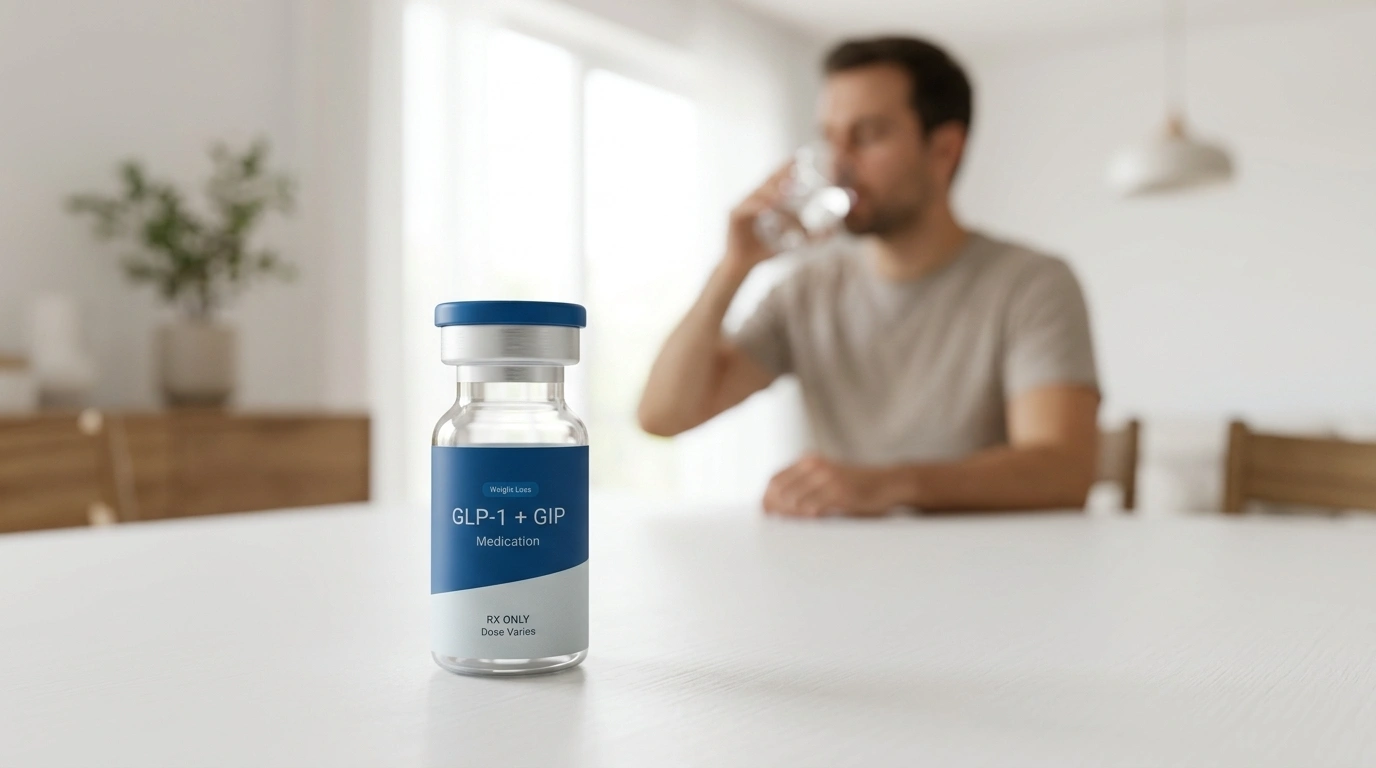
To understand why you might feel nauseous, it is helpful to understand how the medication works. Zepbound® is a dual-receptor agonist. This means it mimics two natural hormones in your body: glucagon-like peptide-1 (GLP-1) and glucose-dependent insulinotropic polypeptide (GIP). These hormones are naturally released by your intestines after you eat to signal to your brain and stomach that you are full.
Quick Answer: While nausea is a common side effect of Zepbound®, actual vomiting occurs in a smaller percentage of patients. These symptoms are typically mild to moderate, occur most often when increasing a dose, and generally subside as the body adjusts to the medication.
One of the primary ways these hormones help with weight loss is by slowing down gastric emptying. This is the scientific term for the speed at which food leaves your stomach and enters your small intestine. When this process slows down, you feel fuller for a longer period, which helps reduce overall calorie intake. However, because food stays in the stomach longer, it can sometimes lead to feelings of heaviness, bloating, or nausea. If the stomach feels overly full or if the “fullness” signals to the brain are particularly strong, the body may occasionally respond with a vomiting reflex. For more context, read about how long after a Zepbound injection nausea may start.
How Common is Vomiting on Zepbound?
Clinical trials provide a clear picture of what the average person might experience. In these studies, nausea was the most frequently reported side effect, affecting a significant portion of participants. However, the data shows that actual vomiting occurs much less frequently than nausea. Most people who experience these symptoms find they are “dose-dependent.” This means the side effects are most likely to appear shortly after you start the medication or immediately after your healthcare provider increases your dosage. You can also review this tirzepatide side effects guide for a broader overview.
For most individuals, these digestive issues are temporary. The body is remarkably adaptable and usually begins to tolerate the increased hormone levels within a few days or weeks. It is important to remember that everyone’s biology is unique. Some people experience no side effects at all, while others may need to be more proactive in managing their digestive health during the early stages of their program.
Why Tirzepatide Can Cause Gastric Distress
The sensation of nausea or the urge to vomit is often the result of the medication’s direct impact on the “vomiting center” of the brain and its physical effect on the gut. Because tirzepatide targets receptors in the brain that regulate appetite, it can occasionally trigger the area responsible for the nausea reflex.
Furthermore, the slowed digestion means that if you eat a large meal, your stomach may become uncomfortably distended. In a body not taking a GLP-1 or GIP medication, the stomach would empty at a standard rate. On Zepbound®, that same large meal sits longer, which can lead to acid reflux, indigestion, and eventually, vomiting if the system feels overwhelmed. Understanding this mechanism is vital because it highlights that how and what you eat can directly influence how you feel. For additional guidance, see what to do for nausea from Zepbound.
The Importance of the Titration Schedule
Healthcare providers use a method called “titration” to help your body get used to the medication. This involves starting at a very low dose and gradually increasing it over several months. This slow ramp-up is specifically designed to minimize side effects like vomiting.
If you skip a dose or try to move to a higher dose too quickly, the risk of severe nausea increases significantly. Following the prescribed schedule allows your brain and digestive tract to recalibrate to the new hormone levels. If you find that a particular dose is causing persistent vomiting, it is a sign that your body may need more time at a lower dose before moving up.
Key Takeaway: Nausea and vomiting are most common during the first few weeks of treatment and after dose increases. Following a gradual titration schedule is the most effective way to minimize these side effects as the body builds tolerance.
Dietary Adjustments to Reduce Nausea
What you put on your plate plays a massive role in whether or not you experience vomiting. Since your digestion is slower, certain foods are much harder for the stomach to process.
Avoid High-Fat and Fried Foods Fatty foods take the longest to digest. When combined with the medication’s effect of slowing the stomach, high-fat meals can sit for an extended period, leading to intense nausea or greasy reflux. Choosing lean proteins like chicken, fish, or tofu can make a significant difference.
Prioritize Smaller, Frequent Meals Instead of three large meals, try eating five or six very small portions throughout the day. This prevents the stomach from becoming overly full at any one time, which reduces the physical pressure that often triggers vomiting.
Listen to Your Satiety Cues The medication will change how you perceive hunger. One of the most common reasons people vomit on these medications is that they continue to eat past the point of fullness out of habit. Stop eating the moment you feel “satisfied,” even if there is food left on your plate.
Hydration and Electrolytes: Why They Matter
When you feel nauseous, the last thing you might want to do is drink water. However, staying hydrated is critical. Dehydration can actually worsen feelings of nausea, creating a difficult cycle to break. Furthermore, if you do experience an episode of vomiting, you lose vital fluids and minerals known as electrolytes. Learn more about hydration and weight loss.
Sipping on water throughout the day is better than gulping large amounts at once, which can trigger a gag reflex in a sensitive stomach. Many people find that adding an electrolyte powder or drinking bone broth helps maintain their energy levels and keeps nausea at bay. If you are struggling with keeping fluids down, focus on small sips every ten to fifteen minutes.
Lifestyle Tweaks for Better Tolerance
Beyond what you eat, how you live your daily life can influence your comfort levels. Simple changes to your routine can help settle a restless stomach:
- Stay Upright After Meals: Do not lie down immediately after eating. Gravity helps keep food moving through the digestive tract. Try to wait at least two to three hours after your last meal before going to bed.
- Fresh Air and Gentle Movement: While intense exercise might feel impossible when you are nauseous, a slow walk in the fresh air can help stimulate digestion and distract the brain from feelings of unease.
- Ginger and Peppermint: Natural remedies like ginger tea, ginger chews, or peppermint tea have been used for centuries to soothe the stomach and are generally safe to use alongside weight loss medications.
Managing Side Effects with Personalized Support
Navigating the side effects of weight loss medication is easier when you have a dedicated team behind you. At TrimRx, we connect you with licensed healthcare providers who specialize in metabolic health. This telehealth-first approach means you can discuss your symptoms from the comfort of your home without needing to visit a waiting room.
Our programs are designed to be comprehensive. Whether you are prescribed Compounded Tirzepatide or are utilizing branded options like Zepbound®, Mounjaro®, or Wegovy®, having a professional to guide your dosing schedule is essential. For those using compounded versions, which are prepared by FDA-registered and inspected compounding pharmacies, a personalized plan can help adjust the timing or dosage to better suit your body’s tolerance. This level of oversight ensures that “does Zepbound make you vomit” becomes a question of the past as you move toward your goals with confidence. If you are considering a prescription program, you can complete a free eligibility assessment.
Nutrient Support During Weight Loss
As your appetite decreases, the quality of the nutrients you consume becomes even more important. When you are eating less—and especially if you are dealing with occasional nausea—you may not be getting the full spectrum of vitamins and minerals your body needs.
We offer quick-access supplements like GLP-1 Daily Support, which are designed to complement your journey. These supplements can help fill nutritional gaps and support your body’s natural processes as you adjust to a lower-calorie lifestyle. Keeping your energy levels stable through proper supplementation can often make the transition period feel much smoother.
When to Seek Medical Attention
While mild nausea and the occasional bout of vomiting are often part of the adjustment period, it is important to know when a side effect has become a more serious medical issue. You should contact your healthcare provider immediately if you experience:
- Persistent Vomiting: If you cannot keep any liquids down for more than 24 hours, you are at risk of severe dehydration.
- Severe Abdominal Pain: Intense pain in the upper stomach area that may radiate to your back can be a sign of more serious complications like pancreatitis.
- Extreme Fatigue or Dizziness: This often points to a lack of hydration or nutrition that needs clinical intervention.
Note: Always consult with a qualified healthcare professional if your side effects are severe, persistent, or interfering with your ability to function in daily life.
The Role of Compounded Medications
For many, accessing brand-name medications like Zepbound® or Mounjaro® can be difficult due to supply shortages or other factors. TrimRx facilitates access to compounded medications through our partner pharmacies.
Myth: Compounded medications are the same as FDA-approved branded drugs. Fact: Compounded medications are not FDA-approved. However, they are prepared by licensed pharmacists in FDA-registered and inspected facilities. They contain the same active ingredients (like tirzepatide or semaglutide) and allow for personalized dosing that may help some patients manage side effects more effectively.
By working through a platform like ours, you receive a program that is tailored to your health profile. This includes medical consultations and lab work to ensure that the medication is suitable for you. If you are particularly sensitive to medications, your provider may recommend a more conservative titration schedule to help prevent vomiting and other GI issues.
Long-Term Expectations and Success
The goal of using GLP-1 and GIP medications is not just to lose weight, but to improve your overall metabolic health. For the vast majority of people, the early digestive hurdles are a small price to pay for the long-term benefits of reduced inflammation, better blood sugar control, and a healthier weight.
As you reach your maintenance phase, the feelings of nausea usually vanish entirely. You will have learned new eating habits—such as prioritizing protein and recognizing fullness—that will serve you for the rest of your life. The journey isn’t always perfectly smooth, but with a supportive program, those initial days of feeling “off” will soon be a distant memory.
Our Mission at TrimRx
Our mission is to help individuals embrace healthier lifestyles through science, empathy, and a transparent, personalized approach to sustainable weight loss. We understand that the fear of side effects like vomiting can be a barrier to starting your journey, which is why we provide 24/7 access to specialized support to guide you through every step.
By merging clinical expertise with modern technology, we ensure that your path to health is medically supervised and convenient. Whether you are just starting or are looking to optimize your current treatment, we are here to provide the tools and guidance you need to succeed without the hidden fees or the stress of traditional in-person visits.
Key Takeaway: Successful weight loss is about more than just a prescription; it is about a comprehensive support system that helps you manage side effects, adjust your lifestyle, and maintain your results for the long term.
Conclusion
So, does Zepbound make you vomit? While it is a possible side effect, it is far from an inevitability. Most people find that nausea is manageable through dietary changes, proper hydration, and a careful dosing schedule. By understanding how tirzepatide interacts with your body and by working with a dedicated support team, you can significantly reduce the risk of gastrointestinal distress.
- Follow the titration schedule to give your body time to adapt.
- Adjust your diet by avoiding heavy, fatty foods and eating smaller portions.
- Stay hydrated with water and electrolytes to support your energy and digestion.
- Listen to your body and stop eating the moment you feel full.
If you are ready to start a medically supervised program that prioritizes your comfort and success, the first step is easy. Take the free assessment quiz to see which personalized program is right for your health profile and weight loss goals.
FAQ
How long does the nausea from Zepbound typically last?
For most people, nausea is most intense during the first 24 to 48 hours after an injection, especially when starting the medication or increasing the dose. These symptoms usually diminish within a few weeks as the body becomes accustomed to the medication. If nausea persists for several weeks without improvement, you should consult your healthcare provider to discuss your dosing schedule. You can also review when Zepbound injection nausea may start.
What should I eat if I feel like I might vomit on Zepbound?
Focus on bland, easy-to-digest foods such as crackers, toast, bananas, or plain rice. It is also helpful to prioritize cold, clear liquids and foods with high water content. Avoiding spicy, fried, or highly processed foods can prevent further irritation to the stomach lining while your body is in a sensitive state.
Can I take over-the-counter anti-nausea medication with Zepbound?
Many patients find relief using over-the-counter options like bismuth subsalicylate or ginger-based supplements. However, you should always speak with your healthcare provider before adding any new medications to your regimen to ensure there are no interactions. In some cases, a provider may prescribe a specific anti-emetic if nausea is significantly impacting your quality of life. If you need help determining whether a supervised program is appropriate, complete a free eligibility assessment.
Does the injection site affect whether I will feel sick?
Some anecdotal evidence from patients suggests that injecting in the thigh or back of the arm rather than the abdomen may result in fewer gastrointestinal side effects. While clinical studies have not definitively proven that injection site changes nausea levels, it is a safe and simple adjustment you can try. Always ensure you are rotating your injection sites each week to avoid skin irritation. For additional practical strategies, read how to manage nausea from Zepbound.
Disclaimer: This content is for informational purposes only and does not constitute medical advice. It is not intended to diagnose, treat, cure, or prevent any disease or condition. Individual results may vary. Always consult a qualified healthcare professional before starting any weight loss program or medication.

Transforming Lives, One Step at a Time
Keep reading

Kids’ Birthday Party on Zepbound
If you have young children, birthday parties are a regular part of life: your own child’s, and the steady stream of classmates’ parties most…

Water Aerobics on Zepbound
For people with painful knees, hips, or backs, water aerobics and pool exercise are often the first kind of exercise that feels possible. The…

New Year’s Eve on Zepbound
New Year’s Eve is built around staying up late. There is usually a big dinner or a party spread, drinks through the evening, champagne…


