Does Nausea From Zepbound Go Away? Management and Timelines
Introduction
Starting a weight loss journey with a highly effective medication is an exciting milestone, but that initial wave of nausea can quickly dampen your enthusiasm. Many individuals beginning their treatment feel a sense of frustration when physical discomfort interferes with their daily routine. At TrimRx, we believe that understanding the biological reasons behind these side effects is the first step toward managing them effectively. This article explores why these symptoms occur, how long they typically last, and practical strategies to find relief. We will look at the science of gastric emptying, the importance of a slow titration schedule, and how personalized support can help you stay on track. By the end of this guide, you will have a clear roadmap for navigating the “adjustment phase” and achieving your long-term wellness goals. If you want to see whether a personalized prescription program fits your needs, you can take the free assessment quiz.
Why Zepbound Causes Nausea
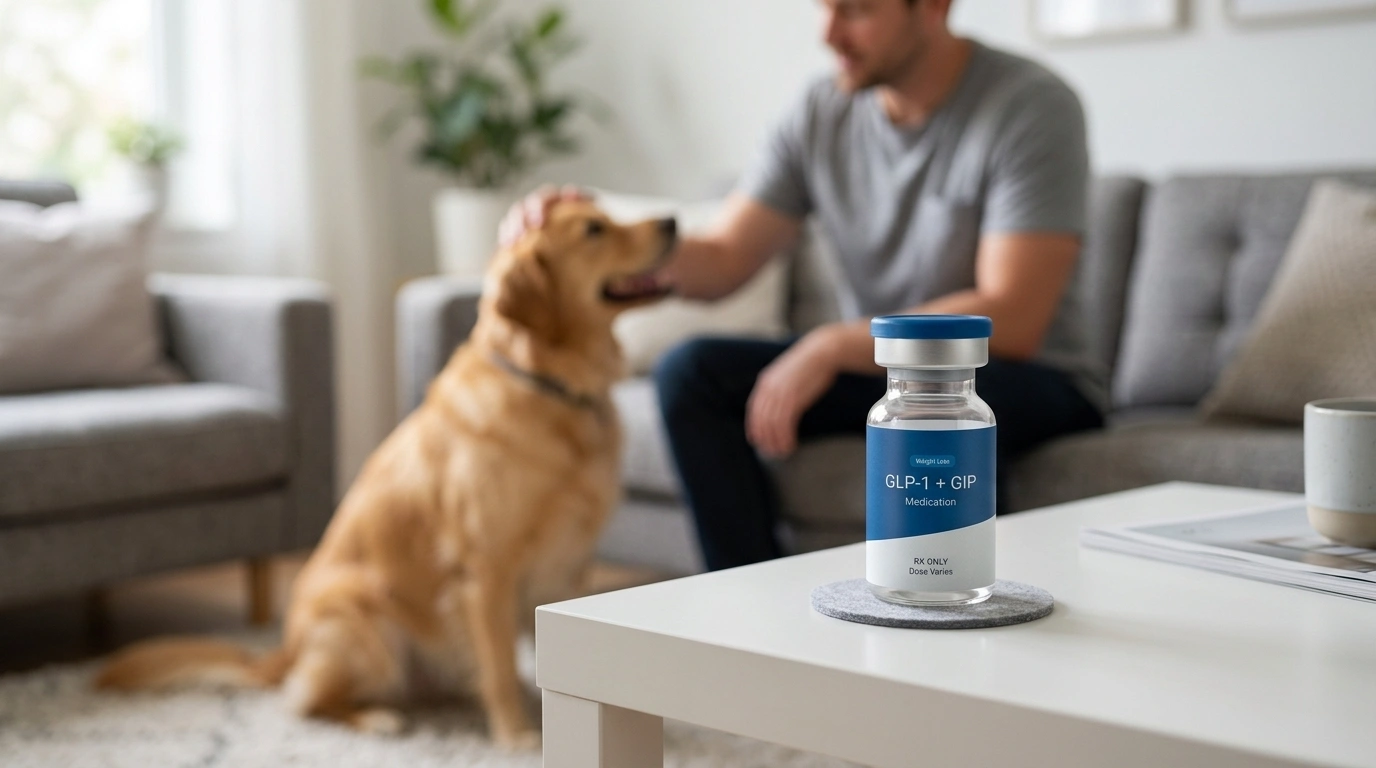
Nausea is the most commonly reported side effect for individuals taking Zepbound®, often occurring as the body adjusts to the medication. To understand why this happens, we must look at how the active ingredient, tirzepatide, interacts with your body. Tirzepatide is a dual agonist, meaning it mimics two different hormones: glucagon-like peptide-1 (GLP-1) and glucose-dependent insulinotropic polypeptide (GIP). These hormones are naturally produced in your gut to regulate appetite and blood sugar, but the medication provides them in higher, sustained levels.
The primary reason for nausea is a process called delayed gastric emptying. This means the medication slows down the speed at which food leaves your stomach and enters the small intestine. While this is beneficial for weight loss because it helps you feel full for much longer, it can also lead to a sensation of “fullness” that the brain interprets as nausea. Essentially, your digestive system is moving at a different pace than it used to, and your nervous system needs time to recalibrate.
Furthermore, these hormones interact directly with the area of the brain responsible for appetite and nausea. The “area postrema” in the brainstem helps monitor toxins and signals in the blood. When you introduce a new medication like tirzepatide, this sensitive region may overreact initially. This is a physiological response, not a sign that the medication is “bad” for you or that you are doing something wrong.
Quick Answer: For the majority of people, nausea from Zepbound® is temporary and usually subsides within a few days to a few weeks after starting a new dose. As your body habituates to the hormone levels, the digestive system adjusts its rhythm, and the brain’s “nausea center” becomes less reactive. For a closer look at the pattern, see our tirzepatide side effects guide.
Does Nausea From Zepbound Go Away?
For most people, the answer is a definitive yes; nausea typically improves as your body builds tolerance to the medication. Clinical data and patient reports suggest a very specific pattern for this discomfort. Most individuals experience the peak of their nausea within the first 24 to 48 hours after their weekly injection. As the week progresses and the levels of the medication in the bloodstream stabilize, the feeling usually dissipates.
The timeline for “permanent” relief usually aligns with the titration schedule. Most providers start patients on a low “loading dose” to introduce the medication gently. Nausea is often most intense during the first month or whenever the dosage is increased. Once you reach a steady maintenance dose and stay there for several weeks, the gastrointestinal system often finds its new equilibrium.
Key Takeaway: Nausea is most common during the “titration phase”—the period where your dose is being gradually increased. Once you stay on a consistent dose for two to four weeks, the symptoms usually fade significantly or disappear entirely. If you’re still deciding whether treatment is right for you, complete the free assessment quiz.
Factors That Influence How Long Nausea Lasts
Not everyone experiences the same duration or intensity of side effects because several individual factors come into play. Your baseline digestive health, your diet, and even your hydration levels can influence how your body handles the medication. If you have a history of sensitive stomach issues or slow digestion, you might find the adjustment period takes a bit longer.
The speed of your dosage increase is the most critical factor in symptom duration. If a dose is increased too quickly before the body has adapted to the previous level, nausea can become more persistent. This is why a personalized approach is so important. If you are struggling with lingering symptoms, a healthcare provider might suggest staying at a lower dose for an extra month to give your body more time to adapt.
Lifestyle choices during the first few weeks also play a massive role. The medication makes you more sensitive to the types of food you eat. If you continue to eat the same portion sizes or the same high-fat foods you ate before starting the program, your stomach may struggle to process them, leading to prolonged nausea. For a related breakdown of symptom timing, you may also find our guide on how long after a Zepbound injection nausea starts helpful.
Practical Strategies to Manage Nausea
Managing nausea is often about making small, intentional changes to your eating habits and daily routine. Because your stomach is emptying more slowly, you cannot rely on the same “three large meals a day” structure. Shifting your focus to how and when you eat can make a world of difference.
Modify Your Eating Habits
The most effective way to reduce nausea is to eat smaller, more frequent meals throughout the day. Instead of a large dinner, try having a small snack-sized portion. This prevents the stomach from becoming overly full, which is the primary trigger for the “sick” feeling.
- Eat slowly: Give your brain time to receive the signal that your stomach is full.
- Stop before you feel stuffed: With Zepbound®, the line between “satisfied” and “overly full” is very thin.
- Prioritize bland foods: In the first few days after an injection, stick to simple foods like crackers, toast, rice, or bananas.
- Avoid lying down after eating: Stay upright for at least two hours after a meal to help gravity assist your digestion.
Focus on Hydration and Electrolytes
Dehydration can actually worsen the sensation of nausea, creating a difficult cycle. When you feel sick, you are less likely to drink water, but the medication requires adequate hydration to process effectively. Sipping ice-cold water or clear liquids throughout the day is essential.
Electrolytes are just as important as plain water. Because you may be eating less, you might not be getting enough sodium, potassium, and magnesium from your food. Low electrolyte levels can lead to headaches and dizziness, which often mimic or intensify nausea. Small sips of an electrolyte-rich drink can help stabilize your system.
Choose Your Foods Wisely
Certain foods are known to trigger gastrointestinal distress while on GLP-1 and GIP medications. High-fat, fried, and heavily processed foods are the most common culprits. Because fat takes longer to digest even under normal circumstances, it sits in the stomach for an extended period when combined with the medication, leading to significant discomfort.
Myth: You have to suffer through the nausea for the medication to be working.
Fact: Nausea is a side effect, not a requirement for weight loss. You can still see excellent results even if you manage your symptoms so that you feel comfortable. For more on common digestive reactions, see our semaglutide side effects guide.
When to Contact a Healthcare Provider
While mild to moderate nausea is expected, it is important to know when a side effect becomes a safety concern. Most symptoms are manageable at home, but your health and safety should always be the priority. You should never feel like you have to “tough out” severe pain or illness.
Contact a healthcare professional if you experience any of the following:
- Severe or persistent vomiting that prevents you from keeping fluids down.
- Intense abdominal pain that radiates to your back.
- Signs of severe dehydration, such as extreme thirst, dark urine, or dizziness.
- Symptoms that do not improve after several weeks on a consistent dose.
At TrimRx, the providers on our platform are available to help you navigate these moments. They can provide guidance on whether a dose adjustment is necessary or if additional supportive care is needed. Having a dedicated team means you don’t have to guess whether your symptoms are “normal” or not. If you are ready to explore treatment with clinical guidance, you can start with the free assessment quiz.
Using Supplements for Digestive Comfort
In addition to lifestyle changes, specific nutrients can support your body’s transition during the weight loss journey. Many individuals find that standard over-the-counter remedies like ginger or peppermint tea can provide immediate, short-term relief. Ginger, in particular, has been used for centuries to calm the digestive tract and reduce the urge to vomit.
For more comprehensive support, we offer targeted solutions like our GLP-1 Daily Support supplement. This is designed to provide the body with the specific nutrients it may be lacking when food intake decreases, while also supporting overall digestive comfort. While the medication handles the metabolic side of weight loss, these supplements help bridge the gap in your daily wellness routine, making the process much smoother.
The Role of Personalized Programs in Reducing Side Effects
One size does not fit all when it comes to metabolic health and medication. A standard dosing schedule might work for one person but be far too aggressive for another. This is where the value of a telehealth-based program truly shines. By using a personalized approach, your treatment plan can be adjusted based on your specific feedback and how your body is reacting.
A personalized program allows for “flexible titration.” If you find that the nausea from Zepbound® is too much to handle at a certain dose, your provider can recommend staying at a lower dose for a longer period. This doesn’t mean you won’t lose weight; it just means you are giving your body the respect it needs to adapt. We focus on sustainable progress rather than rushing the process at the expense of your well-being.
Key Takeaway: Success on a weight loss program isn’t just about the medication; it’s about the clinical oversight and personalized adjustments that make the medication tolerable and effective for the long term. For another perspective on ongoing adjustment, read our how to deal with Zepbound nausea guide.
Comparing Injectable and Oral Options
Sometimes, the method of delivery can impact how a patient feels. While Zepbound® is an injectable medication, some individuals find that different formats or different active ingredients affect them differently. For example, while Tirzepatide (found in Zepbound® and Mounjaro®) is highly effective, some patients may prefer to explore Semaglutide (found in Wegovy® or Ozempic®) if they have persistent side effects.
| Feature | Injectable (e.g., Zepbound®) | Oral (e.g., Oral Semaglutide) |
|---|---|---|
| Dosing Frequency | Weekly | Daily |
| Typical Nausea | Can peak 24-48 hours after dose | Often more consistent but milder |
| Absorption | Direct into bloodstream | Through the stomach lining |
| Convenience | No daily pill | No needles required |
The choice between these options should always be made in consultation with a licensed provider. Through our platform, we connect you with professionals who can look at your medical history and your experience with side effects to determine which path is most likely to lead to success with the least amount of discomfort.
How to Prepare for Your Dose to Minimize Nausea
What you do in the 24 hours leading up to your injection can significantly impact how you feel the next day. Many experienced patients have found that “pre-gaming” their dose with hydration and light meals helps reduce the initial shock to the system.
Step 1: Hydrate early. Drink plenty of water and electrolytes the day before and the morning of your injection. This ensures your body is in a stable state before the medication begins to work.
Step 2: Eat a clean, bland meal. Your last meal before the injection should be low in fat and moderate in protein. Avoid heavy “celebratory” meals or greasy fast food, as these will sit in your stomach and likely cause distress once the medication slows down your digestion.
Step 3: Time your dose. Some people prefer taking their injection before bed so they can sleep through the initial few hours of adjustment. Others prefer Friday evenings so they have the weekend to rest if they feel unwell. Find a time that works with your personal schedule.
Step 4: Keep supportive items on hand. Have ginger chews, peppermint tea, or bland crackers ready so you don’t have to go to the store if you start feeling “queasy.” If you want help deciding whether treatment is a fit, take the free assessment quiz.
Long-term Expectations for Weight Loss and Comfort
It is helpful to remember that the nausea is often a “sign of life” that the medication is affecting your metabolic pathways. While it is unpleasant, it is usually a signal that your body is responding to the hormonal changes that will eventually lead to weight loss, better blood sugar control, and improved metabolic health.
As the months go by, most patients find they can return to a more varied diet. While you will likely always need to eat smaller portions than you did before, the “hyper-sensitivity” to every bite of food usually levels off. You will learn the “rules” of your new body—which foods are safe and which ones are best avoided.
The goal is sustainable health. At TrimRx, we are not just interested in the number on the scale; we are interested in how you feel every day. By combining medical expertise with modern technology, we help you manage these hurdles so you can focus on the positive changes in your energy levels, mobility, and confidence. For a broader look at how treatment effects evolve, see our tirzepatide side effects guide.
Summary of Management Tips
If you are currently struggling with nausea, don’t lose hope. Most people find that the symptoms are a temporary hurdle on the way to a much healthier version of themselves. By implementing the strategies we’ve discussed, you can significantly reduce the impact of these side effects.
- Prioritize small meals to avoid over-distending the stomach.
- Stay hydrated with electrolytes to prevent dehydration-induced nausea.
- Avoid high-fat and fried foods that sit heavily in the gut.
- Communicate with your provider about titration speed and symptom severity.
- Give it time; your body is a complex system that needs a few weeks to adjust to new hormonal signals.
Bottom line: Nausea from Zepbound® is a common, manageable, and usually temporary part of the weight loss journey that subsides as your body adapts to the medication.
Conclusion
The journey toward metabolic health is rarely a perfectly straight line, and side effects like nausea are often the first major challenge you will face. However, knowing that this discomfort is a normal part of the body’s adjustment to Tirzepatide can provide much-needed peace of mind. By focusing on hydration, choosing bland foods, and utilizing supportive nutrients, you can navigate the early stages of treatment with confidence. TrimRx is here to be your empathetic guide, offering the science-backed support and personalized care you need to make your weight loss journey as comfortable and successful as possible. We believe that no one should have to navigate these challenges alone.
If you are ready to take the next step toward a healthier you, the first move is simple. You can begin by taking our free health assessment quiz to see which personalized program is right for your unique health profile and goals.
FAQ
How long does the nausea typically last after each Zepbound dose?
For most individuals, the nausea is most noticeable within the first 24 to 48 hours after the weekly injection. As the medication levels stabilize throughout the week, the feeling usually fades. Over several weeks of consistent use, the intensity of this weekly “peak” generally decreases as the body builds a tolerance.
Can I take over-the-counter nausea medication with Zepbound?
Many people find relief using over-the-counter options like bismuth subsalicylate or ginger-based supplements. However, it is essential to consult with your healthcare provider before adding any new medications to your routine. They can ensure that these options are safe for you and won’t interfere with your weight loss treatment. If you want help deciding whether a personalized program is right for you, complete the free assessment quiz.
Does the injection site affect how much nausea I feel?
While clinical evidence is limited, many patients report that rotating their injection site can influence side effects. Some individuals find that injecting into the thigh or back of the arm results in less nausea compared to injecting into the abdomen. It may be worth trying a different approved site to see if it improves your comfort level. For more on how symptoms can vary, read our how long after a Zepbound injection nausea starts guide.
Will the nausea come back every time my dose is increased?
It is common to experience a brief return of nausea whenever you move up to a higher dosage. This happens because your body has to re-adjust to the higher concentration of hormones. Usually, this “adjustment nausea” is shorter and less severe than what you experienced when you first started the medication.
Disclaimer: This content is for informational purposes only and does not constitute medical advice. It is not intended to diagnose, treat, cure, or prevent any disease or condition. Individual results may vary. Always consult a qualified healthcare professional before starting any weight loss program or medication.

Transforming Lives, One Step at a Time
Keep reading

Can You Lower Your Zepbound Dose Without Losing Your Progress?
Often yes, and the honest caveat is that the evidence for dose reduction specifically is thinner than the evidence for stopping. We know a…
Why Is There a Bruise Where I Injected My Zepbound?
A bruise means a small blood vessel was disturbed under the skin and blood spread into the surrounding tissue. It is one of the…

My Zepbound Pen Won’t Click Past a Certain Dose
Start by checking which device you are holding, because the answer depends entirely on that. Zepbound has commonly been supplied in the United States…


