Can You Stay on the Lowest Dose of Zepbound?
Introduction
Finding a weight loss medication that finally works can feel like a massive relief. After years of navigating restrictive diets or programs that didn’t deliver, many people find that dual-agonist medications offer a new level of support for their metabolic health. However, as the initial 2.5 mg dose of Zepbound® begins to work, a common question arises: do you actually have to increase the dose, or can you stay on the lowest one?
Many individuals find that they feel satisfied and see progress on the starting amount, leading them to wonder if titration—the process of gradually increasing a dose—is mandatory. At TrimRx, we believe in a personalized approach to weight loss that prioritizes how your body responds to treatment rather than a one-size-fits-all schedule. In this article, we will explore the clinical guidelines for dosing, why the lowest dose exists, and the factors your healthcare provider considers when deciding whether to keep you at 2.5 mg or move you up the ladder. If you are considering prescription treatment, you can complete a free eligibility assessment to begin the process.
Understanding the Zepbound Dosing Schedule
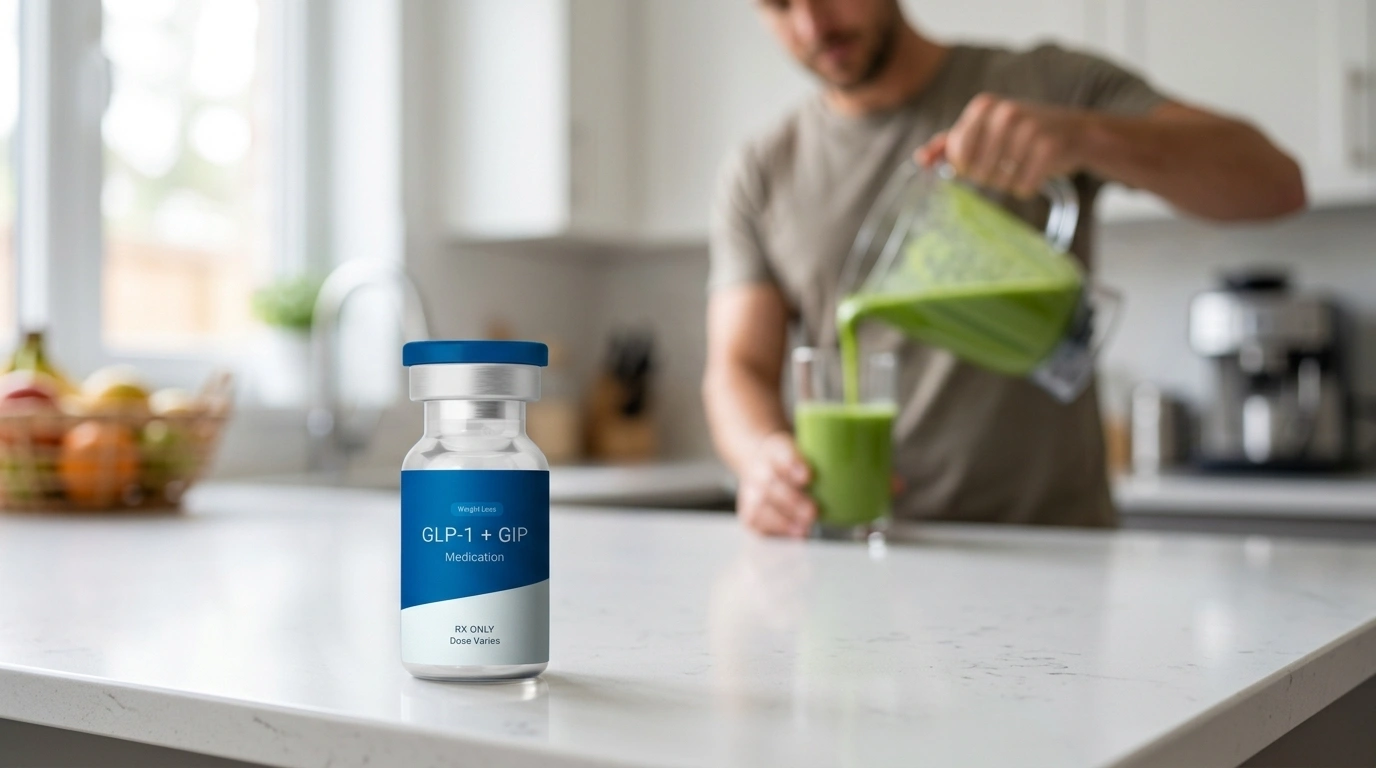
Zepbound® (tirzepatide) is a medication known as a dual GLP-1 and GIP receptor agonist. This means it mimics two different hormones in your body: glucagon-like peptide-1 (GLP-1) and glucose-dependent insulinotropic polypeptide (GIP). These hormones work together to regulate your appetite, slow down how quickly your stomach empties, and help your body manage blood sugar more effectively.
The medication is typically administered once a week via an injection. To help the body adjust to these hormonal changes, the manufacturer established a specific titration schedule. For additional context, review this Zepbound therapeutic dosing guide.
The Starting Dose: 2.5 mg
The 2.5 mg dose is officially categorized as an “initiation” dose. Its primary purpose is not necessarily to induce maximum weight loss immediately, but to introduce the medication to your system slowly. This helps minimize gastrointestinal side effects while your metabolic pathways begin to adapt. For most people, this dose is maintained for exactly four weeks before moving to the next level.
The Maintenance Doses
After the first month, the standard protocol suggests moving to 5 mg. From there, doses can be increased in 2.5 mg increments (7.5 mg, 10 mg, 12.5 mg, and 15 mg) every four weeks, depending on how well the patient is tolerating the medication and whether they are meeting their weight loss goals. The 5 mg, 10 mg, and 15 mg amounts are considered the primary maintenance doses.
Quick Answer: While the official manufacturer guidelines label 2.5 mg as a starting dose intended for only four weeks, some healthcare providers may allow patients to stay on it longer if they are achieving significant weight loss and experiencing consistent appetite suppression. However, this is a clinical decision that must be made by a licensed professional based on your specific health profile.
The Clinical Reasoning for Increasing the Dose
You might wonder why there is a push to move beyond the 2.5 mg dose if you are already losing weight. The reason lies in the clinical trials that led to the approval of the medication. In these studies, researchers found that higher doses generally led to more significant and sustained weight loss over a longer period.
Metabolic Adaptation
The body is highly adaptable. Over time, your receptors may become accustomed to a specific level of GLP-1 and GIP stimulation. For many people, the appetite suppression felt during the first two weeks of the 2.5 mg dose may begin to wane by the fourth week. Moving to 5 mg ensures that the signaling to the brain remains strong enough to keep hunger at bay and continue the metabolic improvements.
Reaching Therapeutic Levels
In clinical settings, a “therapeutic dose” is the amount of medication required to produce the desired effect in the majority of the population. For tirzepatide, the 5 mg, 10 mg, and 15 mg doses are the levels where the most profound changes in insulin sensitivity and body composition were recorded.
Can You Stay on 2.5 mg?
The short answer is: it depends on your provider’s clinical judgment. While the “label” suggests moving up after four weeks, “off-label” dosing—where a doctor adjusts the schedule based on patient needs—is common in weight management.
The “Super-Responder” Phenomenon
Some individuals are what clinicians call “super-responders.” These are people who experience profound appetite suppression, improved energy, and steady weight loss on the very lowest dose of a medication. For an individual with a BMI over 30 who is losing 1 to 2 pounds per week on 2.5 mg without significant side effects, a provider might decide that there is no immediate reason to increase the dose.
Prioritizing Side Effect Management
One of the most common reasons a patient might want to stay on the lowest dose is to avoid side effects. GLP-1 medications can cause nausea, bloating, or changes in bowel habits. If a patient is comfortable and functional at 2.5 mg but fears that 5 mg might trigger intense nausea, the provider may choose to keep them at the lower dose for an extended period to ensure the weight loss journey remains sustainable and pleasant. Our tirzepatide side effect guide covers common reactions and management considerations.
Key Takeaway: Staying on the lowest dose of Zepbound® is possible if you are a “super-responder” who achieves goals at 2.5 mg, but most patients eventually require a higher maintenance dose to prevent weight loss plateaus.
The Role of Personalization in Dosing
At TrimRx, we emphasize that every metabolic journey is unique. The standard titration schedule is a roadmap, not a set of tracks. Through our platform, we connect you with licensed providers who look at your specific data—your weight loss rate, your hunger levels, and your side effect profile—to determine the best path forward. To discuss whether treatment may be appropriate for you, take the free assessment quiz.
If you choose to use compounded tirzepatide through our partner pharmacies, there is often even more room for personalized dosing. Unlike branded pens that come in fixed increments, compounded medications allow for a more nuanced approach to titration.
Note: Compounded tirzepatide is not FDA-approved. It is prepared and shipped by FDA-registered, inspected compounding pharmacies to meet the specific needs of an individual patient as prescribed by their provider.
Signs You Should Stay on the Lowest Dose
Your healthcare provider might consider keeping you at 2.5 mg if the following conditions are met:
- Consistent Progress: You are losing an average of 0.5 to 2 pounds per week.
- Satiety Control: You feel full quickly and no longer experience “food noise” (intrusive thoughts about eating).
- Minimal Side Effects: Your body is comfortable, and you are able to maintain your daily activities and exercise routine.
- Lab Improvements: If you are monitoring markers like A1C or fasting insulin, and they are moving in the right direction.
Signs It Is Time to Titrate Up
Most people eventually find that the 2.5 mg dose is no longer enough to support their goals. You and your provider might discuss moving to 5 mg if:
- Weight Loss Stalls: You haven’t lost weight for several weeks despite following your nutritional plan.
- Return of Hunger: You notice your appetite returning to pre-medication levels before your next injection is due.
- Increased Food Noise: You find yourself thinking about snacks or large meals more frequently.
- Plateau in Metabolic Markers: Your blood sugar or other health markers have stopped improving.
What to Expect During Titration
When you move from 2.5 mg to 5 mg, it is normal to feel a temporary increase in side effects for a few days. This is because you are doubling the amount of medication in your system. This transition is why many people prefer the support of a telehealth platform like ours, where they can message a specialist to get advice on managing temporary nausea or changes in digestion.
The Importance of a Minimum Effective Dose
In medicine, the “minimum effective dose” is the lowest amount of a drug that provides the desired benefit. Using this philosophy in weight loss can be very beneficial. By staying on the lowest dose that works, you:
- Reduce the risk of “hitting a ceiling” too early: If you jump to 15 mg immediately, you have nowhere left to go if you hit a plateau.
- Save your body from unnecessary stress: Higher doses mean your liver and kidneys have more medication to process.
- Encourage sustainable habits: A lower dose often requires you to be more mindful of your nutrition and exercise, which helps build the habits necessary for long-term weight maintenance.
How Compounded Options Offer Flexibility
While branded medications like Zepbound®, Mounjaro®, Wegovy®, and Ozempic® are highly effective, they are delivered in pre-set doses. This can be frustrating for someone who feels that 2.5 mg is slightly too low but 5 mg is much too high.
Through the TrimRx platform, providers may prescribe compounded tirzepatide. Because this is prepared by a compounding pharmacy, there is sometimes more flexibility in how the dose is administered. This allows for a “micro-titration” approach where a patient might move from 2.5 mg to 3 mg or 3.5 mg, rather than jumping straight to 5 mg. This can be a game-changer for individuals who are highly sensitive to hormonal medications.
Maximizing Results on the Lowest Dose
If you and your provider decide to stay on the 2.5 mg dose longer than the initial four weeks, there are several ways to ensure you continue to see results.
Focus on Protein Intake
GLP-1 medications help you eat less, but it is vital that the food you do eat is nutrient-dense. Prioritizing protein helps preserve lean muscle mass while you lose fat. This keeps your metabolism high, which is essential when you are on a lower dose of medication. Our guide to strength training and protein on GLP-1 medications offers additional guidance.
Hydration and Electrolytes
Proper hydration can often mimic the feeling of fullness and help prevent the headaches or fatigue sometimes associated with weight loss. We often recommend our GLP-1 Daily Support supplement to help bridge the gap in essential nutrients and support digestive comfort while your body is on the medication.
Strength Training
Resistance exercise is the best way to tell your body to keep its muscle and burn its fat. When you are on a lower dose of tirzepatide, your biological “push” toward weight loss isn’t as aggressive as it would be on 15 mg, so adding physical activity helps maintain the momentum.
Consistency is Key
The medication works best when blood levels remain steady. Even if you are on a low dose, taking your injection on the same day every week is crucial for maintaining the hormonal balance required for appetite suppression.
Safety and Provider Supervision
Regardless of the dose you are on, medical supervision is non-negotiable. Medications that affect your endocrine system and metabolic rate require regular check-ins. A provider needs to monitor you for rare but serious side effects, such as gallbladder issues or changes in kidney function.
Our program at TrimRx is designed to provide this continuous oversight. You aren’t just getting a prescription; you are getting a dedicated team that monitors your progress and helps you decide when it is safe to stay at 2.5 mg and when it is medically appropriate to move up. You can see if you qualify for a personalized program.
Bottom line: While staying on the lowest dose of Zepbound® is an attractive idea for many, the majority of patients will eventually move to higher maintenance doses to achieve long-term success. The goal is to find the “sweet spot” where weight loss is consistent and side effects are manageable.
How to Start Your Journey
Starting a weight loss medication can feel overwhelming with all the talk of doses, titration, and side effects. That is why we have streamlined the process to be as clear and supportive as possible. For more information, read this guide to getting a GLP-1 prescription online.
Step 1: The Assessment
The first step is to take our free assessment quiz. This helps us understand your medical history, your BMI, and your previous attempts at weight loss. This information is vital for the healthcare providers we partner with to determine if you are a candidate for GLP-1 or GIP medications.
Step 2: Provider Consultation
Once your assessment is reviewed, you will be connected with a licensed provider through our telehealth platform. You can discuss your concerns about dosing, your goals, and whether you prefer starting with a traditional titration schedule or a more conservative approach.
Step 3: Personalized Treatment Plan
If approved, your provider will write a prescription tailored to your needs. This could include compounded semaglutide or tirzepatide, or they may provide the necessary documentation for you to fill a branded prescription like Zepbound® or Wegovy® at your local pharmacy.
Step 4: Ongoing Support
Your journey doesn’t end with the first shipment. You will have 24/7 access to our team to ask questions about your dose, manage side effects, or celebrate your milestones.
Common Misconceptions About Dosing
There are several myths surrounding the idea of staying on the lowest dose of weight loss medication. Let’s clarify a few of them.
Myth: Staying on 2.5 mg means the medication isn’t working as well. Fact: If you are losing weight and your hunger is controlled, the medication is working perfectly. The “right” dose is the one that gives you results with the fewest side effects.
Myth: You have to reach the 15 mg dose to see “real” results. Fact: Many people reach their goal weight without ever hitting the maximum dose. Clinical trials showed that while higher doses lost more weight on average, there was significant success across all maintenance levels.
Myth: If I stay on a low dose, I won’t regain weight if I stop. Fact: Weight maintenance after medication requires a long-term plan. Whether you are on 2.5 mg or 15 mg, the lifestyle changes you make during the program are what will help you stay at your new weight.
Conclusion
The question of whether you can stay on the lowest dose of Zepbound® is ultimately a conversation between you and your healthcare provider. For a small group of “super-responders,” 2.5 mg may provide everything they need to reach their health goals. For most, however, the 2.5 mg dose serves as a vital stepping stone toward higher maintenance doses that offer more robust metabolic support.
At TrimRx, our mission is to empower you with the tools, medication, and clinical expertise needed to make these decisions with confidence. We focus on a transparent, science-backed approach that prioritizes your comfort and long-term health over a rigid schedule. Whether you stay on the lowest dose or titrate to the maximum, our team is here to ensure your journey is safe, effective, and sustainable.
- Take the first step by completing our free health assessment.
- Consult with a licensed provider to discuss a personalized dosing plan.
- Access high-quality compounded medications or support for branded prescriptions.
- Enjoy ongoing support from a dedicated team of specialists.
Key Takeaway: Your weight loss journey is personal. The best dose for you is the one that allows you to lose weight safely while feeling your best every day.
FAQ
Is the 2.5 mg dose of Zepbound considered a maintenance dose?
According to the manufacturer, 2.5 mg is an initiation dose designed to help your body adjust to the medication over a four-week period. Maintenance doses are typically considered to be 5 mg, 10 mg, or 15 mg, although some providers may keep patients on lower doses if they are responding exceptionally well.
Can I stay on 2.5 mg if I am afraid of side effects?
If you are experiencing success on 2.5 mg and are concerned about increased side effects at the 5 mg level, you should discuss this with your healthcare provider. They may agree to keep you on the lower dose longer or suggest a more gradual titration plan to ensure your comfort. You can also review strategies for managing tirzepatide side effects.
Why did my weight loss stop on the 2.5 mg dose?
The 2.5 mg dose is very low and is primarily intended to prime your system. It is common for the initial “burst” of weight loss to slow down after a few weeks as your body adapts, which is usually a sign that it is time to move to the 5 mg therapeutic dose.
Will I still lose weight if I never move up to the 15 mg dose?
Yes, many people achieve significant weight loss and reach their target goals on intermediate doses like 5 mg, 7.5 mg, or 10 mg. The maximum dose is available for those who need the extra metabolic “push,” but it is not a requirement for everyone. If you are considering treatment, you can find out if GLP-1 medications are right for you.
Disclaimer: This content is for informational purposes only and does not constitute medical advice. It is not intended to diagnose, treat, cure, or prevent any disease or condition. Individual results may vary. Always consult a qualified healthcare professional before starting any weight loss program or medication.

Transforming Lives, One Step at a Time
Keep reading

Kids’ Birthday Party on Zepbound
If you have young children, birthday parties are a regular part of life: your own child’s, and the steady stream of classmates’ parties most…

Water Aerobics on Zepbound
For people with painful knees, hips, or backs, water aerobics and pool exercise are often the first kind of exercise that feels possible. The…

New Year’s Eve on Zepbound
New Year’s Eve is built around staying up late. There is usually a big dinner or a party spread, drinks through the evening, champagne…


