Can You Split Zepbound Dose? Safety and Best Practices
Introduction
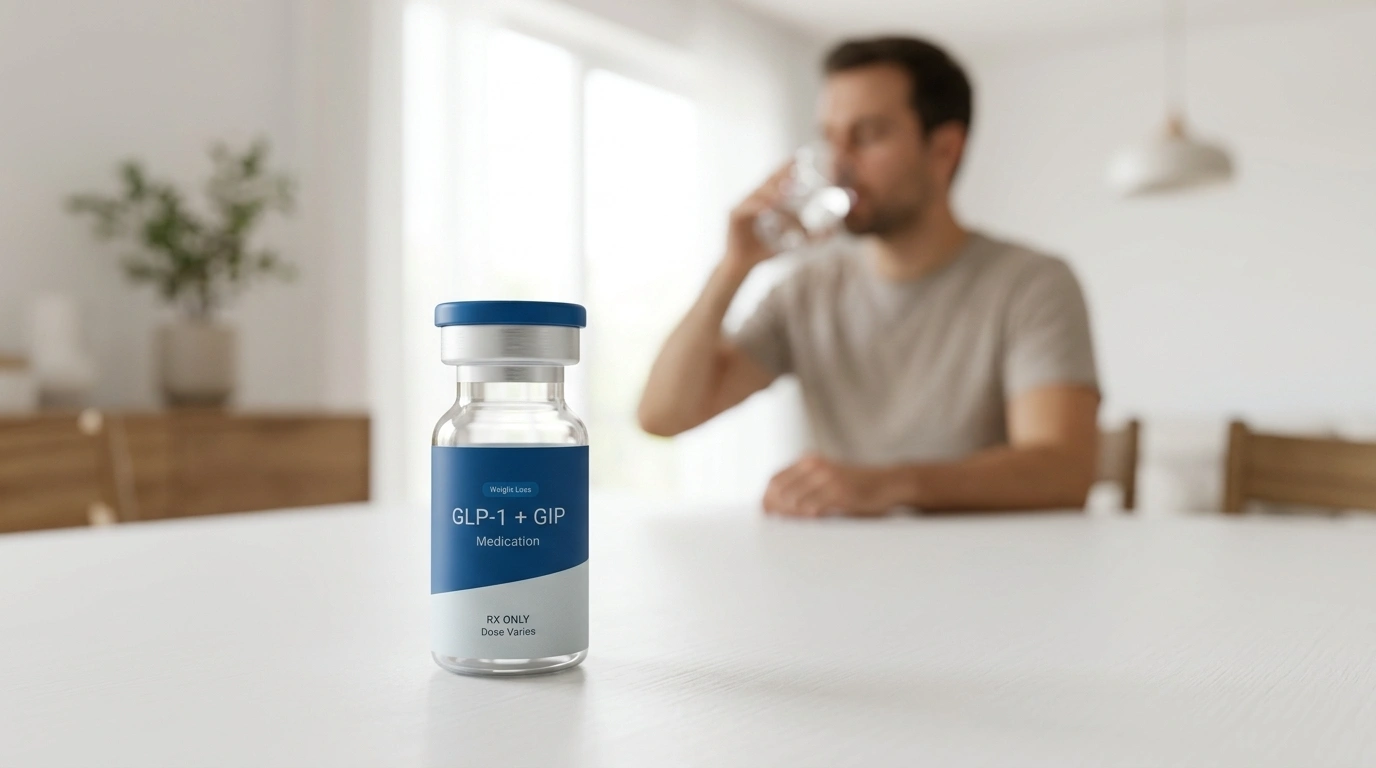
Standing in front of the refrigerator with a Zepbound® pen, many individuals find themselves asking if there is a way to make their prescription go further. Whether you are facing a supply shortage or feeling that your current dose is a bit too strong for your system, the idea of splitting a dose can seem like a practical solution. However, the question of whether you can split a Zepbound dose is more complex than it appears on the surface.
At TrimRx, we understand that navigating the world of GLP-1 and GIP medications can be overwhelming and full of logistical hurdles. We are here to provide clarity on how these medications are designed to work and why safety must always come first. This article will examine the mechanical design of the Zepbound pen, the clinical risks associated with “DIY” dose splitting, and the safer, medically supervised alternatives available for those who need more flexibility in their treatment plan.
Understanding the Zepbound® Pen Design
To answer the question of dose splitting, we must first look at the delivery system. Zepbound® is the brand name for tirzepatide, a dual-acting medication that mimics two hormones in the body: glucagon-like peptide-1 (GLP-1) and glucose-dependent insulinotropic polypeptide (GIP). These hormones work together to regulate appetite and blood sugar.
In the United States, tirzepatide is primarily distributed in single-dose, pre-filled autoinjector pens. These pens are engineered for simplicity and precision. Each pen contains exactly one dose of medication, ranging from 2.5 mg to 15 mg. The mechanism is “all or nothing.” When you press the button, a spring-loaded needle deploys, delivers the entire volume of liquid, and then retracts. For more information about starting doses and titration, review this tirzepatide starting-dose guide.
Quick Answer: You cannot safely split a Zepbound dose using the standard autoinjector pen provided by the manufacturer. The device is designed for a single use and does not allow for partial administration of the medication. Attempting to manually extract and divide the medicine can lead to contamination and inaccurate dosing.
Because the pen is a closed system, there is no dial to select a smaller dose, unlike some other insulin or GLP-1 pens used internationally. This design is intended to ensure that every patient receives the exact amount prescribed by their healthcare provider without the risk of human error during measurement.
The Risks of Manual Dose Splitting
When individuals research how to split a dose, they often find “hacks” online involving taking the pen apart or “milking” the medication into a separate sterile vial. While these methods may look straightforward in a video, they carry significant medical risks that can compromise your health and the effectiveness of your treatment. If you are considering prescription treatment, you can complete a free eligibility assessment so a provider can help determine an appropriate plan.
Bacterial Contamination and Infection
The medication inside a Zepbound® pen is sterile. The moment the seal is broken or the liquid is transferred to another container, it is exposed to the environment. Even in a clean kitchen or bathroom, microscopic bacteria can enter the liquid.
Unlike multi-dose vials used in clinical settings, the liquid inside a single-use autoinjector does not always contain the same levels of preservatives meant to keep a solution stable over several weeks. Injecting contaminated medication can lead to:
- Skin infections at the injection site (cellulitis).
- Abscess formation.
- Systemic infections that may require hospitalization.
Inaccurate Dosing
Tirzepatide is a highly potent medication measured in milligrams. When you attempt to move the liquid into a separate syringe or vial, you lose a small amount of the drug to “dead space” in the needle or on the walls of the container.
Furthermore, household measurements are rarely precise enough to guarantee you are getting exactly half or a third of a dose. If you take too little, the medication may not be effective. If you accidentally take too much, you risk severe gastrointestinal side effects, including intense nausea, vomiting, and dehydration. This is why following a medically supervised tirzepatide dosing schedule is safer than making mechanical adjustments yourself.
Medication Degradation
The active ingredient, tirzepatide, is a peptide. Peptides are fragile chains of amino acids that can break down when exposed to light, air, or extreme temperature changes. The autoinjector pen protects the peptide from these elements. Transferring the liquid into a clear glass vial or exposing it to room air for an extended period can cause the medication to lose its potency, rendering your prescription unusable.
Why People Consider Splitting Doses
It is important to acknowledge that the desire to split a dose usually stems from very real frustrations. Many people are not trying to “cheat the system,” but rather trying to survive it.
Managing Side Effects: Some patients find that the jump from one dose (such as 2.5 mg) to the next (5 mg) is too aggressive for their bodies. They may experience fatigue or nausea and wish they could take a “middle” dose, like 3.75 mg, to let their body adjust.
Supply Shortages: Branded GLP-1 and GIP medications may face backorder status. When a patient has a 15 mg pen but cannot find the 7.5 mg pen they actually need, they may feel forced to try and split the higher dose to maintain their progress.
While these concerns are valid, “DIY” medicine is not the answer. There are clinical pathways designed to address these exact issues without putting your safety at risk.
Safe Alternatives to Dose Splitting
If you feel that your current dose is not right for you, or if you are struggling to find your medication, the first step is always to speak with a healthcare provider. At TrimRx, we facilitate these connections to ensure that your weight loss journey is guided by medical expertise. You can see if you qualify for a personalized program.
Personalized Titration Schedules
Standard dosing schedules (moving up every four weeks) are guidelines, not laws. If you are experiencing side effects on a specific dose, your provider might suggest staying at that lower dose for another month. This allows your body more time to build tolerance. In many cases, patients continue to lose weight effectively on “starting” doses, and there is no medical requirement to increase the dose if the current one is working.
Changing the Injection Site
Sometimes, side effects can be mitigated by simply changing where you inject the medication. Some clinical data suggests that injecting in the thigh or back of the arm may result in fewer gastrointestinal side effects compared to injecting in the abdomen, though the absorption remains effective. For additional guidance, read this complete guide to GLP-1 injection sites.
Supportive Supplements
For those experiencing mild nausea or digestive changes, adding targeted nutrients can help. We offer supplements like GLP-1 Daily Support, which is designed to provide the body with the micronutrients and digestive support that can be helpful during a weight loss program. These tools allow you to manage the experience of the medication without altering the prescribed dose.
How Compounded Tirzepatide Offers Dosing Flexibility
One of the most effective ways to address the need for flexible dosing is through compounded tirzepatide. This is an alternative for those who find the rigid “fixed-dose” pens of branded Zepbound® to be a barrier to their success.
What is Compounded Tirzepatide?
Compounded medications are “made-to-order” by specialized pharmacies. When a drug like Zepbound® is on the FDA’s shortage list, licensed compounding pharmacies are permitted to prepare customized versions of the medication. Through the TrimRx platform, we connect patients with licensed providers who may prescribe compounded tirzepatide.
These medications are prepared and shipped by inspected compounding pharmacies. Unlike the single-use autoinjector pens, compounded tirzepatide often comes in a multi-dose vial. To understand how remote prescribing and clinical oversight work, review this guide to telehealth tirzepatide.
The Benefit of the Multi-Dose Vial
When you use a multi-dose vial and a traditional syringe, you have total control over the volume of medication you draw up, under the direction of your provider.
- Precision: If your doctor wants you to take a 3.0 mg dose instead of 2.5 mg or 5.0 mg, you can accurately measure that amount.
- Safety: Because these vials are intended for multiple uses, they contain the necessary preservatives to remain sterile when handled correctly with alcohol wipes and sterile syringes.
- No Waste: You do not have to worry about the “all or nothing” mechanism of a spring-loaded pen.
Key Takeaway: Compounded tirzepatide provides a clinical solution for those who need precise dose adjustments. Because it is dispensed in vials rather than autoinjector pens, healthcare providers can tailor the dosage to the individual’s specific needs and tolerance levels.
Navigating Supply Shortages Safely
If you cannot find your specific dose of Zepbound® at your local pharmacy, splitting a higher-dose pen is still not recommended. Instead, consider these steps:
- Call Multiple Pharmacies: Sometimes smaller, independent pharmacies or hospital-based pharmacies have different stock levels than large retail chains.
- Ask for a “Bridge” Prescription: Your provider may be able to write a prescription for a slightly lower dose that is currently in stock.
- Explore Compounded Options: As mentioned, when branded medications are in short supply, compounded versions from reputable pharmacies can ensure your treatment is not interrupted.
We prioritize consistent access to care. Our program is designed to move you through the process quickly—from the initial free assessment quiz to the arrival of your medication—so you don’t have to worry about the “hunting” process at local pharmacies.
Managing Side Effects Without Splitting Doses
If your motivation for splitting a dose is to avoid “feeling sick,” there are several evidence-based strategies to help your body process the medication more comfortably.
Hydration is Critical: GLP-1 and GIP medications can change how your body handles fluids. Dehydration often mimics or worsens nausea. Aim for consistent water intake throughout the day, and consider adding electrolytes if you are particularly active.
Protein-First Eating: Many people find that nausea is worse on an empty stomach or after a high-fat meal. Eating small, protein-rich snacks throughout the day can keep blood sugar stable and reduce the “queasy” feeling often associated with titration.
The Night-Before Strategy: Some patients find that injecting their medication in the evening, shortly before bed, allows them to sleep through the peak of the initial side effects.
Consult Your Specialist: If side effects are persistent, your healthcare provider may prescribe anti-nausea medication or suggest a temporary dose reduction. This is a “clinical” dose split—using a lower prescribed strength—rather than a “mechanical” dose split using a high-strength pen. For more information, review this tirzepatide side-effect resource.
The Role of Telehealth in Personalized Dosing
The traditional medical model often makes it difficult to get a quick answer about dosing. If you have to wait three weeks for an appointment just to ask about a side effect, you might be tempted to take matters into your own hands.
Telehealth changes this dynamic. Our platform provides access to a dedicated team of specialists. If you are struggling with a dose, you don’t have to guess. You can message a professional, get a response, and have your treatment plan adjusted in real-time. This level of support is essential for sustainable weight loss.
The TrimRx Process
Getting started with a personalized program is simple and avoids the pitfalls of trying to manage complex medications on your own.
- Step 1: Take the Assessment. Complete a free online health quiz to share your medical history, goals, and current health status.
- Step 2: Connect with a Provider. A licensed healthcare professional reviews your profile to determine if a GLP-1 or GIP medication is right for you.
- Step 3: Receive Your Program. If eligible, your personalized treatment plan is created. This includes your prescription, which is filled by a licensed pharmacy.
- Step 4: Ongoing Support. You receive your medication at your doorstep with clear instructions. You have access to our team for questions about dosing, side effects, or progress.
Why Accuracy Matters for Metabolic Health
Weight loss is not just about eating less; it is about changing the underlying metabolic signals in your body. Tirzepatide works by signaling to the brain that you are full and slowing down how quickly your stomach empties. It also improves how your body responds to insulin.
When you split a dose incorrectly, you disrupt these signals. You may experience “blood sugar swings” or find that your appetite returns much sooner than it should. By following a medically supervised program, you ensure that these hormonal signals remain consistent. Consistency is what leads to the long-term changes in body composition and metabolic health that our patients are looking for.
Bottom line: While the desire to split a Zepbound® dose is often driven by practical concerns like side effects, the safety risks of bacterial contamination and inaccurate measurement outweigh any potential benefits. Safer, more flexible options exist through personalized medical supervision and compounded alternatives.
Conclusion
Your health is too valuable to risk on a “DIY” medication hack. While it might be tempting to try and split a Zepbound dose to avoid a headache, the potential for infection and dosing errors is high. Successful, sustainable weight loss requires a steady, safe, and scientifically sound approach.
Our mission at TrimRx is to remove the obstacles that lead people to consider risky shortcuts. We offer a transparent, telehealth-based program that provides you with medical guidance, medications from registered pharmacies, and the support you need to manage your journey safely.
If you find that your current medication isn’t fitting your lifestyle or your body’s needs, the best next step isn’t a pair of pliers and a syringe—it’s a conversation with a professional.
- Prioritize Safety: Never attempt to open or modify a single-use autoinjector pen.
- Seek Flexibility: If you need custom dosing, ask your provider about compounded tirzepatide options.
- Stay Supported: Use telehealth resources to manage side effects as they happen.
Ready to see which personalized program is right for your metabolic health? Start with a free assessment quiz today.
FAQ
Is it safe to split Zepbound doses?
No, it is not safe to split a Zepbound® dose. The autoinjector pen is a single-use device designed to deliver one full dose at once; attempting to split it can lead to bacterial contamination, medication degradation, and dangerously inaccurate dosing. For a broader explanation, read this guide to Zepbound dose splitting.
Can I use a syringe to take medicine out of a Zepbound pen?
You should not attempt to extract medication from the pen into a syringe. The pen is not designed to be tampered with, and doing so increases the risk of injecting harmful bacteria or receiving an incorrect amount of the active ingredient.
What should I do if my dose is too high and causing side effects?
If you feel your current dose is too strong, do not try to split it. Instead, contact your healthcare provider to discuss a dose reduction or a slower titration schedule, and consider using supportive supplements to manage mild symptoms. You can also review this tirzepatide dose and titration guide.
How can I get a customized dose of tirzepatide?
A customized dose can be achieved through compounded tirzepatide, which is often dispensed in multi-dose vials rather than fixed-dose pens. This allows a healthcare provider to prescribe a specific volume that meets your individual needs, and you can access this through a personalized program like the one offered by TrimRx. Begin with a free eligibility assessment.
Disclaimer: This content is for informational purposes only and does not constitute medical advice. It is not intended to diagnose, treat, cure, or prevent any disease or condition. Individual results may vary. Always consult a qualified healthcare professional before starting any weight loss program or medication.

Transforming Lives, One Step at a Time
Keep reading

Can You Lower Your Zepbound Dose Without Losing Your Progress?
Often yes, and the honest caveat is that the evidence for dose reduction specifically is thinner than the evidence for stopping. We know a…
Why Is There a Bruise Where I Injected My Zepbound?
A bruise means a small blood vessel was disturbed under the skin and blood spread into the surrounding tissue. It is one of the…
My Zepbound Pen Won’t Click Past a Certain Dose
Start by checking which device you are holding, because the answer depends entirely on that. Zepbound has commonly been supplied in the United States…


