Can You Eat Before Taking Zepbound?
Introduction
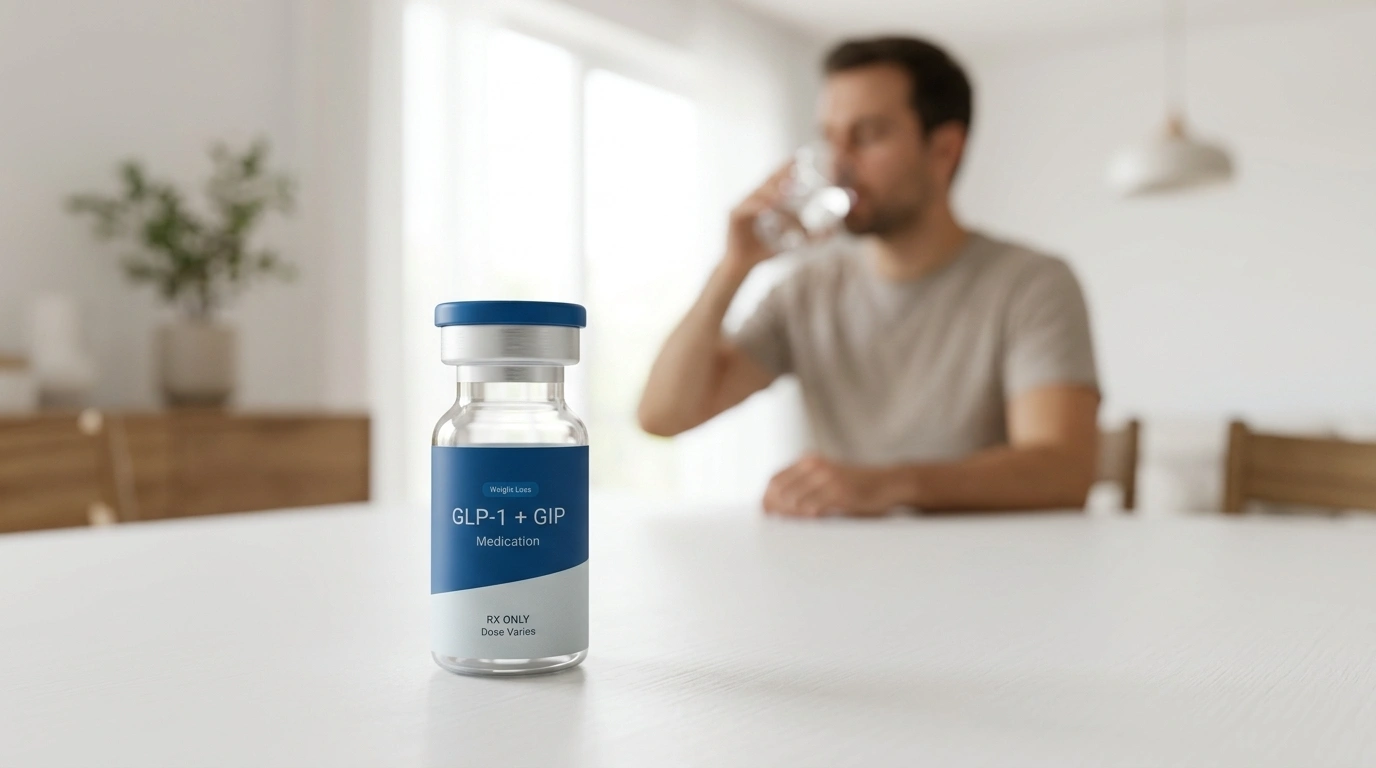
Holding your medication pen for the first time often brings a mix of excitement and a few nerves. You have likely navigated the frustrations of traditional dieting for years and are finally ready for a science-backed approach to weight management. A common question that arises during this pivotal moment is whether you should eat a meal immediately before your Zepbound® shot. At TrimRx, we understand that these small details feel significant when you are trying to set yourself up for success. While the clinical guidelines for this medication do not require a specific fasting state, your personal choices can influence how you feel during the first 24 hours after your dose. This article covers everything you need to know about timing your meals, managing potential side effects, and optimizing your experience with tirzepatide.
If you are exploring prescription support, you can complete a free eligibility assessment.
Quick Answer: Yes, you can eat before taking your Zepbound® injection. Food intake does not interfere with the medication’s absorption or effectiveness, though choosing light, bland foods may help you avoid nausea as the medication begins to work.
Does Food Affect How Zepbound Works?
When starting a new medication like Zepbound® (a branded version of the drug tirzepatide), it is natural to wonder if your stomach contents will change how well the drug works. Unlike some oral medications that require a fatty meal or a completely empty stomach for proper absorption, injectable tirzepatide works differently. It is a dual-acting receptor agonist. This means it mimics two natural hormones in your body: glucagon-like peptide-1 (GLP-1) and glucose-dependent insulinotropic polypeptide (GIP).
Because you inject the medication into the subcutaneous fat—the layer of fat just under your skin—it enters your bloodstream through your lymphatic system. It does not pass through your digestive tract to be absorbed. Therefore, having food in your stomach does not chemically interfere with the medication’s ability to regulate your blood sugar or signal fullness to your brain.
However, the effectiveness of your journey is about more than just the chemistry. It is about your ability to stay consistent and comfortable. If eating or not eating before a shot makes you feel unwell, it can become a hurdle to your progress. Understanding how the medication interacts with your digestion is the first step in creating a routine that works for your unique body. For additional context, review this guide on what to expect with your first dose of tirzepatide.
The Role of Delayed Gastric Emptying
To understand why people ask about eating before their shot, we have to look at one of the primary ways tirzepatide helps with weight loss: delayed gastric emptying. This is a scientific term that simply means the medication slows down the speed at which food leaves your stomach and enters your small intestine.
Think of your stomach as a conveyor belt. Under normal circumstances, this belt moves at a steady pace. When you take a GLP-1 or GIP medication, that conveyor belt slows down significantly. This mechanism is a benefit for weight loss because it is exactly what makes you feel full for much longer than you used to. It helps eliminate “food noise,” which are those constant, intrusive thoughts about eating.
On the other hand, if you eat a very large or heavy meal right before your injection, that food is going to sit in your stomach for a much longer period once the medication takes effect. For many individuals, this slow-moving food can lead to feelings of heaviness, bloating, or indigestion. If you have a sensitive stomach, your pre-injection meal choice is a tool for comfort rather than a medical requirement. You can also read more about what causes nausea with tirzepatide.
Key Takeaway: Food does not change the chemical absorption of Zepbound®, but because the medication slows digestion, a heavy meal before your shot may lead to increased bloating or discomfort.
Eating Before the Shot: Pros and Cons
There is no single rule that applies to everyone, but we can look at the benefits and drawbacks of both approaches to help you decide which fits your lifestyle.
The Case for Eating a Light Meal
Many people find that having a small amount of food in their system provides a buffer. Taking a medication that influences metabolic pathways on a completely empty stomach can occasionally lead to a drop in blood sugar or a feeling of jitteriness for some. This is especially true if you are also engaging in increased physical activity or have a busy day ahead.
A light meal consisting of lean protein and a simple carbohydrate can provide steady energy. This approach is often recommended for those who are particularly sensitive to nausea. An entirely empty stomach can sometimes worsen the queasy feeling that some experience after their injection.
The Case for an Empty Stomach
Conversely, some individuals prefer to take their dose in a fasted state. This is common for those who choose to take their injection first thing in the morning. By not having food in the stomach, you avoid the risk of food sitting heavy while the medication starts to work on your digestive speed. If you find that eating even a small meal leads to immediate bloating after your shot, a fasted approach might be your preferred method.
Myth: You must fast for 12 hours before your Zepbound® shot for it to work. Fact: There is no clinical requirement to fast. You can take your injection at any time of day, with or without food.
Optimal Pre-Shot Foods for Comfort
If you choose to eat before your injection, the quality of that food matters. You want to choose foods that are easy for your body to process and that will not compete with the medication’s effect on your stomach.
Best Foods to Eat
- Lean Proteins: Think steamed fish, chicken breast, or tofu. Protein is essential for maintaining muscle mass during weight loss and is generally well-tolerated by the digestive system.
- Simple Grains: A small serving of white rice, oatmeal made with water, or a piece of dry toast can help settle the stomach and provide a gentle source of energy.
- Low-Fiber Cooked Vegetables: While fiber is usually a health hero, very high-fiber raw vegetables (like a large kale salad) can cause gas and bloating when digestion slows down. Opt for steamed carrots or zucchini instead.
- Greek Yogurt: This provides protein and probiotics, which can be helpful for gut health during the transition to a new medication.
Foods to Avoid Before Your Injection
- High-Fat and Fried Foods: Fat takes the longest to digest. Combining a high-fat meal with a medication that slows gastric emptying is a recipe for heartburn and nausea.
- Sugary Treats: Rapid spikes in blood sugar can lead to an equally rapid crash, which may exacerbate feelings of fatigue or dizziness after your shot.
- Cruciferous Vegetables: Broccoli, cauliflower, and cabbage are healthy but can cause significant gas. On injection day, you may want to limit these to avoid abdominal pressure.
- Spicy Foods: These can irritate the lining of the stomach and esophagus, which may be more sensitive when the medication is slowing down the movement of food.
| Factor | Fasted Injection | Light Meal Injection |
|---|---|---|
| Nausea Risk | May be higher for some due to empty stomach acid. | Often lower as food acts as a buffer. |
| Bloating Risk | Minimal, as there is no food to “sit” in the stomach. | Possible if the meal is too large or high in fiber. |
| Blood Sugar | May feel more “jittery” if blood sugar is low. | Usually more stable energy levels. |
| Convenience | Easy for morning routines. | Requires planning a small, healthy snack. |
Managing Side Effects on Injection Day
Nausea is the most frequently reported side effect for those starting GLP-1 or GIP medications. While it is usually temporary and often subsides as your body adjusts to the dose, your eating habits on injection day play a major role in your comfort. For a broader overview, review this guide to tirzepatide side effects and how to manage them.
If you are concerned about nausea, the timing of your meal is just as important as the meal itself. Instead of eating immediately before your shot, try eating a balanced meal two to three hours prior. This gives your body a head start on digestion before the tirzepatide begins to slow things down.
Hydration: The Non-Negotiable Factor
Whether you choose to eat or fast, hydration is far more critical than food intake on injection day. These medications can sometimes mask your thirst signals, leading to accidental dehydration. Dehydration is a major cause of headaches and fatigue, which people often mistake for medication side effects. For more hydration guidance, review how water supports weight loss and metabolism.
Aim for the following on your injection day:
- Drink at least 16–24 ounces of water in the two hours leading up to your shot.
- Consider adding electrolytes to your water, especially if you are taking your shot in the morning after a night of fasting.
- Avoid excessive caffeine or alcohol, as both contribute to dehydration and stomach irritation.
Note: If you experience persistent vomiting or cannot keep fluids down, you should consult your healthcare provider immediately.
Injection Timing: Morning vs. Evening
The question of whether to eat is often tied to the question of when to take the medication. The timing of your injection can help you manage side effects without significantly altering your daily life. See this guide to choosing the best time to inject GLP-1 medications for additional timing considerations.
The Evening Strategy
Many people prefer taking their dose in the evening, a few hours after a light dinner. The logic is that if they experience mild nausea or fatigue, they will be asleep during the peak of those initial symptoms. If you choose this route, ensure your dinner is not too heavy, or you may wake up with acid reflux due to slowed digestion.
The Morning Strategy
Taking the shot in the morning allows you to monitor how you feel throughout the day. If you are someone who prefers to stay active and hydrated while the medication is at its peak, morning might be best. In this case, a small breakfast or a protein shake is usually sufficient.
Personalized Programs and Medical Guidance
Every individual responds to tirzepatide differently. This is why a one-size-fits-all approach to weight loss often fails. We believe in personalized programs that adapt to your body’s specific needs. Your health profile, starting weight, and medical history all influence how you should approach your injection day.
Through our platform, you have access to a dedicated team of specialists who can help you navigate these nuances. If you find that you are consistently feeling unwell regardless of when or what you eat, our partner providers can help you adjust your strategy. We connect you with licensed professionals who may prescribe compounded tirzepatide or branded options like Zepbound® or Mounjaro®, depending on what is clinically appropriate for you. To explore whether a personalized program may be appropriate for you, we recommend taking the free assessment quiz.
How Compounded Tirzepatide Fits In
Many people looking for weight loss support also explore compounded tirzepatide. It is important to understand the distinction. Zepbound® and Mounjaro® are branded medications that have received FDA approval for specific uses. Compounded tirzepatide is a customized medication prepared by a pharmacy.
While compounded medications are not FDA-approved, the ones we facilitate are prepared and shipped by FDA-registered and inspected compounding pharmacies. These pharmacies follow strict guidelines to ensure quality and consistency. For many, the compounded route offers a more accessible way to stay consistent with their treatment, especially when branded medications face supply chain shortages. Regardless of whether you use a branded pen or a compounded vial, the guidelines for eating remain the same: focus on light, protein-forward meals and excellent hydration.
Maximizing Your Results with Support
Starting your weight loss journey is about more than just an injection. It is a total lifestyle shift supported by modern science. Our mission at TrimRx is to provide a telehealth-first experience that removes the barriers to high-quality care. There are no waiting rooms or inconvenient in-person visits—just a direct path to the support you need.
To get the most out of your program, we suggest being proactive about your nutrition. Our Weight Loss Boost supplement and GLP-1 Daily Support are specifically formulated to complement your prescription program. These can help bridge the gap between your medication and your nutritional needs, supporting your body as it adjusts to metabolic changes.
Step-by-Step: Preparing for Your Injection
- Hydrate early. Start drinking water and electrolytes a few hours before your planned injection time.
- Choose your meal window. If you plan to eat, do so 2–3 hours before the shot. Stick to lean protein and avoid high-fat or fried foods.
- Prepare your injection site. Clean the area (thigh, stomach, or back of arm) with an alcohol swab. Many people find that rotating sites each week helps minimize skin irritation.
- Take the medication out of the fridge. Some people find that letting the medication reach room temperature for 30 minutes makes the injection more comfortable.
- Administer the dose. Follow the specific instructions provided with your medication.
- Monitor and rest. Pay attention to your body. If you feel a bit tired, allow yourself the grace to rest.
Long-Term Success and Sustainability
The question of whether to eat before a Zepbound® shot is a small part of a much larger picture. Sustainable weight loss is achieved when you combine these powerful medications with meaningful lifestyle changes. Over time, you will find that the medication changes your relationship with food entirely. You will likely find yourself naturally gravitating toward smaller portions and healthier options because your body’s hunger signals have been recalibrated.
We are here to walk that path with you. Our platform provides access to specialists, ensuring that you are supported throughout this process. Whether you have questions about side effects, dosing, or nutritional support, we are ready to help you navigate your journey with empathy and expertise.
Bottom line: Your comfort is the priority. There is no medical requirement to eat before your Zepbound® shot, so listen to your body and opt for a light, healthy snack if you are prone to nausea.
FAQ
Can I drink coffee before my Zepbound® shot?
Yes, you can drink coffee, but be mindful of how your stomach feels. Since the medication slows down your digestion, the acid in coffee can sometimes cause more irritation or heartburn than usual. It is also important to balance coffee with extra water to stay hydrated on your injection day.
What should I do if I feel nauseous after my injection?
If you experience nausea, try sipping on ginger tea or plain water and stick to bland foods like crackers or rice for a few hours. Many people find that taking their injection before bed helps them sleep through the peak of the nausea. If the feeling persists, reach out to your healthcare provider to discuss strategies or potential dosage adjustments. This guide to managing tirzepatide side effects offers additional context.
Does the injection site affect whether I should eat?
The injection site (stomach, thigh, or arm) does not change the nutritional requirements for the medication. However, some patients report fewer gastrointestinal side effects when injecting into the thigh rather than the stomach. If you choose to eat a meal and find the stomach injection uncomfortable, you might try a different site for your next dose.
Is it okay to take the shot on a completely empty stomach?
Taking your shot on an empty stomach is safe and is a preferred method for many people who want to avoid any potential interaction with food-related bloating. Just ensure you are well-hydrated. If you feel lightheaded after taking the shot while fasted, consider having a small, protein-rich snack next time to see if it improves your experience.
Disclaimer: This content is for informational purposes only and does not constitute medical advice. It is not intended to diagnose, treat, cure, or prevent any disease or condition. Individual results may vary. Always consult a qualified healthcare professional before starting any weight loss program or medication.

Transforming Lives, One Step at a Time
Keep reading

Kids’ Birthday Party on Zepbound
If you have young children, birthday parties are a regular part of life: your own child’s, and the steady stream of classmates’ parties most…
Water Aerobics on Zepbound
For people with painful knees, hips, or backs, water aerobics and pool exercise are often the first kind of exercise that feels possible. The…

New Year’s Eve on Zepbound
New Year’s Eve is built around staying up late. There is usually a big dinner or a party spread, drinks through the evening, champagne…


