What Boosts GLP-1 Naturally: A Comprehensive Guide to Enhancing Your Health

Introduction
Did you know that the key to better appetite control and improved metabolic health might be linked to a hormone produced in your gut? Glucagon-like peptide-1 (GLP-1) is a naturally occurring hormone that plays a crucial role in regulating blood sugar levels and managing appetite. In recent years, the spotlight has shone brightly on GLP-1 due to its connection to weight loss and diabetes management, especially with the rise of medications that mimic its effects. However, understanding how to boost GLP-1 naturally can empower us to enhance our health without solely relying on pharmaceuticals.
In this blog post, we will explore the fascinating science of GLP-1, its functions, and the natural methods we can adopt to increase its levels. We will delve into dietary choices, lifestyle changes, and the gut microbiome’s role in GLP-1 production. By the end of this article, you will have actionable insights on what boosts GLP-1 naturally, enabling you to take charge of your health journey.
We’ll cover the following key areas:
- Understanding GLP-1 and its importance
- The connection between diet and GLP-1 levels
- The impact of the gut microbiome on GLP-1 production
- Effective lifestyle changes to boost GLP-1
- Practical dietary tips and food choices
- Frequently asked questions about GLP-1
So, let’s embark on this journey together to uncover the natural ways we can enhance our GLP-1 levels and, in turn, our overall wellness.
Understanding GLP-1 and Its Importance
GLP-1 is a hormone produced in the intestines that plays a vital role in glucose metabolism and appetite regulation. It is secreted in response to food intake and performs several key functions:
- Stimulates Insulin Release: GLP-1 promotes the release of insulin from the pancreas, which helps lower blood sugar levels after meals.
- Reduces Glucagon Secretion: It inhibits the release of glucagon, a hormone that raises blood sugar levels, thereby maintaining balance in the body.
- Delays Gastric Emptying: GLP-1 slows down the rate at which food leaves the stomach, which helps prolong feelings of fullness and reduce overeating.
- Promotes Satiety: It signals to the brain that we are full, helping to control appetite and prevent excessive food intake.
Research has shown that individuals with obesity often have reduced GLP-1 response after meals, leading to difficulties in appetite control and weight management. Therefore, finding ways to naturally enhance GLP-1 secretion is essential for supporting overall health, especially for those struggling with weight-related issues.
The Connection Between Diet and GLP-1 Levels
Diet plays a significant role in the body’s natural production of GLP-1. Certain food types, especially those rich in fiber, protein, and healthy fats, have been shown to stimulate the release of this hormone. Let’s break down how specific dietary components can boost GLP-1 levels.
High-Fiber Foods
Fiber is a powerhouse when it comes to promoting GLP-1 secretion. Soluble fibers, in particular, are fermented by gut bacteria, leading to the production of short-chain fatty acids (SCFAs), which can trigger GLP-1 release. Foods that are high in soluble fiber include:
- Whole Grains: Oats, barley, and whole wheat are excellent sources of fiber that can stimulate GLP-1.
- Legumes: Beans, peas, and lentils are not only rich in fiber but also provide protein, making them a double benefit for GLP-1.
- Fruits and Vegetables: Apples, pears, carrots, and broccoli are great fiber sources that support GLP-1 production.
Protein-Rich Foods
Protein consumption has been associated with increased GLP-1 levels. Foods that are rich in protein, such as eggs, fish, and lean meats, stimulate GLP-1 release due to their amino acid composition. For example, eggs have been shown to enhance satiety and reduce hunger, making them a great addition to meals.
Healthy Fats
Incorporating healthy fats into your diet can also enhance GLP-1 secretion. Foods such as avocados, nuts, and olive oil not only provide essential fatty acids but also promote feelings of fullness. They slow digestion and contribute to a gradual release of glucose into the bloodstream, which can positively affect GLP-1 levels.
Conclusion of Dietary Impact
In summary, a balanced diet rich in fiber, protein, and healthy fats can effectively boost GLP-1 levels. By making mindful food choices, we can support our body’s natural ability to regulate appetite and blood sugar levels.
The Impact of the Gut Microbiome on GLP-1 Production
An often-overlooked aspect of GLP-1 production is the role of the gut microbiome. Our intestines are home to trillions of bacteria that play a crucial role in digestion, metabolism, and overall health. The composition of these gut bacteria can significantly influence GLP-1 levels.
Short-Chain Fatty Acids (SCFAs)
When we consume fiber, it is fermented by gut bacteria, producing SCFAs such as acetate, propionate, and butyrate. These SCFAs stimulate GLP-1 secretion from enteroendocrine cells in the gut. This pathway highlights the importance of dietary fiber for gut health and GLP-1 production.
Gut Bacteria Diversity
Research indicates that individuals with a diverse gut microbiome tend to have better metabolic health. Conversely, a less diverse microbiome, often found in those with obesity, can lead to decreased GLP-1 production. By incorporating a variety of fiber-rich foods into our diets, we can foster a more diverse and beneficial gut microbiome.
Probiotics and Gut Health
In addition to fiber, probiotics—live beneficial bacteria—can also support GLP-1 production. Certain strains, such as Bifidobacterium and Lactobacillus, have been shown to enhance GLP-1 levels by producing SCFAs and other beneficial metabolites. Including fermented foods like yogurt, kefir, and sauerkraut can help maintain gut health and support GLP-1 production.
Effective Lifestyle Changes to Boost GLP-1
Beyond dietary choices, several lifestyle changes can positively impact GLP-1 levels. These changes can enhance overall health and support weight management.
Regular Exercise
Physical activity has been shown to increase GLP-1 levels. Engaging in both aerobic and resistance training can enhance insulin sensitivity and improve metabolic function. Aiming for at least 150 minutes of moderate-intensity exercise per week, combined with strength training two days a week, can lead to better GLP-1 responses.
Managing Stress
Chronic stress can negatively affect hormone levels, including GLP-1. Implementing stress management techniques such as mindfulness, meditation, and yoga can help reduce stress and promote hormonal balance.
Adequate Sleep
Sleep is crucial for overall health and hormone regulation. Poor sleep quality has been linked to altered GLP-1 levels, potentially leading to increased appetite and weight gain. Prioritizing good sleep hygiene can support hormone balance and overall well-being.
Hydration
Staying well-hydrated is essential for overall health and can support optimal digestive function. Drinking water throughout the day helps maintain gut health and may aid in GLP-1 secretion.
Practical Dietary Tips and Food Choices
Now that we understand the importance of diet and lifestyle in boosting GLP-1 levels, let’s explore practical tips and food choices to incorporate into our daily lives.
Incorporate More Fiber
- Aim to fill half your plate with fruits, vegetables, and whole grains at every meal.
- Experiment with high-fiber foods like quinoa, barley, and lentils in your meals.
- Snacking on raw fruits, vegetables, or nuts can help increase fiber intake throughout the day.
Choose Lean Proteins
- Include sources of lean protein such as chicken, turkey, fish, tofu, or legumes in your meals.
- Start your day with a protein-rich breakfast, such as eggs or Greek yogurt, to enhance satiety.
Add Healthy Fats
- Opt for healthy fats like avocados, olive oil, and nuts to enhance meals.
- Drizzle olive oil on salads or use it in cooking to add flavor and beneficial fats.
Stay Hydrated
- Drink plenty of water throughout the day, aiming for at least eight 8-ounce glasses.
- Consider herbal teas or infused water for added flavor and hydration.
Embrace Fermented Foods
- Include fermented foods like yogurt, kefir, sauerkraut, and kimchi to support gut health.
- Choose probiotics supplements when necessary, ensuring they are third-party certified for quality.
FAQ
What is GLP-1 and why is it important?
GLP-1 is a hormone produced in the gut that helps regulate blood sugar levels and appetite. It stimulates insulin release, reduces glucagon secretion, delays gastric emptying, and promotes satiety.
How can I naturally boost my GLP-1 levels?
You can boost GLP-1 levels by consuming a diet rich in fiber, protein, and healthy fats, maintaining a diverse gut microbiome, exercising regularly, managing stress, and ensuring adequate sleep.
What types of foods are best for increasing GLP-1?
Foods high in soluble fiber, such as whole grains, legumes, fruits, and vegetables, along with protein-rich sources like eggs and fish, can effectively stimulate GLP-1 production.
How does the gut microbiome affect GLP-1 levels?
A diverse gut microbiome contributes to the production of short-chain fatty acids, which stimulate GLP-1 secretion. Eating a varied diet rich in fiber supports a healthy gut microbiome.
Are there any supplements that can help boost GLP-1?
While some supplements, like probiotics, may support GLP-1 levels, it’s essential to consult with a healthcare provider before starting any supplements. Focus on obtaining nutrients through a balanced diet.
Can exercise increase GLP-1 levels?
Yes, regular physical activity has been shown to enhance GLP-1 secretion and improve insulin sensitivity, making exercise a valuable component of a healthy lifestyle.
Conclusion
In conclusion, boosting GLP-1 levels naturally involves a multifaceted approach that incorporates dietary choices, lifestyle changes, and the maintenance of a healthy gut microbiome. By embracing a diet rich in fiber, protein, and healthy fats, along with regular exercise and stress management, we can empower ourselves to enhance our metabolic health and overall well-being.
At TrimRx, we are committed to providing personalized weight loss solutions that support your journey toward a healthier lifestyle. If you’re interested in exploring tailored weight loss programs, we encourage you to take our free assessment quiz to see if you qualify for our prescription weight loss medications.
Let’s work together to achieve your health goals and embrace a sustainable, healthier lifestyle!

Transforming Lives, One Step at a Time
Keep reading
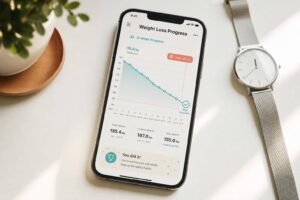
Weight Loss Progress Tracker
Track your weight loss over time, see progress clearly, and stay motivated with simple charts, summaries, and goal-based insights.
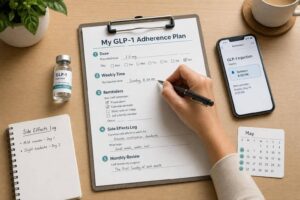
How to Create a Personalized Adherence Plan
Build a one-page GLP-1 adherence plan: record dose, pick a weekly time, set reminders, log side effects, and review monthly.

Weight Loss Medication Dosage Calculator
Estimate weight loss medication doses by weight and drug type, with starting guidance, dose progression info, and a clear medical disclaimer.


