Are Compounded GLP-1 Medications FDA Approved?
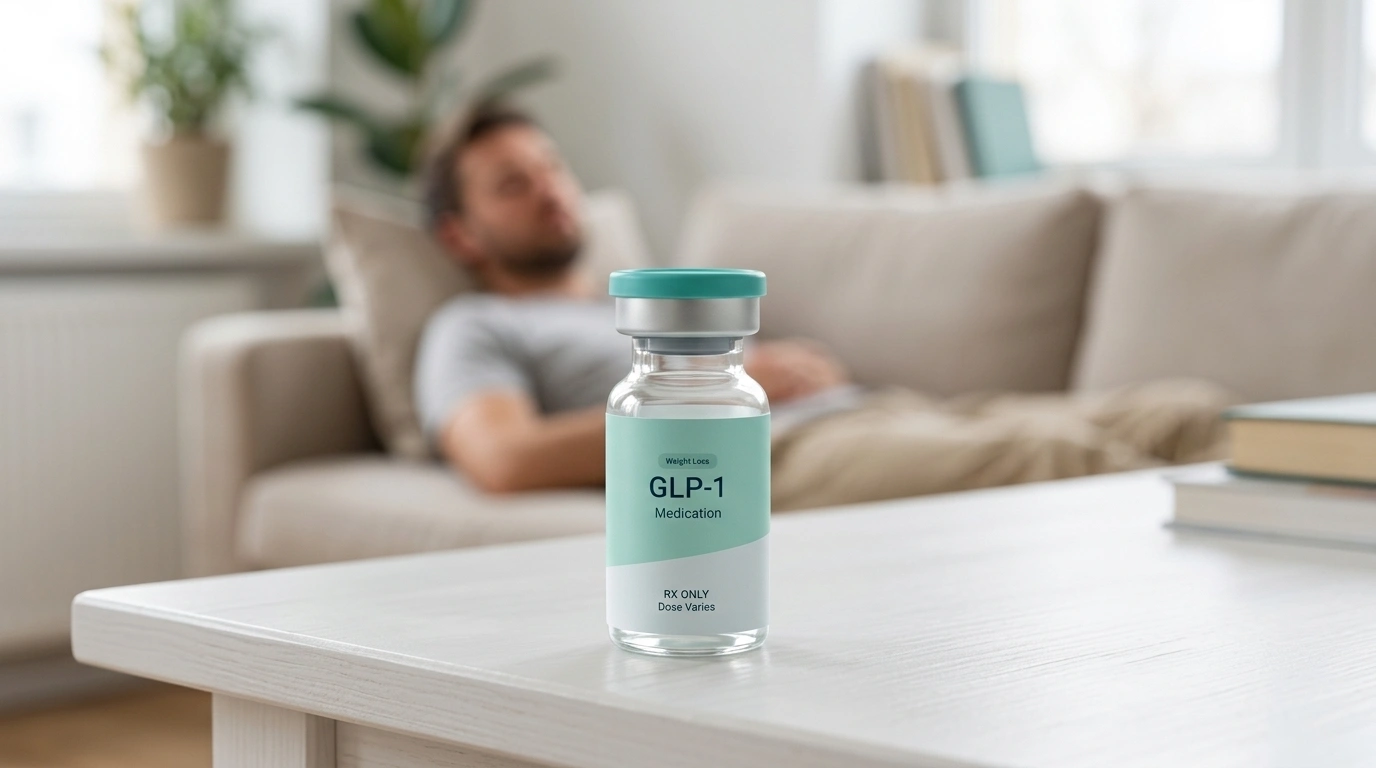
Introduction
Navigating the world of medical weight loss often feels like learning a new language. If you have been researching options to manage your metabolic health, you have likely encountered terms like Semaglutide, Tirzepatide, and various brand-name medications. Perhaps most confusing is the distinction between “branded” and “compounded” versions of these treatments. A central question for many is: are compounded glp 1 fda approved?
At TrimRx, we believe that transparency is the foundation of a successful health journey. Understanding the regulatory status of your medication is essential for your peace of mind and safety. This article will clarify the legal and clinical standing of compounded medications, explain how they differ from branded alternatives, and help you understand the rigorous standards used to ensure quality. By the end of this discussion, you will have a clear understanding of why these medications exist, how they are regulated, and what that means for your personalized weight loss program. If you are exploring whether a prescription program may be appropriate, you can complete a free eligibility assessment.
Understanding GLP-1 Receptor Agonists
Before addressing the regulatory status of these medications, it is helpful to understand what they are and how they function within the body. GLP-1 stands for glucagon-like peptide-1. This is a hormone naturally produced in the intestines that plays a critical role in how your body processes sugar and signals fullness to the brain.
GLP-1 receptor agonists are a class of medications that mimic this natural hormone. When you take a GLP-1 medication, it binds to receptors in the body to perform several key functions. It prompts the pancreas to release insulin after eating, which helps manage blood sugar. It also slows down gastric emptying, meaning food stays in your stomach longer. Finally, it sends signals to the brain’s appetite center, helping you feel satisfied with smaller portions.
Common base molecules in this class include Semaglutide and Tirzepatide. While these molecules have been studied extensively for their role in treating type 2 diabetes and obesity, they are delivered to patients in two primary ways: as commercially manufactured branded products or as compounded preparations. For additional background, review this guide to what compounded semaglutide medicines are and how they work.
The Core Question: Are Compounded GLP-1 Medications FDA Approved?
Quick Answer: No, compounded medications are not FDA-approved. While the individual active ingredients (like Semaglutide) may be the base of FDA-approved drugs, the specific “recipe” or finished product created by a compounding pharmacy does not undergo the formal FDA new drug approval process.
To understand this answer, it is necessary to distinguish between an FDA-approved drug and an FDA-regulated pharmacy. The distinction is subtle but vital for anyone considering these treatments. This overview of compounding pharmacy semaglutide explains how the medication category differs from branded products.
The FDA Approval Process for Branded Drugs
When a pharmaceutical company develops a new medication like Ozempic®, Wegovy®, Mounjaro®, or Zepbound®, they must put that specific product through years of clinical trials. The FDA reviews the data to ensure the drug is safe and effective for its intended use. Once approved, the manufacturer must follow a very specific, unchanging formula and manufacturing process. The “approval” applies to that specific finished product, in its specific dose and packaging.
The Nature of Compounding
Compounding is the practice of creating a customized medication tailored to the needs of an individual patient. Because these medications are mixed “on-demand” by a pharmacist based on a specific prescription, they cannot go through the standard FDA approval process, which is designed for mass-produced, identical units.
Key Takeaway: While a compounded GLP-1 is not “FDA-approved,” it is a legal and recognized category of medication, provided it is prepared by a licensed pharmacy following federal and state regulations.
Why Compounded Medications Are Legally Permitted
If compounded medications are not FDA-approved, you might wonder why they are available at all. The answer lies in federal law and the need for patient access to essential treatments.
The FDA recognizes that some patients have medical needs that cannot be met by mass-produced drugs. For example, a patient might have an allergy to a specific dye or preservative used in a branded medication. In other cases, a patient may need a liquid version of a pill they cannot swallow. Under Section 503A of the Federal Food, Drug, and Cosmetic Act, licensed pharmacists are permitted to compound medications for individual patients based on valid prescriptions.
The Impact of Drug Shortages
A major reason for the current prevalence of compounded GLP-1 medications is the FDA Drug Shortage List. When a branded medication is in short supply, the law allows compounding pharmacies to prepare versions of that drug to ensure patients do not experience a gap in care.
Because medications like Wegovy® and Zepbound® have seen unprecedented demand, they have frequently appeared on the official shortage list. During these periods, compounding pharmacies can play a vital role in the healthcare system by providing access to the underlying active ingredients, such as Semaglutide or Tirzepatide, even though the finished compounded product is not itself “FDA-approved.” You can also explore this guide to where to buy compounded semaglutide safely.
How Compounding Pharmacies are Regulated
Even though the specific compounded drug is not approved, the pharmacies that make them are subject to significant oversight. This is where the safety of your medication is managed.
Compounding pharmacies are generally governed by two levels of authority:
- State Boards of Pharmacy: These boards oversee the licensing and daily operations of pharmacies within their borders. They ensure that pharmacists are following established safety protocols and professional standards.
- The FDA: While the FDA does not “approve” the compounded drugs, it does have the authority to inspect compounding facilities.
503A vs. 503B Pharmacies
There are two types of compounding facilities recognized by the FDA:
- 503A Pharmacies: These are traditional pharmacies that compound medications for specific, individual patients. They are regulated primarily by state boards.
- 503B Outsourcing Facilities: These facilities are permitted to compound medications in larger batches. They are subject to much stricter FDA oversight and must follow Current Good Manufacturing Practices (cGMP), which are the same standards followed by large pharmaceutical manufacturers.
We ensure that the pharmacies in our network are reputable, licensed, and held to high standards of quality and safety. By working with FDA-registered and inspected facilities, we prioritize the integrity of the medication you receive.
Branded vs. Compounded: Key Differences
When choosing between a branded GLP-1 and a compounded version, it is important to weigh the differences in how they are brought to market and how they are used.
| Feature | Branded GLP-1 (e.g., Wegovy®) | Compounded GLP-1 (e.g., Semaglutide) |
|---|---|---|
| FDA Status | FDA-approved finished product | Not FDA-approved finished product |
| Ingredients | Set formula with specific additives | Base molecule (Semaglutide/Tirzepatide) |
| Customization | Standardized doses only | Ability to adjust dose for sensitivity |
| Availability | Subject to manufacturing shortages | Generally available during shortages |
| Oversight | Manufactured in FDA-approved plants | Prepared in licensed compounding pharmacies |
Bottom line: Branded medications offer the certainty of the FDA’s “gold standard” approval process, while compounded medications offer flexibility and access, particularly when branded versions are unavailable or do not meet a patient’s specific needs.
Safety Considerations and Quality Control
The safety of any medication depends on its source and the oversight of a medical professional. Because compounded GLP-1s are not FDA-approved, the responsibility for quality control shifts to the pharmacy and the platform connecting you to treatment.
Ingredient Purity
A major concern with compounded medications is the source of the active pharmaceutical ingredient (API). High-quality compounding pharmacies use ingredients that are sourced from FDA-registered facilities and come with a Certificate of Analysis (COA). This certificate confirms the purity and potency of the ingredient.
Sterility and Stability
Injectable GLP-1 medications must be sterile to prevent infection. Pharmacies must follow strict guidelines (such as USP <797> standards) for preparing sterile medications. They also perform stability testing to ensure the medication remains effective until its expiration date.
The Risk of “Off-Brand” Sources
It is critical to avoid obtaining GLP-1 medications from “research chemical” websites or unauthorized sellers. These sources are not pharmacies, are not regulated, and the safety of their products cannot be verified. Always ensure your medication comes from a legitimate, licensed pharmacy through a supervised medical program.
Myth: Compounded medications are “fake” versions of branded drugs.
Fact: Compounded medications use the same base chemical molecules (like Semaglutide) found in branded drugs. While they are not the branded product itself, they are legal preparations made by licensed pharmacists to help patients meet their health goals.
The Role of Medical Supervision
Whether you choose a branded or compounded medication, you should never embark on a GLP-1 journey alone. These are powerful medications that affect your metabolic system, and they require a doctor’s prescription and ongoing monitoring.
At TrimRx, our platform connects you with licensed healthcare providers who specialize in weight management. This clinical oversight is essential for several reasons:
- Eligibility Screening: A provider must review your medical history, BMI, and current health status to ensure a GLP-1 is safe for you.
- Dose Titration: GLP-1 medications are typically started at a low dose and gradually increased. This helps your body adjust and minimizes side effects. A provider manages this schedule.
- Side Effect Management: While many people tolerate GLP-1s well, some experience gastrointestinal issues like nausea or constipation. A medical professional can offer guidance on managing these symptoms.
- Health Optimization: Weight loss is about more than just a number on the scale. A provider can help you monitor other health markers, such as blood pressure and glucose levels, as you lose weight.
If you are ready to determine whether a medically supervised prescription program may fit your needs, you can take the free assessment quiz.
Managing Common Side Effects
If you are prescribed a compounded GLP-1 medication, you should be aware of potential side effects. These are generally the same as those associated with branded versions, as they are caused by the active ingredient’s effect on the digestive system.
- Nausea: This is the most common side effect, especially when starting the medication or increasing a dose.
- Digestion Changes: Some patients experience constipation or diarrhea as the body adjusts to slower gastric emptying.
- Fatigue: A reduction in calorie intake and metabolic shifts can sometimes lead to temporary tiredness.
For a broader overview, read this guide to common GLP-1 side effects and what to expect.
To support your body during this process, many individuals find it helpful to focus on hydration and nutrient density. We offer supplements like GLP-1 Daily Support to help provide the essential nutrients your body needs when appetite is reduced. Additionally, the Weight Loss Boost supplement can support metabolic energy levels during your transition.
Note: If you experience severe abdominal pain, persistent vomiting, or signs of an allergic reaction, you should contact your healthcare provider immediately.
Why Many Choose a Personalised Program
The search for “are compounded glp 1 fda approved” often stems from a desire for a safer, more affordable, or more accessible path to weight loss. Many individuals turn to personalized telehealth programs because they offer a level of convenience and support that traditional clinics may lack.
Our process is designed to be thorough yet simple, ensuring you receive the care you need without the stress of navigating a complex healthcare system.
Step 1: The Initial Assessment
You begin by taking a free assessment quiz. This collects vital information about your health history, weight loss goals, and any previous experiences with medication.
Step 2: Provider Review
A licensed healthcare professional reviews your information. They determine if you are a candidate for a GLP-1 medication and which formulation—whether injectable or oral—best fits your lifestyle and health profile.
Step 3: Pharmacy Preparation
If a prescription is written, it is sent to one of the licensed compounding pharmacies in our network. The pharmacist prepares your customized medication according to the provider’s exact specifications.
Step 4: Discrete Shipping and Support
The medication is shipped directly to your door in temperature-controlled packaging. You also gain 24/7 access to a dedicated team to answer your questions and support you throughout your journey.
For a closer look at the process, review this guide to how to get weight loss medication.
Long-term Success with GLP-1 Medications
It is important to remember that GLP-1 medications, whether branded or compounded, are tools to support a healthier lifestyle. They are most effective when combined with meaningful changes to nutrition and physical activity.
Sustainable weight loss is not a sprint; it is a marathon. By using these medications to manage hunger and cravings, you create the “mental space” necessary to build better habits. Many patients find that once the constant noise of hunger (often called “food noise”) is quieted, they can finally make the choices they have always wanted to make.
As you progress, your provider will help you evaluate your results and adjust your treatment plan as needed. This personalized approach ensures that the program evolves with you.
Summary of Key Regulatory Points
As we have explored, the world of compounded medications is defined by careful regulation and specific legal allowances. Here is a summary of the most important takeaways:
- Compounded GLP-1s are not FDA-approved as finished drug products.
- The active ingredients (Semaglutide/Tirzepatide) are the same molecules found in FDA-approved branded drugs.
- Compounding is a legal practice under Section 503A and 503B of the Federal Food, Drug, and Cosmetic Act.
- Compounding pharmacies are licensed by state boards and can be inspected by the FDA.
- These medications provide a critical alternative during drug shortages or for patients with specific customization needs.
Finding the Right Path for Your Health
Choosing a weight loss treatment is a personal decision that should be made in consultation with a qualified professional. While the “FDA-approved” label on branded medications provides a high degree of confidence, compounded medications offer a legitimate, regulated, and often more accessible path for many.
At TrimRx, our mission is to empower you with the tools and information you need to take control of your metabolic health. We combine clinical expertise with a supportive, telehealth-first model to make science-backed weight loss achievable. Whether you are just beginning to research GLP-1s or are ready to take the first step, we are here to provide a clear, safe, and personalized experience.
The most important step is the first one. By educating yourself on the safety and regulation of these treatments, you are already well on your way to making an informed decision for your future self. When you are ready, find out if GLP-1 medications are right for you.
FAQ
Is it legal to buy compounded GLP-1 medications?
Yes, it is legal to purchase compounded GLP-1 medications, provided they are prescribed by a licensed healthcare provider and dispensed by a licensed compounding pharmacy. These pharmacies operate under specific federal and state regulations that allow them to create customized medications for individual patients, especially during periods of drug shortages.
Are compounded medications as safe as Ozempic® or Wegovy®?
While compounded medications do not undergo the same FDA-approval process as branded drugs like Ozempic® or Wegovy®, they can be safe when prepared by reputable, licensed compounding pharmacies. It is essential to ensure the pharmacy uses high-quality ingredients with a Certificate of Analysis and follows strict sterility standards.
Why doesn’t the FDA approve compounded drugs?
The FDA approval process is designed for mass-produced medications that are identical in every dose. Compounding is inherently a customized process where a pharmacist creates a unique preparation for an individual patient. Because every compounded medication can be slightly different, it is not possible for the FDA to “approve” each unique mixture as a standard drug product.
How do I know if my compounded medication is high quality?
You can verify the quality of your medication by ensuring it comes from a pharmacy that is licensed by its state board and, ideally, one that is an FDA-registered 503B outsourcing facility or a highly-rated 503A pharmacy. Working through a platform like ours ensures that your medication is sourced from pharmacies that meet rigorous standards for purity and safety. If you are ready to discuss your options with a licensed provider, complete the free assessment.
Disclaimer: This content is for informational purposes only and does not constitute medical advice. It is not intended to diagnose, treat, cure, or prevent any disease or condition. Individual results may vary. Always consult a qualified healthcare professional before starting any weight loss program or medication.

Transforming Lives, One Step at a Time
Keep reading
Weight Loss Progress Tracker
Track your weight loss over time, see progress clearly, and stay motivated with simple charts, summaries, and goal-based insights.
How to Create a Personalized Adherence Plan
Build a one-page GLP-1 adherence plan: record dose, pick a weekly time, set reminders, log side effects, and review monthly.

Weight Loss Medication Dosage Calculator
Estimate weight loss medication doses by weight and drug type, with starting guidance, dose progression info, and a clear medical disclaimer.


