How Long Does It Take for GLP-1 to Take Effect?
Introduction
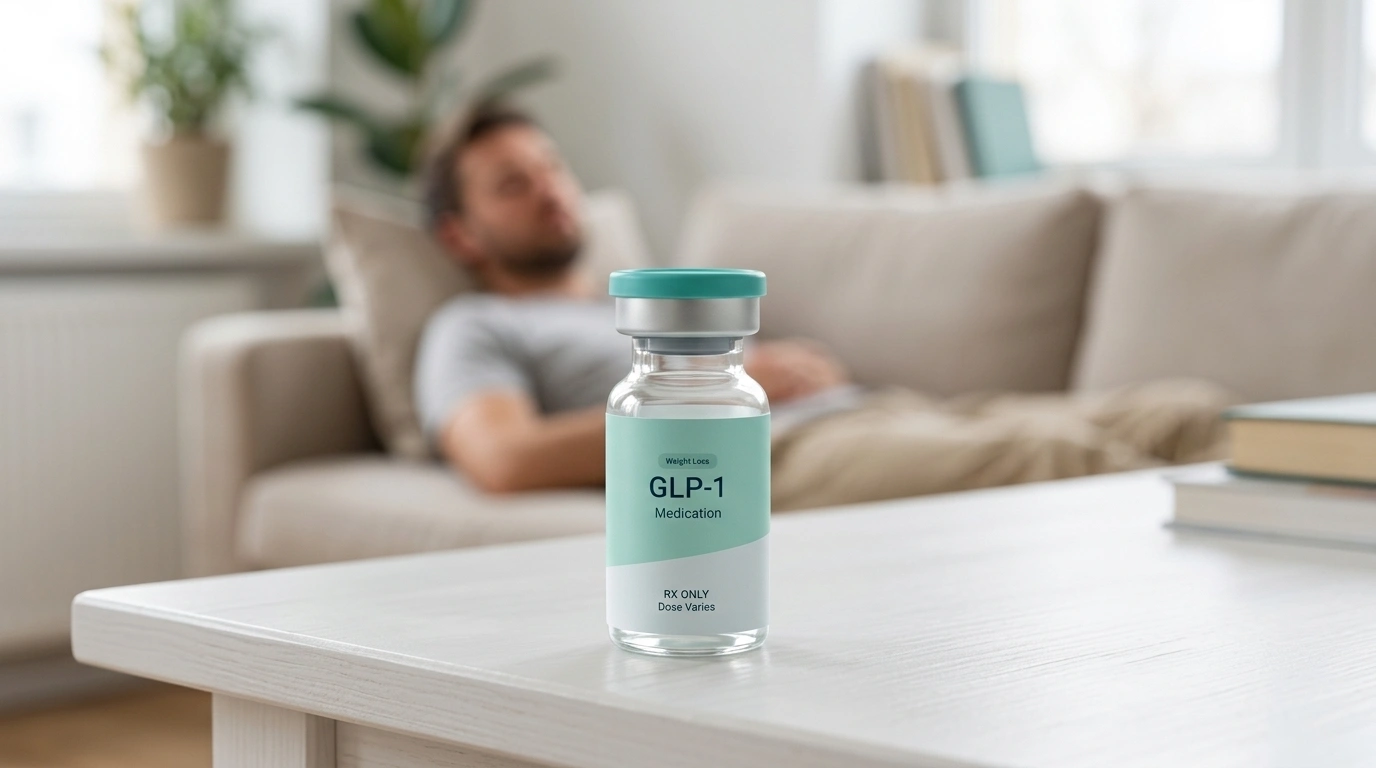
Starting a weight loss journey often feels like a race against your own frustration. After years of trying different diets and exercise routines with minimal success, it is natural to want to see results the moment you begin a new treatment. If you are considering GLP-1 medications, you have likely heard stories of significant weight loss, but you may be wondering exactly how long it takes for GLP-1 to take effect in your own body.
At TrimRx, we believe that understanding the physiological timeline of these medications is the first step toward a successful, sustainable transformation. While some biological changes happen within hours, visible weight loss is a gradual process that builds over several months. This post covers what happens in your body from the first dose to the one-year milestone. Each person’s metabolic health is unique, but following a personalized program helps ensure you are moving toward your goals at a safe and effective pace. If you are exploring whether treatment may be appropriate for you, you can take the free assessment quiz.
What is GLP-1 and How Does It Work?
To understand the timeline, we must first look at what these medications actually do. GLP-1 stands for glucagon-like peptide-1. This is a hormone that your body naturally produces in the intestines. It plays a critical role in how you process food and how your brain perceives hunger.
GLP-1 medications are known as receptor agonists. In plain English, this means they “mimic” the natural hormone but stay in your system much longer. While your natural GLP-1 hormone might last only a few minutes after a meal, these medications are designed to provide a steady, long-lasting signal to your body. For additional background, read this guide to how GLP-1 medications work for weight loss.
The Three Main Mechanisms of Action
The Brain: The medication targets the satiety centers in your brain. This helps reduce “food noise,” which is the persistent, intrusive thoughts about eating that many people struggle with. By quieting these signals, the medication makes it easier to make healthy choices.
The Stomach: These medications slow down gastric emptying. This is the medical term for how quickly food moves from your stomach into your small intestine. When food stays in the stomach longer, you feel physically full for an extended period after eating a smaller portion.
The Pancreas and Liver: GLP-1 helps the pancreas release the right amount of insulin when blood sugar levels are high. It also tells the liver to stop producing too much sugar. This stabilizes energy levels and helps manage metabolic health.
Key Takeaway: GLP-1 medications work by mimicking a natural hormone to quiet hunger signals in the brain and slow down digestion in the stomach, leading to a natural reduction in calorie intake.
The Immediate Timeline: The First 72 Hours
Many people wonder if they will feel different immediately after their first injection. On a molecular level, the medication begins to bind to receptors within hours. However, the physical sensation of the drug “kicking in” varies. A related tirzepatide timeline guide explains how early appetite changes can differ between individuals.
Peak Concentration
Most weekly GLP-1 injections reach their maximum concentration in the bloodstream roughly 24 to 72 hours after the dose is administered. During this window, you may begin to notice the first subtle shifts in your physiology.
The First Signs of Activation
For some individuals, the first sign that the medication is working is a sudden lack of interest in snacks or a feeling of “early satiety” (feeling full after just a few bites). For others, the first sign may be a mild side effect, such as slight nausea. It is important to remember that not feeling anything in the first three days does not mean the medication isn’t working; it simply means your body is beginning the adjustment phase.
Weeks 1 to 4: The Introduction Phase
The first month of any GLP-1 program is focused on titration. This is the process of starting at a very low dose and gradually increasing it. The goal of this phase is not rapid weight loss, but rather allowing your body to acclimate to the medication with minimal discomfort. This semaglutide timeline guide offers another look at how early treatment progresses.
Managing Expectations
Because you are on a “starter dose” during the first four weeks, you might not see the scale move significantly. Many clinical providers use this time to monitor for side effects like nausea, bloating, or changes in bowel habits.
Reduction in Food Noise
While the scale may stay steady, most patients report a significant mental shift during the first month. The “food noise” that previously drove cravings often begins to fade. You might find yourself forgetting to reach for a mid-afternoon snack or feeling indifferent to foods that used to feel irresistible. This is a sign that the medication is successfully interacting with the brain’s hunger pathways.
Quick Answer: Most people notice a reduction in hunger and “food noise” within the first 1 to 2 weeks, but visible weight loss on the scale typically begins between weeks 4 and 8 as the dosage increases.
Months 1 to 3: The Momentum Phase
As you move into the second and third months, your provider will typically increase your dosage. This is where most people begin to see a steady trend on the scale. For a week-by-week comparison, review this tirzepatide results timeline.
Metabolic Adjustment
By month two, the concentration of the medication in your system has reached a “steady state.” Your digestion has slowed consistently, and your body is becoming more efficient at managing blood sugar levels. This is usually when weight loss becomes more predictable, often averaging one to two pounds per week for many individuals.
Clothing and Energy Levels
During this phase, you may notice “non-scale victories.” Your clothes may start to fit differently, and your energy levels may stabilize because you are no longer experiencing the blood sugar spikes and crashes associated with high-sugar or high-calorie meals. For additional energy and metabolic support during weight loss, consider the Weight Loss Boost supplement.
Note: Weight loss is rarely a perfectly straight line. It is normal to have weeks where the scale stays the same followed by weeks where it drops. Consistency with the medication and lifestyle habits is what drives the long-term trend.
Months 3 to 6: The Payoff Phase
For many, the window between three and six months is where the most significant transformation occurs. By this time, you are likely at or near your therapeutic dose—the level at which the medication provides maximum benefit. If you are comparing treatment timelines, this semaglutide versus tirzepatide overview provides additional context.
Reaching Clinical Milestones
Clinical studies of medications like Wegovy® and Zepbound® show that patients often hit the “5% weight loss” milestone during this period. Losing 5% of your total body weight is considered a major clinical success because it is the point where metabolic health markers—like blood pressure and cholesterol—often begin to show marked improvement.
The Role of Habit Formation
By six months, the medication has acted as a “bridge,” allowing you to establish new eating habits without the constant interference of intense hunger. This is the time when the combination of the medication and a personalized program really shines, as the physical changes are supported by long-term lifestyle shifts.
6 Months to 1 Year and Beyond: Maintenance and Long-Term Results
GLP-1 medications are designed for long-term metabolic support. Research suggests that the most significant weight loss often occurs within the first 12 to 18 months of treatment. This tirzepatide month-by-month guide explores how progress can continue over a longer treatment period.
The Plateau
It is common to hit a plateau after several months. This is not a sign of the medication “failing.” Instead, it is your body reaching a new set point. Your metabolism naturally adapts to your lower weight, and your calorie needs change. At this stage, your provider may adjust your dose or focus on preserving muscle mass through increased protein intake and resistance training.
Sustaining the Change
Studies have shown that for many individuals, obesity is a chronic condition that requires ongoing management. While some people may eventually transition to a lower maintenance dose, the goal of the one-year mark is to have achieved a significantly healthier weight and improved metabolic profile that can be sustained for years to come.
Comparison of Common GLP-1 Timelines
While every medication in this class works similarly, there are nuances in how quickly patients respond based on the specific molecule.
| Feature | Semaglutide (e.g., Ozempic®, Wegovy®) | Tirzepatide (e.g., Mounjaro®, Zepbound®) |
|---|---|---|
| Mechanism | Single Agonist (GLP-1) | Dual Agonist (GLP-1 + GIP) |
| First Signs | Usually 1–2 weeks | Often within the first week |
| Titration Schedule | Increases every 4 weeks | Increases every 4 weeks |
| Peak Weight Loss | Typically 15% at 68 weeks | Typically 20%+ at 72 weeks |
| Availability | Branded & Compounded | Branded & Compounded |
Note: Compounded Semaglutide and Compounded Tirzepatide are not FDA-approved. They are prepared by FDA-registered and inspected compounding pharmacies to help meet patient needs when branded options are unavailable or unsuitable.
Factors That Influence How Fast You See Results
No two bodies are exactly alike. Several factors can speed up or slow down your GLP-1 timeline.
1. Starting BMI and Body Composition
Individuals with a higher starting weight often see a larger numerical drop on the scale in the first few weeks. However, the percentage of body weight lost is a more accurate measure of progress.
2. Metabolic Rate and Age
Age and existing metabolic conditions, such as PCOS (Polycystic Ovary Syndrome) or Type 2 Diabetes, can influence how the body responds to the hormone signals. Those with insulin resistance may find that the initial phase is focused more on stabilizing blood sugar before the weight begins to drop.
3. Dietary Choices
While the medication reduces appetite, the quality of the food you eat still matters. High-protein diets help preserve muscle mass, which is essential for keeping your metabolism active. We often recommend prioritizing lean proteins and fiber to support the medication’s effects. GLP-1 Daily Support can provide daily nutritional support designed for people whose appetite changes during treatment.
4. Activity Levels
Incorporating movement does more than just burn calories; it improves insulin sensitivity and helps the medication work more effectively. Even daily walking can significantly impact the speed of your results.
5. Hydration and Sleep
Dehydration can mimic hunger and worsen side effects like constipation or fatigue. Similarly, poor sleep can disrupt the very hormones (ghrelin and leptin) that the GLP-1 medication is trying to balance.
Why Some People See Results Faster Than Others
Myth: If I don’t lose weight in the first week, the medication isn’t working for me. Fact: The first month is a “starter phase” designed to let your body adjust. Many people do not see significant weight loss until they reach higher therapeutic doses in months two or three.
There is a small percentage of people known as “non-responders” who do not see significant weight loss even at high doses. However, this is rare. Most “slow starts” are simply a result of the body taking extra time to repair metabolic pathways or the individual being more sensitive to the titration process.
Managing the Early “Biological Lag”
It is helpful to view the first few weeks as a “biological lag” period. Your brain and gut are learning a new way of communicating. During this time, it is vital to stay in close contact with your support team. Practical guidance on early treatment experiences is available in this tirzepatide first-month guide.
What to do if you aren’t seeing progress yet:
- Check your protein intake: Ensure you are getting enough to protect your muscles.
- Monitor your “food noise”: Even if the scale hasn’t moved, has your relationship with food changed?
- Stay hydrated: Aim for at least 80–100 ounces of water daily.
- Be patient: Remember that titration is a safety measure, not a delay in your success.
How TrimRx Supports Your Timeline
We understand that the “waiting game” can be the hardest part of weight loss. That is why our platform is designed to provide more than just a prescription. We offer a comprehensive approach that bridges the gap between starting a medication and seeing the results you desire.
Our personalized programs take into account your health history and goals. We connect you with licensed providers who oversee your titration schedule, ensuring you move through the dosage levels safely. By providing access to Compounded Semaglutide and Compounded Tirzepatide from FDA-registered and inspected pharmacies, we help you start your journey without the hurdles of traditional waiting rooms.
Beyond the medication, we offer 24/7 access to specialists who can answer questions about your specific timeline. Whether you need advice on managing a side effect or want to understand why your weight loss has slowed, our team is there to guide you. We also offer supplements like GLP-1 Daily Support to help manage your nutritional needs as your appetite changes.
Bottom Line: A Marathon, Not a Sprint
The answer to “how long does it take for GLP-1 to take effect” is that biological changes begin within hours, appetite suppression starts within days, and visible weight loss takes a few weeks to become consistent.
Key Takeaway: Real, sustainable weight loss is a cumulative process. The most successful patients are those who view the first 3 months as an adjustment period and the first 12 months as the primary transformation window.
Your Next Steps
- Assess Your Eligibility: Take our free assessment quiz to see if a GLP-1 program is right for your health profile.
- Consult a Provider: Work with a licensed professional to determine your starting dose and titration plan.
- Prepare Your Environment: Focus on high-protein groceries and hydration to support the medication from day one.
- Track the Right Metrics: Look for changes in hunger, energy, and clothing fit, not just the number on the scale.
At TrimRx, our mission is to help you navigate this timeline with confidence. We combine clinical expertise with modern technology to deliver a program that is transparent, personalized, and focused on your long-term metabolic health. Your journey is unique, and we are here to support every step of it.
FAQ
Can I skip the low starting dose to see results faster?
No, it is essential to follow the titration schedule prescribed by your healthcare provider. Starting at a high dose can cause severe gastrointestinal side effects, such as intense nausea or vomiting, which may lead to you stopping the medication altogether. The low starter dose is designed to help your body adapt safely.
Why did I lose weight the first week but stop in the second?
The initial drop in weight is often due to a reduction in inflammation and water weight as your body begins to process sugar and insulin more efficiently. A “stall” in week two or three is very common as your body reaches a temporary equilibrium. True fat loss will become more consistent once you reach the therapeutic dosage levels.
Does the medication work faster if I exercise more?
Exercise improves insulin sensitivity and metabolic health, which can help the medication work more effectively. While it may not “speed up” the chemical absorption of the drug, regular physical activity—especially resistance training—helps ensure that the weight you lose is fat rather than muscle, leading to a better long-term result.
What if I don’t feel any appetite suppression after my first shot?
It is completely normal not to feel a dramatic change immediately. Some individuals are more sensitive to the hormone signals and feel them right away, while others need the medication to build up in their system over several weeks. Stay consistent with your dosing, and you will likely notice changes as you move to the next dosage level. If you are considering whether a personalized program may be appropriate, complete a free eligibility assessment.
Disclaimer: This content is for informational purposes only and does not constitute medical advice. It is not intended to diagnose, treat, cure, or prevent any disease or condition. Individual results may vary. Always consult a qualified healthcare professional before starting any weight loss program or medication.

Transforming Lives, One Step at a Time
Keep reading
Weight Loss Progress Tracker
Track your weight loss over time, see progress clearly, and stay motivated with simple charts, summaries, and goal-based insights.

How to Create a Personalized Adherence Plan
Build a one-page GLP-1 adherence plan: record dose, pick a weekly time, set reminders, log side effects, and review monthly.

Weight Loss Medication Dosage Calculator
Estimate weight loss medication doses by weight and drug type, with starting guidance, dose progression info, and a clear medical disclaimer.


