Does GLP-1 Cause Dehydration? Understanding Hydration Needs During Treatment
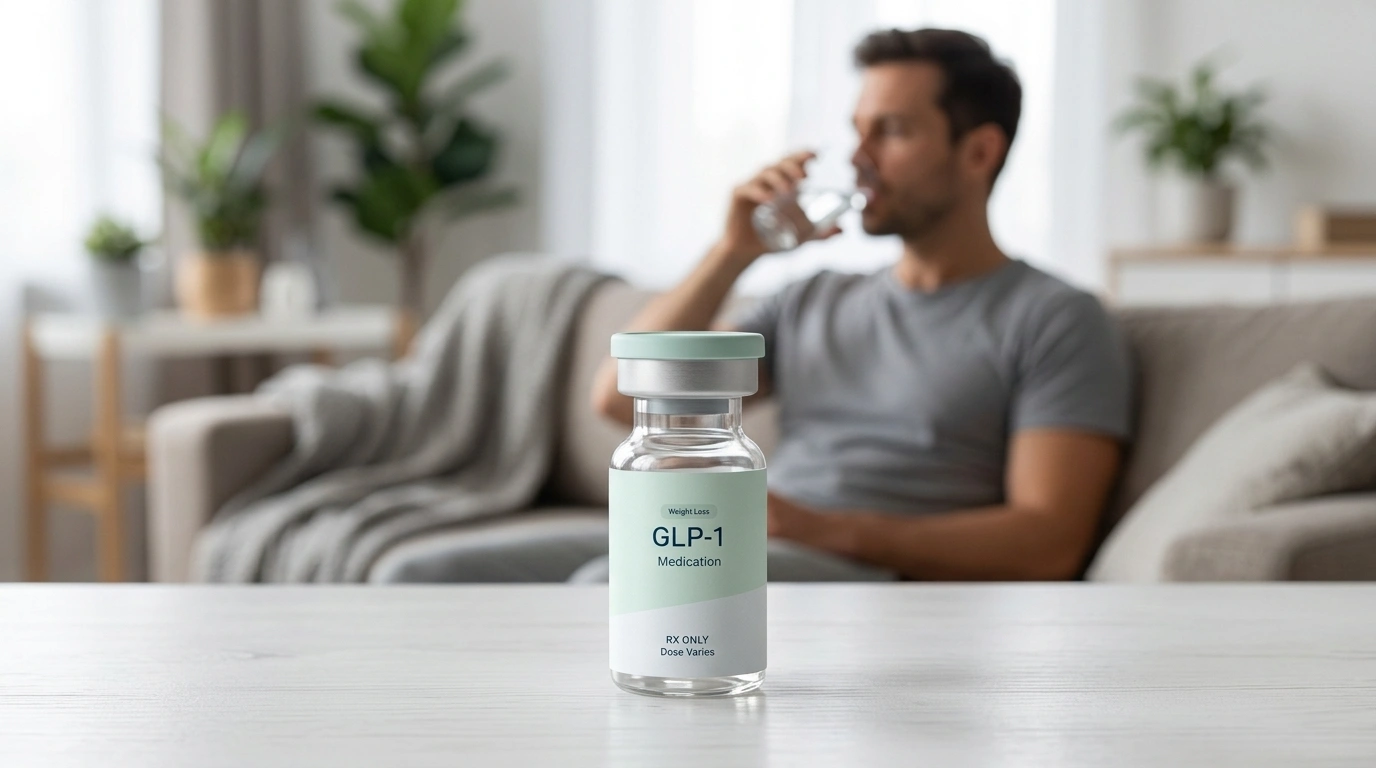
Imagine waking up one morning feeling more energetic and lighter, ready to take on the day. For many individuals undergoing weight loss treatment with GLP-1 receptor agonists, this scenario is becoming a reality. However, while these medications can support weight loss and improve overall health, they also come with certain side effects that need attention, one of which is dehydration.
In this blog post, we will explore the connection between GLP-1 medications and dehydration, examining how these medications work, the potential side effects, and the importance of hydration throughout the journey. By the end of this post, we aim to provide you with a clear understanding of how to manage hydration while benefiting from GLP-1 treatments, ensuring a safe and effective weight loss experience.
Introduction
The prevalence of obesity and type 2 diabetes is on the rise globally, leading to an increased interest in effective treatments. Glucagon-like peptide-1 (GLP-1) receptor agonists, such as semaglutide and liraglutide, have emerged as promising options for managing weight and improving glycemic control. These medications work by mimicking the GLP-1 hormone, which plays a crucial role in appetite regulation and insulin secretion.
However, like any treatment, GLP-1 medications are not without their side effects. One concern that has surfaced is the potential for dehydration. It’s essential to understand the mechanics behind this and how to mitigate risks while on GLP-1 therapy.
In this blog, we will delve into the following topics:
- An overview of GLP-1 medications and how they function.
- The side effects commonly associated with GLP-1 treatments.
- The relationship between GLP-1 medications and dehydration.
- Best practices for maintaining hydration during treatment.
- The role of TrimRx in providing personalized support for weight loss.
So, how does GLP-1 cause dehydration, if at all? Let’s explore this important question.
Understanding GLP-1 Medications
GLP-1 receptor agonists are a class of medications designed to assist in weight management and blood sugar control. They work by stimulating insulin secretion in response to food intake, inhibiting glucagon release, and slowing gastric emptying, which promotes a feeling of fullness.
Mechanism of Action
-
Insulin Secretion: GLP-1 medications enhance the body’s natural ability to release insulin, particularly after meals, which helps to lower blood sugar levels effectively.
-
Decreased Appetite: By acting on specific receptors in the brain, GLP-1 agonists can reduce hunger and increase satiety, which helps individuals consume fewer calories.
-
Slowed Gastric Emptying: These medications delay the emptying of the stomach’s contents, further contributing to feelings of fullness and reducing food intake.
While these mechanisms contribute to their effectiveness, they also lead to several common side effects, including nausea, vomiting, and diarrhea. These gastrointestinal effects can lead to fluid loss, raising concerns about dehydration.
Common Side Effects of GLP-1 Medications
Individuals taking GLP-1 medications may experience various side effects. Understanding these can help users prepare and manage any potential issues.
-
Gastrointestinal Distress: Nausea and vomiting are among the most frequently reported side effects. These symptoms often occur, especially when starting the medication or increasing the dose.
-
Diarrhea: Along with nausea, some individuals may experience diarrhea, which can lead to additional fluid loss and further increase the risk of dehydration.
-
Constipation: Conversely, some users may experience constipation due to slowed gastric emptying, which can further complicate hydration needs.
-
Pancreatitis: Though rare, some individuals may develop pancreatitis while on GLP-1 medications. This condition can present with severe abdominal pain, nausea, and vomiting.
It’s important to note that while these side effects can be troubling, they often diminish over time as the body adjusts to the medication. However, the gastrointestinal side effects, particularly nausea and diarrhea, can significantly impact hydration levels.
The Connection Between GLP-1 Medications and Dehydration
How GLP-1 Medications May Contribute to Dehydration
Research indicates that GLP-1 receptor agonists can suppress thirst signals, which may lead to decreased fluid intake. Additionally, as mentioned earlier, the gastrointestinal side effects can lead to fluid loss. Here are some ways that dehydration can occur:
-
Reduced Fluid Intake: As appetite is suppressed and food intake decreases, the consumption of fluids may also decline, as individuals may not feel the same urge to drink.
-
Fluid Loss Through Vomiting and Diarrhea: The nausea and gastrointestinal symptoms associated with GLP-1 medications can lead to vomiting and diarrhea, which are direct causes of fluid loss.
-
Altered Thirst Response: Some studies suggest that GLP-1 receptor activation may lead to a reduced sensation of thirst, making it less likely for individuals to drink enough fluids throughout the day.
Implications of Dehydration
Dehydration can have serious consequences, especially for those on GLP-1 medications. Potential implications include:
- Kidney Problems: Severe dehydration can lead to acute kidney injury, particularly in individuals with pre-existing kidney conditions.
- Electrolyte Imbalance: Fluid loss can lead to imbalances in essential electrolytes, impacting overall health.
- Worsened Side Effects: Dehydration can exacerbate gastrointestinal symptoms, creating a cycle where dehydration leads to more severe side effects.
Maintaining Hydration During GLP-1 Treatment
Given the potential for dehydration while taking GLP-1 medications, it’s crucial to prioritize hydration. Here are several actionable strategies we can implement to stay hydrated:
-
Monitor Fluid Intake: Aim for at least 2 to 3 liters of fluid intake daily, adjusting based on activity level and climate conditions. Keep track of your daily intake to ensure you’re meeting your hydration needs.
-
Choose Hydrating Foods: Incorporate fruits and vegetables with high water content, such as cucumbers, watermelon, and oranges, into your diet. These foods can contribute to overall fluid intake.
-
Electrolyte Solutions: For those experiencing gastrointestinal symptoms, consider consuming electrolyte-rich beverages to help replenish lost fluids and maintain electrolyte balance.
-
Set Reminders: Use apps or alarms on your phone to remind you to drink water throughout the day, especially if you find it easy to forget.
-
Limit Caffeine and Alcohol: Both caffeine and alcohol can contribute to dehydration. Moderation is key, so be mindful of your intake of these beverages.
-
Consult Healthcare Professionals: Regularly check in with your healthcare provider or dietitian, especially if you experience any side effects. They can provide personalized recommendations to support your hydration needs.
The Role of TrimRx in Your Weight Loss Journey
At TrimRx, our commitment to personalized weight loss solutions extends to providing comprehensive support for our clients. We understand that individual experiences on GLP-1 medications can vary, and we are here to help you navigate this journey safely and effectively.
Personalized Assessment
Our free assessment quiz allows us to understand your unique needs and create a tailored weight loss plan that considers your hydration requirements and overall wellness. To see if you qualify for our prescription weight loss medications, we encourage you to take our quiz here.
Ongoing Support
Our platform fosters a supportive environment where you can receive continuous guidance and encouragement. We emphasize the importance of hydration and overall health, ensuring you have access to the resources you need to succeed.
Quick-Access Supplements
In addition to personalized prescriptions, we offer quick-access supplements like GLP-1 Daily Support and Weight Loss Boost, which can complement your journey. These products can help support your overall wellness during treatment. Explore our quick-access supplements here and here.
Conclusion
As we have explored, understanding the potential for dehydration while taking GLP-1 medications is crucial for ensuring a successful weight loss journey. While these medications offer significant benefits, it’s essential to remain vigilant about hydration to avoid complications.
By monitoring fluid intake, incorporating hydrating foods, and seeking ongoing support, we can navigate the challenges of GLP-1 treatments together. At TrimRx, we are dedicated to providing personalized care that respects each individual’s unique journey toward a healthier lifestyle.
If you are considering GLP-1 medications or are currently on them, take the time to evaluate your hydration practices and consult with us for comprehensive support tailored to your needs.
FAQ
How much water should I drink while on GLP-1 medications?
While individual hydration needs may vary, aim for at least 2 to 3 liters of fluid intake daily. Adjust based on factors such as activity level and climate.
What should I do if I experience nausea or vomiting on GLP-1 medications?
If you experience nausea or vomiting, it’s important to monitor your hydration closely. Consider electrolyte solutions to replenish lost fluids and consult with your healthcare provider for further guidance.
Can I take other supplements while on GLP-1 medications?
Yes, but it’s essential to consult with your healthcare provider or dietitian to ensure that any supplements you consider are safe and appropriate for your specific situation.
Are there specific foods that can help with hydration?
Yes, consuming fruits and vegetables with high water content, such as cucumbers, melons, and oranges, can contribute to your daily fluid intake.
How can I assess if I’m dehydrated?
A simple way to check hydration status is by observing the color of your urine. Pale yellow indicates adequate hydration, while dark yellow or amber suggests you may need to increase fluid intake.
By prioritizing hydration and utilizing the support available through TrimRx, we can work together to achieve your weight loss goals safely and effectively.

Transforming Lives, One Step at a Time
Keep reading

Mons Pubis Fat Loss on GLP-1s: The “Pubic Area” Change Nobody Mentions
One change that surprises people on GLP-1 medications rarely comes up in conversation: the mons pubis, the soft fat pad over the pubic bone,…

How to Adjust Weight Loss Goals on GLP-1 Medications
Adjust weight goals on GLP-1 meds by tracking body composition and labs, optimizing protein, activity, sleep, and working with your provider on dosing.
Falsified Mounjaro pens prompt urgent safety advisory
MHRA warns of counterfeit Mounjaro pens (batch D873576); stop use and check batch numbers for infection risk.


