How Long Is an Ozempic Pen Good For?
Introduction
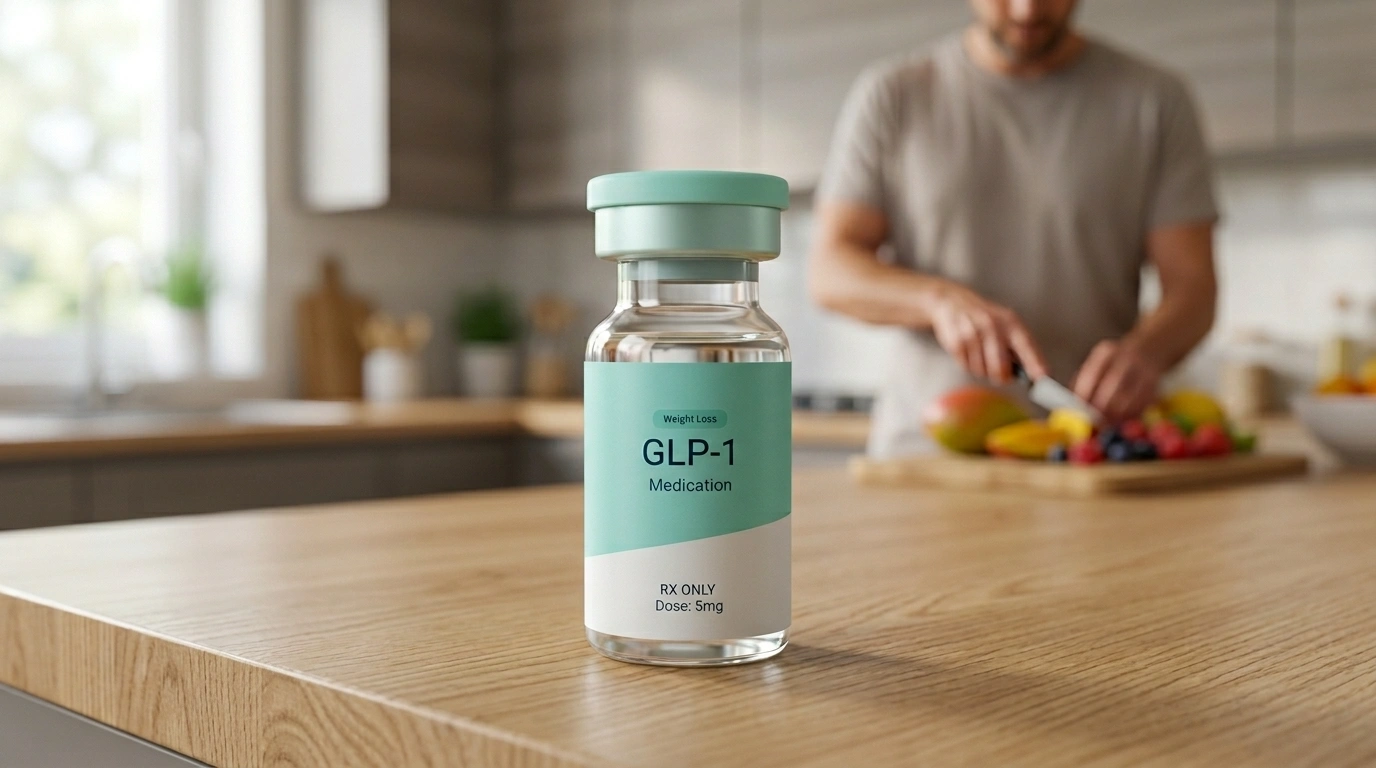
Managing a weight loss journey involves more than just tracking progress and adjusting habits; it also requires a clear understanding of the tools you are using. For many, that tool is a medication like Ozempic®, a branded semaglutide injection that has become a cornerstone of modern metabolic health. You might find yourself staring at your pen in the refrigerator, wondering if it is still effective after a month of use or if you can still use that unopened pen you found tucked in the back of the shelf. At TrimRx, we believe that clarity is the first step toward confidence in your health program. This article covers exactly how long an Ozempic pen remains safe and effective, the critical differences between the expiration and discard dates, and how to store your medication to ensure you get the most out of every dose. If you are also wondering whether a personalized program is the right fit, you can take the free assessment quiz to see what your next step could look like.
The 56-Day Rule for In-Use Ozempic Pens
The most critical timeframe to remember for an Ozempic® pen is 56 days. Once you have used your pen for the first time, a countdown begins. Regardless of whether you store the pen in the refrigerator or at room temperature after that initial use, it must be disposed of after eight weeks. This timeframe is established by clinical research to ensure both the potency of the medication and the safety of the delivery system.
Ozempic® is a GLP-1 receptor agonist, which stands for glucagon-like peptide-1. This is a synthetic version of a hormone your body naturally produces to regulate blood sugar and appetite. Because semaglutide—the active ingredient in Ozempic®—is a peptide (a string of amino acids), it is naturally sensitive to its environment. Over time, the chemical bonds can begin to break down, especially after the seal of the pen has been punctured by a needle for the first time.
Quick Answer: Once an Ozempic® pen has been used for the first time, it is good for exactly 56 days (8 weeks). After this period, the medication may lose its effectiveness or become contaminated, and it should be safely discarded even if there is liquid remaining in the pen.
Understanding the Difference Between Expiration and Discard Dates
It is common to feel confused by the various dates printed on medication packaging. To manage your treatment effectively, you must distinguish between the manufacturer’s expiration date and the “use-by” or discard date.
The Expiration Date
The expiration date is printed on the side of the pen and the cardboard box it comes in. This date refers to how long the medication remains stable while it is still factory-sealed and kept in a controlled, refrigerated environment. If a pen is unopened and stored correctly between 36°F and 46°F, it is good until this specific date.
The Discard Date
The discard date is the 56-day mark after your very first injection. Even if the expiration date on the box is a year away, the “in-use” clock takes priority once the pen is opened. The introduction of air and the potential for microscopic contaminants during the injection process mean the preservative system in the pen is only guaranteed for those 56 days.
Key Takeaway: Always check the expiration date before you start a new pen. Once you take that first dose, write the date on the pen or in a calendar to track the 56-day window.
Proper Storage Requirements Before First Use
Before you even open your medication, its longevity depends heavily on how it is handled. Unopened Ozempic® pens must be kept in the refrigerator. The ideal temperature range is 36°F to 46°F (2°C to 8°C). Keeping the medication cold helps preserve the delicate structure of the semaglutide molecule.
For a deeper look at how temperature, light, and travel can affect semaglutide, our semaglutide storage and handling guide breaks down the key storage rules in more detail.
It is important to avoid placing the pens too close to the cooling element or in the freezer. If the medication freezes, it becomes inactive. Even if it thaws out later, the freezing process breaks the molecular structure, making the medication useless. If you notice ice crystals in the liquid or if the pen feels frozen to the touch, you should not use it and should contact a healthcare provider for guidance.
Storing Your Pen After the First Dose
Once you have started using your pen, you have two options for storage. You can continue to keep it in the refrigerator, or you can keep it at room temperature. The room temperature should not exceed 86°F (30°C).
Many people prefer to keep their “in-use” pen at room temperature because some find that a cold injection can be slightly more uncomfortable than one at room temperature. However, whether you choose the fridge or the counter, the 56-day limit remains the same. Regardless of where you store it, the pen cap must always be placed back on the pen after each use to protect the medication from light.
If you want a step-by-step overview of how to handle the pen correctly after each dose, our Ozempic pen instructions guide is a helpful companion resource.
Safe Storage Checklist:
- Keep it dark: Store the pen in its original packaging or with the cap on to prevent light degradation.
- Keep it cool: Avoid windowsills, cars, or areas near a stove where temperatures can fluctuate.
- Keep it safe: Ensure the pen is out of reach of children and pets.
- Remove the needle: Never store the pen with a needle attached, as this can lead to medication leakage or air bubbles.
Why Does the Medication Expire?
You might wonder why a medication that looks perfectly clear would need to be thrown away after 56 days. The reasons are rooted in biochemistry and safety.
Protein Degradation
Semaglutide is a biological medication. These types of drugs are more “fragile” than traditional pill-form medications. Exposure to heat, light, and oxygen causes the proteins to unfold or clump together. When this happens, the medication cannot effectively bind to the GLP-1 receptors in your body, meaning it will not help manage your appetite or blood sugar as intended.
Preservative Effectiveness
Ozempic® pens contain a small amount of preservative to keep the liquid sterile. Every time you attach a needle and click the pen, there is a tiny chance of environmental bacteria entering the vial. The preservatives are designed to neutralize these threats, but they have a limited lifespan once the pen is in use. Using the pen past the 56-day mark increases the risk of injecting contaminated fluid, which could lead to skin infections or other complications.
How to Inspect Your Ozempic Pen for Spoilage
Before every injection, you should perform a quick visual inspection of the medication through the clear window on the pen. This is your best defense against using compromised medication.
What to Look For:
- Clarity: The liquid should be completely clear and colorless, like water.
- Consistency: There should be no visible particles, flakes, or “clumping” in the liquid.
- Color: If the liquid looks cloudy, milky, or has a yellowish or brownish tint, it has likely spoiled.
If the medication fails any of these visual checks, do not use it. It is always better to wait and speak with a professional than to risk an injection of degraded semaglutide. At TrimRx, we prioritize your safety by ensuring our participants have access to clinical support to answer these exact types of questions during their program.
Managing Your Supply Through Telehealth
One of the benefits of using a modern platform like ours is the streamlined management of your medication. We connect you with licensed providers who oversee your progress and ensure your prescriptions are handled with care. When you participate in a personalized weight loss program, the timing of your refills is often synchronized with your dosage schedule.
If you are trying to decide whether that kind of guided support is right for you, you can complete the free assessment quiz and see what your options may be.
Because we focus on a telehealth-first model, you don’t have to worry about long wait times at a clinic to discuss storage concerns or dosage changes. Our specialists are available to help you understand how to transition from one pen to the next, ensuring you never have “dead time” in your treatment due to an expired pen.
Travel Tips for Your Ozempic Pen
Traveling with GLP-1 medications requires a bit of planning to ensure the 56-day window and temperature requirements are respected. If you are flying, always keep your medication in your carry-on luggage. The cargo hold of a plane can experience extreme temperature shifts—either freezing or overheating—which will ruin the medication.
For a broader look at how travel and temperature affect Ozempic storage, our Ozempic storage and travel guide covers the practical details of keeping a pen protected on the move.
For long car trips or flights, consider using a small insulated travel case designed for insulin or similar injectable medications. These cases often include small gel packs that maintain a steady, cool temperature without freezing the pen. Once you arrive at your destination, place the pen in a secure spot at room temperature or in a hotel refrigerator, keeping the 56-day discard date in mind.
What to Do If You Use Expired Medication
If you realize after the fact that you have used a pen past its 56-day limit or past its printed expiration date, do not panic. In most cases, the medication has simply lost some of its potency. This means it may not work as well to suppress your appetite or manage your blood sugar for that week.
However, you should monitor the injection site for any signs of redness, swelling, or pain, which could indicate an infection. You should also watch for any unusual side effects. Contact your healthcare provider immediately to inform them of the mistake and to get guidance on when to take your next dose with a fresh pen.
Proper Disposal of Ozempic Pens
When your pen reaches the 56-day mark or is empty, it cannot simply be tossed in the household trash. Because the pen contains a needle mechanism (even if the needle is removed), it is considered medical waste.
Safe Disposal Steps:
- Use a Sharps Container: Place used needles and empty pens in an FDA-cleared sharps disposal container.
- Household Alternatives: If you do not have a formal sharps container, you can use a heavy-duty plastic container, such as a laundry detergent bottle, that is puncture-resistant and has a tight-fitting lid.
- Labeling: Clearly label the container “Biohazard” or “Do Not Recycle.”
- Local Guidelines: Check your local community guidelines for how to drop off sharps containers at designated collection sites.
The Role of Personalized Support in Weight Loss
The complexity of managing medications like Ozempic® is exactly why a DIY approach to weight loss can feel overwhelming. Successful, sustainable weight loss is rarely about the medication alone; it is about how that medication fits into your life. We offer a comprehensive approach that includes medical supervision and personalized plans tailored to your specific health profile.
If you are ready to see whether a structured program could fit your goals, you can take the free assessment quiz at any time.
By working with us, you receive a program that covers every detail, from the initial health assessment to the nuances of daily medication management. This ensures that you aren’t just taking a drug, but participating in a medically guided journey where your safety and results are the top priorities.
Comparing Branded and Compounded Options
While Ozempic® is a well-known brand name for semaglutide, it is not the only way to access this type of treatment. Many individuals choose to work with us to access compounded semaglutide or compounded tirzepatide.
For readers comparing storage differences across semaglutide options, our guide to how long semaglutide stays good for gives a useful overview of stability, refrigeration, and in-use windows.
It is important to understand the distinction: Ozempic®, Wegovy®, Mounjaro®, and Zepbound® are branded medications that are FDA-approved for specific uses. We do not ship or sell these branded products directly. Instead, we connect patients with licensed providers who may prescribe compounded versions of these medications.
Compounded medications are prepared by FDA-registered, inspected compounding pharmacies. They are often used when a patient needs a specific dosage or when there are shortages of branded medications. While compounded medications themselves are not “FDA-approved” in the same way branded drugs are, they are a common and legal part of medical practice when prepared by regulated pharmacies. The storage and expiration rules for compounded medications may differ slightly from the 56-day Ozempic® rule, so always follow the specific instructions on the label provided by the pharmacy.
Maintaining Your Momentum
Understanding the “shelf life” of your treatment is a small but vital part of the bigger picture. When you know your medication is fresh and effective, you can focus on the other pillars of health: nutrition, movement, and mindset.
If you want a better understanding of how GLP-1 treatment can affect appetite, nausea, and daily comfort, our common GLP-1 side effects guide may help you prepare for the experience.
If you ever feel unsure about your medication’s appearance or age, the best step is to consult with the specialists who support your program. At TrimRx, we are dedicated to providing that level of transparent, empathetic guidance. We believe that by removing the guesswork from weight loss, we empower you to reach your goals more sustainably.
Bottom line: Your Ozempic® pen is a precision tool. To keep it working for you, remember the 56-day rule, keep it away from extreme heat or cold, and always perform a visual check before you inject.
Conclusion
Knowing how long an Ozempic® pen is good for is essential for maintaining the safety and efficacy of your weight loss treatment. Remember that the 56-day clock starts the moment you take your first dose, and proper storage—keeping the pen cool and dark—is non-negotiable. Whether you are using a branded medication or a personalized program through a platform like ours, staying informed about your treatment protocol ensures you are always moving forward safely.
Our mission at TrimRx is to help you navigate these details through a science-backed, empathetic approach to metabolic health. We provide the clinical expertise and ongoing support needed to turn a prescription into a lasting lifestyle change.
Next Steps for Your Journey:
- Check your pens: Verify the expiration dates on any unopened boxes in your fridge today.
- Mark your calendar: If you have an open pen, ensure you have a “discard date” written down.
- Assess your progress: If you are looking for a more personalized, medically supervised approach to weight loss, consider taking the next step toward a tailored program.
Ready to see if a personalized weight loss program is right for you? Take our free assessment quiz to explore your options and begin your journey with expert guidance.
FAQ
Can I use my Ozempic pen if it was left out of the fridge overnight?
Yes, as long as the temperature did not exceed 86°F (30°C). Once the pen has been at room temperature, it is still subject to the 56-day discard rule from the date it was first used or removed from the refrigerator for use. If you are unsure if the room became too hot, inspect the liquid for cloudiness or particles before using it.
What happens if I use Ozempic after the 56-day limit?
The medication may have lost its chemical potency, meaning it might not be as effective at controlling your appetite or blood sugar. There is also a small risk of bacterial contamination since the preservatives in the pen are only guaranteed for 56 days. If you accidentally use an expired pen, monitor the injection site for irritation and contact your healthcare provider.
Why does my Ozempic pen have an expiration date that is two years away?
The date printed on the box is the manufacturer’s expiration date, which applies only to unopened, refrigerated pens. Once you use the pen for the first time, the “in-use” discard date of 56 days becomes the priority. Always follow the 56-day rule regardless of how far away the manufacturer’s date is.
Can I freeze my Ozempic pen to make it last longer?
No, you should never freeze an Ozempic® pen. Freezing temperatures will break down the semaglutide protein, making the medication completely ineffective. If a pen has been frozen, even if it has thawed, it must be discarded and replaced with a fresh one.
Disclaimer: This content is for informational purposes only and does not constitute medical advice. It is not intended to diagnose, treat, cure, or prevent any disease or condition. Individual results may vary. Always consult a qualified healthcare professional before starting any weight loss program or medication.

Transforming Lives, One Step at a Time
Keep reading

What “Ozempic Vulva” Really Is and Why Weight Loss Changes It
If you’ve noticed that your vulva looks different after losing weight on a GLP-1 medication, you’re not imagining it, and you’re not alone. “Ozempic…

Ozempic Alternatives: Your Options Compared
If Ozempic isn’t the right fit, whether because of cost, side effects, availability, or results, you have real alternatives. The closest ones are other…
Ozempic vs Wegovy: Same Drug, Different Purpose
Here’s the fact that surprises most people: Ozempic and Wegovy are the same medication (semaglutide), just sold under different brand names, at different doses,…


