Does GLP-1 Increase Heart Rate? What to Know

Introduction
Starting a new weight loss journey often brings a mix of excitement and caution. If you have recently begun a medication program or are researching options, you might notice physical sensations that feel unfamiliar, such as a slight fluttering in your chest or a higher reading on your fitness tracker. At TrimRx, we believe that understanding how these medications interact with your body is the first step toward a successful and sustainable health transformation. One common question among those starting GLP-1 receptor agonists—medications that mimic the glucagon-like peptide-1 hormone to regulate appetite—is whether they can cause an increase in heart rate. While clinical data does suggest a modest rise in resting heart rate for many individuals, the context of this change and its impact on overall cardiovascular health is a vital piece of the weight loss puzzle. This article explores the science behind why these medications may affect your pulse and what you should expect during your treatment.
If you are researching potential treatment options, you can take the free assessment quiz to begin the personalized evaluation process.
Understanding GLP-1 Medications and the Heart
To understand the relationship between weight loss medications and your pulse, it is helpful to define what these treatments are. GLP-1 receptor agonists are a class of medications that mimic a natural hormone in your body called glucagon-like peptide-1. This hormone is normally released in the gut after you eat. It plays a major role in managing blood sugar levels and telling your brain that you are full.
When these medications are used for weight management, they are often administered as a weekly injection or a daily oral tablet. While their primary job is to slow down stomach emptying and signal satiety to the brain, GLP-1 receptors are not just located in the digestive tract. They are also found in various other tissues throughout the body, including the heart and the nervous system. Because these receptors exist within the cardiovascular system, the medication can have secondary effects beyond weight loss and blood sugar control.
Quick Answer: Clinical studies indicate that GLP-1 medications can cause a slight increase in resting heart rate, typically ranging from 1 to 4 beats per minute. For most people, this change is not clinically significant, but it should be monitored by a healthcare provider.
Does GLP-1 Increase Heart Rate?
The short answer is yes; clinical research has consistently shown that GLP-1 receptor agonists can lead to a modest increase in resting heart rate. This effect has been observed across various medications in this class, including both branded and compounded versions. Whether you are using Ozempic®, Wegovy®, Mounjaro®, or Zepbound®, the tendency for the heart to beat slightly faster at rest is a recognized physiological response to the medication.
It is important to distinguish between a “modest increase” and “tachycardia.” Tachycardia is a medical term for a heart rate that exceeds 100 beats per minute at rest. For the vast majority of individuals using these medications, the increase does not push them into the range of tachycardia. Instead, someone who typically has a resting heart rate of 70 beats per minute might see that number shift to 72 or 74 beats per minute after starting treatment.
Why the Increase Occurs
The human heart has a built-in “pacemaker” known as the sinoatrial node. This node is responsible for sending out the electrical signals that tell the heart when to beat. Scientific research suggests that GLP-1 receptors are located directly on the cells of the sinoatrial node. When the medication binds to these receptors, it can cause the node to fire slightly more frequently, leading to an increase in the number of beats per minute.
Additionally, these medications may influence the sympathetic nervous system, which is the part of the nervous system responsible for the “fight or flight” response. While the effect is subtle, a slight stimulation of this system can contribute to a higher heart rate.
Is This Increase Permanent?
For many people, the increase in heart rate is most noticeable during the initial titration phase—the period when the dosage is gradually increased to help the body adjust. As the body becomes accustomed to the medication, the heart rate may stabilize. However, in some clinical trials, the modest increase in heart rate persisted for as long as the patients remained on the medication.
For additional context about how the body may adjust during treatment, review this guide to common semaglutide side effects.
Clinical Findings: Semaglutide and Tirzepatide
When discussing these medications, it is helpful to look at the specific data from clinical trials. These trials involve thousands of participants and provide a clear picture of what the “average” person might experience.
Semaglutide Data
Semaglutide is the active ingredient found in Wegovy® and Ozempic®. In the large-scale clinical trials for these medications, researchers observed that participants experienced an average increase in resting heart rate of about 1 to 3 beats per minute. While some individuals experienced higher increases, the overall trend was stable and within a safe range for those without pre-existing severe heart conditions.
Tirzepatide Data
Tirzepatide is a dual-action medication found in Mounjaro® and Zepbound®. It targets both GLP-1 receptors and GIP (glucose-dependent insulinotropic polypeptide) receptors. Because it acts on two different hormone pathways, its effects on the body can be slightly different. In clinical trials for tirzepatide, the observed increase in resting heart rate was slightly higher than that of semaglutide, often averaging between 2 and 4 beats per minute.
Key Takeaway: While different medications in the GLP-1 class may cause slightly different increases in pulse, the effect is generally small and well-documented across both semaglutide and tirzepatide.
For readers considering a non-injectable format, this overview of oral GLP-1 treatment options provides additional information about oral administration.
Compounded Medications and Heart Health
Many individuals choose to access their weight loss journey through compounded medications. These versions, such as Compounded Semaglutide or Compounded Tirzepatide, are prepared by licensed pharmacists in FDA-registered and inspected compounding pharmacies. While these compounded versions are not FDA-approved in the same way branded medications are, they contain the same active ingredients that have been studied in clinical trials.
Because the active ingredients are the same, the potential for a slight increase in heart rate remains. This is why a personalized approach to weight loss is so important. When you use a platform like ours, you are connected with healthcare providers who review your medical history and monitor your progress. This ensures that any changes in your vitals, including your heart rate, are evaluated by a professional to ensure your ongoing safety.
Note: Compounded medications are not FDA-approved. They are prepared in specialized pharmacies to meet the specific needs of a patient as prescribed by a licensed provider.
Cardiovascular Benefits vs. Heart Rate Increases
One of the most interesting aspects of GLP-1 medications is that despite the slight increase in heart rate, they are often associated with significant cardiovascular benefits. This can seem like a contradiction, but health is often about the “big picture.”
Improved Blood Pressure
For many individuals, losing a significant amount of weight leads to a natural decrease in blood pressure. Lower blood pressure reduces the strain on the heart and blood vessels, which often outweighs the minor “tax” of a slightly faster heart rate.
Reduced Inflammation
GLP-1 medications have been shown to have anti-inflammatory effects. Chronic inflammation is a major risk factor for heart disease, so reducing this internal stress can be highly protective for the cardiovascular system.
Better Lipid Profiles
Weight loss achieved through these programs often results in better cholesterol and triglyceride levels. This helps prevent the buildup of plaque in the arteries, further supporting heart health.
Major Clinical Trials
Branded medications like Ozempic® and Wegovy® have undergone specific trials (such as the SELECT trial) to measure their impact on major adverse cardiovascular events. These studies found that the medications actually reduced the risk of heart attacks and strokes in certain populations, proving that the slight increase in heart rate does not necessarily translate to increased cardiovascular risk.
Managing Your Heart Rate During Treatment
If you are concerned about your heart rate while on a GLP-1 medication, there are several practical steps you can take to manage your health and stay comfortable.
Monitor Consistently
If you have a smartwatch or a home blood pressure cuff, keep a log of your resting heart rate. Check it at the same time each day—ideally in the morning before you have had caffeine or started moving around. This data can be incredibly helpful for your healthcare provider.
Stay Hydrated
Dehydration is one of the most common causes of an elevated heart rate. Because GLP-1 medications can reduce your thirst cues and sometimes cause mild nausea, it is easy to forget to drink enough water. When you are dehydrated, your blood volume drops, and your heart has to beat faster to move blood through your body. Aim for consistent hydration throughout the day.
For more guidance on hydration during a weight loss program, read about how water supports metabolic health.
Support Your System with Nutrients
Proper nutrition is essential when your body is undergoing metabolic changes. For those looking for extra support, we offer the GLP-1 Daily Support supplement, which is designed to provide the micronutrients your body needs during a weight loss program. Keeping your electrolytes in balance can also help maintain a steady heart rhythm.
Moderate Stimulants
If you are sensitive to caffeine, you might find that the combination of a GLP-1 medication and your morning coffee makes your heart feel more “racy” than usual. You may want to temporarily reduce your caffeine intake while your body adjusts to the medication.
When to Contact Your Healthcare Provider
While a small increase in heart rate is normal, there are specific “red flag” symptoms that should prompt a conversation with a professional. At TrimRx, we emphasize the importance of medical supervision to catch these issues early.
Persistent Palpitations
If you feel like your heart is skipping beats, thumping hard against your chest, or “racing” even when you are sitting still for long periods, you should report this to your provider.
Shortness of Breath
Feeling winded while performing activities that were previously easy for you can be a sign that your heart is working too hard.
Dizziness or Fainting
If a high heart rate is accompanied by lightheadedness or a feeling like you might pass out, seek medical attention immediately.
Heart Rate Over 100 BPM
If your resting heart rate consistently stays above 100 beats per minute, your doctor may need to adjust your dosage or evaluate you for other underlying conditions.
The Importance of a Personalized Program
Every individual responds to medication differently. Factors such as your age, starting weight, existing heart conditions, and even your stress levels can influence how your heart rate reacts to a GLP-1 medication. This is why a “one size fits all” approach to weight loss is rarely the best path.
Our program begins with a comprehensive assessment quiz. This allows licensed providers to look at your full health profile before recommending a treatment plan. By choosing a personalized program, you ensure that your weight loss journey is not just effective, but also aligned with your body’s specific cardiovascular needs.
If you are ready to discuss your eligibility, complete a free eligibility assessment.
Step 1: Complete the free assessment quiz to provide your health history.
Step 2: Consult with a licensed provider to discuss your goals and concerns.
Step 3: Receive a personalized treatment plan with ongoing medical support.
Step 4: Monitor your progress and vitals, communicating any changes to your team.
Exploring Oral Options
For those who are concerned about the side effects of injectable medications or who simply prefer a different format, oral options are also available. Oral Semaglutide and Oral Tirzepatide work through the same GLP-1 pathways as the injections. While the heart rate effects are generally similar across formats, some patients find that the steady daily dose of an oral medication feels different for their body than the peak and trough of a weekly injection.
You can also explore this guide to taking GLP-1 oral liquid for more information about oral treatment routines.
Lifestyle Factors and Heart Rate
It is also worth noting that lifestyle changes made during your program can influence your heart rate. As you lose weight, you may feel more energized and begin to exercise more frequently. While exercise increases your heart rate during the activity, it actually strengthens the heart muscle, leading to a lower resting heart rate over time.
Additionally, weight loss can significantly improve sleep apnea—a condition where breathing repeatedly stops and starts during sleep. Sleep apnea is a major cause of high heart rate and blood pressure. By addressing the root cause of weight-related sleep issues, many people find that their overall cardiovascular strain decreases significantly, even if the medication itself adds a few beats per minute to their resting pulse.
Summary of Heart Rate Changes by Medication
| Medication Type | Average HR Increase | Mechanism |
|---|---|---|
| Semaglutide (Injectable/Oral) | 1–3 BPM | GLP-1 Receptor Agonism |
| Tirzepatide (Injectable/Oral) | 2–4 BPM | GLP-1 & GIP Receptor Agonism |
| Compounded Versions | 1–4 BPM | Same active ingredients as above |
Bottom line: A small increase in heart rate is a common and expected physiological response to GLP-1 therapy due to the location of hormone receptors in the heart’s conduction system.
The Path Forward with TrimRx
Navigating the world of medical weight loss can feel overwhelming, especially when you are trying to balance the benefits of a new treatment with the potential for side effects. At TrimRx, we are committed to being your partner in this process. We provide the tools, technology, and clinical expertise needed to help you achieve your goals safely.
Our mission is to help you embrace a healthier lifestyle through a transparent and science-backed approach. Whether you are curious about the differences between branded and compounded medications or you need guidance on managing side effects like a slightly elevated pulse, our team is here to support you every step of the way. By merging clinical expertise with a telehealth-first model, we make it easier than ever to access high-quality care without the stress of traditional doctor’s offices.
Conclusion
The question of whether GLP-1 medications increase heart rate is one with a clear, scientific answer: yes, for most people, a modest increase is part of the body’s natural response to the treatment. However, this change is typically minor and is often accompanied by significant long-term improvements in heart health, such as lower blood pressure and reduced cardiovascular risk. By monitoring your body, staying hydrated, and working closely with a healthcare professional, you can navigate these changes with confidence.
If you are ready to see if a GLP-1 program is right for you, the next step is simple. By taking the free assessment, you can begin a personalized journey tailored to your unique health profile and metabolic goals.
FAQ
Is it normal to feel my heart beating faster on semaglutide?
Yes, it is considered a common side effect of semaglutide and other GLP-1 medications. Most clinical trials show an average increase of 1 to 3 beats per minute, which is generally not noticeable to the patient but may be seen on a heart rate monitor. If you feel palpitations or a racing sensation that is uncomfortable, you should consult your healthcare provider.
Should I stop taking my weight loss medication if my heart rate goes up?
You should never stop or change the dose of a prescription medication without consulting your healthcare provider first. A slight increase in heart rate is usually expected and not a reason to discontinue treatment. However, if your heart rate increase is significant or accompanied by pain or dizziness, your provider will need to evaluate whether the medication is still appropriate for you.
Can hydration affect my heart rate while on GLP-1s?
Absolutely. GLP-1 medications can sometimes mask thirst or lead to mild fluid loss, and dehydration is a leading cause of an elevated heart rate. Ensuring you drink enough water throughout the day can often help stabilize your heart rate and reduce the feeling of “racing” or “fluttering” in the chest. You can also consider daily nutritional support designed for GLP-1 users.
Are there any people who should avoid GLP-1s due to heart rate concerns?
Individuals with a history of certain heart rhythm disorders, like severe tachycardia or uncontrolled arrhythmias, should exercise caution. During the TrimRx assessment process, it is vital to disclose your full cardiac history so that a licensed provider can determine if these medications are safe for your specific situation. See if GLP-1 medications are right for you.
Disclaimer: This content is for informational purposes only and does not constitute medical advice. It is not intended to diagnose, treat, cure, or prevent any disease or condition. Individual results may vary. Always consult a qualified healthcare professional before starting any weight loss program or medication.

Transforming Lives, One Step at a Time
Keep reading

Mons Pubis Fat Loss on GLP-1s: The “Pubic Area” Change Nobody Mentions
One change that surprises people on GLP-1 medications rarely comes up in conversation: the mons pubis, the soft fat pad over the pubic bone,…

How to Adjust Weight Loss Goals on GLP-1 Medications
Adjust weight goals on GLP-1 meds by tracking body composition and labs, optimizing protein, activity, sleep, and working with your provider on dosing.
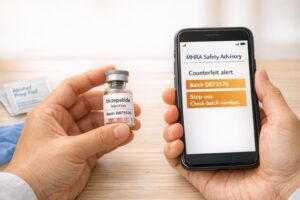
Falsified Mounjaro pens prompt urgent safety advisory
MHRA warns of counterfeit Mounjaro pens (batch D873576); stop use and check batch numbers for infection risk.


