Oral Semaglutide vs Injectable Semaglutide

Introduction
Choosing the right weight loss medication often feels like standing at a crossroads. You know you want to improve your metabolic health, but the delivery method can be a significant sticking point. For many, the choice boils down to a simple question: a daily pill or a weekly injection? Both oral and injectable forms of semaglutide have shifted how we approach weight management, but they offer different experiences and requirements. At TrimRx, we believe that understanding these differences is the first step toward a successful journey. This article covers the clinical differences, lifestyle impacts, and effectiveness of oral versus injectable semaglutide. We provide the clarity you need to decide which path aligns with your goals and daily routine. If you want to see whether prescription treatment is a fit, take the free assessment quiz.
What is Semaglutide?
Semaglutide is a medication known as a GLP-1 receptor agonist. GLP-1 stands for glucagon-like peptide-1, which is a hormone your body naturally produces in the gut. This hormone plays a vital role in how your body handles food. It signals the brain to feel full, slows down the speed at which your stomach empties, and helps the pancreas release the right amount of insulin. For a broader primer, read what semaglutide is for weight loss.
When you take semaglutide, you are essentially giving your body a longer-lasting version of this natural hormone. While the natural hormone lasts only minutes, semaglutide is designed to stay active in your system for much longer. This helps reduce “food noise,” which is the constant background chatter of hunger and cravings that many people experience.
Key Takeaway: Semaglutide mimics a natural hormone to help regulate appetite and blood sugar, making it easier to maintain the caloric deficit needed for weight loss.
The Mechanism of Injectable Semaglutide
Injectable semaglutide is typically administered once a week. Branded versions of this medication include Ozempic® and Wegovy®. These medications are injected into the subcutaneous fat—usually in the thigh, abdomen, or upper arm. Because the medication is delivered directly into the fatty tissue, it is absorbed steadily into the bloodstream. If you want a closer look at what semaglutide injections are and how they help you, this section is the right place to start.
This direct absorption is highly efficient. The medication does not have to survive the harsh environment of the digestive tract. This allows for a higher concentration of the drug to remain active in the body over a seven-day period. For many individuals, the convenience of a “set it and forget it” weekly routine is a major benefit.
The Science Behind Oral Semaglutide
Oral semaglutide is a daily tablet taken by mouth. The most common branded version is Rybelsus®. Creating an oral version of a peptide like semaglutide was a significant scientific challenge. Normally, the stomach’s acid and enzymes would break down the medication before it could be absorbed into the blood.
To solve this, oral semaglutide uses a special absorption enhancer called salcaprozate sodium (SNAC). This molecule protects the semaglutide and helps it pass through the stomach lining. However, because the stomach is a volatile environment, the absorption of the oral version is much more sensitive than the injectable version. If you’re comparing delivery formats, do oral GLP-1s really work is a helpful deep dive.
Comparing Administration and Daily Habits
The biggest difference for most people is how the medication fits into their morning routine. The two formats require very different levels of attention to detail.
Injectable semaglutide requires a weekly commitment. You choose one day a week and a consistent time. There are no restrictions on when you eat or drink relative to the injection. If you have a busy morning or an unpredictable schedule, the injectable format often proves more flexible.
Oral semaglutide requires strict daily discipline. To ensure the medication is absorbed, you must follow a specific protocol every single morning. If these steps are missed, the medication may not work at all.
Step-by-Step: How to Take Oral Semaglutide
Step 1: Take the tablet immediately upon waking. / Do this on a completely empty stomach before any food or coffee. Step 2: Swallow the tablet whole with no more than 4 ounces of plain water. / Using more water or other liquids can dilute the medication and prevent absorption. Step 3: Wait at least 30 to 60 minutes before eating or drinking anything else. / This window allows the medication to pass through the stomach lining undisturbed.
Effectiveness and Weight Loss Results
When comparing oral versus injectable semaglutide, clinical data generally shows that the injectable version leads to higher average weight loss. This is partly due to the higher dosages available in injectable formats like Wegovy®.
In clinical trials, individuals using the highest dose of injectable semaglutide often lost a larger percentage of their body weight compared to those on the standard oral doses. However, it is important to note that the oral version was originally designed for managing Type 2 diabetes rather than being a primary weight loss tool.
Bottom line: While both versions are effective at managing blood sugar and reducing appetite, the injectable format typically produces more significant weight loss results in a clinical setting.
Side Effect Profiles
Both versions of semaglutide share a similar list of potential side effects. Because they both act on the digestive system, most people experience some level of gastrointestinal discomfort, especially when first starting the medication or increasing the dose. For a more detailed breakdown, see semaglutide side effects and management tips.
Common side effects include:
- Nausea and occasional vomiting
- Diarrhea or constipation
- Abdominal pain or bloating
- Reduced appetite (which is the intended effect)
Some patients find that the oral version causes more immediate stomach irritation because the pill physically sits in the stomach. Conversely, others find the weekly injection causes a “peak” of nausea 24 to 48 hours after the shot, which then tapers off as the week progresses. We always recommend consulting a licensed healthcare provider to discuss how these side effects might impact your specific health history.
Lifestyle Considerations: Which is Right for You?
Choosing between the two formats is often a matter of lifestyle and personal preference. There is no “one size fits all” answer, as what works for one person may be a hurdle for another. If you’re still deciding whether a pill form makes sense, is there a GLP-1 pill? is worth reading.
When Oral Semaglutide Might Be Better
For some, the thought of needles is a dealbreaker. Needle phobia is a real concern, and a daily pill can alleviate the anxiety associated with injections. Oral semaglutide is also easier to travel with for some, as it does not require refrigeration and doesn’t involve carrying syringes or pens through security.
When Injectable Semaglutide Might Be Better
If you are someone who struggles to remember a daily pill, or if your mornings are too chaotic to guarantee a 30-minute fasting window, the weekly injection is often superior. Additionally, if your primary goal is significant weight loss, the higher-dose injectables are generally more potent.
Myth: Oral semaglutide is just a “weaker” version of the injection. Fact: The oral version is a different delivery system entirely. While injectables reach higher concentrations in the body, the oral version is an effective tool for those who cannot or will not use needles, provided they follow the strict administration rules.
Comparing Features at a Glance
| Feature | Oral Semaglutide | Injectable Semaglutide |
|---|---|---|
| Frequency | Once Daily | Once Weekly |
| Administration | Tablet by mouth | Subcutaneous injection |
| Fasting Required? | Yes, 30-60 mins after dose | No |
| Storage | Room temperature | Usually refrigerated |
| Primary Benefit | No needles | Higher efficacy/Convenience |
| Common Branded Names | Rybelsus® | Ozempic®, Wegovy® |
Compounded vs. Branded Medications
As you research your options, you will likely encounter both branded medications and compounded versions. It is vital to understand the difference to make an informed decision about your care.
Branded medications like Ozempic®, Wegovy®, and Rybelsus® are manufactured by pharmaceutical companies and have received FDA approval for specific uses. Ozempic® and Rybelsus® are FDA-approved for Type 2 diabetes, while Wegovy® is FDA-approved for chronic weight management.
Compounded semaglutide is a different category. Compounding is the process where a licensed pharmacist creates a custom medication for a specific patient. This often happens during times of drug shortages. Compounded semaglutide is prepared in FDA-registered and inspected compounding pharmacies. However, it is important to understand that compounded medications themselves are not FDA-approved. This means the FDA has not reviewed the specific compounded mixture for safety or effectiveness in the same way it reviews branded drugs. If you want a clear walkthrough of the next steps, how to order GLP-1 medications for effective weight loss explains the process.
At TrimRx, we connect you with licensed providers who can determine if a compounded or branded medication is appropriate for your unique health profile.
How TrimRx Supports Your Journey
Navigating the world of GLP-1 medications can be overwhelming. The TrimRx platform is designed to simplify this process by providing a telehealth-first approach. We believe that medical weight loss should be accessible, transparent, and personalized.
When you join our program, you start with a comprehensive health assessment. We don’t just look at your weight; we look at your medical history, your lifestyle, and your goals. This allows the licensed healthcare providers on our platform to recommend a treatment plan that fits you—whether that involves oral or injectable options. Start with a free eligibility assessment.
Our program is an all-inclusive model. This means your provider consultations, any necessary lab work coordination, and the shipping of your medication are all handled through the platform. We use FDA-registered compounding pharmacies to ensure high standards of preparation for our compounded options. Plus, you have 24/7 access to a team of specialists to help you manage side effects and adjust your program as you progress.
Optimizing Your Results
Regardless of whether you choose an oral or injectable format, the medication is a tool, not a magic fix. The best results occur when these medications are paired with sustainable lifestyle changes.
Focus on Protein Intake GLP-1 medications can sometimes lead to a loss of muscle mass along with fat. To prevent this, it is crucial to prioritize protein in your diet. We often suggest that our members aim for a specific protein goal each day to support muscle maintenance.
Hydration is Key Both formats of semaglutide can increase the risk of dehydration, especially if you are experiencing nausea or diarrhea. Drinking plenty of water throughout the day is essential. If energy support would help while you are eating less, the Weight Loss Boost supplement is another option.
Support Your Nutrition Because you will be eating less, every bite counts. For those who need extra help filling nutritional gaps, this is where steady supplement support can help keep your routine on track.
The Importance of Medical Supervision
You should never start a medication like semaglutide without the guidance of a healthcare professional. These medications have specific contraindications. For example, they are generally not recommended for individuals with a personal or family history of medullary thyroid carcinoma or Multiple Endocrine Neoplasia syndrome type 2 (MEN 2).
A provider will also monitor you for rare but serious side effects, such as pancreatitis or gallbladder issues. By using a platform like ours, you ensure that a professional is overseeing your dosage and your body’s reaction to the treatment.
Choosing Your Path Forward
Deciding between oral and injectable semaglutide often comes down to how much you value convenience versus potency. If you want the most potent weight loss tool and don’t mind a weekly needle, the injectable route is frequently the preferred choice. If you have a strong aversion to needles and are confident in your ability to follow a strict morning fasting routine, the oral tablet offers a viable alternative.
At TrimRx, our mission is to empower you with the tools and medical support necessary to achieve sustainable weight loss. We move away from the “diet culture” of the past and toward a future rooted in metabolic science and empathy. Your journey is unique, and your treatment plan should reflect that. If you want help deciding, complete the assessment quiz.
Summary of Key Differences
To help you finalize your decision, consider these three final points:
- Absorption: Injectables are absorbed more reliably, while the pill is sensitive to food and water intake.
- Frequency: The pill is a daily habit; the injection is a weekly event.
- Results: Clinical studies show a slight edge for injectables in terms of total weight loss percentage.
Bottom line: Both formats are effective GLP-1 therapies. Your success depends on choosing the delivery method that you can stick with consistently over the long term.
FAQ
Is oral semaglutide as effective as the injection for weight loss?
Clinical trials generally show that injectable semaglutide, particularly at higher doses, results in greater average weight loss than the oral version. However, oral semaglutide is still effective for appetite suppression and blood sugar management when taken correctly. The best choice depends on your specific health goals and your ability to follow the strict daily requirements of the pill. If you want tailored guidance, see if you qualify for a personalized program.
Do I have to refrigerate oral semaglutide?
No, oral semaglutide tablets should be stored at room temperature in their original blister packaging until you are ready to take them. This makes them more convenient for travel compared to injectable pens, which usually require refrigeration. Always keep the medication in a dry place away from moisture to maintain its stability.
What happens if I eat too soon after taking the semaglutide pill?
If you eat or drink anything other than plain water within 30 minutes of taking the pill, the medication may not be absorbed properly. The presence of food or other liquids in the stomach interferes with the absorption enhancer that allows the medication to enter your bloodstream. This could lead to the medication being less effective or not working at all.
Can I switch from the injection to the pill?
Yes, it is possible to transition between the two formats under the supervision of a licensed healthcare provider. A provider will help you determine the equivalent dose and ensure the transition is smooth to minimize side effects. If you find that the weekly injections are not fitting your lifestyle, or vice versa, you should discuss a switch with your clinical team.
Disclaimer: This content is for informational purposes only and does not constitute medical advice. It is not intended to diagnose, treat, cure, or prevent any disease or condition. Individual results may vary. Always consult a qualified healthcare professional before starting any weight loss program or medication.

Transforming Lives, One Step at a Time
Keep reading

Mons Pubis Fat Loss on GLP-1s: The “Pubic Area” Change Nobody Mentions
One change that surprises people on GLP-1 medications rarely comes up in conversation: the mons pubis, the soft fat pad over the pubic bone,…

How to Adjust Weight Loss Goals on GLP-1 Medications
Adjust weight goals on GLP-1 meds by tracking body composition and labs, optimizing protein, activity, sleep, and working with your provider on dosing.
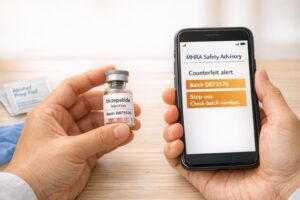
Falsified Mounjaro pens prompt urgent safety advisory
MHRA warns of counterfeit Mounjaro pens (batch D873576); stop use and check batch numbers for infection risk.


