Can GLP-1 and SGLT2 Be Used Together? Exploring the Synergy of Diabetes Treatments

Introduction
In the realm of diabetes management, the quest for effective treatment options often leads us to question the potential benefits of combining different medication classes. One of the most intriguing combinations currently under discussion is that of glucagon-like peptide-1 receptor agonists (GLP-1 RAs) and sodium-glucose cotransporter-2 inhibitors (SGLT2is). Could using GLP-1 and SGLT2 together enhance treatment outcomes for individuals with type 2 diabetes?
The rise in the prevalence of type 2 diabetes, coupled with its associated complications, underscores the need for innovative therapeutic strategies. As healthcare providers, we continually seek ways to improve glycemic control, reduce cardiovascular risks, and enhance overall patient quality of life. Both GLP-1 RAs and SGLT2is have demonstrated significant benefits in these areas when used individually, but their combined potential remains an exciting area of exploration.
In this blog post, we will delve into the mechanisms of action of GLP-1 RAs and SGLT2is, examine the evidence supporting their combined use, and discuss the implications for diabetes management. By the end of this exploration, we hope to provide insights that can enhance the understanding of these therapies and their role in the treatment landscape for type 2 diabetes.
The Role of GLP-1 Receptor Agonists and SGLT2 Inhibitors
To appreciate the potential synergy of GLP-1 RAs and SGLT2is, it’s vital to understand their individual mechanisms and therapeutic benefits.
Understanding GLP-1 Receptor Agonists
GLP-1 RAs, such as liraglutide and semaglutide, mimic the action of the incretin hormone GLP-1, which is released in response to food intake. These medications primarily work by:
- Enhancing Insulin Secretion: GLP-1 RAs promote insulin release from the pancreas in a glucose-dependent manner, helping to lower blood sugar levels.
- Suppressing Glucagon Release: By inhibiting glucagon, they reduce hepatic glucose production, further contributing to improved glycemic control.
- Promoting Satiety: GLP-1 RAs slow gastric emptying and increase feelings of fullness, which can aid in weight loss.
- Cardiovascular Benefits: Clinical trials have shown that GLP-1 RAs can reduce the risk of cardiovascular events in patients with type 2 diabetes.
The Mechanism of SGLT2 Inhibitors
SGLT2 inhibitors, including canagliflozin and empagliflozin, lower blood glucose levels through a different pathway:
- Inhibition of Glucose Reabsorption: SGLT2is block the reabsorption of glucose in the kidneys, leading to increased urinary glucose excretion and lower blood sugar levels.
- Weight Loss and Blood Pressure Reduction: These medications promote weight loss through osmotic diuresis and can reduce blood pressure by decreasing intravascular volume.
- Renal Protection: SGLT2is have shown protective effects on renal function, making them a preferred choice for patients with diabetic kidney disease.
The Case for Combination Therapy
With both GLP-1 RAs and SGLT2is demonstrating robust efficacy in managing blood glucose levels and reducing cardiovascular risk, combining these therapies has emerged as a potential strategy for enhancing outcomes. Research suggests that their mechanisms of action complement one another, potentially leading to improved glycemic control, weight loss, and reduced cardiovascular events.
Evidence Supporting Combination Therapy
Several studies have explored the benefits of using GLP-1 RAs and SGLT2is together:
-
Enhanced Glycemic Control: Clinical trials have indicated that the combination of GLP-1 RAs and SGLT2is can lead to greater reductions in HbA1c levels than either medication alone. By leveraging their distinct mechanisms, patients may achieve more significant glycemic control.
-
Weight Management: Both classes of medications are associated with weight loss; thus, their combined use may enhance this effect. Patients often struggle with weight management in type 2 diabetes, making this combination particularly appealing.
-
Cardiovascular Outcomes: Evidence suggests that the combination may provide additive cardiovascular benefits. Both drug classes have demonstrated efficacy in reducing major adverse cardiovascular events, and their combined use could amplify these protective effects.
-
Renal Benefits: SGLT2 inhibitors are well-known for their renal protective effects, while GLP-1 RAs have also shown beneficial effects on albuminuria. Their combined use may further support renal health in patients with diabetes.
Safety Considerations and Tolerability
While the combination of GLP-1 RAs and SGLT2is appears promising, it is essential to address safety and tolerability. Both medication classes are generally well-tolerated, but they do come with potential side effects.
- Gastrointestinal Symptoms: GLP-1 RAs may cause nausea, vomiting, and diarrhea, particularly during the initiation phase. These symptoms often diminish with continued use.
- Genital Infections: SGLT2 inhibitors can increase the risk of genital yeast infections, particularly in women. It is crucial for patients to be aware of this risk when starting therapy.
- Monitoring Required: Regular monitoring of kidney function and other metabolic parameters is advisable to ensure patient safety and optimize therapy.
Conclusion
The combination of GLP-1 receptor agonists and SGLT2 inhibitors presents a compelling option for managing type 2 diabetes, particularly in patients who require improved glycemic control, weight management, and cardiovascular protection. By harnessing the unique mechanisms of both classes, we may enhance treatment efficacy and improve patient outcomes.
As we continue to explore the potential of this combination therapy, it is essential to remain vigilant in monitoring safety and tolerability. Together, we can help our patients manage their diabetes more effectively and improve their overall quality of life.
FAQ
Can GLP-1 and SGLT2 inhibitors be used together?
Yes, the combination of GLP-1 RAs and SGLT2 inhibitors can be used together and may provide enhanced benefits for managing blood sugar, weight, and cardiovascular health.
What are the benefits of using these two classes together?
Combining GLP-1 RAs and SGLT2is can lead to greater glycemic control, weight loss, and cardiovascular protection compared to using either medication alone.
Are there any risks associated with this combination therapy?
While both classes are generally well-tolerated, they can have side effects such as gastrointestinal symptoms with GLP-1 RAs and genital infections with SGLT2 inhibitors. Regular monitoring is recommended.
Who should consider this combination therapy?
Patients with type 2 diabetes who are struggling to achieve glycemic control, need to lose weight, or have cardiovascular risks may benefit from this combination therapy.
How should healthcare providers approach this therapy?
Healthcare providers should consider individual patient needs, preferences, and potential side effects when prescribing combination therapy with GLP-1 RAs and SGLT2 inhibitors. Regular follow-up and monitoring are necessary to optimize treatment outcomes.
In our journey to offer personalized weight loss solutions, we at TrimRx remain committed to integrating the latest research and insights into our programs. If you’re curious about how our personalized weight loss solutions can support your journey, consider taking our free assessment quiz to see if you qualify for our prescription weight loss medications. Together, we can embrace healthier lifestyles!

Transforming Lives, One Step at a Time
Keep reading

Mons Pubis Fat Loss on GLP-1s: The “Pubic Area” Change Nobody Mentions
One change that surprises people on GLP-1 medications rarely comes up in conversation: the mons pubis, the soft fat pad over the pubic bone,…

How to Adjust Weight Loss Goals on GLP-1 Medications
Adjust weight goals on GLP-1 meds by tracking body composition and labs, optimizing protein, activity, sleep, and working with your provider on dosing.
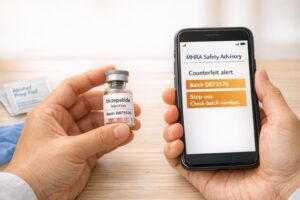
Falsified Mounjaro pens prompt urgent safety advisory
MHRA warns of counterfeit Mounjaro pens (batch D873576); stop use and check batch numbers for infection risk.


