Why Am I Gaining Weight on GLP-1 Medications?
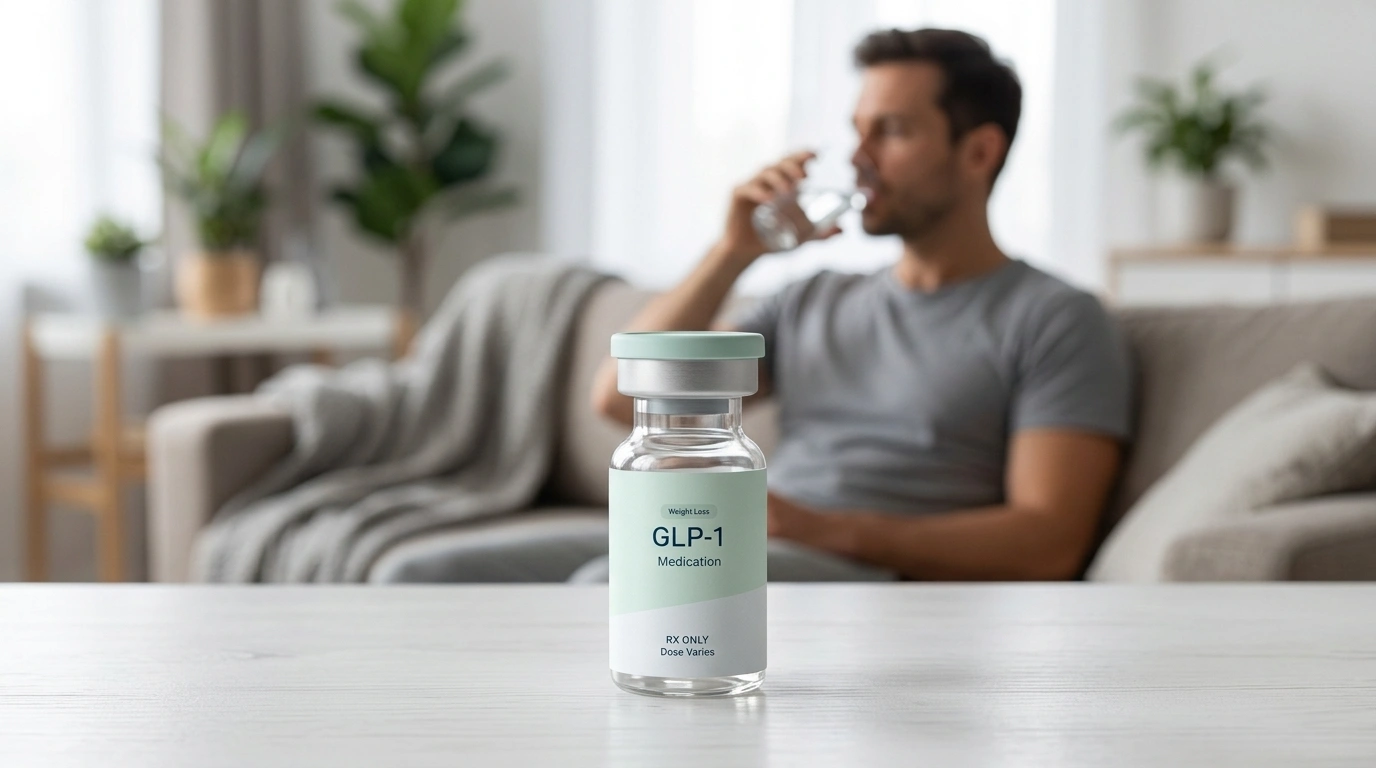
Weight loss is often a multifaceted journey, filled with ups and downs that can be frustrating and perplexing. For many individuals, medications like GLP-1 receptor agonists—such as Semaglutide, which is marketed under brand names like Ozempic and Wegovy—offer a promising avenue for achieving weight loss goals. These medications work by mimicking the hormone GLP-1, which helps regulate appetite and food intake. However, despite their proven benefits, some individuals find themselves asking, “Why am I gaining weight on GLP-1?”
This blog post aims to explore the reasons behind unexpected weight gain while using GLP-1 medications, helping readers understand the factors that can influence their weight loss journey. By the end of this article, you will have a clearer understanding of the complex interplay between these medications, lifestyle habits, and individual physiological responses.
Introduction
Did you know that nearly 15% of patients on GLP-1 medications experience weight gain instead of loss? This statistic may come as a surprise, especially when many turn to these medications hoping for a straightforward solution to their weight loss struggles. As we delve into this topic, we’ll uncover various reasons that could lead to weight gain while on GLP-1, along with actionable strategies to help optimize your weight loss journey.
At TrimRx, we understand that weight management is not a one-size-fits-all solution. Our personalized weight loss programs are designed to provide medically supervised care tailored to each individual’s unique needs. In this post, we will emphasize the importance of a holistic approach, incorporating diet, exercise, and effective medication use, so you can navigate your weight loss journey with confidence and clarity.
So, why might you be gaining weight while on GLP-1 medications? Let’s explore the various factors that could be at play.
Understanding GLP-1 Medications
Before diving into the reasons behind weight gain, it is essential to understand how GLP-1 medications work. These medications mimic the GLP-1 hormone, which plays a significant role in appetite regulation, insulin secretion, and slowing gastric emptying. By enhancing feelings of fullness and reducing hunger, GLP-1 medications can assist individuals in achieving and maintaining a healthy weight.
However, while GLP-1 medications are effective for many, they may not work the same way for everyone. Individual responses can vary greatly due to several factors, including lifestyle, pre-existing medical conditions, and adherence to prescribed dosages.
How GLP-1 Medications Work
- Appetite Regulation: GLP-1 medications signal the brain to promote satiety, helping users feel full longer and potentially reducing calorie intake.
- Insulin Secretion: These medications stimulate insulin release in response to food intake, which can help regulate blood sugar levels.
- Slowing Gastric Emptying: By slowing the rate at which food leaves the stomach, GLP-1 medications can prolong feelings of fullness.
Understanding these mechanisms can provide insight into why some individuals may experience weight gain despite taking these medications.
Reasons for Weight Gain on GLP-1 Medications
1. Inconsistent Medication Adherence
One of the most significant factors contributing to weight gain on GLP-1 medications is inconsistent adherence to the prescribed dosing schedule. Missing doses may lead to fluctuations in medication levels in the body, reducing its effectiveness. To optimize weight loss, it is crucial to take your medication as directed and maintain a consistent schedule.
2. Inadequate Dietary Control
While GLP-1 medications can help control appetite, they do not eliminate the need for a healthy, balanced diet. Individuals who consume high-calorie foods or do not track their caloric intake may still experience weight gain. It’s essential to prioritize nutrient-dense foods while maintaining a caloric deficit to support weight loss goals.
3. Low Dosage Levels
When starting on GLP-1 medications, healthcare providers typically begin with a low dose to minimize side effects. However, if the dosage is too low for an extended period, it may not effectively suppress appetite or promote weight loss. Regular check-ins with your healthcare provider can help ensure that your dosage is appropriate for your weight loss goals.
4. Physical Inactivity
Physical activity plays a vital role in any weight loss journey. If individuals rely solely on medications without incorporating regular exercise into their routine, they may not achieve the desired results. Engaging in consistent physical activity, such as aerobic exercises and strength training, can enhance the effectiveness of GLP-1 medications and support overall health.
5. Stress and Emotional Eating
Stress can significantly impact weight management, often leading to emotional eating and cravings for high-calorie comfort foods. The hormone cortisol, released during stressful situations, can increase appetite and promote fat storage. Implementing stress management techniques—such as mindfulness, meditation, or engaging in hobbies—can help mitigate these effects.
6. Sleep Deprivation
Lack of sleep can disrupt the balance of hormones that regulate hunger and satiety, leading to increased cravings and appetite. Ensuring adequate sleep is crucial for weight management, as it helps maintain hormonal balance and supports overall well-being.
7. Medical Conditions
Certain medical conditions, such as hypothyroidism or polycystic ovary syndrome (PCOS), can affect metabolism and hinder weight loss efforts. If you have pre-existing health conditions, it’s essential to discuss them with your healthcare provider, as they may influence your response to GLP-1 medications.
8. Medication Interactions
If you’re taking other medications that contribute to weight gain, such as certain antidepressants or corticosteroids, it may impede your weight loss efforts. Always communicate with your healthcare provider about all medications you are taking to ensure a comprehensive approach to your weight management.
9. Water Retention
Some individuals may experience water retention as a side effect of GLP-1 medications. This temporary increase in weight can be misleading, as it doesn’t reflect actual fat gain. Staying hydrated and monitoring sodium intake can help reduce water retention.
10. Plateaus in Weight Loss
It’s not uncommon for individuals to hit a plateau in their weight loss journey, where progress slows or stalls. This phenomenon can happen for several reasons, including metabolic adaptation. If you find yourself at a standstill, consider reassessing your diet, exercise routine, and medication adherence to identify potential adjustments.
Strategies to Enhance Weight Loss on GLP-1 Medications
If you’re struggling with weight gain while on GLP-1 medications, there are several strategies to consider that can optimize your weight loss journey:
1. Take Our Free Assessment Quiz
At TrimRx, we emphasize the importance of personalized weight loss solutions. By taking our free assessment quiz here, you can receive a customized treatment plan tailored to your unique needs.
2. Monitor Your Diet
Keeping a food diary can help track your caloric intake and identify any areas for improvement. Focus on incorporating whole, nutrient-dense foods and reducing processed foods and sugary beverages.
3. Stay Active
Aim for at least 150 minutes of moderate aerobic exercise each week, along with strength training exercises. Regular physical activity can enhance the effectiveness of GLP-1 medications and improve overall health.
4. Check Your Dosage
If you are not seeing the desired results, consult with your healthcare provider about adjusting your medication dosage. They can help determine if an increase is appropriate for you.
5. Manage Stress
Implement stress-reduction techniques such as yoga, deep breathing exercises, or engaging in hobbies to help combat emotional eating and improve overall well-being.
6. Prioritize Sleep
Establish a consistent sleep schedule and create a sleep-friendly environment to enhance the quality of your rest. Aim for 7-9 hours of sleep each night to support hormonal balance.
7. Seek Support
Consider joining a support group or working with a registered dietitian or health coach to help maintain accountability and motivation throughout your weight loss journey.
8. Stay Hydrated
Drinking enough water is essential for overall health and can help mitigate water retention. Aim for at least 8 cups of water per day to support hydration.
Conclusion
Navigating weight loss while on GLP-1 medications can be complex, with various factors influencing individual outcomes. By understanding these influences and implementing effective strategies, you can enhance your weight loss journey and achieve your health goals.
At TrimRx, we’re committed to providing personalized, medically supervised care to support you every step of the way. Remember, weight loss is not just about the number on the scale; it’s a holistic journey that encompasses physical, emotional, and mental well-being.
If you’re ready to take the first step toward a healthier lifestyle, take our free assessment quiz today here and discover how we can support you on your journey.
FAQ
Can GLP-1 medications cause weight gain?
While GLP-1 medications are primarily associated with weight loss, some individuals may experience weight gain due to factors such as dietary habits, inconsistent medication adherence, or pre-existing medical conditions.
How can I optimize my weight loss while on GLP-1 medications?
To maximize weight loss, focus on maintaining a balanced diet, engaging in regular physical activity, monitoring your medication adherence, managing stress, and ensuring adequate sleep.
What should I do if I’m not losing weight on GLP-1 medications?
If you’re not seeing the desired weight loss results, consult with your healthcare provider about your medication dosage, dietary habits, and overall health. They can help identify any underlying issues and adjust your treatment plan as needed.
How long will it take to see results with GLP-1 medications?
While many individuals may begin to notice weight loss within the first few weeks, it can take several months to achieve significant results. Patience and consistency are key in any weight loss journey.
What role does exercise play in weight loss with GLP-1 medications?
Exercise is crucial for maximizing the effectiveness of GLP-1 medications. It helps burn calories, improve overall metabolic health, and supports weight loss efforts when combined with a healthy diet. Aim for at least 150 minutes of moderate aerobic activity each week.
By addressing the factors that contribute to weight gain and implementing effective strategies, you can navigate your weight loss journey with confidence and achieve lasting results.

Transforming Lives, One Step at a Time
Keep reading

Mons Pubis Fat Loss on GLP-1s: The “Pubic Area” Change Nobody Mentions
One change that surprises people on GLP-1 medications rarely comes up in conversation: the mons pubis, the soft fat pad over the pubic bone,…

How to Adjust Weight Loss Goals on GLP-1 Medications
Adjust weight goals on GLP-1 meds by tracking body composition and labs, optimizing protein, activity, sleep, and working with your provider on dosing.
Falsified Mounjaro pens prompt urgent safety advisory
MHRA warns of counterfeit Mounjaro pens (batch D873576); stop use and check batch numbers for infection risk.


