Can I Take Ibuprofen With Semaglutide? Safety and Side Effects
Introduction
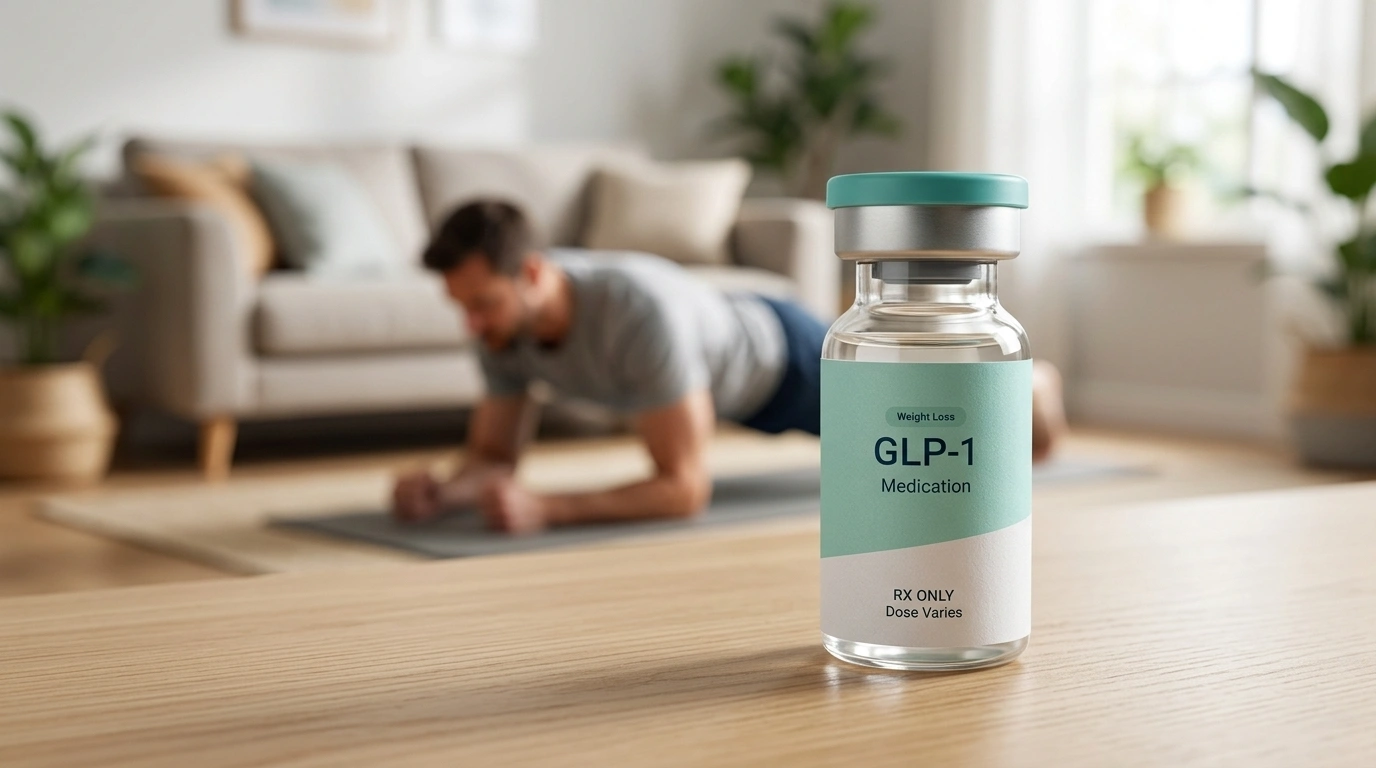
Managing a weight loss journey often involves navigating new sensations in your body. Whether it is a dull headache as your metabolism shifts or muscle soreness after a new workout routine, the need for over-the-counter pain relief is common. However, when you are prescribed a GLP-1 medication like Ozempic® or Wegovy®, you might wonder if your go-to bottle of ibuprofen is still safe to use. At TrimRx, we believe that understanding how your medications interact is essential for a safe and successful transformation.
While there is no direct, harmful drug-to-drug interaction between ibuprofen and semaglutide, taking them together requires a thoughtful approach. Both medications can affect your digestive system in different ways, and combining them may increase the risk of stomach irritation. This post will cover how these two substances work in your body, the potential risks to your gastrointestinal health, and how to choose the safest path for pain relief while on your program. If you are considering prescription treatment, you can complete a free eligibility assessment to see whether a personalized program may be appropriate.
Quick Answer: You can generally take ibuprofen with semaglutide, as there is no known direct pharmacological interaction. However, because both medications can irritate the stomach lining and semaglutide slows digestion, you should use ibuprofen sparingly, take it with food, and consult your healthcare provider if you have a history of kidney or stomach issues.
How Semaglutide and Ibuprofen Interact in Your Body
To understand the relationship between these two medications, it helps to look at how each one functions independently. Semaglutide belongs to a class of drugs called glucagon-like peptide-1 (GLP-1) receptor agonists. It mimics a natural hormone in your body that regulates appetite and blood sugar. Ibuprofen is a nonsteroidal anti-inflammatory drug (NSAID) commonly used to reduce pain, fever, and inflammation. For a broader overview, read this guide to compounded semaglutide drug interactions.
Understanding Semaglutide and Gastric Emptying
One of the primary ways semaglutide supports weight loss is by slowing down “gastric emptying.” This means that food stays in your stomach for a longer period before moving into the small intestine. This process helps you feel full faster and stay satisfied for longer after a meal. While this is beneficial for calorie control, it changes the environment of your stomach.
When digestion slows, anything you ingest—including medications—sits in the stomach longer than usual. For most medications, this simply means a slight delay in how quickly you feel the effects. However, for medications that are known to be “harsh” on the stomach lining, this prolonged exposure can be a point of concern. You can also review this explanation of how semaglutide works for weight loss for additional context.
How Ibuprofen Affects the Stomach Lining
Ibuprofen and other NSAIDs work by blocking enzymes called COX-1 and COX-2. These enzymes play a role in causing pain and inflammation. However, the COX-1 enzyme also helps produce prostaglandins that protect the stomach lining from its own acid.
When you take ibuprofen, the level of these protective prostaglandins drops. This makes the stomach more vulnerable to irritation, inflammation (gastritis), or in more severe cases, ulcers and bleeding. Most people can tolerate occasional doses of ibuprofen without issue, but the risk increases with frequent use or on an empty stomach. For a closer look at pain-relief options, see what pain reliever you can take with semaglutide.
The Overlap of Gastrointestinal Effects
When you combine semaglutide’s slower digestion with ibuprofen’s impact on the stomach’s protective barrier, the risk of gastrointestinal discomfort may rise. If ibuprofen sits in a stomach that is already sensitive or producing more acid due to slowed motility, you may experience more significant side effects than you would otherwise.
Key Takeaway: Semaglutide slows down how fast your stomach empties, while ibuprofen reduces the stomach’s natural protective lining. Combining them doesn’t cause a toxic reaction, but it can make stomach irritation or “heartburn” more likely.
Potential Risks of Combining NSAIDs with GLP-1 Medications
While many individuals take both medications without major complications, there are specific risks that you should be aware of, particularly regarding your digestive system and your kidneys. For more information about common reactions, read this complete guide to semaglutide side effects.
Increased Risk of Gastrointestinal Irritation
The most common side effects of GLP-1 medications like Ozempic® or Wegovy® are nausea, bloating, and occasional stomach pain. These symptoms usually occur because the body is adjusting to a slower rate of digestion. Ibuprofen can cause similar symptoms, including dyspepsia (indigestion) and stomach aches.
For an individual already experiencing mild nausea from their weight loss medication, adding an NSAID could potentially push that discomfort over the “nausea threshold.” In some cases, the prolonged contact time of the ibuprofen tablet with the stomach wall (due to slowed emptying) may increase the likelihood of localized irritation or the development of small erosions in the gastric mucosa. You can review additional strategies in this guide to manage semaglutide side effects.
Renal Health and Dehydration Concerns
One of the less discussed but equally important risks involves your kidneys. GLP-1 medications can sometimes lead to dehydration, especially if a patient is experiencing nausea or diarrhea and isn’t drinking enough fluids.
Ibuprofen and other NSAIDs affect the way blood flows through the kidneys. In a person who is well-hydrated, this is rarely an issue. However, if you are dehydrated while taking semaglutide, adding ibuprofen can place extra stress on the kidneys. In rare instances, this can lead to acute kidney injury. It is vital to maintain consistent hydration throughout your program, especially if you plan to use any NSAID.
Interference with Rybelsus® Absorption
If you are taking the oral version of semaglutide, known as Rybelsus®, the timing of your medication is critical. This medication must be taken on an empty stomach with no more than four ounces of plain water. You must then wait at least 30 minutes before eating, drinking, or taking any other oral medications.
Taking ibuprofen too close to your morning dose of oral semaglutide could interfere with how the medication is absorbed, potentially making your treatment less effective. Always follow the 30-minute window strictly. For more background, read this guide to semaglutide in pill form.
Best Practices for Pain Relief While on a Weight Loss Program
If you are dealing with a headache, back pain, or a fever, you don’t have to suffer in silence. There are several ways to manage pain while minimizing the risk of side effects.
Why Acetaminophen is Often the Preferred Choice
For many healthcare providers, acetaminophen (Tylenol) is the first-line recommendation for patients on GLP-1 therapy. Unlike ibuprofen, acetaminophen is not an NSAID. It does not block the protective prostaglandins in the stomach and does not carry the same risk of causing ulcers or stomach bleeding.
Acetaminophen is generally considered “stomach-friendly” and does not typically interact with the digestive changes caused by semaglutide. For routine pain like a tension headache or minor aches, it provides effective relief without the gastrointestinal baggage of ibuprofen.
Safe Use of Ibuprofen if Required
If you have a condition that specifically requires an anti-inflammatory (such as arthritis or a significant injury) and your doctor has approved the use of ibuprofen, follow these steps to stay safe:
- Take with food: Never take ibuprofen on a completely empty stomach while on semaglutide. A small, bland snack can provide a buffer for the stomach lining.
- Stay hydrated: Drink plenty of water throughout the day to support kidney function.
- Lowest effective dose: Use the smallest amount of ibuprofen that provides relief for the shortest duration possible.
- Monitor for symptoms: Pay attention to any new or worsening stomach pain, “coffee-ground” appearing vomit, or dark, tarry stools, which can be signs of GI bleeding.
Bottom line: While ibuprofen is not strictly forbidden, acetaminophen is usually a safer, more comfortable choice for common aches and pains while using GLP-1 medications.
Managing the “Nausea Threshold”
Weight loss medications work best when you feel your best. If your stomach is constantly irritated by over-the-counter pills, it can make it difficult to stick to your nutritional goals. We focus on a personalized approach at TrimRx to help you navigate these transitions.
If you find that you are reaching for pain relief frequently, it is worth investigating the cause. Sometimes, the “Ozempic headache” is actually a sign of dehydration or low blood sugar rather than a need for medication. Before reaching for a pill, try:
- Drinking 16 ounces of water with electrolytes.
- Eating a small, high-protein snack.
- Checking your posture if you have been sitting at a desk all day.
- Ensuring you are getting adequate sleep, as semaglutide can sometimes shift your energy levels. For additional energy support during weight loss, explore the Weight Loss Boost supplement.
When to Consult Your Healthcare Provider
Safety is the cornerstone of any medical weight loss program. While this guide provides general information, it does not replace the advice of a licensed professional. You should always speak with a healthcare provider before combining medications if:
- You have a history of stomach ulcers or gastrointestinal bleeding.
- You have chronic kidney disease or decreased renal function.
- You are taking blood thinners (anticoagulants) or oral corticosteroids.
- You have a history of heart disease or high blood pressure.
- Your pain is severe, persistent, or accompanied by a fever.
Telehealth platforms make it easier than ever to get these questions answered. When you participate in our program, you have access to specialists who can review your health profile and give you specific guidance on which over-the-counter medications are appropriate for you. If you are exploring prescription treatment, you can see if you qualify for a personalized program.
Summary Checklist for Pain Relief
If you are currently taking semaglutide and need pain relief, follow this simple checklist:
- Assess the pain: Is it inflammation-based (like a sprain) or a general ache?
- Try non-drug options first: Hydration, rest, and ice/heat can be surprisingly effective.
- Choose Acetaminophen first: It is generally safer for your stomach.
- If choosing Ibuprofen: Take it with a meal and avoid daily use.
- Watch for “Red Flags”: Stop use and call a doctor if you experience severe abdominal pain.
Key Takeaway: Success on a GLP-1 program isn’t just about the medication; it’s about how you manage your overall wellness and respond to your body’s signals.
Personalizing Your Health Journey with TrimRx
Every individual’s body reacts differently to medication. What works for one person may cause slight indigestion for another. That is why a “one-size-fits-all” approach rarely leads to sustainable results. Our mission is to provide a supportive, science-backed environment where you can manage your weight loss with confidence.
We provide access to personalized programs that include medically supervised weight loss treatments, such as Compounded Semaglutide or Compounded Tirzepatide. These medications are prepared in FDA-registered, inspected compounding pharmacies to ensure high standards of quality. By combining these treatments with the 24/7 support of our dedicated team, we help you navigate questions like medication interactions, side effect management, and lifestyle adjustments.
The path to a healthier you should be clear and supported. Whether you are curious about starting a GLP-1 regimen or need help optimizing your current treatment, we are here to guide you every step of the way. Take the free assessment quiz to begin the evaluation process.
FAQ
Can I take Advil or Motrin with Ozempic®?
Yes, you can take Advil or Motrin (which are brand names for ibuprofen) with Ozempic®, as there is no known direct drug interaction. However, because both can cause stomach upset, it is best to use them sparingly and take them with food. If you need frequent pain relief, acetaminophen is often recommended as a gentler alternative for the stomach.
Will ibuprofen make semaglutide side effects worse?
It is possible that ibuprofen could increase gastrointestinal side effects like nausea or stomach pain. Since semaglutide slows down your digestion, the ibuprofen stays in your stomach longer, which may lead to more irritation of the stomach lining. Staying hydrated and taking the medication with a small meal can help reduce this risk.
Is it safe to take ibuprofen if I have Rybelsus®?
You can take ibuprofen while on Rybelsus®, but timing is very important. You must take Rybelsus® first thing in the morning on an empty stomach and wait at least 30 minutes before taking any other medications, including ibuprofen. Taking them together too early may prevent your body from absorbing the weight loss medication properly.
What is the best painkiller to take while on Wegovy®?
Acetaminophen (Tylenol) is generally considered the best and safest choice for most patients on Wegovy®. It does not carry the same risk of stomach irritation or kidney stress as NSAIDs like ibuprofen or aspirin. Always consult your healthcare provider to ensure any over-the-counter medication is safe for your specific health history. If you have questions about whether prescription treatment is appropriate for you, complete a free assessment.
Disclaimer: This content is for informational purposes only and does not constitute medical advice. It is not intended to diagnose, treat, cure, or prevent any disease or condition. Individual results may vary. Always consult a qualified healthcare professional before starting any weight loss program or medication.

Transforming Lives, One Step at a Time
Keep reading
Semaglutide vs Tirzepatide: Comparing Weight Loss, Blood Sugar, and Side Effects
Semaglutide and Tirzepatide are one of the most common comparisons in medical weight loss. The two medications share a clear family resemblance. Both are…

How Much Weight Can You Lose on Semaglutide?
How much weight can you lose on semaglutide? The answer varies depending on your starting weight, dosage, treatment duration, and individual response to the…

Hair Shedding Months Into Semaglutide
It shows up in the shower drain first, then on the pillow, then in the brush. By the time most people search this, they…


