How Much Water Should You Drink on a GLP-1?
Introduction
Starting a weight loss journey often involves learning a new set of habits, and staying hydrated is one of the most critical. If you have recently started a GLP-1 medication, you might have noticed that your body feels different or that your thirst cues have shifted. At TrimRx, we believe that understanding the “why” behind these changes is the first step toward achieving your health goals. This post will cover exactly how much water you need, why these medications increase your hydration requirements, and practical ways to stay on track. Proper hydration is not just about thirst; it is a vital tool for managing side effects and supporting your metabolic health. If you are just getting started, you can take the free assessment quiz to see which program is right for your health goals.
Why Hydration Is Different on GLP-1 Medications
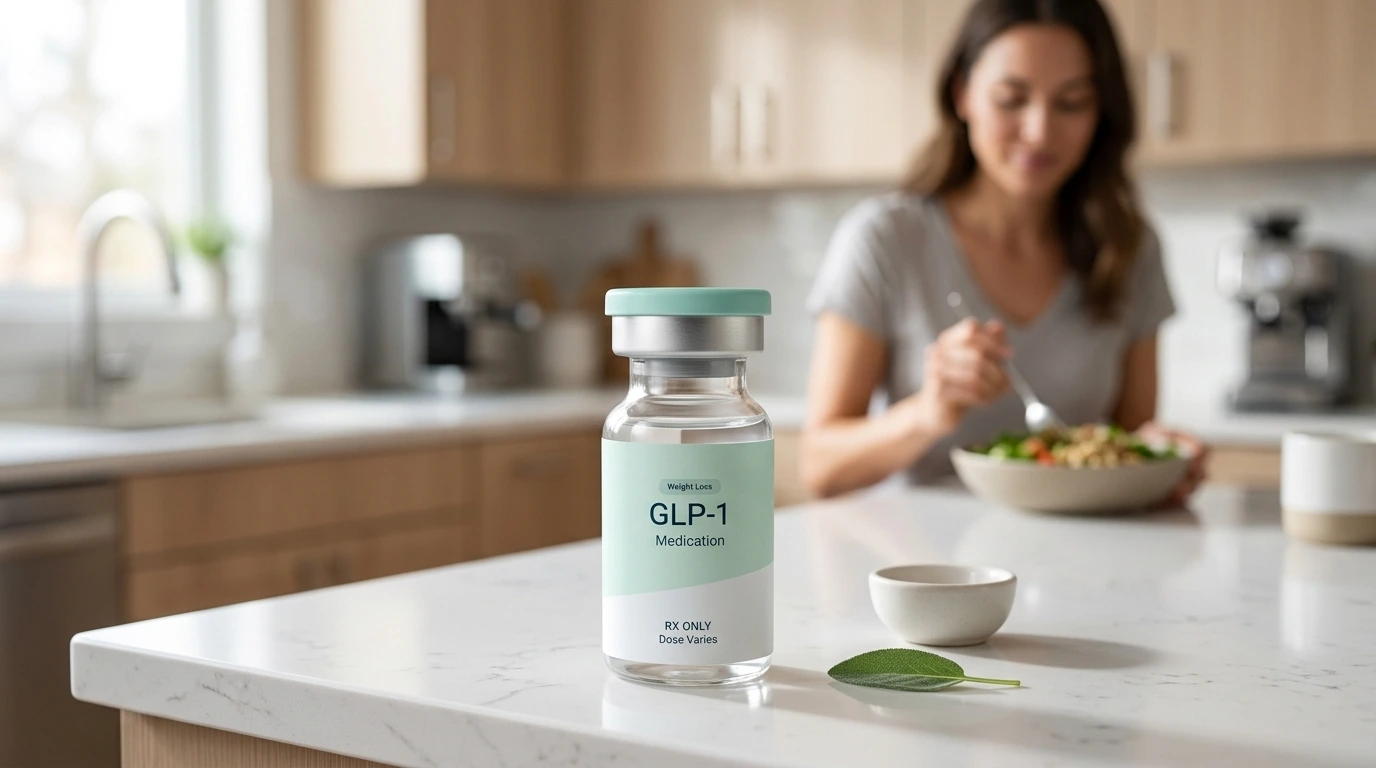
GLP-1 receptor agonists, such as Semaglutide or Tirzepatide, work by mimicking a hormone that naturally occurs in your body. This hormone helps regulate blood sugar and slows down the speed at which your stomach empties. This process, known as delayed gastric emptying, is what makes you feel full for longer periods. However, this physiological change also alters how your body processes fluids and nutrients.
Your brain may not signal thirst as clearly as it used to. Many people find that along with a reduced appetite, they experience a reduced drive to drink. This can lead to “accidental dehydration,” where you simply forget to drink because the urge isn’t there. When you are eating less food, you are also getting less “metabolic water”—the hydration your body typically extracts from fruits, vegetables, and other moisture-rich foods. For a deeper look at that connection, read our post on how not drinking water affects weight loss and metabolic health.
The Role of the Kidneys
GLP-1 medications can have a protective effect on the heart and kidneys over the long term. However, during the initial stages of weight loss, your kidneys work harder to process metabolic waste. If you are not drinking enough water, this extra work can put temporary stress on your system. Staying hydrated ensures your kidneys can effectively filter your blood and maintain a healthy balance of minerals.
Key Takeaway: GLP-1 medications change how your stomach empties and how your brain perceives thirst, making proactive hydration a necessity rather than a choice.
The Targeted Number: How Much Water Do You Need?
The standard advice of “eight glasses a day” is often insufficient for someone on a GLP-1 program. Most clinical experts recommend aiming for 80 to 100 ounces of water daily. This amount helps compensate for the lack of hydration from reduced food intake and supports the digestive changes caused by the medication.
For a broader look at daily hydration targets, see our guide on how much daily water intake supports weight loss.
Personalizing Your Intake
While 80 to 100 ounces is a solid baseline, your specific needs may vary based on several factors:
- Body Weight: Larger bodies generally require more water to maintain cellular function.
- Activity Level: If you are incorporating more exercise into your routine, you must replace the fluids lost through sweat.
- Climate: Humidity and high temperatures increase your fluid requirements significantly.
- Medication Dosage: As you move to higher doses of your medication, your digestive system may require more fluid support to keep things moving.
Monitoring Your Status
The most reliable way to tell if you are drinking enough is to check your urine color. Aim for a pale straw color or nearly clear. If your urine is dark yellow or amber, you are likely dehydrated and should increase your intake immediately.
Bottom line: Aim for at least 80–100 ounces of water per day, but use your urine color as the ultimate guide for your personal needs.
Managing Common Side Effects with Water
Many of the side effects associated with GLP-1 medications are directly impacted by your hydration status. By staying ahead of your fluid needs, you can often minimize or even prevent these discomforts. If you want a fuller breakdown of common issues, our article on GLP-1 side effects in 2026 is a helpful companion read.
Reducing Nausea
Nausea is one of the most common early side effects of medications like Wegovy® or Mounjaro®. Interestingly, dehydration can actually worsen feelings of nausea. Sipping small amounts of water consistently throughout the day can help soothe the stomach. Avoid “chugging” large amounts of water at once, as the delayed gastric emptying means that a large volume of liquid might sit in your stomach and cause discomfort.
Preventing Constipation
Because GLP-1s slow down the digestive tract, constipation is a frequent challenge. Water is the primary “lubricant” for your digestive system. When you are dehydrated, your colon absorbs more water from your waste, making it harder to pass. To keep things moving, you must pair your fiber intake with plenty of water.
Banishing Headaches and Fatigue
Many people mistake the “GLP-1 fatigue” for a direct side effect of the drug, when it is often a symptom of dehydration. Your brain is highly sensitive to fluid levels. Even a 2% drop in hydration can lead to brain fog, headaches, and a lack of energy. Before reaching for an extra cup of coffee, try drinking a glass of water with electrolytes.
The Importance of Electrolytes
Hydration is not just about water; it is about the balance of minerals in your body. These minerals, known as electrolytes—including sodium, potassium, and magnesium—are essential for nerve and muscle function.
When you lose weight rapidly or eat significantly less, your electrolyte levels can dip. This is especially true if you are experiencing side effects like diarrhea or vomiting. Drinking plain water in massive quantities can sometimes dilute your remaining electrolytes further.
Note: Consider adding an electrolyte powder to at least one of your water bottles each day, especially if you feel dizzy when standing up or experience muscle cramps.
Comparing Water and Electrolytes
| Feature | Plain Water | Electrolyte-Enhanced Water |
|---|---|---|
| Primary Purpose | General hydration and volume | Mineral balance and cellular function |
| Best Used For | Consistent sipping throughout the day | After exercise or when feeling fatigued |
| Digestive Impact | Essential for moving fiber | Helps prevent muscle-related cramps |
| Consideration | Can dilute minerals if over-consumed | Look for sugar-free options |
Practical Tips for Staying Hydrated
Knowing you need 100 ounces is one thing; actually drinking it is another. Because your “thirst drive” may be lower, you need a system to ensure you hit your goals.
Step 1: Use a Measured Bottle
Invest in a 32-ounce water bottle. Your goal is to finish three of these throughout the day. Having a visual representation of your progress makes the goal feel achievable.
Step 2: Set “Hydration Milestones”
Divide your day into segments. For example, aim to finish your first bottle by 11:00 AM, your second by 3:00 PM, and your third by 8:00 PM. This prevents you from having to drink 50 ounces right before bed, which could disrupt your sleep.
Step 3: Eat Your Water
Include hydrating foods in your meals. Even if your appetite is low, small portions of the following can help:
- Cucumbers
- Watermelon
- Celery
- Zucchini
- Broth-based soups
Step 4: Temperature Matters
If you are struggling with nausea, room-temperature water is often easier on the stomach than ice-cold water. Conversely, some people find that very cold water with a squeeze of lemon helps “cut” through feelings of queasiness.
What to Avoid
Not all liquids contribute equally to your hydration goals. In fact, some can work against you.
Excessive Caffeine
While a morning coffee is usually fine, caffeine is a mild diuretic. If you are drinking several cups of coffee or caffeinated soda, you may be flushing out the very water you are trying to retain. For every caffeinated beverage you drink, try to add an extra 8 ounces of plain water to your total.
Sugary Beverages
High-sugar drinks can lead to rapid shifts in blood sugar, which might interfere with how your GLP-1 medication is working to stabilize your insulin levels. Stick to water, herbal teas, or flavored sparkling water without added sugars.
Myth: “I can drink all my water at night if I forget during the day.” Fact: Your body can only absorb a certain amount of water per hour. Drinking a large volume at once can lead to discomfort and will likely result in you simply urinating it out rather than hydrating your cells.
How TrimRx Supports Your Journey
At TrimRx, we understand that managing the nuances of a GLP-1 program can feel overwhelming. Our personalized programs are designed to look at the whole person, not just a number on the scale. When you work with the platform, you have access to guidance that helps you navigate these lifestyle adjustments.
If you find that you are struggling with specific side effects like fatigue or muscle aches despite drinking water, our GLP-1 Daily Support supplement can be a helpful addition. It is formulated to provide the essential nutrients and micronutrients that may be lacking when your food intake decreases.
When to Contact Your Healthcare Provider
While minor dehydration is common, severe dehydration is a medical concern. You should consult a licensed healthcare professional if you experience:
- Extreme dizziness or fainting
- Inability to keep any fluids down due to vomiting
- No urination for more than 8 to 12 hours
- Rapid or pounding heartbeat that does not slow down with rest
- Confusion or extreme irritability
Our partner providers are available to help you adjust your program if side effects become unmanageable. It is always better to reach out early than to wait until a small issue becomes a larger problem. If you are not yet sure whether a GLP-1 program is the right fit, complete the free assessment quiz to get started.
The Connection Between Hydration and Weight Loss Results
There is a direct link between how much water you drink and the success of your weight loss program. Water is necessary for lipolysis, which is the process the body uses to break down fat for energy. If you are dehydrated, your metabolism may slow down, making it harder to see progress.
Water also acts as a natural appetite suppressant. Sometimes, the brain confuses thirst signals with hunger signals. By staying fully hydrated, you ensure that when you do feel hungry, it is genuine hunger rather than a cry for water. This makes it much easier to stick to the caloric goals of your personalized program. For more context on how GLP-1s change appetite and digestion, read our guide on how GLP-1 works for weight loss.
Key Takeaway: Hydration is a metabolic catalyst. Drinking enough water ensures your body can efficiently burn fat and distinguish between hunger and thirst.
Conclusion
Staying hydrated is one of the simplest yet most effective ways to optimize your experience with GLP-1 medications. By aiming for 80 to 100 ounces of water daily, prioritizing electrolytes, and sipping consistently, you can minimize side effects like nausea and constipation. Remember that your body’s signals may have changed, so you must be proactive in your approach.
At TrimRx, our mission is to help you embrace a healthier lifestyle through science, empathy, and a transparent, personalized approach to sustainable weight loss. We are here to support every step of your journey, from your first consultation to your long-term success.
Ready to start your personalized journey? Take our free assessment quiz today to see which program is right for your health goals.
FAQ
Can I drink too much water while on a GLP-1?
While rare, it is possible to drink too much water, a condition known as hyponatremia, which dilutes the sodium in your blood. This usually only happens if you drink massive amounts in a very short window. To stay safe, spread your water intake evenly throughout the day and include electrolytes if you are drinking more than 120 ounces.
Does drinking water help with GLP-1 “sulfur burps”?
Yes, many users find that increasing water intake helps reduce the occurrence of sulfur-smelling burps. Because water aids in digestion and helps move food through the stomach more quickly, it prevents food from sitting long enough to produce excess gas. Staying hydrated is a key strategy for overall digestive comfort.
Are sparkling water and tea as good as plain water?
Unsweetened sparkling water and herbal teas are excellent for hydration and can count toward your daily total. However, try to make plain or electrolyte-enhanced water at least 70% of your intake. Some people find that the carbonation in sparkling water causes bloating when combined with the slower digestion of a GLP-1.
Should I drink water before or after my GLP-1 injection?
There is no clinical requirement to time your water intake with your injection. However, being well-hydrated in the 24 hours leading up to and following your dose can help your body process the medication more smoothly. Many patients report fewer initial side effects when they prioritize hydration on their “shot day.” If you are still deciding whether treatment is a fit, you can take the free assessment quiz first.
Disclaimer: This content is for informational purposes only and does not constitute medical advice. It is not intended to diagnose, treat, cure, or prevent any disease or condition. Individual results may vary. Always consult a qualified healthcare professional before starting any weight loss program or medication.

Transforming Lives, One Step at a Time
Keep reading

Mons Pubis Fat Loss on GLP-1s: The “Pubic Area” Change Nobody Mentions
One change that surprises people on GLP-1 medications rarely comes up in conversation: the mons pubis, the soft fat pad over the pubic bone,…

How to Adjust Weight Loss Goals on GLP-1 Medications
Adjust weight goals on GLP-1 meds by tracking body composition and labs, optimizing protein, activity, sleep, and working with your provider on dosing.
Falsified Mounjaro pens prompt urgent safety advisory
MHRA warns of counterfeit Mounjaro pens (batch D873576); stop use and check batch numbers for infection risk.


