Can I Take Apple Cider Vinegar With Mounjaro? Safety and Tips
Introduction
Finding the right balance in a weight loss journey often involves searching for every possible advantage. You might have seen viral videos or read articles suggesting that a “natural Mounjaro recipe” involving apple cider vinegar can boost your results. If you are already using a powerful medication like Mounjaro®, you may wonder if adding this common household staple is a smart move or a recipe for discomfort. At TrimRx, we believe that understanding the science behind how your body processes both medications and supplements is the key to safe, sustainable success. This post covers the safety of combining apple cider vinegar with tirzepatide, the risks of increased digestive side effects, and why personalized medical guidance is essential. While apple cider vinegar is generally safe for most, its interaction with GLP-1 medications requires a closer look at gastric health.
Quick Answer: You can technically take apple cider vinegar with Mounjaro®, but it may significantly increase the risk of acid reflux, heartburn, and nausea. Both substances affect how quickly your stomach empties, which can lead to severe digestive discomfort for some individuals.
What is Mounjaro and How Does It Work?
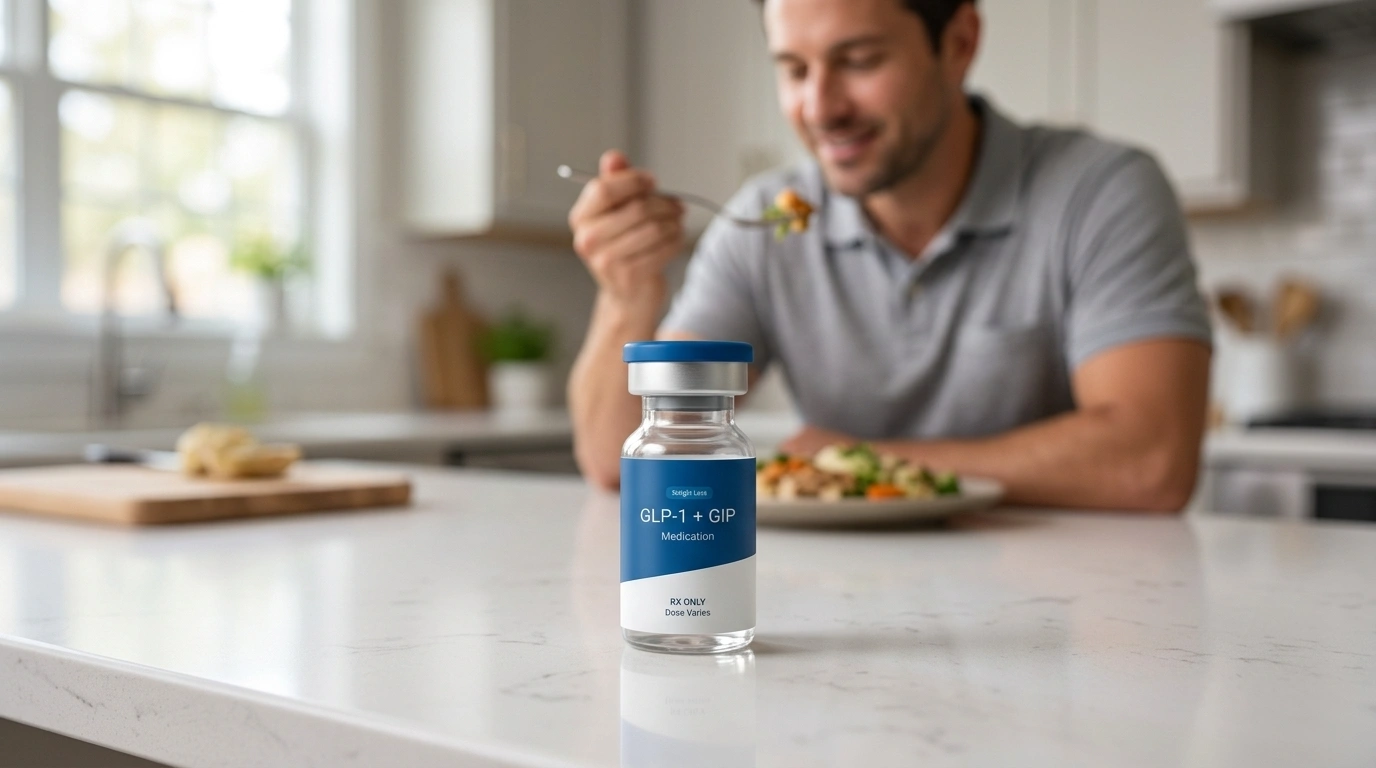
Mounjaro is a brand-name prescription medication that contains the active ingredient tirzepatide. It is a unique type of medicine known as a dual GLP-1 (glucagon-like peptide-1) and GIP (glucose-dependent insulinotropic polypeptide) receptor agonist. These are hormones naturally found in your body that help regulate your metabolism and appetite.
When you take this medication, it mimics these hormones to help your body in several ways. First, it tells your brain that you are full, which helps reduce the amount of food you eat. Second, it improves how your body releases insulin and handles blood sugar. Most importantly for the discussion of apple cider vinegar, it slows down gastric emptying. This means food stays in your stomach for a longer period, making you feel satiated for longer. For more background, read this guide explaining how GLP-1 medications affect appetite and gastric emptying.
What is Apple Cider Vinegar?
Apple cider vinegar, often called ACV, is a type of vinegar made from fermented apple juice. For years, it has been used as a traditional remedy for various health concerns. The primary active component in ACV is acetic acid.
Many people use ACV in the hope of improving their metabolic health. Some research suggests that acetic acid may help lower blood sugar levels after a meal by improving insulin sensitivity. Others use it as a “detox” tool or a way to suppress appetite. While it is a natural product, it is highly acidic, which is why it is almost always recommended to be diluted in water before consumption.
The Interaction Between ACV and Tirzepatide
The main concern with combining apple cider vinegar and Mounjaro® is how they both affect your digestive system. Because tirzepatide slows down the rate at which your stomach empties, anything you consume stays in your stomach longer than it normally would.
When you introduce a highly acidic substance like apple cider vinegar into a stomach that is already processing food slowly, the acid sits there for an extended period. This can lead to a significant increase in gastroesophageal reflux, commonly known as heartburn or acid reflux. For a person with a BMI over 30 who is already experiencing mild nausea from their medication, adding ACV could turn a manageable side effect into a severe one. You can also review this guide to how long food may stay in the stomach on a tirzepatide medication.
Gastric Emptying and Acidity
Both tirzepatide and apple cider vinegar have been linked to delayed gastric emptying. In some studies, the acetic acid in vinegar has been shown to slow the rate at which food leaves the stomach. When you combine these two, you may be compounding that effect.
If your stomach empties too slowly, it can lead to a condition called gastroparesis, where the stomach muscles do not move food through effectively. While rare, the risk of severe bloating, abdominal pain, and vomiting increases when you mix multiple substances that all target the same digestive process.
Key Takeaway: The primary risk of mixing ACV and tirzepatide is not a dangerous chemical reaction, but rather an intensification of digestive side effects like heartburn and nausea due to slowed stomach emptying.
Addressing the Natural Mounjaro Recipe Trend
You may have encountered the “Natural Mounjaro” or “Brazilian Mounjaro” drink recipes on social media. These usually consist of apple cider vinegar, lemon juice, ginger, and sometimes honey or cinnamon. The name is purely a marketing term used by influencers; there is no such thing as “natural” tirzepatide in a kitchen cupboard.
Why the Name is Misleading
Tirzepatide is a complex, synthetic peptide that requires precise manufacturing to interact with your hormone receptors. A mixture of vinegar and ginger cannot replicate the dual-action GIP and GLP-1 receptor activation that makes Mounjaro® effective. While the ingredients in these drinks (like ginger) can help with inflammation or digestion, they do not function the same way as a prescription medication.
Is the Viral Drink Safe?
For most healthy adults, a drink containing a tablespoon of ACV and some lemon juice is safe. However, for someone on a clinical weight loss program, these drinks can be counterproductive. The acidity of the lemon and vinegar can irritate the lining of the stomach, which may already be sensitive due to the medication.
Myth: The “Natural Mounjaro” drink works exactly like the prescription medication.
Fact: No food or vinegar can mimic the hormonal receptor activation of tirzepatide; these drinks are simply traditional digestive tonics with a viral name.
Common Side Effects of the Combination
If you choose to use apple cider vinegar while on Mounjaro®, you should be vigilant about how your body responds. Many patients report that their “stomach feels heavy” or that they experience “sulfur burps”—a common side effect of GLP-1 medications where food sits in the stomach so long it begins to release gas. ACV can make these symptoms more pronounced. For a broader overview, see what to expect from tirzepatide side effects.
Digestive Distress
The most common issues include:
- Increased Heartburn: The acid from the vinegar can back up into the esophagus.
- Nausea: A stomach that is too acidic or too full often leads to a feeling of queasiness.
- Erosion of Tooth Enamel: Frequent consumption of acidic drinks can wear down your teeth.
- Throat Irritation: Undiluted vinegar can cause small burns in the throat.
Potential Benefits?
Some people find that a very small amount of ACV helps them manage blood sugar spikes after a high-carb meal. However, because tirzepatide is already exceptionally powerful at managing blood sugar, the “extra help” from vinegar is often unnecessary and carries more risk of discomfort than benefit.
Who Should Avoid This Combination?
Not everyone will react the same way to this combination, but certain health profiles should be extra cautious. If you have a history of certain conditions, you should consult a licensed healthcare provider before adding ACV to your routine.
- History of GERD: If you already suffer from chronic acid reflux, adding vinegar while on a GLP-1 is likely to cause a flare-up.
- Gastroparesis: Individuals with a history of “slow stomach” should avoid any supplemental acetic acid.
- Kidney Issues: Large amounts of vinegar can affect potassium levels, which is a concern for those with kidney disease.
- Dental Sensitivity: If you have thin enamel, the acidity of daily ACV can be damaging.
Managing Side Effects on Your Weight Loss Journey
If you are struggling with the side effects of your medication, the answer is rarely found in another acidic supplement. Instead, focusing on gentle, nutrient-dense support is often more effective.
Better Alternatives for Nausea and Digestion
If you are looking for ways to support your body while on a program like the ones offered through TrimRx, consider these options:
- Ginger: Unlike vinegar, ginger is a base that can help calm the stomach without adding acid.
- Hydration: Drinking plenty of water is essential for moving food through the digestive tract.
- Small Meals: Eating smaller, frequent portions reduces the load on your stomach.
- Targeted Supplements: Our GLP-1 Daily Support supplement is designed to provide the body with essential nutrients that may be lacking during a reduced-calorie diet, without the harsh acidity of vinegar.
The Role of Personalized Support
Every body reacts differently to medications like tirzepatide or Compounded Tirzepatide. This is why we emphasize a personalized approach. What works for one person might cause severe heartburn for another. By working through a platform like ours, you have access to specialists who can help you navigate these questions. If you are considering a prescription program, you can complete a free eligibility assessment.
Comparing ACV and Prescription Tirzepatide
To understand why one is a medical treatment and the other is a supplement, it helps to look at them side-by-side.
| Feature | Prescription Tirzepatide | Apple Cider Vinegar |
|---|---|---|
| Primary Action | Mimics GIP and GLP-1 hormones | May improve insulin sensitivity |
| FDA Status | FDA-approved for Diabetes/Obesity* | Classified as a Food/Supplement |
| Weight Loss Evidence | Strong clinical trial data | Limited, anecdotal evidence |
| Common Side Effect | Nausea, slowed digestion | Heartburn, tooth erosion |
| Method | Once-weekly injection | Daily oral consumption |
*Note: Branded versions like Mounjaro® and Zepbound® are FDA-approved; compounded versions are prepared by FDA-registered compounding pharmacies but are not themselves FDA-approved.
How to Safely Incorporate ACV (If You Must)
If you feel strongly about continuing your apple cider vinegar routine while on a weight loss medication, follow these steps to minimize risk:
Step 1: Consult your provider. / Always check with the medical team managing your prescription to ensure there are no specific contraindications for your health profile.
Step 2: Dilute, dilute, dilute. / Never take ACV as a “shot.” Mix one tablespoon into at least 8 to 12 ounces of water to lower the acidity.
Step 3: Time it correctly. / Avoid taking ACV immediately before bed. Lying down with acid in a slow-moving stomach is a primary cause of nighttime reflux.
Step 4: Monitor your symptoms. / If you notice increased burping, nausea, or a burning sensation in your chest, stop the ACV immediately.
The TrimRx Approach to Sustainable Health
At TrimRx, we believe that weight loss is about more than just a prescription; it is about the entire ecosystem of your health. We provide a telehealth-first platform that connects you with licensed providers who understand the nuances of GLP-1 and GIP medications.
Our programs are fully personalized. We don’t just provide access to medications like Compounded Semaglutide or Compounded Tirzepatide; we provide a framework for success. This includes lab work, unlimited support, and access to a dedicated team of specialists who can answer questions about your diet, supplements, and side effects. If you want to understand the difference between dietary products and clinical treatments, read this comparison of GLP-1 supplements and prescription programs.
Healthy Habits While on Mounjaro
Rather than focusing on viral vinegar drinks, focus on the dietary habits that are proven to support the efficacy of your medication.
- Prioritize Lean Protein: This helps preserve muscle mass as you lose fat. Think chicken, turkey, tofu, and legumes.
- Increase Fiber Slowly: Fiber helps with digestion, but adding too much too fast while on a GLP-1 can lead to bloating.
- Avoid Fried Foods: High-fat foods stay in the stomach even longer and are the most common trigger for nausea.
- Limit Alcohol: Alcohol can irritate the stomach and interfere with blood sugar regulation.
Bottom line: While apple cider vinegar has some minor metabolic benefits, it often causes more digestive harm than good when combined with the slowed gastric emptying of a medication like Mounjaro®.
Conclusion
The journey to a healthier weight is often paved with questions about what we can add to our routine to see faster results. While apple cider vinegar is a popular natural tool, its high acidity and effect on digestion make it a risky partner for medications like Mounjaro®. The potential for increased heartburn, nausea, and stomach discomfort often outweighs the minimal metabolic benefits it may provide.
At TrimRx, our mission is to help you navigate these choices with science and empathy. We provide the medical supervision and personalized programs necessary to ensure your journey is not just effective, but also comfortable and sustainable. True progress comes from a balanced approach that respects your body’s unique needs.
If you are ready to move past “viral hacks” and start a medically supervised, personalized weight loss journey, your next step is simple. You can take the free assessment quiz to see which program may fit your health profile and goals.
FAQ
Does apple cider vinegar help you lose more weight on Mounjaro?
There is no clinical evidence to suggest that apple cider vinegar increases the weight loss effectiveness of tirzepatide. While ACV may slightly improve insulin sensitivity for some, the prescription medication is already performing that task at a much more significant level.
Can I drink the “Natural Mounjaro” recipe while on the actual medication?
It is generally not recommended to drink highly acidic mixtures like the “Natural Mounjaro” drink while taking the actual medication. The combination of lemon, vinegar, and ginger can irritate your stomach lining and worsen the digestive side effects associated with the drug.
What should I do if I get heartburn from taking ACV with my medication?
If you experience heartburn, stop taking the apple cider vinegar immediately. You should also consult with your healthcare provider to discuss ways to manage acid reflux, which may include using over-the-counter antacids or adjusting your diet to avoid other acidic or fatty foods. You can also review this tirzepatide side-effect management guide.
Are there any supplements that are better to take than ACV?
For those on a GLP-1 or GIP medication, focus on supplements that support overall nutrition and digestive comfort. Options like ginger for nausea or a high-quality daily support supplement like our GLP-1 Daily Support supplement can provide the nutrients your body needs without the risk of acid-induced discomfort.
Disclaimer: This content is for informational purposes only and does not constitute medical advice. It is not intended to diagnose, treat, cure, or prevent any disease or condition. Individual results may vary. Always consult a qualified healthcare professional before starting any weight loss program or medication.

Transforming Lives, One Step at a Time
Keep reading

When You and Your Spouse Are Both on Mounjaro
It is increasingly common for both people in a couple to be on the same medication. Sometimes one partner starts and the other follows…

Black Friday Shopping on Mounjaro
For a lot of families, Black Friday is a tradition: lining up before dawn, racing through stores with a list, and shopping until the…

Mounjaro Alternatives: What Else to Consider
If Mounjaro isn’t the right fit, the closest alternatives are other GLP-1 medications, chiefly semaglutide (Ozempic for diabetes, Wegovy for weight), along with a…


