Can I Take Anti Diarrhea Medicine With Mounjaro?
Introduction
Starting a weight loss journey often comes with a mix of excitement and a few unexpected hurdles. If you have recently begun a program involving Mounjaro® (tirzepatide), you may have experienced the common gastrointestinal side effects that frequently accompany these medications. Diarrhea is one of the most frequently reported issues, and it can be frustrating when you are trying to stay consistent with your health goals. At TrimRx, we believe that understanding your body’s response to medication is the first step toward a successful and sustainable transformation.
Many people find themselves standing in the pharmacy aisle wondering if it is safe to reach for an over-the-counter fix while their body adjusts to their new treatment. This post covers whether you can safely use anti-diarrheal medications, how these treatments interact with your digestive system, and what steps you should take to manage side effects effectively. While most gastrointestinal symptoms are temporary, knowing how to handle them allows you to stay focused on your progress. If you are considering prescription weight loss support, you can complete a free eligibility assessment.
Understanding Mounjaro and Gastrointestinal Side Effects
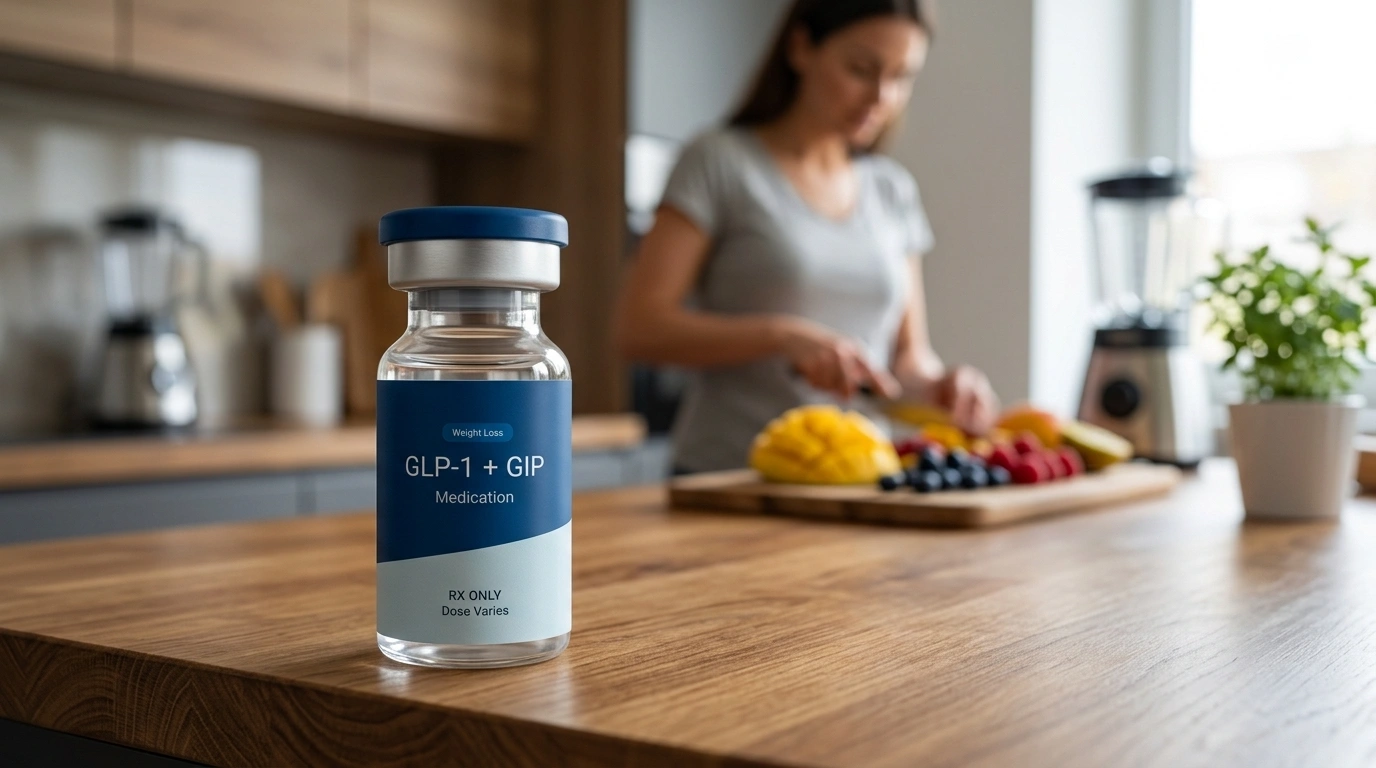
Mounjaro® is a prescription medication used for weight management and the treatment of type 2 diabetes. It is part of a class of drugs known as dual GLP-1 (glucagon-like peptide-1) and GIP (glucose-dependent insulinotropic polypeptide) receptor agonists. These hormones naturally occur in the body to regulate blood sugar and appetite. By mimicking these hormones, the medication helps you feel full longer and improves how your body processes energy.
Because these hormones act directly on the digestive tract, side effects like nausea, bloating, and diarrhea are quite common. These symptoms usually occur because the medication slows down gastric emptying—the process by which food leaves your stomach and enters your small intestine. When your digestive rhythm changes, your bowel movements may become irregular as your system recalibrates. For additional context, review this guide to tirzepatide side effects and management.
Quick Answer: Yes, you can generally take over-the-counter anti-diarrheal medicines like loperamide (Imodium®) with Mounjaro®, but they should be used for short-term relief only. Always consult with a licensed healthcare provider before combining medications to ensure they are appropriate for your specific health profile.
Can You Take Anti-Diarrheal Medicine with Mounjaro?
For most individuals, taking a standard anti-diarrheal medication is considered safe for short-term symptom management. However, there are nuances to how these medications work together. Because Mounjaro® already slows the movement of food through your gut, adding an anti-diarrheal—which also slows intestinal motility—requires a cautious approach.
Common Over-the-Counter Options
The most common medication used for this purpose is loperamide, often sold under the brand name Imodium®. Loperamide works by slowing down the rhythm of digestion, allowing your body to absorb more water and electrolytes, which firms up the stool.
Another option is bismuth subsalicylate, found in products like Pepto-Bismol®. This medication can help reduce inflammation in the gut and kill certain bacteria that might be contributing to distress. While these are generally accessible, they are not intended to be a long-term solution for side effects caused by a prescription weight loss program. You can also review this guide to stopping diarrhea while taking Mounjaro.
The Importance of Timing and Absorption
One critical factor to consider is how Mounjaro® affects the absorption of other medications. Because it delays gastric emptying, any pill you take might stay in your stomach longer before reaching the small intestine where absorption primarily occurs. This can delay how quickly an anti-diarrheal starts to work.
If you are using other essential medications, such as oral contraceptives or blood pressure medicine, the combination of delayed gastric emptying and a bout of diarrhea can create a double-edged sword for medication efficacy. If a medication passes through your system too quickly due to diarrhea, or stays in the stomach too long due to the GLP-1/GIP effect, its effectiveness may be compromised.
Key Takeaway: While over-the-counter anti-diarrheals are usually safe for occasional use, they should not replace a conversation with your healthcare provider about dose adjustments or long-term management strategies.
Why Mounjaro Can Cause Diarrhea
To manage the symptom, it helps to understand why it is happening. Diarrhea on a GLP-1/GIP medication is often a sign that the body is sensitive to the hormonal changes being introduced. This overview of tirzepatide injection side effects provides additional background.
Slowed Gastric Emptying
When food stays in the stomach longer, it can sometimes ferment or lead to an imbalance in the small intestine. This can trigger the body to flush the system, resulting in loose stools.
Bile Acid Changes
The hormones GIP and GLP-1 play a role in how the gallbladder and liver process bile. An increase in bile acid secretion into the intestines can sometimes act as a natural laxative, leading to the sudden onset of diarrhea, particularly after high-fat meals.
Changes in the Gut Microbiome
New research suggests that these medications may alter the environment of your gut bacteria. While these changes are often positive for metabolic health in the long run, the initial shift can cause temporary digestive upset.
Bottom line: Diarrhea is a functional response to the medication’s influence on your digestive speed and hormonal balance, usually peaking after a dose increase and subsiding as the body adapts.
When to Seek Medical Guidance
While mild diarrhea is a known side effect, it is important to distinguish between a “normal” adjustment period and a situation that requires clinical intervention. If you are participating in a program through a platform like TrimRx, you have access to specialists who can help you navigate these moments.
Signs you should contact a healthcare provider include:
- Diarrhea that lasts more than three consecutive days.
- Signs of severe dehydration, such as extreme thirst, dark urine, or dizziness.
- Severe abdominal pain or cramping that does not resolve.
- High fever or blood in the stool.
- The inability to keep any liquids down.
Persistent diarrhea can lead to dehydration, which in turn can put stress on the kidneys. This is why hydration is the most critical companion to any GLP-1 or GIP treatment. If you are ready to explore whether a prescription program is appropriate for you, you can take the free assessment quiz.
Lifestyle Strategies to Manage Gut Health
Before reaching for the medicine cabinet, many people find relief by making small adjustments to their daily routine. These changes can often reduce the frequency of diarrhea without the need for additional pills.
Dietary Adjustments
The “BRAT” diet—bananas, rice, applesauce, and toast—is a classic recommendation for firming up stools. Beyond this, pay close attention to fat intake. High-fat or fried foods are the most common triggers for diarrhea while on Mounjaro®. Because the medication slows down fat digestion, heavy meals can “sit” in the gut and eventually cause a rapid, unpleasant exit.
Hydration and Electrolytes
When you have diarrhea, you aren’t just losing water; you are losing essential salts like sodium, potassium, and magnesium. Simply drinking plain water may not be enough to keep your energy levels up. We often recommend incorporating an electrolyte supplement to maintain balance. This is especially important for those using our GLP-1 Daily Support, which is designed to help bridge the nutritional gaps that can occur during weight loss.
Probiotic Support
Introducing a high-quality probiotic can help stabilize the gut microbiome. While it may not stop an acute bout of diarrhea immediately, it can create a more resilient digestive environment over time, potentially reducing the severity of future side effects. For more information, read about probiotic timing with GLP-1 medications.
The TrimRx Approach to Side Effect Management
We understand that medical weight loss is not just about the medication; it is about the support system surrounding it. Our platform is built to ensure you are never left guessing about your symptoms. When you use TrimRx, you are connected with licensed providers who can evaluate your side effects and determine if a change in your treatment plan is necessary.
Our programs include access to compounded medications, such as compounded tirzepatide or compounded semaglutide. These are prepared in FDA-registered, inspected compounding pharmacies. While these compounded versions are not FDA-approved, they offer a personalized alternative for patients when appropriate. Having a dedicated team means that if the 5mg dose of your medication is causing significant distress, your provider can discuss a more gradual titration (dose increase) schedule to help your body adjust more comfortably.
Myth: You have to suffer through severe side effects for the medication to be working.
Fact: Weight loss can be achieved with minimal side effects. Persistent distress usually means your dose or your diet needs an adjustment, not that the “medicine is working.”
Navigating Your Weight Loss Journey
Managing the ups and downs of a new medication requires patience and the right tools. If you are experiencing diarrhea, remember that it is a common part of the metabolic reset your body is undergoing. By staying hydrated, watching your intake of trigger foods, and using anti-diarrheal medications sparingly, you can usually navigate this phase successfully. If you are still deciding whether prescription treatment is right for you, see if you qualify for a personalized program.
Step-by-Step: How to Handle a Diarrhea Flare-up
Step 1: Increase fluid intake. / Sip on electrolyte-rich drinks throughout the day to prevent dehydration.
Step 2: Simplify your diet. / Stick to bland, low-fiber foods for 24–48 hours until the urgency subsides.
Step 3: Evaluate your recent dose. / Note if the symptoms started within 48 hours of your last injection, as this is the most common timing for side effects.
Step 4: Consult your provider. / Reach out to your clinical team through the platform to report the symptom and get personalized advice on whether to take an anti-diarrheal or adjust your next dose.
Comparing Management Strategies
| Strategy | Primary Benefit | Best Used For |
|---|---|---|
| Loperamide (OTC) | Slows gut motility quickly | Acute, short-term relief |
| Electrolyte Replenishment | Prevents dehydration/fatigue | Every instance of loose stool |
| Dietary Modification | Addresses the root trigger | Long-term prevention |
| Dose Titration | Allows the body to adapt | Persistent or severe side effects |
Achieving Sustainable Success
Weight loss is a marathon, not a sprint. While medications like Mounjaro®, Wegovy®, or Ozempic® are powerful tools, they work best when integrated into a lifestyle that prioritizes gut health and overall well-being. The goal is to feel better, not just to see a lower number on the scale.
At TrimRx, we are committed to providing a telehealth experience that feels personal. From the initial assessment to the delivery of your medication from our partner pharmacies, we prioritize transparency and safety. Our mission is to help you embrace a healthier lifestyle through science and empathy, ensuring you have the resources to handle everything from weight plateaus to digestive side effects.
If you are ready to take the next step toward a healthier version of yourself, the process begins with a simple, free assessment. This allows a licensed provider to review your health history and determine the most appropriate path forward for your personalized weight loss program. Start with a personalized assessment.
FAQ
Is it safe to take Pepto-Bismol® with my weight loss injection?
Yes, bismuth subsalicylate (Pepto-Bismol®) is generally safe for occasional use with GLP-1 or GIP medications. It can help soothe the stomach and reduce diarrhea, but you should avoid using it excessively as it can mask more serious issues or lead to constipation.
Will anti-diarrhea medicine make my Mounjaro® less effective?
No, anti-diarrheal medications do not interfere with the mechanism by which Mounjaro® helps you lose weight. However, they can further slow down your digestion, so it is important to monitor for signs of extreme constipation after the diarrhea has resolved.
Should I skip my next dose if I have diarrhea?
You should never skip or change your dose without consulting your healthcare provider. If you are experiencing significant side effects, your provider may recommend staying at your current dose for an extra month or reducing the dose, but these decisions should be made with professional guidance.
Can I take probiotics while on a GLP-1 medication?
Yes, many patients find that probiotics help balance their digestive system while on weight loss medications. Probiotics support a healthy gut microbiome, which may reduce the frequency of gastrointestinal side effects like bloating and diarrhea over time. If you are considering a prescription program, you can find out if GLP-1 medications are right for you.
Disclaimer: This content is for informational purposes only and does not constitute medical advice. It is not intended to diagnose, treat, cure, or prevent any disease or condition. Individual results may vary. Always consult a qualified healthcare professional before starting any weight loss program or medication.

Transforming Lives, One Step at a Time
Keep reading

Mounjaro Alternatives: What Else to Consider
If Mounjaro isn’t the right fit, the closest alternatives are other GLP-1 medications, chiefly semaglutide (Ozempic for diabetes, Wegovy for weight), along with a…

Mounjaro vs Zepbound: Same Drug, Two Brands
Like their semaglutide counterparts, Mounjaro and Zepbound are the same medication (tirzepatide) sold under two names for two purposes: Mounjaro is approved for type…

Retatrutide vs Mounjaro: Triple Agonist vs Dual Agonist
The core difference between retatrutide and Mounjaro comes down to how many hormone targets each hits: retatrutide activates three receptors, while Mounjaro (tirzepatide) activates…


