Can You Take Semaglutide and Ozempic Together?
Introduction
If you have ever felt confused by the sheer number of names in the world of weight loss medications, you are certainly not alone. Between brand names like Ozempic® and Wegovy® and the scientific name “semaglutide,” it is easy to wonder if combining different versions could lead to better or faster results. At TrimRx, we believe that clarity is the first step toward a successful health journey. Many people ask us if they can take semaglutide and Ozempic at the same time to boost their progress. This question is particularly common for those who may have access to both a branded prescription and a compounded version of the same medication.
The short answer is a definitive no. Taking these together is essentially doubling the same medication, which can lead to serious health risks without providing extra benefits. This article provides the facts on why these two names refer to the same active ingredient and how you can safely navigate your treatment options. Our goal is to help you find a path that is safe, effective, and tailored to your unique health profile. For additional context, you can review this guide to how compounded semaglutide differs from brand-name medications.
Quick Answer: No, you should not take semaglutide and Ozempic together. Ozempic is simply a brand name for the active ingredient semaglutide. Taking both at once means you are double-dosing the same medication, which significantly increases the risk of severe side effects and medical complications.
The Relationship Between Semaglutide and Ozempic
To understand why you cannot take these together, you first need to understand what they are. Semaglutide is the name of the active pharmaceutical ingredient. It is a molecule designed to mimic a natural hormone in your body. Ozempic is a brand name for a specific injectable medication that uses semaglutide as its only active ingredient.
When a pharmaceutical company develops a new drug, they give it a generic or chemical name (semaglutide) and a brand name (Ozempic) for marketing. For example, it is the same relationship as ibuprofen and Advil. You would not take a dose of generic ibuprofen and a dose of Advil at the same time because you would be taking too much of the same medicine.
Why the Confusion Exists
The confusion often stems from how these medications are talked about in the news and on social media. Some people refer to “semaglutide” when they are talking about compounded versions of the medication. Others use “Ozempic” as a catch-all term for any GLP-1 medication. Because they sound like different things, it is easy to assume they might work together. You can also explore this overview of how compounded semaglutide works for weight loss.
In reality, if you are prescribed Ozempic, you are already taking semaglutide. If you add another semaglutide product on top of it, you are no longer following a safe dosing schedule. This can lead to a concentration of the drug in your system that your body is not prepared to handle.
The Different Forms of Semaglutide
Semaglutide is available in several formats, all of which contain the same core molecule but are used for different primary purposes.
- Ozempic®: An injectable medication that is FDA-approved to help adults with type 2 diabetes manage their blood sugar. It is also used to reduce the risk of major cardiovascular events like heart attacks or strokes in adults with type 2 diabetes and known heart disease.
- Wegovy®: An injectable medication that is FDA-approved specifically for chronic weight management. It contains the same active ingredient (semaglutide) as Ozempic but often at a higher maximum dosage.
- Rybelsus®: An oral tablet version of semaglutide that is FDA-approved for adults with type 2 diabetes.
- Compounded Semaglutide: A version of the medication prepared by specialized pharmacies. These are often used during drug shortages or when a patient needs a specific customized dose.
Key Takeaway: Ozempic is a brand-name version of the drug semaglutide. Because they are the same medication, taking them together is a form of accidental double-dosing.
The Risks of Taking Both Simultaneously
The primary reason you must never combine these is the risk of overdose. Every medication has a “therapeutic window.” This is the range where the dose is high enough to be effective but low enough to be safe. When you take two versions of the same drug, you push yourself far outside that window.
Severe Gastrointestinal Issues
Semaglutide works by slowing down your digestion. If you double the dose, your digestive system can slow down to a dangerous degree. This often results in severe, persistent nausea and uncontrollable vomiting. In some cases, this can lead to dehydration, which may require hospitalization for intravenous fluids. For more guidance, read this complete guide to semaglutide side effects and management.
Increased Risk of Pancreatitis
Pancreatitis is the inflammation of the pancreas. It is a rare but serious side effect associated with GLP-1 medications. By taking more than the recommended dose, you may significantly increase the stress on your pancreas, potentially triggering this painful and dangerous condition.
Hypoglycemia (Low Blood Sugar)
While semaglutide is designed to help regulate blood sugar, taking too much can cause your blood sugar to drop to unsafe levels. This is known as hypoglycemia. Symptoms include dizziness, confusion, shakiness, and in severe cases, loss of consciousness. This risk is even higher if you are already taking other medications for diabetes, such as insulin or sulfonylureas.
Gallbladder Problems
High doses of GLP-1 receptor agonists have been linked to an increased risk of gallbladder issues, including gallstones or inflammation (cholecystitis). Doubling your dose can accelerate these risks, leading to sudden abdominal pain and the potential need for surgery.
Note: If you have accidentally taken both Ozempic and another semaglutide product, contact a healthcare provider or a local poison control center immediately. Watch for signs of severe abdominal pain, repeated vomiting, or extreme dizziness.
How Semaglutide Works in the Body
To appreciate why the dosage matters so much, it helps to understand what semaglutide actually does. Semaglutide belongs to a class of drugs called GLP-1 receptor agonists. These medications mimic a hormone called glucagon-like peptide-1 (GLP-1), which your body naturally produces in the gut after you eat.
Appetite and Satiety
The natural GLP-1 hormone tells your brain that you are full. Semaglutide lasts much longer in the body than the natural hormone. It binds to receptors in the brain that control hunger, making you feel satisfied with smaller portions and reducing “food noise,” or constant thoughts about eating.
Slowing Gastric Emptying
Semaglutide slows the rate at which your stomach empties its contents into the small intestine. This physical delay keeps you feeling full for a longer period. When you take the correct dose, this process is manageable. When you double-dose by taking semaglutide and Ozempic together, the stomach can become too slow, leading to a feeling of extreme bloating or “gastroparesis” (stomach paralysis).
Insulin and Glucagon Regulation
For those with blood sugar concerns, semaglutide helps the pancreas release the right amount of insulin when blood sugar is high. It also helps stop the liver from making too much sugar. This balanced approach is highly effective for metabolic health, but it depends entirely on precise dosing managed by a medical professional.
Comparison of Semaglutide Formats
| Feature | Ozempic® | Wegovy® | Compounded Semaglutide |
|---|---|---|---|
| Active Ingredient | Semaglutide | Semaglutide | Semaglutide |
| FDA Approval Status | FDA-approved for T2D | FDA-approved for Weight Loss | Not FDA-approved |
| Administration | Weekly Injection | Weekly Injection | Weekly Injection (typically) |
| Common Use | Diabetes & Heart Health | Chronic Weight Management | Personalized weight loss support |
| Dosing Source | Commercial Pharmacy | Commercial Pharmacy | FDA-registered compounding pharmacy |
Switching Between Medications Safely
While you should never take these medications at the same time, there are many valid reasons why someone might switch from one to the other. For example, if there is a shortage of Ozempic, a provider might transition a patient to a compounded version of semaglutide. Alternatively, someone might move from a compounded version to Wegovy once their insurance coverage is approved. This guide to switching from brand-name to compounded GLP-1 medication provides additional background.
The Importance of a Transition Period
Because semaglutide has a long half-life—meaning it stays in your system for about a week—you cannot simply start one the day after you take the other. A healthcare provider will usually recommend a specific waiting period.
Step 1: Consult Your Provider
Never make a switch on your own. Your provider needs to verify your current dosage and ensure that the new medication is appropriate for your health goals.
Step 2: Follow the 7-Day Rule
For weekly injections, you generally wait a full seven days after your last dose of the old medication before starting the first dose of the new one. This prevents the two doses from “overlapping” and causing a spike in the drug’s concentration in your blood.
Step 3: Titration Adjustments
Depending on the switch, your provider might suggest starting the new medication at a lower dose to see how your body reacts. This is especially true if you are moving between different brands that have different delivery mechanisms or pen types.
Step 4: Monitor for Side Effects
Even though the active ingredient is the same, your body may react differently to a new formulation or a different injection device. Keep a log of any new symptoms during the first month of the transition.
The Role of Personalized Weight Loss Programs
Weight loss is not a one-size-fits-all process. The reason medications like Ozempic and semaglutide require a prescription is that they are powerful tools that need to be matched to the individual. Taking medications without supervision—or trying to “stack” them by taking both at once—ignores the clinical necessity of personalization.
At TrimRx, we emphasize that every individual’s health history, metabolic rate, and weight loss goals are different. A program that works for one person may need adjustments for another. This is why our process starts with a thorough evaluation. We connect you with licensed healthcare providers who look at your specific needs before any medication is ever recommended.
Why Supervision Matters
A doctor does more than just write a prescription. They monitor your kidney function, check for signs of gallbladder issues, and ensure that your dosage is helping you lose weight at a sustainable, healthy rate. If you are experiencing side effects, a supervised program allows for immediate adjustments that keep you on track without compromising your safety.
If you are interested in a program that prioritizes this level of individual care, we recommend starting with a free eligibility assessment. This quiz helps determine if a GLP-1 program is the right fit for you and allows our team to gather the information needed to support your journey.
Managing Side Effects and Nutrient Support
Even when taken correctly, semaglutide can sometimes cause mild side effects as your body adjusts. Common issues include occasional nausea, fatigue, or changes in digestion. When people mistakenly combine medications, these side effects become much more severe.
To help our members succeed, we offer targeted support for those on a weight loss journey. For example, our GLP-1 Daily Support supplement is designed to help bridge nutritional gaps that can occur when you are eating less. It can also help manage the common “queasiness” that some people feel during the first few weeks of treatment.
Practical Tips for Success
- Hydration is Key: Drinking plenty of water is essential. GLP-1 medications can sometimes mask thirst, and staying hydrated helps reduce the risk of headaches and constipation.
- Prioritize Protein: As you lose weight, you want to ensure you are maintaining muscle mass. Focus on lean proteins like chicken, fish, beans, and Greek yogurt.
- Eat Slowly: Because your stomach stays full longer, eating too quickly can lead to discomfort. Stop eating before you feel completely full to allow your brain time to catch up with your stomach.
- Avoid High-Fat Foods: Greasy or fried foods can stay in the stomach even longer, often triggering nausea or heartburn when taken with semaglutide.
The Difference Between Branded and Compounded Options
It is important to understand the legal and clinical distinctions between the products you might see. Branded medications like Ozempic® and Wegovy® are manufactured by pharmaceutical companies and have undergone extensive clinical trials to receive FDA approval for specific uses.
Compounded semaglutide is a different category. While it contains the same active ingredient, the compounded version itself is not FDA-approved. Instead, it is prepared by a pharmacist in an FDA-registered and inspected compounding pharmacy. These pharmacies must follow strict quality standards, but the end product is considered a “custom” medication rather than a standardized mass-produced drug.
We work with highly reputable, inspected compounding pharmacies to ensure our members receive quality care. However, we always maintain transparency: whether you are using a branded or a compounded version, the rules of safety remain the same. You must use only one version at a time under the guidance of a professional.
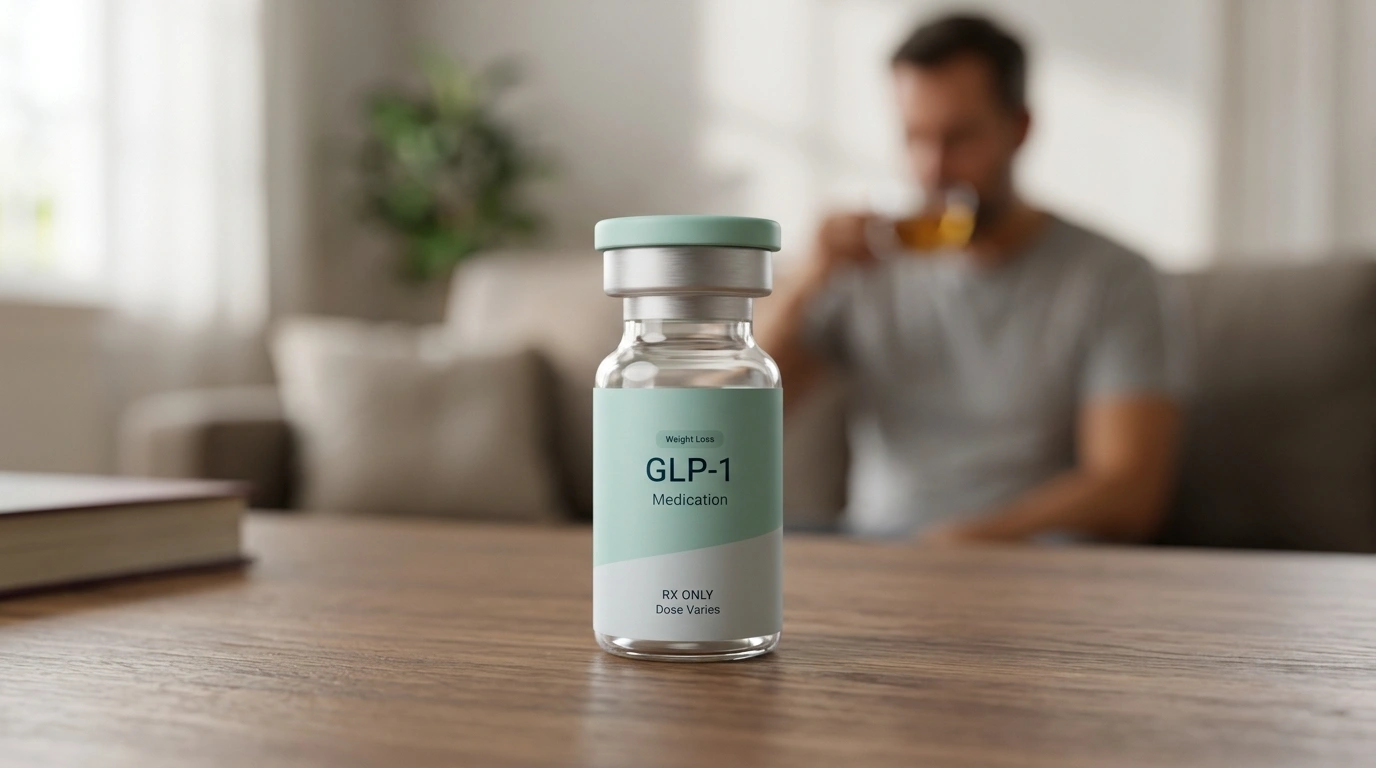
Key Takeaway: Whether it is a branded pen or a compounded vial, the active ingredient is the same. Mixing them creates a dangerous dosage level that can jeopardize your health.
Taking the Next Step in Your Journey
The path to sustainable weight loss is rarely a straight line. It is natural to have questions about how to maximize your results or navigate the various medication options available. However, doubling up on semaglutide and Ozempic is not the answer. Safety and consistency are what lead to long-term success.
At TrimRx, our mission is to provide you with the science, empathy, and personalized care you need to thrive. We are here to help you move past the frustration of confusing options and into a clear, medically supervised plan. By focusing on your unique metabolic health, we aim to make your weight loss journey both effective and sustainable.
If you are ready to see what a personalized, science-backed approach can do for you, we invite you to complete a free GLP-1 eligibility assessment. It is the first step toward a healthier you, supported by a team that understands your goals and respects your health.
FAQ
Is semaglutide the same thing as Ozempic?
Yes, semaglutide is the active medicinal ingredient found in the brand-name medication Ozempic®. While Ozempic is a specific product made by a pharmaceutical company, semaglutide is the generic name for the drug itself.
What happens if I accidentally take both Ozempic and semaglutide?
Taking both can lead to an overdose, causing severe nausea, persistent vomiting, and potential dehydration. It also increases the risk of more serious complications like pancreatitis or severe hypoglycemia.
Can I switch from Ozempic to a compounded version of semaglutide?
Yes, you can switch between these versions, but it must be done under the supervision of a healthcare provider. Typically, you must wait seven days after your last dose of one before starting the other to avoid an unsafe overlap. You can learn about obtaining compounded semaglutide through personalized care.
Why do people think you can take them together?
Confusion often arises because “semaglutide” is sometimes used to describe compounded versions, while “Ozempic” is a brand name. People may mistakenly believe they are two different types of medication that can be combined for better results.
Disclaimer: This content is for informational purposes only and does not constitute medical advice. It is not intended to diagnose, treat, cure, or prevent any disease or condition. Individual results may vary. Always consult a qualified healthcare professional before starting any weight loss program or medication.

Transforming Lives, One Step at a Time
Keep reading
Semaglutide vs Tirzepatide: Comparing Weight Loss, Blood Sugar, and Side Effects
Semaglutide and Tirzepatide are one of the most common comparisons in medical weight loss. The two medications share a clear family resemblance. Both are…

How Much Weight Can You Lose on Semaglutide?
How much weight can you lose on semaglutide? The answer varies depending on your starting weight, dosage, treatment duration, and individual response to the…

Hair Shedding Months Into Semaglutide
It shows up in the shower drain first, then on the pillow, then in the brush. By the time most people search this, they…


