What Supplements to Take While on Mounjaro for Optimal Health
Introduction
Starting a weight loss journey with a medication like Mounjaro® can feel like a major turning point. You may notice your appetite fading and your relationship with food changing almost overnight. While this is exactly how the medication is designed to work, eating significantly less can sometimes lead to unintended gaps in your nutrition. Many people find themselves wondering if they are getting enough vitamins to stay energized or enough protein to protect their hard-earned muscle. At TrimRx, we believe that medication is just one piece of the puzzle. Supporting your body with the right nutrients is essential for feeling your best while the medication does its work. If you’re ready to see whether prescription GLP-1 treatment is a fit, you can take the free assessment quiz.
How Mounjaro Affects Your Nutritional Needs
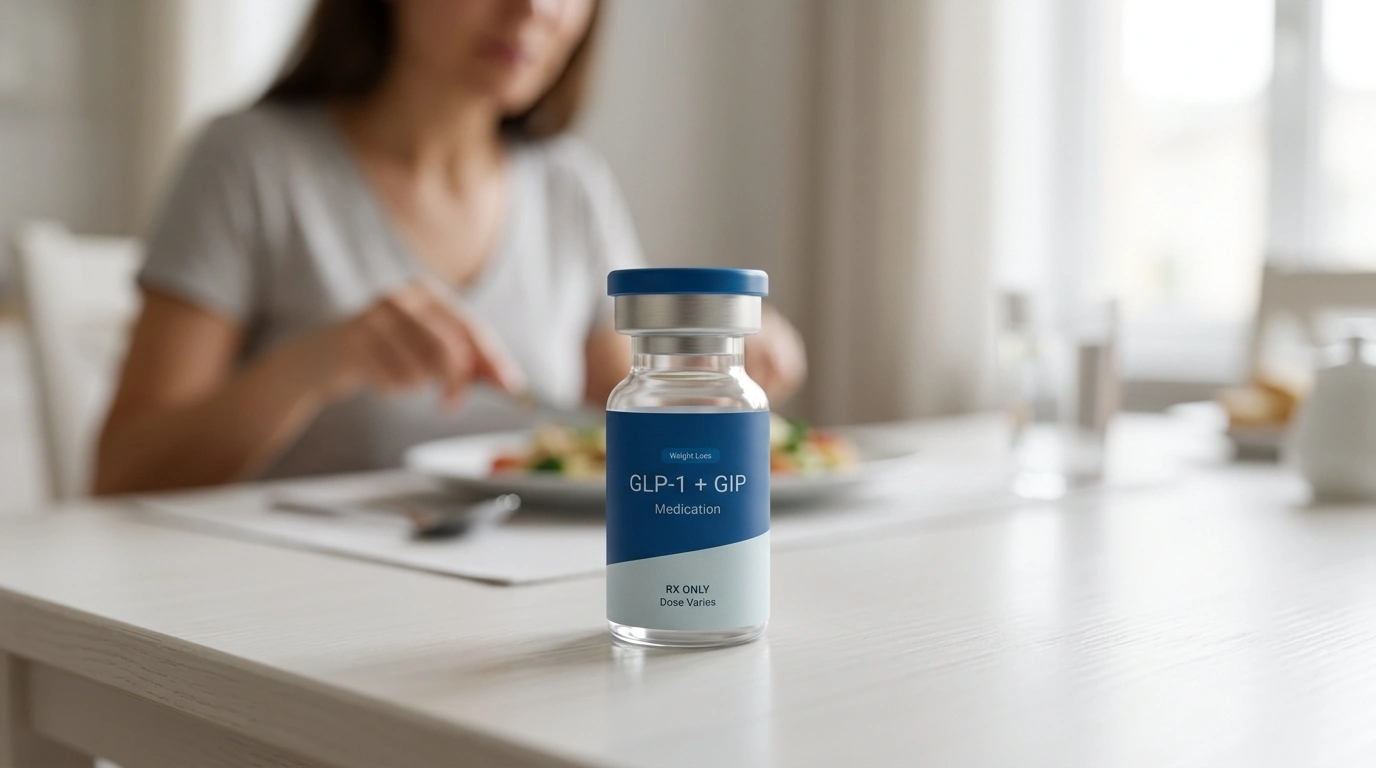
Mounjaro® is a branded medication containing the active ingredient tirzepatide. It is known as a dual agonist because it mimics two different hormones in the body: glucagon-like peptide-1 (GLP-1) and glucose-dependent insulinotropic polypeptide (GIP). These hormones work together to slow down gastric emptying, which is the scientific term for how fast food leaves your stomach.
When your stomach stays full longer, you naturally eat smaller portions. While this leads to weight loss, it also means your “opportunity” to consume essential vitamins and minerals is smaller. If you are only eating 1,200 calories a day instead of 2,000, you have to be much more intentional about the quality of those calories.
Furthermore, the slowed digestion process can occasionally affect how your body absorbs oral supplements. Because the medication changes how your GI tract moves, choosing the right forms of nutrients becomes more important than ever. For a broader overview of supplement choices on GLP-1 medications, our guide on supplements to take and avoid on GLP-1 medications is a helpful companion read.
Key Takeaway: Mounjaro® reduces appetite and slows digestion, which means you must prioritize nutrient-dense foods and targeted supplements to avoid deficiencies.
The Importance of Protein Supplementation
One of the most discussed topics for anyone on a GLP-1 or GIP medication is the risk of muscle loss. When the body loses weight rapidly, it doesn’t just burn fat. It can also break down muscle tissue for energy. This is often referred to as losing “lean body mass.”
Maintaining muscle is vital for your metabolism. Muscle tissue burns more calories at rest than fat tissue does. If you lose too much muscle, your metabolic rate may drop, making it harder to maintain your weight loss in the long term.
Why Protein Powder Helps
Many people on tirzepatide find it difficult to eat large amounts of chicken, steak, or beans because they feel full so quickly. This is where a high-quality protein powder can be a helpful tool.
- Ease of consumption: A liquid protein shake is often easier to tolerate than a heavy meal when you have low appetite.
- Muscle preservation: Consuming 25–30 grams of protein per meal helps signal your body to keep its muscle tissue.
- Satiety: Protein helps you feel satisfied and steady, preventing the “energy crashes” that can happen when calories are low.
If you want more context on how nutrition patterns shift during GLP-1 treatment, our article on what supplements to take on GLP-1 covers the bigger picture.
Managing Digestive Side Effects with Fiber and Magnesium
The most common side effects of medications like Mounjaro® involve the digestive system. Because the medication slows down the movement of the intestines, some individuals experience constipation. Others may experience occasional bouts of diarrhea or indigestion.
Fiber Supplements
Fiber is essential for keeping things moving through your digestive tract. However, there is a delicate balance. If you take too much fiber while your digestion is already slow, it can sometimes lead to more bloating.
If you decide to use a fiber supplement, start with a small dose and drink plenty of water. Soluble fiber, like psyllium husk, can help soften the stool and make it easier to pass.
For a deeper look at one of the most common mineral questions, magnesium on semaglutide explains when supplementation may make sense during GLP-1 treatment.
Magnesium for Regularity
Magnesium is a mineral that plays hundreds of roles in the body, including muscle relaxation and energy production. Many people find that taking magnesium at night helps with two things:
- Digestion: Certain forms, like magnesium citrate, can act as a gentle osmotic laxative to help with constipation.
- Sleep: Magnesium glycinate is often used to support relaxation and better sleep quality, which is essential for weight loss recovery.
Note: Always speak with a healthcare provider before starting magnesium, especially if you have any history of kidney issues.
Electrolytes and Hydration
When you eat less, you also tend to consume fewer electrolytes like sodium, potassium, and magnesium. Additionally, as your body burns through stored glycogen (sugar) during the early stages of weight loss, it releases a significant amount of water. This can lead to dehydration and a feeling of dizziness or “brain fog.”
Why you might need an electrolyte supplement:
- Preventing “Keto Flu” symptoms: Even if you aren’t on a keto diet, rapid weight loss can cause similar feelings of fatigue and headaches.
- Managing nausea: Proper hydration can sometimes help settle an uneasy stomach.
- Supporting workouts: If you are staying active, you need to replace the salts lost through sweat.
If hydration and bowel regularity are your main concerns, the guide on how to relieve constipation from tirzepatide is a practical next step.
Look for electrolyte powders that do not contain high amounts of sugar. A simple mix of sodium, potassium, and magnesium added to your water once a day can make a significant difference in your energy levels.
Vital Micronutrients: B12 and Vitamin D
Certain vitamins are particularly important when you are on a medical weight loss program. These micronutrients support your metabolism and your immune system.
Vitamin B12
Vitamin B12 is essential for energy metabolism and nervous system health. Some research suggests that GLP-1 medications might interfere with the absorption of B12 over long periods. Low levels of B12 can lead to fatigue, which is a common complaint for those starting their weight loss journey. Many providers recommend a B12 supplement—either as a pill or a sublingual (under the tongue) liquid—to help keep energy levels high.
Vitamin D
Vitamin D is a fat-soluble vitamin that acts more like a hormone in the body. It is crucial for bone health, especially since rapid weight loss can sometimes impact bone density. Since many adults are already deficient in Vitamin D, supplementing can support your immune system and your mood.
Quick Action Steps:
- Ask your doctor for a blood panel to check your current B12 and Vitamin D levels.
- Choose a Vitamin D3 supplement, which is generally better absorbed than D2.
- Take fat-soluble vitamins (A, D, E, K) with a meal that contains a little healthy fat for better absorption.
Supporting Hair and Skin Health
It is common to hear about “weight loss hair thinning.” This is usually a condition called telogen effluvium, which is a temporary shedding of hair caused by the stress of rapid weight loss or a significant reduction in calories.
While you cannot always prevent this entirely, providing your body with the building blocks for hair and skin can help.
- Collagen: This protein provides the amino acids needed for skin elasticity and hair strength.
- Biotin: A B-vitamin that is often associated with keratin production.
- Multivitamins: A broad-spectrum multivitamin ensures you aren’t missing small amounts of trace minerals like zinc or selenium, which are vital for hair health.
If hair shedding is one of your concerns, our article on GLP-1 and hair loss explains why it often shows up during rapid weight loss.
Myth: Hair loss on Mounjaro® is caused by the medication itself.
Fact: Hair thinning is usually a result of the rapid weight loss and nutritional changes, not a direct side effect of the drug’s chemistry.
Supplements to Avoid or Use with Caution
While many supplements are helpful, some can be risky when combined with a powerful metabolic medication like tirzepatide.
Berberine
Berberine is a popular herbal supplement often called “nature’s Ozempic” because it can help lower blood sugar. However, taking berberine while on a prescription medication that already lowers blood sugar can be dangerous. It may increase the risk of hypoglycemia (critically low blood sugar), which can cause shakiness, sweating, and fainting.
Excessive Fiber During Nausea
If you are currently experiencing active nausea or vomiting as a side effect of your medication, do not “bulk up” on fiber. Adding extra bulk to a stomach that is already struggling to empty can make the nausea worse. Wait until your stomach settles before increasing your fiber intake.
High-Dose Herbal “Fat Burners”
Many over-the-counter fat burners contain high amounts of caffeine or stimulants. Since medications like Mounjaro® can sometimes increase your resting heart rate, adding stimulants can lead to heart palpitations or increased anxiety.
The TrimRx Approach to Supplementation
At TrimRx, we understand that managing your health while on medication requires a 360-degree approach. We don’t just focus on the prescription; we focus on the person. This is why our platform emphasizes personalized care.
For those looking for targeted support, we offer quick-access products like GLP-1 Daily Support. This is designed specifically for individuals on these medications to help fill the common nutrient gaps we have discussed. We also offer Weight Loss Boost, a supplement aimed at supporting metabolic health without the use of harsh stimulants.
Our programs are designed to be simple and transparent. When you use our platform, you get:
- A free assessment quiz to determine the best path for you.
- Access to licensed providers who understand the nuances of GLP-1 and GIP treatments.
- Medications (when prescribed) shipped from FDA-registered, inspected compounding pharmacies.
- Ongoing support to help you manage side effects and optimize your results.
Whether you are using Compounded Tirzepatide or a branded option like Zepbound® or Mounjaro®, our team is here to help you navigate the nutritional requirements of your journey.
How to Get Started with a Supplement Routine
If you are feeling overwhelmed by the number of pills and powders available, the best approach is to start slow. You do not need to take ten different supplements on day one.
Step 1: Focus on Protein. Ensure you are hitting your daily protein goals through food first, then add a shake if needed.
Step 2: Hydrate with Electrolytes. If you feel tired or have a headache, try an electrolyte drink before reaching for caffeine.
Step 3: Add a Targeted Multivitamin. A high-quality multivitamin or a product like our GLP-1 Daily Support can cover your basic bases for B12, Vitamin D, and minerals.
Step 4: Monitor and Adjust. Pay attention to how your body feels. If you are constipated, add magnesium or fiber. If you are tired, check your B12 levels.
For a related look at the kind of side effects that often shape supplement decisions, the guide to tirzepatide side effects can help you plan ahead.
Bottom line: Supplements should support a healthy diet, not replace it. Focus on high-quality, whole foods and use supplements to bridge the gaps.
Conclusion
Taking Mounjaro® or other similar medications can be a life-changing experience, but it requires you to be an active participant in your health. By focusing on protein, hydration, and essential vitamins, you can help your body stay strong and resilient as the weight comes off. Remember that everyone’s body is different. What works for one person may not be exactly what you need.
Our mission at TrimRx is to provide you with the tools, technology, and clinical expertise to make your weight loss journey sustainable. We focus on science-backed methods and empathetic support to ensure you never feel alone in this process. If you are ready to take the next step toward a healthier version of yourself, you are welcome to take the free assessment quiz or explore GLP-1 Daily Support for ongoing nutrient support.
Next Steps:
- Take our free assessment quiz to see which personalized program is right for your health goals.
- Explore our quick-access supplements like GLP-1 Daily Support to help manage your nutrient needs today.
FAQ
Can I take a multivitamin with Mounjaro?
Yes, most people benefit from a high-quality multivitamin while on Mounjaro® to ensure they are meeting their daily requirements for micronutrients. Because your total food intake is lower, a multivitamin acts as a “safety net” for vitamins like A, C, and various B vitamins. Always check with your healthcare provider to ensure the specific brand you choose does not interfere with any other health conditions.
Does Mounjaro cause hair loss, and can supplements help?
Hair thinning is a common side effect of rapid weight loss, not necessarily a direct effect of the medication itself. This happens because the body shifts its energy away from non-essential functions like hair growth during a period of significant caloric reduction. Supplements like biotin, collagen, and ensuring adequate protein intake may support hair health and help your hair recover more quickly once your weight stabilizes.
Are there any supplements I should avoid while on GLP-1 medications?
You should be cautious with supplements that significantly lower blood sugar, such as berberine, as they can combine with your medication to cause hypoglycemia. Additionally, high-dose stimulants or “fat burners” should be avoided because they may increase your heart rate or blood pressure. It is always best to run your full supplement list by a licensed healthcare professional.
Why am I so tired on Mounjaro, and can vitamins help?
Fatigue is a common side effect often caused by a combination of lower calorie intake, dehydration, and potential vitamin deficiencies like B12 or Vitamin D. Ensuring you are taking an electrolyte supplement for hydration and a B12 supplement for energy metabolism can often help. If fatigue persists, it is important to consult your provider to ensure your dosage and nutrition are properly balanced.
Disclaimer: This content is for informational purposes only and does not constitute medical advice. It is not intended to diagnose, treat, cure, or prevent any disease or condition. Individual results may vary. Always consult a qualified healthcare professional before starting any weight loss program or medication.

Transforming Lives, One Step at a Time
Keep reading

Mounjaro Alternatives: What Else to Consider
If Mounjaro isn’t the right fit, the closest alternatives are other GLP-1 medications, chiefly semaglutide (Ozempic for diabetes, Wegovy for weight), along with a…

Mounjaro vs Zepbound: Same Drug, Two Brands
Like their semaglutide counterparts, Mounjaro and Zepbound are the same medication (tirzepatide) sold under two names for two purposes: Mounjaro is approved for type…

Retatrutide vs Mounjaro: Triple Agonist vs Dual Agonist
The core difference between retatrutide and Mounjaro comes down to how many hormone targets each hits: retatrutide activates three receptors, while Mounjaro (tirzepatide) activates…


