Can You Take Mounjaro and HCG Together? Safety and Efficacy
Introduction
Finding the right combination of tools for a weight loss journey can feel like a full-time job. Many individuals who have struggled with traditional dieting often look for ways to maximize their results, leading to questions about “stacking” different treatments. One common question currently circulating is whether you can take Mounjaro® and HCG together. As you navigate the complex world of metabolic health, it is essential to separate scientific evidence from marketing trends. At TrimRx, we believe that sustainable weight loss is built on transparency, safety, and medically supervised strategies. This post will cover how these two substances interact, the clinical evidence behind them, and the safety considerations you must keep in mind before considering a combined approach. The combination of Mounjaro® and HCG is not currently a standard medical practice, and understanding the “why” behind that is critical for your health.
Understanding Mounjaro® and Tirzepatide
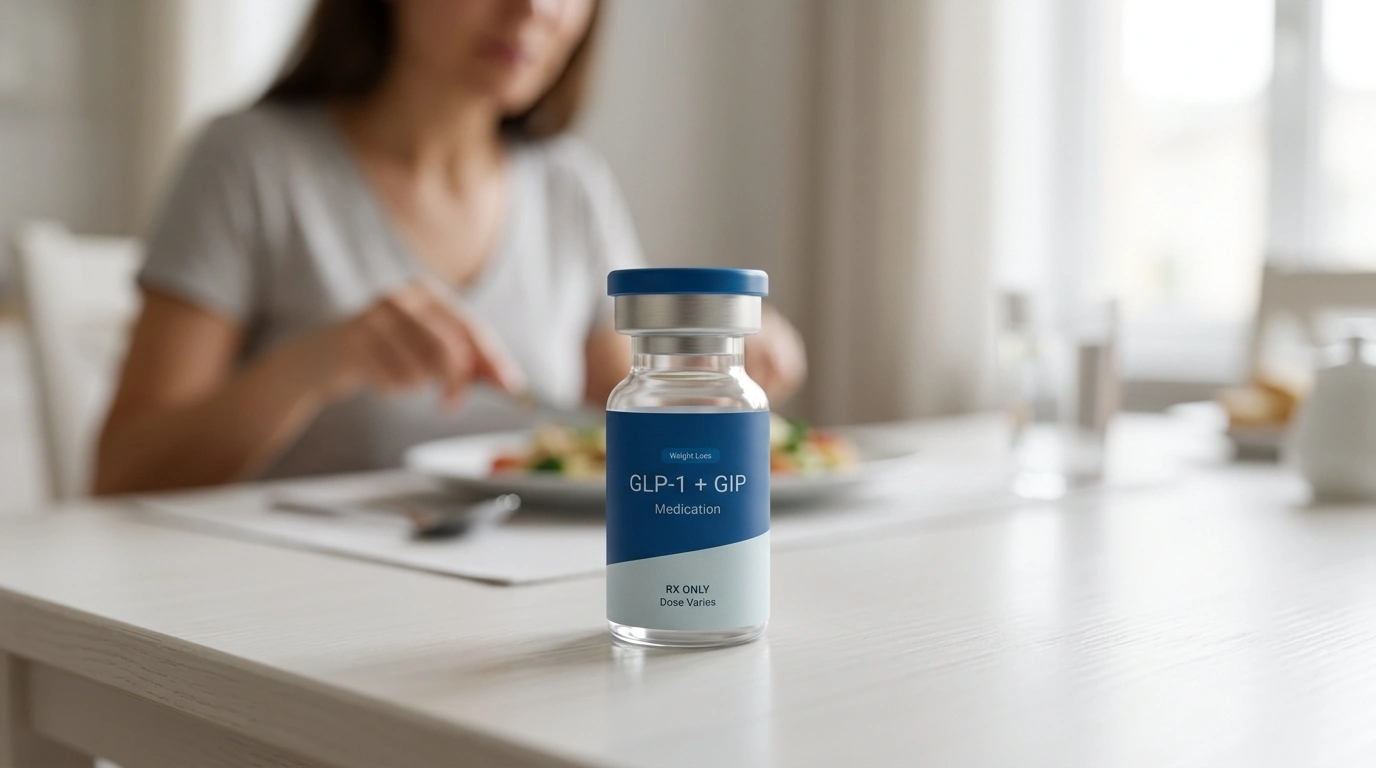
Mounjaro® is a brand-name medication that contains the active ingredient tirzepatide. It is currently FDA-approved for the treatment of type 2 diabetes, though it is frequently discussed in the context of weight management. Tirzepatide belongs to a class of medications known as dual-acting receptor agonists. This means it targets two different hormone receptors in the body to help regulate metabolism and appetite. For a broader overview of tirzepatide and Mounjaro®, read our guide to understanding Mounjaro and weight management programs.
The first target is the GLP-1 receptor. Glucagon-like peptide-1 (GLP-1) is a hormone naturally produced in your gut. When you eat, GLP-1 is released to signal your brain that you are full. It also slows down “gastric emptying,” which is the process of food moving from your stomach into your small intestine. This helps you feel satisfied for a longer period.
The second target is the GIP receptor. Glucose-dependent insulinotropic polypeptide (GIP) is another hormone that works alongside GLP-1. While GLP-1 primarily focuses on satiety and slowing digestion, GIP is thought to influence how the body breaks down fats and sugars. By stimulating both receptors, tirzepatide offers a “dual-agonist” approach that many find highly effective for metabolic regulation.
Key Takeaway: Mounjaro® works by mimicking two natural hormones, GLP-1 and GIP, to slow digestion and signal fullness to the brain, providing a multi-layered approach to metabolic health.
What is HCG?
HCG stands for human chorionic gonadotropin. This is a hormone that the body naturally produces in high amounts during pregnancy. In a clinical setting, HCG is FDA-approved for specific medical uses, such as treating certain types of infertility in women and increasing sperm count in men. It is also used to treat some hormone-related disorders in young boys.
The “HCG Diet” is a controversial weight loss protocol. Developed in the 1950s, this protocol involves taking HCG—either through injections, drops, or pills—while following a Very-Low-Calorie Diet (VLCD). A VLCD typically limits a person to just 500 to 800 calories per day. Proponents of the HCG diet claim the hormone helps the body “burn stored fat” and prevents the hunger usually associated with such low calorie intake.
However, the medical community and the FDA have a different perspective. The FDA has explicitly stated that HCG is not approved for weight loss. Research suggests that any weight loss achieved on an HCG program is the result of the extreme calorie restriction, not the hormone itself. In fact, large-scale studies have shown that HCG has no significant effect on appetite suppression or fat distribution.
Can You Take Mounjaro and HCG Together?
The short answer is that while there is no direct “drug-to-drug” interaction listed, combining them is not recommended by most healthcare professionals. There are several reasons why stacking these two could be redundant or even dangerous. Because Mounjaro® is already so effective at suppressing appetite and regulating blood sugar, adding a secondary hormone like HCG often adds unnecessary risk without proven benefit.
Quick Answer: While you technically “can” take them if a provider prescribes them, most medical experts advise against combining Mounjaro® and HCG. Mounjaro® is a powerful dual-agonist that regulates appetite effectively on its own, and adding HCG (especially when paired with a very-low-calorie diet) increases the risk of side effects like malnutrition and muscle loss.
Comparing the Mechanisms
To understand why this combination is rarely used in modern medicine, it helps to look at how each substance interacts with your body.
| Feature | Mounjaro® (Tirzepatide) | HCG (Chorionic Gonadotropin) |
|---|---|---|
| Primary Action | Mimics GIP and GLP-1 hormones | Mimics LH (Luteinizing Hormone) |
| Appetite Control | High (acts on brain satiety centers) | Low/None (clinically unproven for hunger) |
| Digestion Speed | Slows gastric emptying | No known effect on digestion speed |
| FDA Approval | Approved for Type 2 Diabetes | Approved for Infertility and specific conditions |
| Common Weight Use | Chronic weight management (as Zepbound®) | Controversial “HCG Diet” (not FDA-approved) |
The Risks of Combining These Treatments
One of the primary concerns with combining Mounjaro® and HCG is the risk of extreme calorie deficiency. Mounjaro® is designed to be used alongside a balanced, reduced-calorie diet. However, the HCG protocol often demands a drop to 500 calories. When you combine a medication that already makes you feel very full (Mounjaro®) with a diet that is already dangerously low in calories (HCG protocol), you may find it nearly impossible to consume enough nutrients to maintain vital organ function.
Muscle wasting is a significant side effect of rapid weight loss. When the body is deprived of calories and protein, it often begins to break down muscle tissue for energy. Mounjaro® helps preserve metabolic health, but extreme protocols like the HCG diet can lead to “sarcopenia,” or the loss of skeletal muscle mass. This can leave you feeling weak and may actually lower your metabolism in the long run. For practical strategies, explore this guide to building muscle while using GLP-1 medications.
There are also specific medical contraindications to consider. Both Mounjaro® and HCG carry their own lists of warnings. For example, Mounjaro® has a boxed warning regarding thyroid C-cell tumors. HCG, as a hormone, is not recommended for individuals with certain hormone-sensitive conditions, such as certain types of breast, ovarian, or prostate issues. Combining these two requires a deep understanding of your personal medical history that only a licensed healthcare provider can assess.
Important: Never attempt to “stack” weight loss medications or hormones without the explicit supervision of a licensed clinician. Improper combinations can lead to severe electrolyte imbalances and heart rhythm irregularities.
Potential Side Effects to Watch For
The most common side effects of GLP-1 medications like tirzepatide are gastrointestinal. These include nausea, vomiting, diarrhea, and constipation. These symptoms occur because the medication is changing how quickly your stomach empties. When you add HCG into the mix, you may experience additional side effects related to hormone fluctuations. You can also review our guide to common GLP-1 side effects and what to expect.
Reported side effects of HCG include:
- Fatigue and irritability
- Restlessness or trouble sleeping
- Fluid retention (edema)
- Headaches
- Breast tenderness or enlargement (gynecomastia in men)
The rare but serious risks increase with “stacking.” These include gallstones, which can form when weight loss happens too quickly. There is also a risk of pancreatitis, an inflammation of the pancreas, which is a known potential side effect of GLP-1 receptor agonists. Forcing the body to adapt to two different powerful hormonal changes at once can place unnecessary stress on your metabolic system.
A Better Path to Sustainable Results
At TrimRx, we focus on what is clinically proven to work. Rather than relying on outdated protocols like the HCG diet, our platform connects you with providers who specialize in modern GLP-1 and GIP/GLP-1 therapies. These medications are backed by rigorous clinical trials and are designed to support the body’s natural pathways for weight regulation.
Personalization is the key to safety. No two bodies are the same. A program that works for one person may not be appropriate for another. This is why we emphasize the importance of our free assessment quiz. By looking at your health profile, medical history, and goals, licensed providers can determine if a medication like compounded tirzepatide is a safe and effective option for you.
We also provide access to compounded medications from trusted sources. While branded Mounjaro® and Zepbound® are well-known, they can sometimes be difficult to access due to supply chain issues. We connect patients with licensed providers who can prescribe compounded versions of these medications. These are prepared and shipped by FDA-registered, inspected compounding pharmacies, ensuring you have a consistent and medically supervised path forward.
Bottom line: Modern weight loss science has moved past the HCG diet. Focusing on a single, effective GLP-1 or dual-agonist medication under medical supervision is generally safer and more sustainable than combining multiple unproven hormonal treatments.
How to Optimize Your GLP-1 Program
If you are already taking a medication like Mounjaro® or a compounded tirzepatide, you don’t necessarily need “boosters” like HCG to see progress. Instead, focus on supporting your body’s natural functions.
Step 1: Prioritize Protein Intake. Aim for high-quality protein at every meal. This helps protect your lean muscle mass while the medication helps you lose fat. Since you will likely be eating smaller portions, making those portions protein-rich is vital. For more guidance, read about how much protein to eat while using GLP-1 medication.
Step 2: Hydrate with Electrolytes. Because these medications slow digestion, you may find that you don’t feel thirsty as often. Staying hydrated helps prevent constipation and keeps your energy levels stable.
Step 3: Consider Targeted Supplements. Instead of adding hormones like HCG, many people find success using supplements designed to work with GLP-1 therapies. Our GLP-1 Daily Support supplement is formulated to help manage common side effects and provide the nutrients your body needs when your appetite is reduced.
Step 4: Incorporate Resistance Training. Even light weightlifting or bodyweight exercises can help maintain muscle mass. This ensures that the weight you lose comes from fat stores rather than muscle tissue.
Why Medical Supervision is Non-Negotiable
Weight loss is a complex metabolic process, not just a matter of willpower. When you use powerful medications that alter your hormones and digestion, you need a professional in your corner. Telehealth has made this easier than ever. You no longer need to spend hours in a waiting room to get expert guidance. Learn more about how online GLP-1 prescriptions work.
Through us, you have 24/7 access to a dedicated team of specialists. This means that if you experience a side effect or have a question about how your medication is working, you aren’t left to guess. This level of support is especially important if you have been considering complex combinations like Mounjaro® and HCG. A professional can help you understand the risks and redirect you toward a safer, evidence-based plan.
The Future of Metabolic Health
The landscape of weight management has changed dramatically in the last several years. We have moved from the era of “fad diets” and unproven hormone injections into an era of precision medicine. Medications that target GIP and GLP-1 receptors are at the forefront of this change because they address the biological roots of weight struggles.
Our mission at TrimRx is to make these science-backed treatments accessible and understandable. We believe that everyone deserves a personalized approach that respects their body’s unique needs. By merging clinical expertise with modern technology, we help you move away from the frustration of failed diets and toward a healthier lifestyle supported by real science.
Conclusion
Taking Mounjaro® and HCG together is generally not advised. The risks of malnutrition, muscle loss, and hormonal imbalance far outweigh the unproven benefits of adding HCG to a modern GLP-1 regimen. Mounjaro® and its active ingredient, tirzepatide, are already highly effective at managing appetite and metabolic health on their own. Adding a 50-year-old protocol like HCG can complicate your treatment and lead to unnecessary side effects.
If you are looking for a way to enhance your weight loss journey, the best next step is to complete a free eligibility assessment with a licensed provider who can create a program tailored specifically to you. At TrimRx, we are dedicated to helping you achieve sustainable results through transparency, medical supervision, and a focus on long-term wellness.
Key Takeaway: Focus on one science-backed treatment at a time. The dual-action power of tirzepatide is a comprehensive tool that usually requires no additional hormonal “boosters” to achieve significant health improvements.
Ready to see which program fits your needs?
- Take the Free Assessment Quiz: Find out if you are eligible for a personalized prescription program featuring compounded GLP-1 medications.
- Explore Support Supplements: If you are already on a GLP-1 journey, check out our GLP-1 Daily Support or Weight Loss Boost to support your nutrition and energy goals.
FAQ
Is HCG a steroid?
No, HCG is not a steroid. It is a protein-based hormone that is naturally produced by the body during pregnancy, primarily to support the development of an egg and trigger ovulation. While it is sometimes misused in the fitness community, its clinical purpose is related to fertility and hormonal disorders.
Why does the FDA warn against HCG for weight loss?
The FDA warns against HCG for weight loss because there is no scientific evidence that the hormone itself causes weight loss or helps people adhere to a calorie-restricted diet. Most “HCG products” sold for weight loss are also marketed illegally and may contain ingredients that are not safely regulated.
Can I switch from HCG to Mounjaro®?
Many people who have previously tried the HCG diet find much more sustainable success switching to a GLP-1 or GIP/GLP-1 medication like Mounjaro®. However, you should wait for any previous treatments to clear your system and consult with a licensed provider through a platform like ours to determine the safest timing for a transition. To understand the evaluation process, you can learn how the online GLP-1 prescription process works.
Does Mounjaro® cause muscle loss like the HCG diet?
Any rapid weight loss can lead to some muscle loss if you do not consume enough protein and engage in resistance training. However, because Mounjaro® does not require the extreme 500-calorie restriction of the HCG diet, it is generally much easier to maintain lean muscle mass while on a GLP-1 program. If you are considering treatment, see if you qualify for a personalized program.
Disclaimer: This content is for informational purposes only and does not constitute medical advice. It is not intended to diagnose, treat, cure, or prevent any disease or condition. Individual results may vary. Always consult a qualified healthcare professional before starting any weight loss program or medication.

Transforming Lives, One Step at a Time
Keep reading

Mounjaro Alternatives: What Else to Consider
If Mounjaro isn’t the right fit, the closest alternatives are other GLP-1 medications, chiefly semaglutide (Ozempic for diabetes, Wegovy for weight), along with a…

Mounjaro vs Zepbound: Same Drug, Two Brands
Like their semaglutide counterparts, Mounjaro and Zepbound are the same medication (tirzepatide) sold under two names for two purposes: Mounjaro is approved for type…

Retatrutide vs Mounjaro: Triple Agonist vs Dual Agonist
The core difference between retatrutide and Mounjaro comes down to how many hormone targets each hits: retatrutide activates three receptors, while Mounjaro (tirzepatide) activates…


