Can I Take a Probiotic With Zepbound? What You Need to Know
Introduction
Starting a weight loss journey often brings a mix of excitement and minor frustrations. You may finally see the scale move but find yourself dealing with unexpected digestive shifts. Many people using Zepbound® notice changes like bloating, nausea, or a slower bathroom routine. If you have ever felt like your gut is struggling to keep up with your medication, you might be looking for a natural way to find balance.
At TrimRx, we believe that managing these small hurdles is the key to staying consistent and reaching your long-term goals. One common question our community asks is whether they can safely combine their treatment with a daily probiotic. This post will cover the safety of this combination, how these two interact in your digestive tract, and which specific bacterial strains might offer the most support. For additional information, read our guide to how GLP-1 medications affect your gut health and microbiome.
Taking a probiotic with your medication is generally considered safe and may help ease common gastrointestinal side effects. If you are considering prescription support, you can complete a free eligibility assessment.
Understanding Zepbound and the Gut
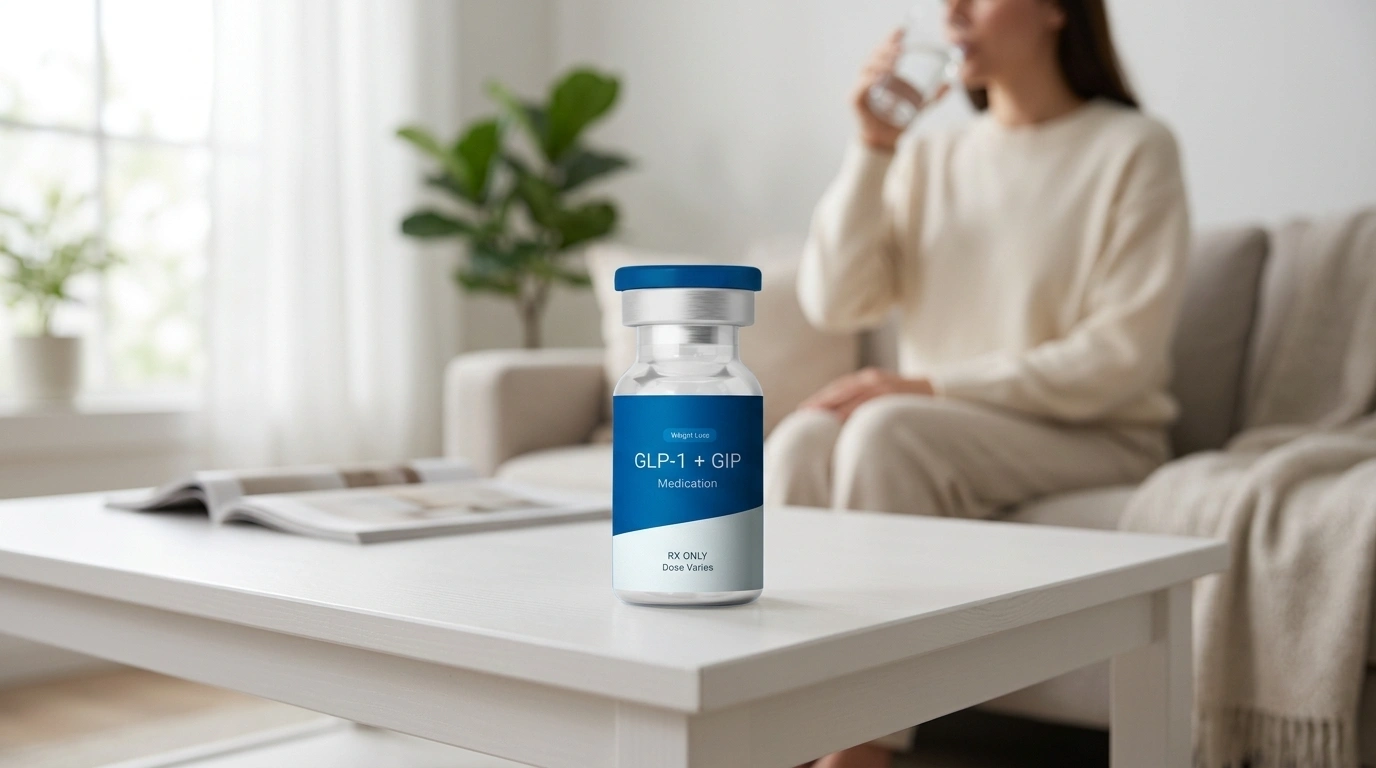
To understand if a probiotic is right for you, it helps to know how your medication works. Zepbound® (tirzepatide) is a dual receptor agonist. This means it mimics two hormones in your body: glucagon-like peptide-1 (GLP-1) and glucose-dependent insulinotropic polypeptide (GIP). These hormones regulate your appetite and how your body processes sugar.
One of the primary ways this medication helps you lose weight is by slowing down a process called gastric emptying. Gastric emptying is the rate at which food leaves your stomach and enters your small intestine. By slowing this down, the medication keeps you feeling full for a much longer period. You can also review our guide to Zepbound-related bloating and delayed digestion.
However, this change in speed can affect your internal environment. When food and waste move more slowly through your system, it can lead to temporary discomfort. This is often where the balance of your gut microbiome comes into play. The gut microbiome is the collection of trillions of bacteria living in your digestive tract that influence everything from metabolism to immune health.
Safety: Can I Take a Probiotic With Zepbound?
The short answer is yes. There are no known direct drug-drug interactions between tirzepatide and common probiotic supplements. Medical databases and clinical observations indicate that these two can be used together safely for the majority of people.
Because Zepbound® is an injectable medication, it is absorbed into your bloodstream rather than through your digestive lining. Probiotics, on the other hand, work locally within the intestines. This difference in how they enter and act on the body means they do not typically interfere with each other’s primary functions.
Key Takeaway: Probiotics do not have documented negative interactions with Zepbound® and are generally considered a helpful tool for supporting digestive comfort during weight loss.
However, your health profile is unique. If you have a history of severe gastrointestinal disease or a compromised immune system, you should always consult your healthcare provider before adding any new supplement to your routine.
The Potential Benefits of Gut Support
Many people turn to probiotics to help manage the “side effect” side of their journey. While the medication does the heavy lifting for weight loss, a probiotic can act as a supportive companion.
Supporting Regularity
Constipation is one of the most frequently reported side effects of GLP-1 and GIP medications. When your digestion slows down, waste spends more time in the colon. This allows the body to absorb more water from the stool, making it harder to pass. Specific strains of “good” bacteria can help by supporting motility, which is the natural movement of the muscles in your digestive tract. For more guidance, read about constipation on a GLP-1 that will not shift.
Reducing Bloating and Gas
When food stays in the stomach or intestines longer, it can lead to increased fermentation. This often manifests as that tight, uncomfortable feeling of being bloated. Probiotics help maintain a diverse and balanced bacterial environment, which may reduce the frequency and intensity of gas and abdominal distension.
Indirect Nausea Support
While probiotics are not a direct treatment for nausea, they can help improve overall digestive efficiency. When your gut is in better balance and waste is moving appropriately, you may feel less of the “heavy” sensation that often contributes to a queasy stomach.
Managing Absorption and Timing
While it is safe to take a probiotic, the timing and delivery of the supplement matter more when you are on a weight loss medication. Because your stomach empties more slowly, anything you swallow stays in the acidic environment of the stomach longer than usual.
Live probiotic bacteria are fragile. Most are designed to pass through the stomach quickly to reach the small and large intestines, where they do their best work. When the medication slows this passage, the bacteria are exposed to stomach acid for an extended period. This can potentially reduce the number of live cultures that actually reach their destination.
Strategies for Maximum Benefit
- Choose the right delivery method: Look for probiotics with delayed-release or enteric-coated capsules. These are specifically designed to survive stomach acid.
- Take with food: Some research suggests that taking a probiotic with a light meal can help buffer stomach acid and improve the survival rate of the bacteria.
- Stay consistent: Probiotics work best when taken at the same time every day to maintain a steady population of beneficial bacteria.
- Coordinate with your provider: If you take other oral medications, such as birth control or thyroid supplements, your provider may recommend specific timing, as slowed digestion can affect the absorption of these drugs as well.
Choosing the Right Strains for Your Journey
Not all probiotics are created equal. Different “strains” of bacteria perform different tasks in the gut. If you are using a weight loss medication, you may want to look for specific names on your supplement label.
| Strain Category | Common Benefit | Relevance to Weight Loss |
|---|---|---|
| Lactobacillus acidophilus | General gut balance | Helps with gas and bloating. |
| Bifidobacterium lactis | Regularity and motility | Frequently studied for easing constipation. |
| Lactobacillus rhamnosus | Intestinal barrier support | Useful for general gut sensitivity and resilience. |
| Bifidobacterium infantis | Digestive comfort | Supports the breakdown of fiber and nutrients. |
Many users choose a multi-strain approach to cover all their bases. We often recommend looking for a product that provides at least 10 billion to 50 billion CFUs (colony forming units) and includes a blend of both Lactobacillus and Bifidobacterium species.
The Role of Personalized Programs
At TrimRx, we understand that every individual reacts differently to metabolic treatments. Some people find that their gut adapts within a few weeks, while others need ongoing support to stay comfortable. This is why our platform emphasizes a personalized approach.
We connect you with licensed providers who can look at your entire health history to determine the best path forward. Whether you are using a branded medication or a compounded version prepared by an FDA-registered compounding pharmacy, having a dedicated team to answer your questions about supplements makes a significant difference. If you are exploring whether a personalized program may fit your needs, see if you qualify for a personalized program.
Our programs are designed to be telehealth-first. This means you can get clinical evaluations and ongoing support from the comfort of your home, without the need for waiting rooms or in-person visits.
Beyond Supplements: Holistic Gut Health
While a probiotic is a great tool, it works best when paired with healthy lifestyle habits. Your daily choices provide the “fuel” that helps those beneficial bacteria thrive.
Mandatory Hydration
Water is the most important supplement you can take while on Zepbound®. The medication can sometimes dampen your thirst cues, making it easy to become dehydrated. Dehydration is a leading cause of constipation and can make nausea feel much worse. Aim for at least 80 to 100 ounces of water daily to keep your system moving. Our guide to GLP-1 medications and bowel changes also discusses hydration and regularity.
Prioritize Fiber (Carefully)
Probiotics need “prebiotics” to survive. Prebiotics are types of fiber found in foods like oats, bananas, onions, and garlic. However, because your digestion is slow, you should introduce fiber gradually. Too much fiber too quickly can cause intense bloating. Focus on gentle, soluble fiber sources that are easier on a slow stomach.
Include Fermented Foods
You can also get natural doses of good bacteria from your diet. Consider adding small portions of:
- Unsweetened Greek yogurt
- Kefir
- Sauerkraut
- Kimchi
- Kombucha
Watch for Trigger Foods
High-fat, fried, or heavily processed foods sit in the stomach for a long time when your digestion is slowed. These heavy foods are often the primary culprits behind increased nausea and acid reflux. Focusing on lean proteins and simple vegetables will make your gut’s job much easier.
When to Consult Your Healthcare Team
While most digestive changes are temporary side effects of the medication, some symptoms deserve extra attention. You should contact a healthcare professional if you experience:
- No bowel movements for three days or more
- Severe or persistent abdominal pain that radiates to your back
- Inability to keep down fluids or food due to vomiting
- Blood in your stool or signs of severe dehydration (like dark urine or dizziness)
Your provider can help determine if you need to adjust your dosage or if there is another underlying issue that needs to be addressed.
Note: If you are immunocompromised or have a history of pancreatitis, always speak with a doctor before starting any live probiotic supplement.
Starting Your Routine: A Step-by-Step Approach
If you are ready to add a probiotic to your regimen, follow these simple steps for a smooth transition.
Step 1: Perform a Baseline Check.
Note your current symptoms. Are you mostly dealing with bloating, or is constipation the main issue? This helps you choose the right strain.
Step 2: Start “Low and Slow.”
If you have never taken a probiotic before, start with a lower CFU count. This allows your gut microbiome to adjust without causing a sudden increase in gas.
Step 3: Monitor for Two Weeks.
It often takes about 14 days for the beneficial bacteria to colonize and for you to notice a change in your symptoms. Keep a simple log of how you feel.
Step 4: Support with Targeted Supplements.
In addition to a general probiotic, you might consider specialized products. We offer options like GLP-1 Daily Support and Weight Loss Boost, which are formulated to address the specific nutritional and energy needs of people on a weight loss journey.
The Science of Success
Metabolic health is complex. While Zepbound® works on your hormones, your gut bacteria work on your digestion and nutrient absorption. Combining the two creates a multi-layered approach to wellness.
Recent research suggests that a diverse microbiome can support healthy insulin sensitivity and potentially enhance the results of weight loss efforts. By taking care of your gut, you are not just managing side effects—you are building a stronger foundation for your future health.
Conclusion
Navigating a new medication can feel like a lot of work, but you do not have to do it alone. Taking a probiotic with Zepbound® is a proactive and generally safe way to make your journey more comfortable. By choosing the right strains, staying hydrated, and focusing on a balanced microbiome, you can minimize the hurdles of slowed digestion and stay focused on your progress.
At TrimRx, our mission is to empower you with the science, technology, and empathy needed for sustainable change. We believe that weight loss is about more than just a number; it is about feeling your best every day. Whether you are just starting or looking to optimize your current program, we are here to support every step of the way.
Next Step: Ready to see if a personalized weight loss program is right for you? Take the free assessment quiz today to get started with a clinical evaluation.
FAQ
Does Zepbound interact with probiotics?
There are no known direct drug interactions between Zepbound® and common probiotic strains. Because the medication is an injection and the probiotic works in the gut, they generally do not interfere with each other.
Can probiotics help with constipation caused by Zepbound?
Yes, certain strains, specifically those in the Bifidobacterium family, are well-known for supporting bowel regularity. Probiotics can help move waste through the system even when the medication has slowed down your overall digestion. For more practical guidance, see these Zepbound constipation management strategies.
When is the best time to take a probiotic while on a GLP-1?
Many experts recommend taking your probiotic with a light meal to help the bacteria survive stomach acid. Consistency is more important than the exact time of day, so choose a time that you can easily remember every day.
Will probiotics reduce the effectiveness of my weight loss medication?
There is no evidence that probiotics make Zepbound® less effective. In fact, by managing digestive side effects, probiotics may make it easier for you to stick to your treatment plan and reach your goals.
Disclaimer: This content is for informational purposes only and does not constitute medical advice. It is not intended to diagnose, treat, cure, or prevent any disease or condition. Individual results may vary. Always consult a qualified healthcare professional before starting any weight loss program or medication.

Transforming Lives, One Step at a Time
Keep reading
Surfing on Zepbound: Paddling Strength, Cold Water, and Dawn Patrol
Surfing asks a lot of your body. Paddling out through broken waves takes shoulder, back, and core strength. Cold water drains energy. Dawn sessions…

Skydiving on Zepbound: Planning a Tandem Jump
For many people who have lost weight, a skydive is a goal they set years ago and finally feel ready for. Some dropzones have…
A Day at the Renaissance Faire on Zepbound
A Renaissance faire is a full day out: jousts, stage shows, artisan stalls, dusty lanes, and food built for spectacle, from giant turkey legs…


