Can You Take Mounjaro If You Have Had Pancreatitis?
Introduction
The decision to start a medical weight loss journey is often accompanied by a mix of hope and caution, especially if you have a history of specific health challenges. For those who have experienced the intense, radiating pain of pancreatitis, the concern is deeply personal. You may be asking yourself if a dual-acting medication like Mounjaro® is safe for you, or if it might trigger a recurrence of inflammation. At TrimRx, we understand that your medical history is the most important factor in determining the right path forward. This article provides a clinical overview of the relationship between tirzepatide—the active ingredient in Mounjaro®—and pancreatic health. We will cover what the research says, which risk factors matter most, and how our personalized approach helps ensure your safety remains the top priority. Our goal is to equip you with the facts so you can have an informed conversation with a healthcare provider.
Quick Answer: While a history of pancreatitis is not always an absolute barrier to taking Mounjaro®, it is considered a significant clinical caution. Because individuals with this history were excluded from initial clinical trials, the decision requires a thorough review by a licensed provider to weigh your personal risks against the potential benefits.
The Pancreas and GLP-1 Medications
The pancreas is a dual-purpose organ located deep in the abdomen, behind the stomach. It serves two vital functions: an exocrine function, producing digestive enzymes that break down fats and starches, and an endocrine function, releasing hormones like insulin to regulate blood sugar. When the pancreas becomes inflamed, a condition known as pancreatitis, these digestive enzymes can become active too early, damaging the organ itself.
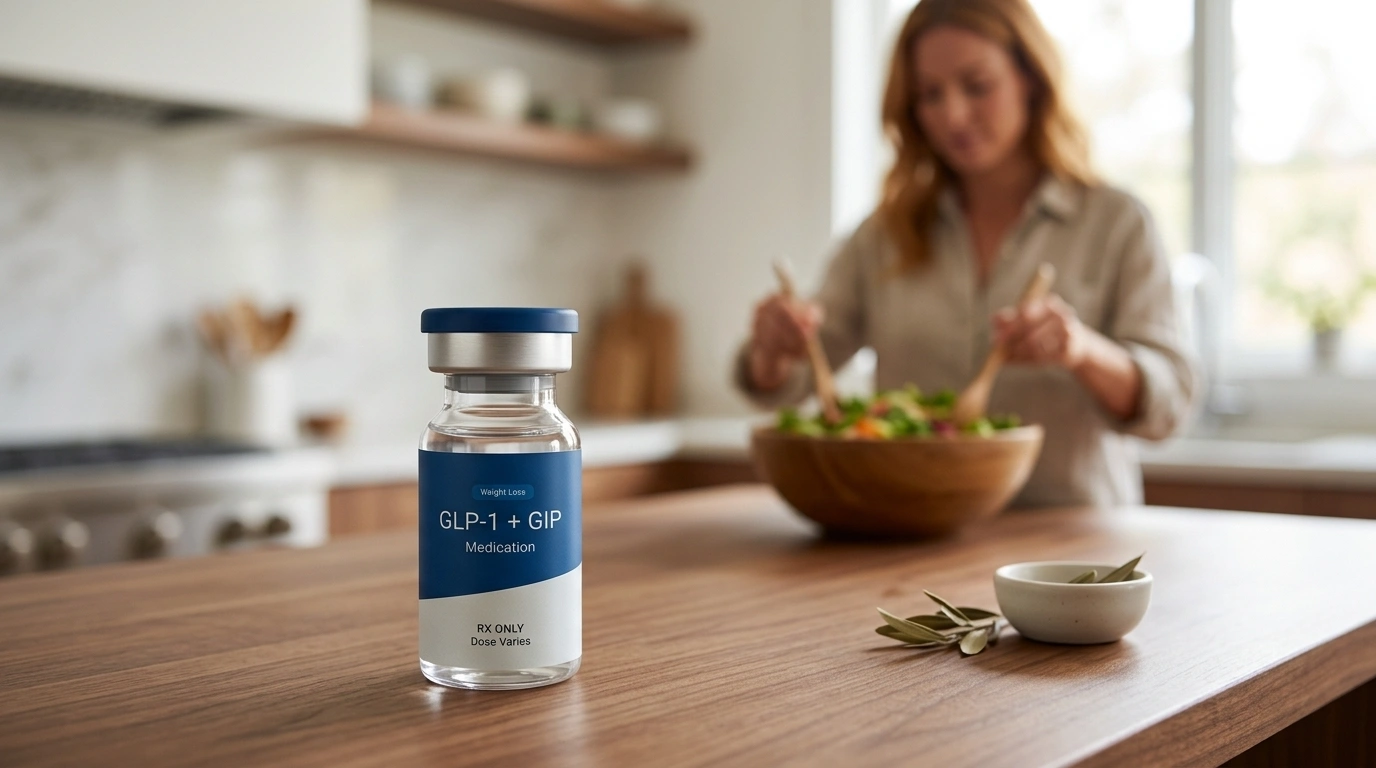
Mounjaro® belongs to a class of medications known as dual GIP (glucose-dependent insulinotropic polypeptide) and GLP-1 (glucagon-like peptide-1) receptor agonists. These medications mimic natural hormones that tell your body to release insulin and slow down digestion. Because these hormone receptors are also found in the cells lining the small ducts of the pancreas, there has been long-standing scientific interest in whether stimulating them could lead to inflammation. For additional background, you can review this guide to how GLP-1 medications work for weight loss.
Understanding the Difference Between Branded and Compounded Options
When discussing weight loss medications, it is important to distinguish between branded products and compounded alternatives. Mounjaro® is a trademarked, branded medication produced by Eli Lilly and is FDA-approved for the treatment of type 2 diabetes, though it is frequently used off-label for weight management. Other similar branded medications include Zepbound® (specifically approved for weight loss), Ozempic®, and Wegovy®.
TrimRx is a telehealth platform that connects you with licensed healthcare providers. These providers may prescribe Compounded Tirzepatide or Compounded Semaglutide if they determine it is clinically appropriate for you. Compounded medications are prepared by FDA-registered, inspected compounding pharmacies. It is essential to note that while the individual ingredients are often used in FDA-approved products, the final compounded formulations themselves are not FDA-approved. This distinction is important for transparency as you evaluate your treatment options.
Clinical Evidence: What the Research Shows
To understand the actual risk, we must look at the data from large-scale clinical trials. In the SURPASS and SURMOUNT clinical trial programs, which involved thousands of participants, the incidence of acute pancreatitis was extremely low.
The Incidence Rate Data suggests that the rate of pancreatitis in patients taking tirzepatide was between 0.2% and 0.4%. This is very similar to the background rate seen in people taking a placebo (an inactive treatment). For most individuals without a prior history of pancreatic issues, the medication does not appear to significantly increase the baseline risk. You can also review this tirzepatide safety guide focused on gallbladder and digestive risks.
Enzyme Elevations It is very common for patients taking GLP-1 or GIP medications to show a mild increase in pancreatic enzymes, specifically amylase and lipase, during routine blood work. Research indicates these levels may rise by 20% to 30% after starting treatment. However, in the vast majority of cases, these elevations occur without any pain or symptoms and do not lead to actual pancreatitis.
Key Takeaway: In the general population, the risk of developing pancreatitis while on tirzepatide is considered rare, occurring in fewer than 1 in 250 patients during clinical trials.
Who Is at Higher Risk for Pancreatitis?
A history of pancreatitis is often viewed as a “relative contraindication.” This means that while it is not strictly forbidden for everyone, it requires a much higher level of clinical scrutiny. If you have had pancreatitis in the past, your provider will look at the specific circumstances of your case.
Acute vs. Chronic Pancreatitis
Acute pancreatitis is a sudden episode of inflammation that usually resolves. If your previous episode was a single event caused by a clear, resolved issue—such as gallstones that were subsequently addressed by removing the gallbladder—a provider may be more likely to consider you a candidate for treatment.
Chronic pancreatitis involves permanent damage and ongoing inflammation. For individuals with this diagnosis, medications that stimulate the pancreas are generally avoided because the risk of worsening an already compromised organ is deemed too high.
Common Risk Factors
Beyond your medication use, several other factors can increase the likelihood of developing pancreatic inflammation:
- Gallstones: This is the most common cause of acute pancreatitis.
- High Triglycerides: Levels above 500 mg/dL significantly increase the risk.
- Heavy Alcohol Consumption: Alcohol is a known pancreatic irritant.
- Family History: Genetic predispositions can make the pancreas more sensitive.
For more information about the connection between rapid weight loss and gallstones, read this guide to weight loss and gallstone prevention.
The Importance of the “Why” Behind Previous Episodes
When you consult with a provider through a platform like ours, they will want to know exactly what caused your previous bout of pancreatitis. This “why” is the most critical piece of the puzzle.
Myth: If you’ve had pancreatitis once, you can never take a GLP-1 medication. Fact: If the cause was a one-time event that has been fully resolved (like a gallbladder issue), some providers may prescribe the medication under close monitoring, though this is decided on a case-by-case basis.
If your pancreatitis was “idiopathic”—meaning the cause was never found—providers are usually much more cautious. Without knowing the trigger, it is difficult to predict how the pancreas will react to new metabolic stimuli.
Warning Signs and Symptoms to Watch For
Regardless of your medical history, it is vital to recognize the symptoms of pancreatitis. While mild nausea and stomach upset are common when starting a weight loss program, the symptoms of inflammation are distinct and severe. This overview of Wegovy and gallstone symptoms also explains why significant abdominal pain should not be ignored.
Hallmark Symptoms of Pancreatitis:
- Severe abdominal pain: This is usually a “boring” or sharp pain in the upper middle of the stomach.
- Radiating pain: The pain often feels like it is traveling straight through to your back.
- Persistent nausea and vomiting: Unlike the mild nausea common with GLP-1s, this vomiting is often frequent and does not subside.
- Tenderness: The abdomen feels very painful to the touch.
- Fever and rapid heart rate: These are signs that the body is dealing with active, systemic inflammation.
What to do if symptoms occur:
- Stop the medication immediately.
- Do not wait to see if the pain goes away.
- Seek urgent medical evaluation.
- Inform the medical team that you are taking a GLP-1 or GIP medication.
How TrimRx Prioritizes Your Safety
We believe that effective weight loss must be built on a foundation of clinical safety. We do not offer a “one-size-fits-all” program because your body and your history are unique.
Our process begins with a comprehensive health assessment. When you complete a free eligibility assessment, you provide the clinical data our partner providers need to make an informed decision. If you have a history of pancreatitis, this information is flagged for manual review. A licensed provider will evaluate your specific situation to determine if the benefits of a personalized weight loss program outweigh the potential risks.
Through our platform, you receive:
- Provider Oversight: Consultations with licensed professionals who understand GLP-1 contraindications.
- Individualized Dosing: Plans that may involve slower titration (increasing the dose more gradually) to monitor how your body responds.
- Ongoing Support: 24/7 access to specialized specialists to answer your questions and address concerns.
For additional information about the assessment and telehealth process, read this guide to accessing GLP-1 medications through telehealth.
Supporting Your Pancreas During Weight Loss
If you are cleared to begin a program, there are several steps you can take to support your pancreatic health and reduce the strain on your digestive system.
Step 1: Focus on Hydration Dehydration can thicken digestive juices and put unnecessary stress on the pancreas. Drink plenty of water throughout the day.
Step 2: Manage Your Lipid Levels Since high triglycerides are a major risk factor, eating a heart-healthy diet rich in whole foods and low in refined sugars is essential. Improving your metabolic health through weight loss often naturally lowers these risks.
Step 3: Limit Alcohol Intake To keep your pancreas in optimal condition, it is best to avoid or significantly limit alcohol while on a medical weight loss program.
Step 4: Use Nutrient Support If your appetite is significantly reduced, you may benefit from targeted supplements. We offer products like GLP-1 Daily Support and Weight Loss Boost to help fill nutritional gaps and support overall metabolic function.
Bottom line: Protecting your pancreas is about more than just the medication you take; it involves a holistic approach to hydration, nutrition, and lifestyle choices.
The Role of Telehealth in Personalized Care
The traditional healthcare system often involves long waits for specialist appointments. Our telehealth-first model removes these barriers, allowing you to access clinical expertise from the comfort of your home. This is particularly beneficial for those with complex medical histories, as it allows for regular, easy communication with your support team.
We focus on transparency. We want you to understand not just what treatment you are receiving, but why it was chosen for you. If a provider determines that a GLP-1 or GIP medication is not safe due to your history of pancreatitis, they may suggest alternative strategies or medications that do not carry the same risks. You can explore this telehealth guide for personalized GLP-1 care before deciding how you want to proceed.
Weighing the Risks of Obesity vs. Medication
It is also important to consider the risks of not treating significant weight issues. Obesity is a major risk factor for gallbladder disease and high triglycerides—both of which are primary causes of pancreatitis.
For many individuals, the weight loss achieved through a medically supervised program can significantly improve their metabolic profile. By losing weight, you may lower your triglycerides and reduce the burden on your gallbladder, which could actually lower your long-term risk of a future pancreatitis episode. This is the “risk-benefit” calculation that your healthcare provider will perform during your consultation.
Conclusion
Can you take Mounjaro® if you have had pancreatitis? The answer is not a simple yes or no, but a “proceed with caution.” While the risk is statistically low, your personal history dictates the level of safety needed. At TrimRx, our mission is to help you embrace a healthier lifestyle through a personalized, science-backed approach. We merge modern technology with clinical empathy to ensure you aren’t just losing weight, but doing so in a way that respects your body’s unique history. If you are ready to take the next step, take the free assessment quiz to help determine the safest and most effective path forward for you.
FAQ
Is the risk of pancreatitis higher with Mounjaro than other weight loss drugs?
Current clinical data suggests that the risk of pancreatitis is similar across most GLP-1 and dual GIP/GLP-1 medications, typically remaining under 1%. Some real-world observations suggest that dual-acting medications like tirzepatide may have a slightly different profile, but the same clinical precautions regarding a history of pancreatitis apply to all drugs in this class.
Can rapid weight loss itself cause pancreatitis?
Rapid weight loss can sometimes lead to the formation of gallstones or “biliary sludge.” If a gallstone becomes lodged in the common bile duct, it can trigger acute pancreatitis. This is why providers often recommend a steady, controlled weight loss pace and emphasize proper hydration to support gallbladder health during your program. This article about gallstones during weight loss provides additional context.
Should I have my lipase levels tested before starting?
A healthcare provider may request baseline lab work, including lipase or amylase levels, if you have a history of pancreatic issues. This provides a “starting point” for your enzymes, allowing the provider to monitor any changes more accurately as you progress through your treatment.
Does taking a GLP-1 supplement help protect the pancreas?
While supplements like GLP-1 Daily Support are designed to provide nutritional foundations and help manage common side effects like digestive upset, they are not a medical treatment for pancreatitis. They are intended to support your overall wellness journey and ensure you are receiving essential vitamins while your appetite is suppressed.
Disclaimer: This content is for informational purposes only and does not constitute medical advice. It is not intended to diagnose, treat, cure, or prevent any disease or condition. Individual results may vary. Always consult a qualified healthcare professional before starting any weight loss program or medication.

Transforming Lives, One Step at a Time
Keep reading

Mounjaro Alternatives: What Else to Consider
If Mounjaro isn’t the right fit, the closest alternatives are other GLP-1 medications, chiefly semaglutide (Ozempic for diabetes, Wegovy for weight), along with a…
Mounjaro vs Zepbound: Same Drug, Two Brands
Like their semaglutide counterparts, Mounjaro and Zepbound are the same medication (tirzepatide) sold under two names for two purposes: Mounjaro is approved for type…
Retatrutide vs Mounjaro: Triple Agonist vs Dual Agonist
The core difference between retatrutide and Mounjaro comes down to how many hormone targets each hits: retatrutide activates three receptors, while Mounjaro (tirzepatide) activates…


