What Happens if You Take a Break From Mounjaro?
Introduction
Life is rarely a straight line, and the same is often true for a weight loss journey. Whether you are facing an unexpected illness, planning a long-awaited vacation, or dealing with a temporary pharmacy shortage, you may find yourself wondering what happens if you take a break from Mounjaro. It is a common concern that can cause a fair amount of anxiety. You might worry about losing your hard-earned progress or experiencing a sudden return of “food noise.”
At TrimRx, we believe that understanding the science behind your medication is the best way to stay in control of your health. This post explores how your body reacts when you pause tirzepatide—the active ingredient in Mounjaro®—and how to navigate a restart safely. We will look at the metabolic changes, the risk of weight regain, and the specific clinical guidelines for resuming treatment. Our goal is to provide you with a clear roadmap so that a temporary break does not become a permanent setback.
The Half-Life of Tirzepatide
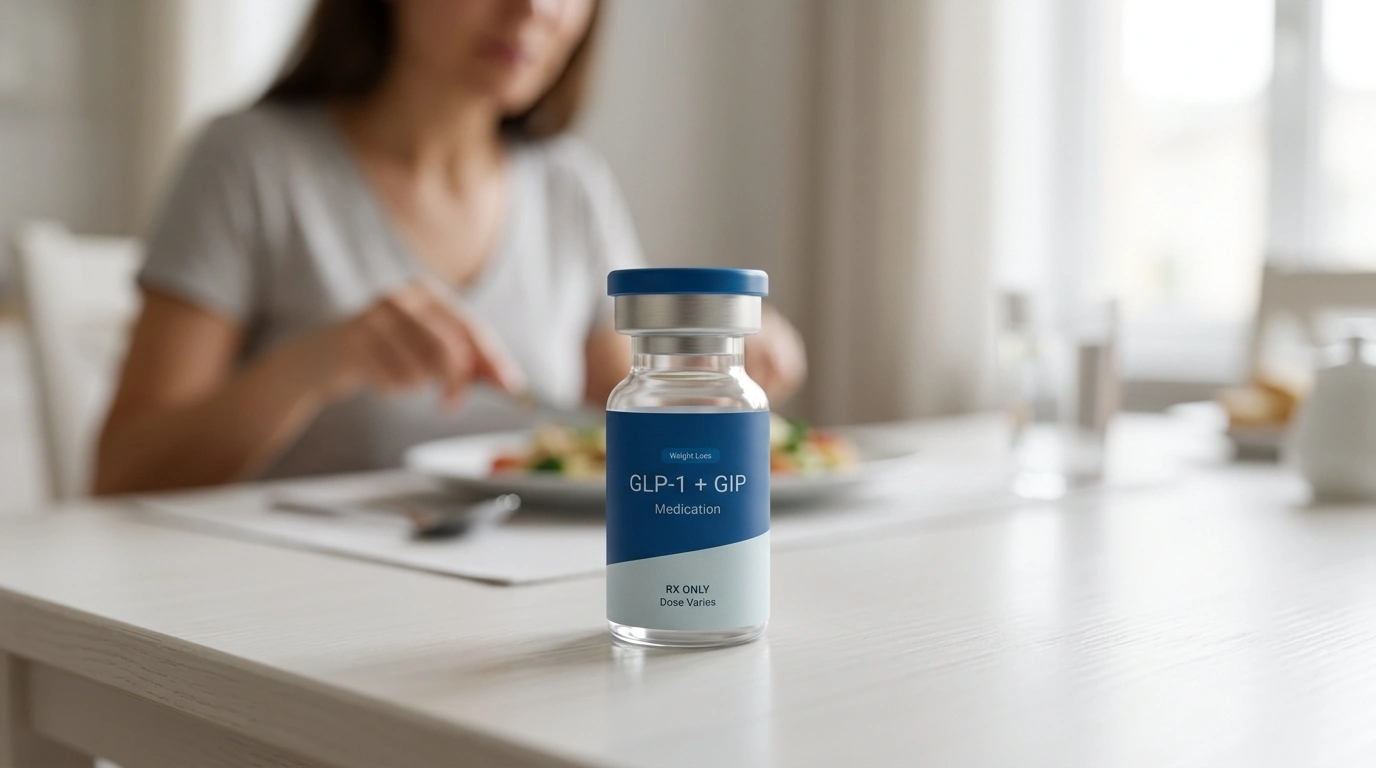
To understand what happens during a break, you first need to understand how the medication stays in your system. Tirzepatide is a long-acting medication. It works as a dual agonist, meaning it mimics two different hormones in your body: glucagon-like peptide-1 (GLP-1) and glucose-dependent insulinotropic polypeptide (GIP). These hormones work together to regulate blood sugar, slow down digestion, and signal to your brain that you are full.
The “half-life” of a medication is the amount of time it takes for the concentration of the drug in your blood to be reduced by exactly one half. For tirzepatide, the half-life is approximately five days. This is why the medication is injected once a week. Because it lingers in your system, missing a single day usually does not result in an immediate change in how you feel.
However, once you pass the seven-day mark, the levels of the medication in your bloodstream begin to drop significantly. By the time two weeks have passed, the concentration of the drug is low enough that its primary effects—such as delayed gastric emptying and appetite suppression—begin to fade. Most clinical data suggests that it takes about 25 to 30 days for tirzepatide to be completely cleared from your system.
For additional context, read this guide to how long you can take a break from Mounjaro.
The Immediate Effects of a Short Break
If you miss your dose by just a few days, the impact is generally minimal. Clinical guidelines for Mounjaro® suggest that if you are less than four days (96 hours) late, you should take the missed dose as soon as you remember. You can then continue with your regular weekly schedule.
If more than four days have passed, the recommendation changes. In this case, you should skip the missed dose entirely and wait for your next regularly scheduled injection day. This helps prevent “stacking” the medication, which can lead to intense side effects.
If you are considering a prescription-based restart or a personalized weight loss program, complete the free eligibility assessment.
What You Might Feel in the First 14 Days
During the first two weeks of a break, the most common experience is the gradual return of appetite. Many people describe this as the return of “food noise”—the persistent, intrusive thoughts about food and eating that the medication typically silences.
- Increased Hunger: As the GIP and GLP-1 levels drop, your stomach begins to empty at a more normal rate. This means you will feel physically hungry sooner after a meal.
- Reduced Satiety: You may find that it takes a larger portion of food to reach the feeling of fullness you became accustomed to while on the medication.
- Fluctuating Energy: Some individuals report a slight dip in energy levels as their body adjusts to the changing metabolic signals.
Key Takeaway: A short break of less than 14 days usually does not lead to significant weight regain, but it does allow hunger signals to return. Consistent habits are your best defense during these gaps.
For more on the mental side of appetite changes, read why food noise can return during a GLP-1 break.
The Impact of a Longer Break (2 to 4 Weeks)
When a break extends beyond two weeks, the biological changes become more pronounced. At this stage, the medication is no longer providing significant metabolic support. For those using the medication to manage type 2 diabetes, this is the point where blood glucose levels may begin to rise.
The Restart Rule
The most critical safety concern involves how you restart the medication after a break of more than two weeks. If you have been off the medication for 14 days or longer, you must consult your healthcare provider before taking your next dose.
Taking a high maintenance dose—such as 10 mg or 15 mg—after a month-long break can be dangerous. Because your body has lost its tolerance to the medication, a high dose can cause severe gastrointestinal distress, including intense nausea, persistent vomiting, and dehydration.
Recommended Restart Actions:
- Consult Your Provider: Always seek medical guidance before resuming after a 14-day gap.
- Dosage Adjustment: Your provider may recommend “stepping down” to a lower dose or even restarting at the initial 2.5 mg titration dose.
- Hydration Focus: Increase your water intake significantly during the 48 hours after restarting to help mitigate side effects.
- Slow Re-introduction: Do not rush back to your previous dose; allow your body four weeks at the lower dose to re-adjust.
A provider can help determine the safest next step based on your treatment history, so start with a personalized assessment.
Weight Regain and the Rebound Effect
One of the most researched aspects of GLP-1 and GIP medications is what happens to weight when treatment stops. Research, such as the SURMOUNT-4 clinical trial, has shown that obesity is a chronic condition that often requires long-term management.
In these studies, participants who reached their weight loss goals and then switched to a placebo regained a significant portion of their lost weight over the following year. Specifically, participants regained roughly two-thirds of the weight they had lost. This happens because the medication does not “fix” the underlying metabolic pathways permanently; it manages them while the drug is present.
For a broader look at this transition, read how to stop GLP-1 medications without regaining weight.
Why Does Regain Happen?
When you stop taking the medication, your body’s natural weight-regulation systems—which have been “suppressed” by the drug—may overcompensate.
- Metabolic Adaptation: Your body often tries to defend its highest previous weight. When the drug is removed, your metabolism may slow down slightly, and hunger hormones like ghrelin may increase.
- Loss of Gastric Delay: Food moves through the digestive tract faster, leading to a higher caloric intake if portion control is not strictly maintained through behavioral changes.
- Insulin Sensitivity: The improvements in how your body processes sugar begin to revert, which can lead to increased fat storage if diet is not carefully managed.
Biological and Metabolic Changes
Taking a break from Mounjaro® is not just about appetite; it involves complex internal shifts. Tirzepatide influences how your liver produces glucose and how your muscles use it.
Blood Sugar and Insulin
For individuals with insulin resistance or type 2 diabetes, the break can cause a spike in HbA1c levels over time. Tirzepatide encourages the pancreas to release insulin only when blood sugar is high and reduces the amount of sugar the liver makes. Without this regulation, blood sugar levels can become less stable, leading to fatigue, increased thirst, and blurred vision.
Digestion and Gut Health
One of the primary ways the medication works is by slowing down the rate at which food leaves the stomach. This is called “gastric emptying.” During a break, your digestion speeds back up to its baseline rate. While this might sound positive for those who disliked the feeling of “fullness,” it can lead to a sudden increase in calorie consumption.
Nutrient Absorption
Some patients find that during a break, they actually feel better in the short term because they are able to eat a wider variety of foods or larger quantities of nutrient-dense meals. However, this is also a period where Weight Loss Boost supplement or similar nutrient support can be helpful to ensure that the transition back to a lower-calorie diet is smooth.
Psychological Impacts of a Treatment Gap
The emotional side of taking a break is often overlooked. For many, Mounjaro® provided the first time in their lives they felt “normal” around food. Losing that sensation can be frightening.
- Anxiety Over Regain: The fear of seeing the scale move upward can lead to stress, which in turn can trigger emotional eating.
- Guilt: Many individuals feel a sense of personal failure if they have to pause treatment, even if the reason is beyond their control.
- The “Reset” Mentality: It is helpful to view a restart not as a failure, but as a “recalibration.” Your body still has the metabolic “memory” of the weight loss, and restarting can quickly put you back on track.
Key Takeaway: Mental resilience is just as important as the medication itself. Remind yourself that a break is a temporary pause in a long-term health strategy, not the end of your journey.
Managing Side Effects When Resuming
If you have taken a break and are now restarting, you may experience side effects similar to when you first began the program. These are usually gastrointestinal and occur as your body re-adjusts to the dual-hormone signaling.
Common Restart Symptoms
- Nausea: Usually most intense 24–48 hours after the first injection back.
- Heartburn: As gastric emptying slows down again, acid reflux may increase.
- Diarrhea or Constipation: Changes in gut motility can lead to temporary irregularity.
- Fatigue: Your body is shifting its metabolic processes again, which requires energy.
Mitigation Strategies
To make the transition easier, focus on “bland” foods for the first few days after your restart. Avoid high-fat, fried, or overly sugary foods, as these are the most likely to trigger nausea when tirzepatide levels are rising in your system. Small, frequent meals are generally better tolerated than three large ones.
Many patients find that using a supplement like GLP-1 Daily Support during this transition can help manage minor digestive discomfort and provide the essential nutrients that might be lacking if your appetite drops sharply upon restarting.
For more information about building sustainable habits during treatment, read what happens when you reach your goal weight on tirzepatide.
Planning for a Break: What to Do
If you know a break is coming—such as for a scheduled surgery or a trip where you cannot bring your medication—preparation is key.
- Talk to Your Team: At TrimRx, we encourage our members to reach out to their specialized providers to create a “bridge plan.”
- Focus on Protein: Maintain a high-protein diet during the break. Protein is the most satiating macronutrient and can help you manage the return of hunger.
- Monitor Your Weight: Weigh yourself once a week, but do not obsess over daily fluctuations. A 1–3 pound gain during a break is often just water weight or increased glycogen storage.
- Stay Active: Use the break as an opportunity to focus on resistance training. Building or maintaining muscle mass is the best way to protect your metabolic rate while the medication levels are low.
Restarting with TrimRx
If your break was caused by cost, lack of support, or difficulty accessing branded medications like Mounjaro® or Zepbound®, there are other paths forward. We provide access to personalized programs that may include compounded tirzepatide.
Why Choose a Personalized Program?
Compounded tirzepatide is prepared by FDA-registered and inspected compounding pharmacies. This allows for a more flexible and often more consistent supply than what is currently available at traditional retail pharmacies. Our program includes doctor consultations and unlimited support, which is vital when you are navigating a restart.
Having a dedicated team means you don’t have to guess whether you should restart at 2.5 mg or 5 mg. You have 24/7 access to specialists who can look at your health history, the length of your break, and your previous side-effect profile to determine the safest next step.
Long-Term Maintenance Without Medication
Can you take a break and never go back? For some, the goal of using tirzepatide is to lose weight while simultaneously building “second nature” habits. This includes learning portion control, identifying emotional triggers for eating, and establishing a consistent exercise routine.
Research suggests that a small percentage of people can maintain their weight loss after stopping GLP-1 medications if they have implemented significant lifestyle changes. However, for many, the biological drivers of obesity mean that some form of long-term support—whether it is a lower “maintenance” dose or natural supplement support—is necessary to prevent regain.
The Role of Healthy Habits
- Sleep Hygiene: Lack of sleep increases ghrelin (the hunger hormone) and decreases leptin (the fullness hormone).
- Stress Management: High cortisol levels are directly linked to abdominal fat storage.
- Hydration: Often, the body confuses thirst signals with hunger signals.
For more practical guidance, read about building lasting habits after stopping GLP-1 medications.
Summary of the Stop-and-Restart Process
The most important thing to remember is that the length of your break determines your next move.
| Break Duration | Likely Outcome | Recommended Action |
|---|---|---|
| < 4 Days | Minimal impact on levels. | Take dose now; keep regular schedule. |
| 5–14 Days | Appetite returns; food noise starts. | Skip missed dose; wait for next scheduled day. |
| 15–30 Days | Medication mostly cleared; blood sugar may rise. | Consult provider; likely need to lower dose. |
| > 30 Days | Medication fully cleared; “reset” state. | Restart at 2.5 mg titration dose. |
Bottom line: While taking a break from Mounjaro® won’t undo months of progress in a single week, it does require a careful, medically supervised strategy to resume treatment without causing severe side effects.
Conclusion
Taking a break from Mounjaro® is sometimes unavoidable, but it does not have to be the end of your weight loss success. By understanding the five-day half-life of tirzepatide and the 30-day clearance window, you can better manage your expectations and your appetite. The return of “food noise” is a biological response, not a lack of willpower.
Our mission at TrimRx is to guide you through these transitions with empathy and clinical expertise. We provide a telehealth-first platform that ensures you are never alone in your journey, whether you are starting for the first time or restarting after a hiatus. We focus on a science-backed, personalized approach that prioritizes your long-term metabolic health over quick, unsustainable fixes.
If you are currently on a break and are unsure how to resume, or if you are looking for a more consistent and personalized weight loss program, the best next step is to speak with a professional. We are here to help you navigate the complexities of GLP-1 and GIP therapy with transparency and support.
Ready to get back on track or start your personalized journey? Take the free assessment quiz today to see which program is right for your health profile and goals.
FAQ
Can I just stop Mounjaro cold turkey?
Yes, it is generally safe to stop the medication “cold turkey” without dangerous withdrawal symptoms, as the drug naturally tapers out of your system over 30 days. However, you should expect your appetite to return quickly and should have a plan in place to manage your nutrition to prevent significant weight regain.
Will I regain all the weight if I take a month-long break?
You will not likely regain all your weight in a single month, but clinical studies show that weight regain begins as soon as the medication levels drop. To minimize regain during a break, focus on high-protein intake and consistent physical activity, and plan to restart your program as soon as possible. This guide to maintaining weight after stopping GLP-1 treatment provides additional context.
Why do I have to restart at 2.5 mg after a long break?
Restarting at the lowest dose is a safety measure to prevent severe gastrointestinal side effects like vomiting and dehydration. Because your body loses its tolerance to the medication during a break, jumping back into a high maintenance dose can overwhelm your system.
Can I switch to a different medication after a break?
Many people use a break as an opportunity to evaluate their treatment. If Mounjaro® was difficult to access or had side effects you couldn’t tolerate, you might discuss other options with a provider, such as compounded semaglutide or oral options, which can be explored through a personalized program.
Disclaimer: This content is for informational purposes only and does not constitute medical advice. It is not intended to diagnose, treat, cure, or prevent any disease or condition. Individual results may vary. Always consult a qualified healthcare professional before starting any weight loss program or medication.

Transforming Lives, One Step at a Time
Keep reading

Mounjaro Alternatives: What Else to Consider
If Mounjaro isn’t the right fit, the closest alternatives are other GLP-1 medications, chiefly semaglutide (Ozempic for diabetes, Wegovy for weight), along with a…

Mounjaro vs Zepbound: Same Drug, Two Brands
Like their semaglutide counterparts, Mounjaro and Zepbound are the same medication (tirzepatide) sold under two names for two purposes: Mounjaro is approved for type…

Retatrutide vs Mounjaro: Triple Agonist vs Dual Agonist
The core difference between retatrutide and Mounjaro comes down to how many hormone targets each hits: retatrutide activates three receptors, while Mounjaro (tirzepatide) activates…


