Exploring Wegovy and Type 1 Diabetes: What You Need to Know
Introduction
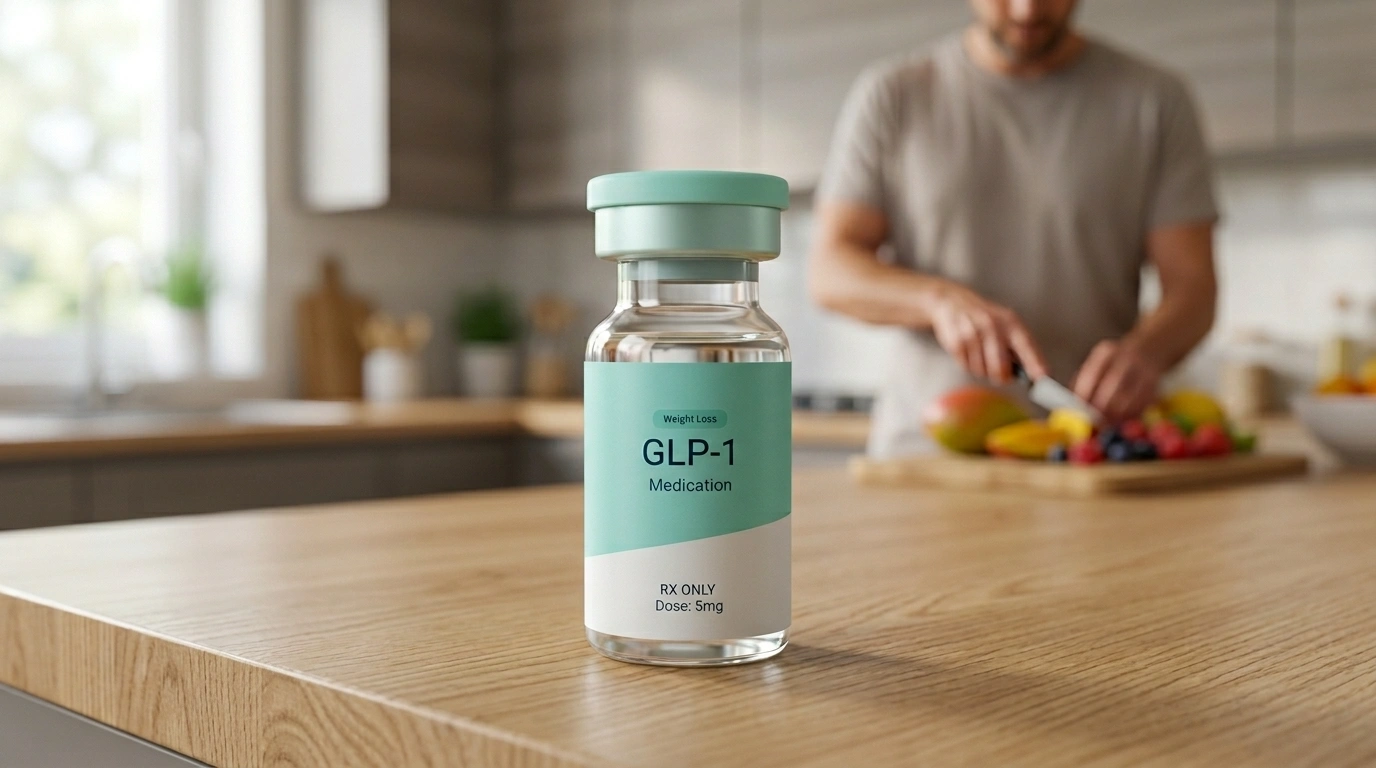
Managing Type 1 Diabetes (T1D) is a lifelong commitment, often involving careful insulin dosing, continuous glucose monitoring, and vigilant attention to diet and exercise. Yet, despite these efforts, many individuals with T1D face additional challenges, including persistent struggles with weight management, insulin resistance, and the constant threat of glycemic variability. For years, the treatment landscape for T1D has revolved almost exclusively around insulin. However, the emergence of a powerful class of medications known as GLP-1 receptor agonists, initially developed for Type 2 Diabetes and weight management, has sparked a pivotal question: can Type 1 diabetics take Wegovy, Ozempic, or similar GLP-1 medications?
This isn’t merely a theoretical inquiry; it represents a burgeoning area of clinical interest and a growing practice in the real world. While these medications are not currently FDA-approved for Type 1 Diabetes, recent studies and increasing off-label use are prompting a re-evaluation of their potential role. This comprehensive post delves into the complex interplay between GLP-1s and Type 1 Diabetes, aiming to shed light on the current research, clinical considerations, and the importance of highly personalized, medically supervised care.
We will explore the fundamental differences between Type 1 and Type 2 Diabetes, understand how GLP-1 medications work, and critically examine the existing FDA guidelines. More importantly, we’ll dive into the evolving scientific evidence, including recent groundbreaking clinical trials that offer promising insights into the benefits and risks of using these medications as an adjunctive therapy for T1D. Our discussion will cover potential advantages such as improved blood sugar control, reduced insulin needs, and significant weight loss, alongside crucial risks like hypoglycemia and diabetic ketoacidosis.
At TrimRx, our journey began with a shared vision to help individuals embrace healthier lifestyles by merging cutting-edge telehealth innovations with effective weight loss solutions. We believe that sustainable weight loss should be achieved through science, empathy, and a transparent approach. This commitment extends to providing comprehensive information and access to personalized care pathways. As we navigate this complex topic, we will emphasize the paramount importance of individualized medical consultation and oversight, aligning with our core values of providing empathetic, innovative, trustworthy, and supportive care. By the end of this article, you will have a clearer understanding of the nuanced discussion surrounding GLP-1s and Type 1 Diabetes, empowering you to have informed conversations with your healthcare provider about your unique health journey.
Understanding Type 1 Diabetes and the Evolving Landscape of Treatment
Type 1 Diabetes is an autoimmune condition where the body’s immune system mistakenly attacks and destroys the insulin-producing beta cells in the pancreas. This results in a near-total absence of insulin, a vital hormone responsible for regulating blood sugar by allowing glucose to enter cells for energy. Without insulin, glucose accumulates in the bloodstream, leading to hyperglycemia, which can have severe short-term and long-term health consequences.
Historically, the management of Type 1 Diabetes has centered entirely on exogenous insulin therapy, either through multiple daily injections or an insulin pump. This treatment is life-sustaining, yet it presents a unique set of challenges. Despite meticulous efforts, many individuals with T1D grapple with:
- Glycemic Variability: Significant fluctuations between high and low blood sugar levels, leading to increased risk of complications.
- Weight Management: Insulin, being an anabolic hormone, can contribute to weight gain. This, combined with lifestyle factors, means a substantial proportion of T1D patients are now overweight or obese, a trend that has steadily increased over the past two decades. This can further exacerbate insulin resistance, making blood sugar control even more difficult.
- Insulin Resistance: Even in T1D, cells can become less responsive to insulin, requiring higher doses, particularly in individuals with higher body mass.
- Increased Risk of Complications: Despite advancements in insulin delivery, individuals with T1D remain at higher risk for cardiovascular disease, kidney disease, and neuropathy.
These persistent challenges have driven a search for adjunctive therapies – medications that can be used in addition to insulin to improve overall diabetes management, address comorbidities, and enhance quality of life. For many years, such options were scarce, with only pramlintide (Symlin) being FDA-approved as an adjunctive therapy for T1D, though its use remains limited due to side effects and dosing complexity. The landscape, however, is now shifting with the growing interest in GLP-1 receptor agonists.
What Are GLP-1 Receptor Agonists Like Wegovy?
GLP-1 receptor agonists are a class of medications that mimic the action of glucagon-like peptide-1, a natural hormone produced in the gut in response to food intake. This hormone plays several crucial roles in glucose regulation and metabolism:
- Stimulates Insulin Secretion: When blood glucose levels are high, GLP-1 stimulates the pancreas to release more insulin. Importantly, this action is glucose-dependent, meaning it tends to reduce the risk of hypoglycemia when blood sugar levels are within a normal range.
- Suppresses Glucagon Secretion: Glucagon is a hormone that raises blood sugar by signaling the liver to release stored glucose. GLP-1 suppresses glucagon release, especially after meals, which helps to prevent excessive glucose production.
- Slows Gastric Emptying: By slowing how quickly food leaves the stomach, GLP-1s can help regulate post-meal blood sugar spikes and contribute to a feeling of fullness.
- Promotes Satiety and Reduces Appetite: GLP-1 acts on the brain to reduce appetite and food cravings, leading to decreased caloric intake and, consequently, weight loss.
These multifaceted actions make GLP-1 receptor agonists highly effective for their primary indications. Branded medications like Ozempic®, Mounjaro®, and Zepbound® are FDA-approved for the treatment of Type 2 Diabetes, improving glycemic control. Wegovy® and Zepbound® are also FDA-approved for chronic weight management in individuals with obesity or overweight with at least one weight-related comorbidity. Furthermore, some of these medications have demonstrated significant cardiovascular benefits, reducing the risk of major adverse cardiovascular events in people with Type 2 Diabetes.
At TrimRx, we understand the science behind these powerful medications. We offer access to a range of options, including compounded Semaglutide, Oral Semaglutide, Ozempic®, Compounded Tirzepatide, Oral Tirzepatide, Mounjaro®, Zepbound®, and Wegovy®. It’s essential to clarify that while branded medications like Ozempic®, Zepbound®, Mounjaro®, and Wegovy® are FDA-approved for their specific indications, compounded medications are not FDA-approved. However, we partner exclusively with FDA-registered and inspected pharmacies to ensure that all medications, including compounded options, meet rigorous quality and safety standards.
The Question: Can Type 1 Diabetics Take Wegovy? Navigating FDA Approvals and Off-Label Use
This brings us to the core of the discussion: can Type 1 diabetics take Wegovy or similar GLP-1 receptor agonists? The straightforward answer, based on current regulatory status, is that Wegovy and other GLP-1 medications are not FDA-approved for the treatment of Type 1 Diabetes.
The prescribing information for branded GLP-1s like Ozempic® and Mounjaro® explicitly states that they are not indicated for use in Type 1 Diabetes. This lack of approval stems primarily from the design of their initial clinical trials, which intentionally excluded individuals with T1D due to concerns about potential risks, particularly the heightened risk of dangerously low blood sugar (hypoglycemia) when combined with insulin, and the theoretical risk of diabetic ketoacidosis (DKA) if insulin doses were inappropriately reduced. Drug manufacturers were initially unwilling to take on the perceived liability of studying these medications in a population entirely dependent on insulin for survival.
Understanding Off-Label Prescribing
Despite the absence of FDA approval for T1D, the use of GLP-1 medications in this population has been steadily increasing. This falls under the practice of “off-label” prescribing. Off-label use means a physician prescribes an FDA-approved drug for a different purpose, at a different dose, or in a different patient population than what the FDA officially approved it for. This practice is entirely legal and common in medicine when a healthcare provider believes, based on available evidence and clinical judgment, that the potential benefits for a specific patient outweigh the risks.
A recent study published in Diabetes, Obesity, and Metabolism highlighted this growing trend, revealing an 800% increase in GLP-1 medication use among adults with T1D and obesity between 2008 and 2023. This significant rise reflects both the increasing rates of obesity among T1D patients and the proactive approach many clinicians are taking to address complex metabolic challenges beyond insulin therapy alone.
At TrimRx, we are committed to providing personalized, medically supervised care. We believe in empowering individuals with comprehensive information so they can make informed decisions in consultation with their healthcare providers. While we offer a range of clinically proven weight loss solutions, including prescription GLP-1 medications, access to these options for those with Type 1 Diabetes begins with a thorough medical evaluation by a licensed physician within our network. You can [take our free assessment quiz] to see if you qualify for a personalized treatment plan that may include prescription weight loss medications.
Emerging Research and Promising Insights
The landscape of Type 1 Diabetes treatment is continually evolving, driven by ongoing research into adjunctive therapies. While GLP-1 medications are not FDA-approved for T1D, recent studies offer promising insights into their potential benefits, particularly for specific patient populations.
Early Explorations: The University at Buffalo Study
An early, small-scale study from the University at Buffalo, published in the New England Journal of Medicine, provided some of the first remarkable findings regarding semaglutide in newly diagnosed Type 1 Diabetes patients. Researchers studied 10 individuals recently diagnosed with T1D. The results were compelling:
- Insulin Reduction: Within three months, all mealtime insulin doses were eliminated for all participants. Within six months, basal insulin was eliminated in 7 of the 10 patients, and this was maintained for the 12-month follow-up.
- Glycemic Control: Mean HbA1c levels significantly dropped from 11.7% at diagnosis to 5.9% at six months and 5.7% at 12 months, indicating excellent blood sugar control.
- Weight Loss: Nausea, vomiting, and appetite suppression were common side effects, leading to beneficial weight loss in many patients, which is often an advantage given the prevalence of overweight and obesity in T1D.
While these findings are undeniably exciting, the study’s small size and short duration mean that larger, longer-term trials are crucial to confirm these results and understand the broader applicability.
Observational Data and the Need for More Research
The Johns Hopkins University study, which reviewed the medical records of over 200,000 people with Type 1 Diabetes, observed a dramatic increase in GLP-1 use among T1D patients, especially those with obesity. This observational study highlighted the growing clinical practice but also underscored the urgent need for dedicated, large-scale randomized clinical trials to establish the safety and effectiveness of GLP-1s in this population. The study authors emphasized that while anecdotal reports suggest positive outcomes, robust data is essential to guide clinical practice.
Groundbreaking Clinical Trial Findings: The NEJM Evidence Study
A significant advancement in this area came with a randomized, double-blind study co-authored by Dr. Viral Shah of Indiana University School of Medicine and Dr. Andrew Ahmann of Oregon Health & Science University, published in NEJM Evidence. This trial involved 72 participants with Type 1 Diabetes who were already using automated insulin delivery systems (artificial pancreas). The results provided strong evidence for the potential benefits of semaglutide:
- Achieving Health Goals: 36% of participants taking semaglutide met a composite of three key health goals—improved blood glucose, reduced time in hypoglycemia, and at least 5% weight loss—compared to none in the placebo group.
- Weight Loss: Participants on semaglutide lost an average of about 18.5 pounds over six months.
- Improved Blood Sugar: Modest improvements in average blood sugar levels (A1C) and increased time in range were observed.
- Safety Profile: Crucially, these benefits were achieved without an increased risk of dangerous low blood sugar (hypoglycemia) or serious complications like diabetic ketoacidosis (DKA). This finding is particularly reassuring, as these risks have been a primary concern preventing earlier research and broader adoption.
This study marks the first randomized clinical trial to demonstrate that semaglutide may be effective in Type 1 Diabetes patients already utilizing automated insulin delivery. This research is a powerful indicator that, under appropriate conditions and medical supervision, GLP-1s could offer meaningful improvements for certain individuals with T1D.
At TrimRx, we are deeply committed to innovation and staying at the forefront of medical advancements. Our personalized weight loss programs, which include access to prescription GLP-1 medications like compounded Semaglutide, Ozempic®, Wegovy®, and others, reflect our dedication to science-backed solutions. We leverage the latest research to inform our approach, ensuring that our services are aligned with the most current understanding of safe and effective weight loss. If you’re interested in exploring how these advancements might apply to your unique health profile, we encourage you to [take our free assessment quiz] to determine your eligibility.
Potential Benefits for Type 1 Diabetics Considering Wegovy or Similar GLP-1s
For Type 1 Diabetics, particularly those grappling with weight challenges or insulin resistance, GLP-1 receptor agonists like Wegovy, Ozempic, or compounded semaglutide offer a spectrum of potential benefits when used as an adjunctive therapy to insulin. These advantages extend beyond mere blood sugar control, impacting overall metabolic health and quality of life.
Improved Glycemic Control and Reduced Variability
GLP-1s have been shown to help stabilize blood glucose levels. By stimulating glucose-dependent insulin secretion and suppressing glucagon, they can lead to:
- Lower HbA1c: Studies indicate a reduction in average blood sugar levels.
- Increased Time in Range (TIR): This refers to the percentage of time blood glucose stays within the target range, which is a critical marker of good diabetes management.
- Smoother Glucose Curves: Many individuals report less erratic blood sugar swings, which can be profoundly impactful for daily management and reduce the emotional burden of diabetes.
Reduced Insulin Requirements
One of the most significant potential benefits highlighted in research is the ability of GLP-1s to reduce the total daily insulin dose. This can include both mealtime (bolus) and background (basal) insulin. For many, this translates to:
- Fewer Injections or Pump Adjustments: Simplifying daily diabetes management.
- Reduced Insulin-Related Weight Gain: Less insulin may mean less of its anabolic effect, which can mitigate one of the common frustrations for T1D patients.
Effective Weight Management
Weight gain is a common concern for individuals with Type 1 Diabetes, often exacerbated by insulin therapy and efforts to prevent hypoglycemia. GLP-1s address this directly through their appetite-suppressing and gastric-emptying-slowing effects. For those who are overweight or obese, this can lead to:
- Significant Weight Loss: As demonstrated in clinical trials and real-world use, these medications can lead to substantial and sustained weight reduction.
- Improved Insulin Sensitivity: Losing weight can enhance the body’s sensitivity to insulin, meaning less insulin is needed to achieve desired glucose control.
- Reduced Comorbidities: Weight loss can improve other health markers, such as blood pressure and lipid profiles, further reducing cardiovascular risk.
Cardiovascular and Renal Protection
While primarily observed in Type 2 Diabetes trials, the cardiovascular and renal protective benefits of GLP-1s are well-documented. For Type 1 Diabetics, who are also at elevated risk for heart and kidney disease, these benefits could be critically important. GLP-1s have been shown to:
- Reduce the Risk of Major Cardiovascular Events: Such as heart attack and stroke.
- Slow the Progression of Kidney Disease: Offering a crucial layer of protection for kidney function.
Enhanced Satiety and Improved Relationship with Food
Beyond the physiological changes, many individuals report psychological benefits. The reduction in “food noise”—the constant internal chatter about food and hunger—and an increased feeling of fullness can dramatically improve one’s relationship with eating. This allows for a more intuitive and less emotionally driven approach to food, a profound change for those who have spent years meticulously counting carbohydrates and managing hunger signals.
At TrimRx, our empathetic approach acknowledges the multifaceted challenges of weight and chronic conditions. Our goal is to provide solutions that not only foster physical health but also contribute to a healthier mental and emotional relationship with one’s body and food. We offer a comprehensive service that includes doctor consultations, medication, lab work, unlimited support, and shipping, all designed to support your journey towards a healthier life. To begin exploring your personalized options, we invite you to [take our free assessment quiz].
Important Considerations and Risks
While the potential benefits of GLP-1 receptor agonists for certain Type 1 Diabetics are compelling, it is absolutely crucial to acknowledge and carefully manage the associated risks. The absence of FDA approval for T1D underscores the need for extreme caution and strict medical supervision.
The Primary Concern: Hypoglycemia
The most significant and immediate risk when combining GLP-1s with insulin in Type 1 Diabetes is hypoglycemia, or dangerously low blood sugar. GLP-1s themselves generally have a low risk of causing hypoglycemia because their insulin-stimulating effect is glucose-dependent. However, when insulin is already being injected, adding a GLP-1 can create a potent glucose-lowering effect. If insulin doses are not appropriately adjusted, blood sugar can drop too low, leading to:
- Mild Hypoglycemia: Symptoms like shakiness, sweating, confusion, rapid heartbeat.
- Severe Hypoglycemia: Requires assistance from others, can lead to seizures, unconsciousness, or even death if not promptly treated.
Careful monitoring of blood glucose levels and proactive reduction of insulin doses, particularly mealtime insulin, are essential when initiating GLP-1 therapy in T1D patients. This necessitates a highly individualized approach and constant communication with a healthcare provider.
Risk of Diabetic Ketoacidosis (DKA)
Diabetic Ketoacidosis is a life-threatening complication of diabetes characterized by high blood sugar, high levels of ketones (acids), and dehydration. It occurs when there isn’t enough insulin to allow glucose into cells, forcing the body to break down fat for energy, producing ketones as a byproduct. While more commonly associated with SGLT-2 inhibitors when used in T1D, there’s a theoretical risk of DKA if GLP-1s lead to an overly aggressive reduction in insulin doses, causing a state of profound insulin deficiency. It is imperative that insulin doses are never reduced below what is physiologically necessary to prevent ketosis.
Gastrointestinal Side Effects
GLP-1 medications are well-known for their gastrointestinal side effects, which can include:
- Nausea
- Vomiting
- Diarrhea
- Constipation
These side effects are often dose-dependent and tend to be more prevalent when starting the medication or increasing the dose. Some studies suggest that T1D patients who are not overweight might experience these side effects more intensely, potentially leading to discontinuation of the drug. Proper dosage titration and strategies for managing these side effects are crucial for patient adherence and comfort.
Lack of Long-Term Safety and Efficacy Data
While recent studies like the one published in NEJM Evidence are highly encouraging, the duration of these trials is still relatively short (e.g., six months to one year). This means that comprehensive, long-term data on the safety and efficacy of GLP-1s specifically in Type 1 Diabetes populations is still accumulating. The long-term impact on pancreatic beta cell function, cardiovascular outcomes, and other vital health markers in T1D remains an area requiring further extensive research.
Individual Variability and Contraindications
Not every individual with Type 1 Diabetes will be a suitable candidate for GLP-1 therapy. Factors such as a history of gastroparesis (delayed stomach emptying), a personal or family history of medullary thyroid carcinoma (MTC), or Multiple Endocrine Neoplasia syndrome type 2 (MEN 2) are contraindications for these medications. Furthermore, individual responses to GLP-1s can vary significantly. What works well for one person may not be effective or well-tolerated by another.
At TrimRx, our brand personality is deeply rooted in trust, safety, and personalization. We are transparent in our approach, highlighting that our commitment to patient well-being remains consistent. We ensure that all discussions about medication, including the potential risks and benefits, are thorough and conducted by licensed medical professionals. Our approach focuses on delivering compassionate care that respects every individual’s unique journey, always prioritizing safety by partnering exclusively with FDA-registered and inspected pharmacies for the shipping of any weight loss medications. We want to be clear that while TrimRx facilitates access to these medications and supports your journey, actual medical supervision and prescriptive decisions are made by our network of licensed healthcare providers.
The Critical Role of Medical Supervision and Personalized Care
Given the complex nature of Type 1 Diabetes and the nuanced considerations surrounding the off-label use of GLP-1 receptor agonists, expert medical supervision and a highly personalized approach are not just recommended, they are absolutely essential. This cannot be overstated. Self-medication or unsupervised use of these powerful medications by individuals with T1D carries significant and potentially life-threatening risks.
Why a Doctor is Essential
Integrating a GLP-1 medication into a T1D treatment regimen requires profound expertise in diabetes management. A qualified healthcare provider will:
- Assess Eligibility and Risk: Evaluate your complete medical history, current health status, and diabetes management profile to determine if you are a suitable candidate for GLP-1 therapy. This includes screening for contraindications and discussing the specific risks relative to your individual health.
- Careful Dosage Titration: This is paramount. The doctor will work with you to slowly introduce the GLP-1 medication and meticulously adjust your insulin doses (both basal and bolus) to minimize the risk of hypoglycemia and DKA. This often involves very gradual increases in the GLP-1 dose and corresponding reductions in insulin.
- Comprehensive Monitoring: Regular follow-ups, blood tests (including HbA1c, kidney function, and liver function), and continuous glucose monitor (CGM) data review are critical to track progress, identify potential side effects, and make ongoing adjustments to your treatment plan.
- Patient Education: Provide thorough education on recognizing and managing hypoglycemia, understanding side effects, and knowing when to seek immediate medical attention.
TrimRx’s Approach to Personalized, Medically Supervised Care
At TrimRx, our entire platform is designed around the principle of personalized, medically supervised care. We understand that effective weight loss, especially when managing a chronic condition like Type 1 Diabetes, requires more than just medication; it demands a comprehensive, individualized strategy.
Our journey began with a shared vision to help individuals embrace healthier lifestyles by merging cutting-edge telehealth innovations with effective weight loss solutions. Our platform is a user-friendly and supportive space where individuals receive personalized, medically supervised care—all designed to make sustainable weight loss attainable and tailored to the individual. We believe that sustainable weight loss should be achieved through science, empathy, and a transparent approach.
Here’s how our commitment to personalized care aligns with the critical need for supervision:
- Compassionate and Respectful Care: We offer compassionate care that respects every individual’s unique journey. We understand the complexities of managing Type 1 Diabetes and approach each patient with understanding and support.
- Advanced Medical Science with Modern Technology: Our programs combine advanced medical science with modern technology, allowing for convenient access to care from licensed healthcare professionals.
- Transparent Service: Our commitment to transparent service is unwavering. Our approach remains consistent, whether you are exploring initial options or making dosage adjustments within your personalized plan. We provide a comprehensive service that includes doctor consultations, medication, lab work where needed, unlimited support, and shipping, with no hidden fees.
- Safety First: We prioritize your safety by working exclusively with FDA-registered and inspected pharmacies for the shipping of weight loss medications. These pharmacies ensure the quality and integrity of the medications, whether they are branded options like Ozempic®, Zepbound®, Wegovy®, Mounjaro®, or compounded formulations of Semaglutide and Tirzepatide. It is important to remember that while our pharmacies are FDA-registered and inspected, compounded medications themselves are not FDA-approved. TrimRx partners with these pharmacies for the shipping of medications, and the actual medical supervision is provided by the consulting physicians within our network.
For individuals with Type 1 Diabetes who are exploring options like Wegovy or similar GLP-1 medications for weight management or improved glycemic control, the first step is always a thorough medical evaluation. We encourage you to [take our free assessment quiz] to see if you qualify for our prescription weight loss medications and to initiate a consultation with one of our affiliated medical professionals. This will allow for a comprehensive review of your health profile and a discussion about a treatment plan that is safe, effective, and tailored to your specific needs.
Supporting Your Wellness Journey with Quick-Access Supplements
While prescription medications like GLP-1 receptor agonists offer powerful tools for weight management and metabolic health, we understand that not everyone is a candidate for these therapies, or some individuals may seek additional support to complement their overall wellness journey. At TrimRx, we believe in providing a holistic approach to health, offering options that cater to diverse needs.
For those looking for immediate support and to enhance their well-being, we offer quick-access supplements that do not require a personalized assessment quiz. These supplements are designed to support your body’s natural processes and contribute to a healthier lifestyle:
- [GLP-1 Daily Support]: This supplement is formulated to provide daily support for your metabolic health. It can be a beneficial addition for individuals looking to maintain overall wellness, support healthy blood sugar metabolism, and potentially aid in managing appetite naturally. It’s a great option for those who want to actively support their body’s systems that influence weight and energy.
- [Weight Loss Boost]: Our Weight Loss Boost supplement is designed to complement a healthy diet and exercise regimen by providing targeted nutritional support. It can help enhance your body’s fat-burning capabilities, support energy levels, and contribute to overall weight management goals. For those seeking an immediate way to kickstart or enhance their weight loss efforts, this supplement offers convenient and effective support.
These quick-access supplements are available for immediate purchase, providing a convenient way to support your body while pursuing your health and wellness goals. They reflect our commitment to offering a range of solutions that empower you on your path to a healthier life. Whether you are exploring prescription options or seeking immediate wellness support, TrimRx is here to partner with you every step of the way.
Conclusion
The question “can Type 1 diabetics take Wegovy” unveils a dynamic and evolving area in diabetes management. While GLP-1 receptor agonists like Wegovy, Ozempic, Mounjaro, and Zepbound are not currently FDA-approved for Type 1 Diabetes, emerging research and growing clinical practice suggest their potential as valuable adjunctive therapies for specific T1D populations, particularly those struggling with obesity, insulin resistance, and challenges in glycemic control. Recent groundbreaking studies have demonstrated promising benefits, including significant weight loss, improved blood sugar stability, and reduced insulin requirements, all without an increased risk of severe hypoglycemia or DKA when carefully managed.
However, the journey is fraught with complexities and potential risks, most notably hypoglycemia and gastrointestinal side effects. The critical takeaway is clear: the use of GLP-1s in Type 1 Diabetes absolutely demands rigorous, personalized medical supervision. It requires a licensed healthcare professional to meticulously assess individual eligibility, carefully titrate dosages, and provide ongoing monitoring and support to ensure safety and optimize outcomes.
At TrimRx, our mission is to empower individuals to achieve sustainable weight loss and embrace healthier lifestyles through science, empathy, and transparency. Our platform is built on the foundation of personalized, medically supervised care, merging cutting-edge telehealth innovations with effective solutions. We offer access to a range of prescription weight loss medications, including various GLP-1 options, through our network of licensed providers and FDA-registered, inspected pharmacies. We are committed to transparency in our service, providing comprehensive care that includes doctor consultations, medication, lab work, unlimited support, and shipping, all with no hidden fees.
If you are a Type 1 Diabetic considering these options, or simply seeking effective weight loss solutions, we encourage you to embark on your journey with trusted medical guidance. Explore how a personalized plan could transform your health by taking our [free assessment quiz]. For immediate support in your wellness journey, consider our quick-access supplements like [GLP-1 Daily Support] and [Weight Loss Boost]. Together, we can navigate the path to a healthier, more vibrant you.
FAQ
Are GLP-1s like Wegovy FDA-approved for Type 1 Diabetes?
No, GLP-1 receptor agonists, including Wegovy, Ozempic®, Mounjaro®, and Zepbound®, are currently not FDA-approved for the treatment of Type 1 Diabetes. They are approved for Type 2 Diabetes and/or chronic weight management in specific populations. Their labels explicitly state they are not intended for use in Type 1 Diabetes. However, some healthcare providers may prescribe them off-label for certain Type 1 Diabetics under close medical supervision.
What are the main risks for T1D patients taking GLP-1s?
The primary risks for Type 1 Diabetes patients taking GLP-1s as an adjunctive therapy include hypoglycemia (dangerously low blood sugar) due to the combination with insulin, and a theoretical risk of diabetic ketoacidosis (DKA) if insulin doses are reduced too drastically. Gastrointestinal side effects like nausea, vomiting, diarrhea, and constipation are also common. These risks necessitate careful medical supervision and precise insulin dose adjustments.
How can TrimRx help me explore weight loss options, including if I have Type 1 Diabetes?
TrimRx offers personalized, medically supervised weight loss programs that provide access to prescription GLP-1 medications (such as compounded Semaglutide, Oral Semaglutide, Ozempic®, Compounded Tirzepatide, Oral Tirzepatide, Mounjaro®, Zepbound®, and Wegovy®) if deemed appropriate by a licensed medical professional. Our process begins with a [free assessment quiz] to determine your eligibility, followed by a consultation with a healthcare provider in our network who will evaluate your health, discuss potential benefits and risks, and create a tailored treatment plan. We emphasize safety, transparency, and comprehensive support throughout your journey.
Can I use GLP-1 Daily Support or Weight Loss Boost if I have Type 1 Diabetes?
Our quick-access supplements, [GLP-1 Daily Support] and [Weight Loss Boost], are designed to support overall wellness and weight management and do not require a personalized assessment quiz. While generally considered safe for broad use, it is always advisable for individuals with Type 1 Diabetes to consult with their healthcare provider before adding any new supplement to their regimen. This ensures the supplement is appropriate for your specific health needs and will not interact adversely with your diabetes medications or management plan.

Transforming Lives, One Step at a Time
Keep reading

Wegovy Alternatives: What Else Works for Weight Loss
If Wegovy isn’t working out, the strongest alternative is tirzepatide (Zepbound), which tends to produce more weight loss, followed by other GLP-1 options and…

VK2735 vs Wegovy: Investigational Contender vs Proven Semaglutide
VK2735 and Wegovy sit at different stages of development. VK2735, an investigational drug from Viking Therapeutics, comes in both injectable and oral forms and…

Mazdutide vs Wegovy: How the Two Compare
Mazdutide and Wegovy are both injectable weight-loss drugs, but they are worlds apart on availability. Mazdutide, a dual glucagon and GLP-1 agonist, is approved…


