Can You Take Mounjaro After Gallbladder Surgery? What to Know
Introduction
Undergoing a major procedure like a gallbladder removal, or cholecystectomy, often marks a turning point in your health journey. If you are now considering a medication like Mounjaro® to help manage your weight or metabolic health, you might feel a mix of excitement and hesitation. You may wonder if your digestive system can handle a powerful medication without a gallbladder to store bile. At TrimRx, we understand that navigating the intersection of surgical history and modern weight loss treatments can feel overwhelming.
This post covers the safety of using tirzepatide after surgery, how your digestion changes without a gallbladder, and practical tips for managing side effects. While many people successfully use these treatments post-surgery, the approach requires careful planning and medical guidance. We believe that with the right information and a personalized program, you can safely work toward your health goals. If you want to see whether a medically supervised plan fits your history, you can take our free assessment quiz and get started.
Can You Take Mounjaro After Gallbladder Surgery?
The short answer is yes, you can typically take Mounjaro® after gallbladder surgery. There is no medical rule that prevents individuals who have had their gallbladder removed from using tirzepatide. In fact, many people find that their weight loss journey becomes more manageable once the discomfort of gallbladder issues is behind them.
When you have your gallbladder removed, your liver continues to produce bile. Instead of being stored and released in a concentrated burst when you eat, bile now drips continuously into your small intestine. Because Mounjaro® is a medication that affects how your digestive system moves food, the main concern is not whether you can take it, but how your body will react to it. For a deeper look at how this medication affects appetite and digestion, see how GLP-1 actually works for weight loss.
Clinical research into GLP-1 (glucagon-like peptide-1) and GIP (glucose-dependent insulinotropic polypeptide) medications suggests that they are effective regardless of whether a patient has a gallbladder. Interestingly, one of the known risks of rapid weight loss or certain GLP-1 medications is the formation of gallstones. For those who have already had their gallbladder removed, this specific risk is no longer a concern.
Quick Answer: Yes, you can take Mounjaro® after gallbladder surgery. There is no contraindication for post-cholecystectomy patients, though you must be mindful of how the medication affects your fat digestion and gastrointestinal comfort.
How Digestion Changes After Gallbladder Removal
To understand how Mounjaro® interacts with your body post-surgery, it helps to understand what the gallbladder actually does. Its primary role is to store bile, a fluid produced by the liver that helps your body break down and absorb fats. When you eat a high-fat meal, the gallbladder squeezes that stored bile into the small intestine to handle the influx of fat.
After a cholecystectomy, the “storage tank” is gone. The liver still makes bile, but it flows directly into the small intestine at a steady, slow rate. This change means your body is less efficient at processing large amounts of fat at once. This can lead to symptoms often referred to as “post-cholecystectomy syndrome,” which may include:
- Frequent or loose stools
- Bloating and gas after eating
- Abdominal discomfort or cramping
- Yellowish or “greasy” stools
For most people, the body adapts to this new flow of bile within a few months. However, adding a medication like Mounjaro® into the mix can sometimes amplify these existing digestive sensitivities. That is one reason why understanding how to start a weight loss journey that actually lasts can make the process feel more manageable.
How Mounjaro Works and Its Effect on the Gut
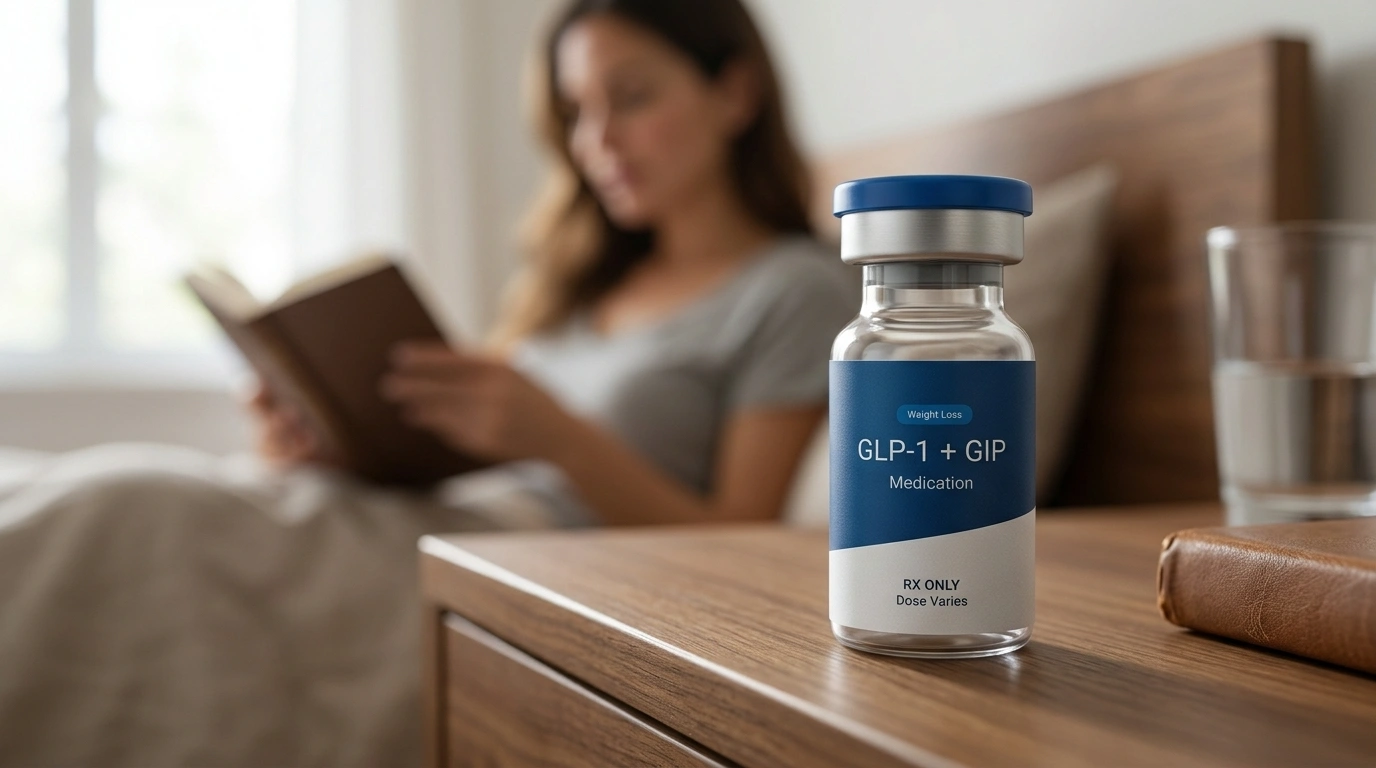
Mounjaro® contains tirzepatide, which is a dual agonist. This means it acts on two different hormone receptors in the body: GLP-1 and GIP. These hormones are naturally produced in your gut and tell your brain when you are full. They also play a major role in how your body manages insulin and blood sugar.
One of the secondary effects of tirzepatide is that it slows down gastric emptying. This means food stays in your stomach longer than usual. This is a key reason why the medication is so effective for weight loss; it helps you feel full for much longer after a small meal.
For someone without a gallbladder, this slowed digestion can be both a benefit and a challenge. On one hand, slower movement of food through the stomach may help the liver’s constant bile drip “keep up” with the digestion of small amounts of fat. On the other hand, if food sits too long or if the meal was too heavy, it can lead to increased nausea or reflux. If you want more context on timing, dose changes, and expected progress, tirzepatide 6 month weight loss results and timeline can help set realistic expectations.
Key Takeaway: Mounjaro® slows down how fast your stomach empties. For those without a gallbladder, this makes the timing and fat content of your meals more important than ever.
Managing Overlapping Side Effects
The most common side effects of Mounjaro®—nausea, diarrhea, and bloating—are very similar to the symptoms people experience after gallbladder removal. This can make it difficult to tell if a symptom is caused by the medication or by the surgery.
When you start a program through a platform like TrimRx, you are encouraged to report these symptoms so your provider can adjust your plan. Managing these overlapping effects usually involves a “start low and go slow” approach to dosing.
Gradual Dose Titration
Most providers will start you on the lowest possible dose of tirzepatide, typically 2.5 mg once a week. This allows your digestive system to adapt to the medication while your body is still adjusting to its post-surgical state. Jumping to a high dose too quickly can overwhelm a gut that is already struggling to process bile and fat.
Hydration and Electrolytes
Diarrhea is a common side effect for both post-surgery patients and Mounjaro® users. Persistent diarrhea can lead to dehydration and a loss of essential minerals. It is crucial to sip water throughout the day and consider an electrolyte supplement if you experience frequent loose stools.
Recognizing Warning Signs
While mild nausea and changes in bowel habits are common, you should be aware of more serious symptoms. Severe, persistent abdominal pain that radiates to your back can be a sign of pancreatitis. Even though you no longer have a gallbladder, the bile ducts can still experience issues. Always consult a healthcare professional if you experience intense pain, persistent vomiting, or a high fever.
Understanding Bile Acid Diarrhea (BAD)
In some cases, the diarrhea experienced after gallbladder surgery is not just a temporary adjustment. It may be a condition called Bile Acid Diarrhea (BAD). This happens when the bile acids that should be reabsorbed in the small intestine instead reach the large intestine in high amounts. These acids draw in water and irritate the colon, causing urgent, watery stools.
Because Mounjaro® also lists diarrhea as a side effect, BAD is often misdiagnosed or ignored in patients taking the medication. If your diarrhea is yellowish, happens frequently in the morning, or occurs urgently after a fatty meal, it may be worth discussing BAD with your doctor.
Note: If you suspect you have Bile Acid Diarrhea, your doctor may prescribe “bile acid sequestrants.” These are medications that bind to the bile in your gut. If you take these alongside Mounjaro®, be sure to ask your provider about the timing, as binders can sometimes interfere with the absorption of other oral medications.
Dietary Recommendations for Success
When taking Mounjaro® without a gallbladder, your diet becomes your most powerful tool for comfort. You do not have to avoid fat entirely—fat is essential for health—but you do need to be strategic about it.
Focus on Lean Proteins
Protein is the cornerstone of any sustainable weight loss journey. It helps preserve muscle mass while the medication helps you lose fat. Because protein does not require as much bile to digest as fat does, it is usually well-tolerated after surgery. Good choices include:
- Grilled chicken or turkey
- White fish like cod or tilapia
- Egg whites or tofu
- Low-fat Greek yogurt
Moderate Your Fat Intake
The goal is to avoid “fat loading.” Instead of having one large, high-fat meal, try to spread small amounts of healthy fats throughout the day. A thumb-sized portion of avocado or a few nuts is easier for your liver’s continuous bile flow to handle than a large, fried meal.
Prioritize Fiber
Fiber helps regulate your bowel movements and can “bulk up” stools if you are prone to diarrhea. However, start slowly with fiber, as too much at once can cause bloating when combined with the slowed digestion of Mounjaro®. Focus on cooked vegetables, which are often easier to digest than raw ones in the months following surgery.
Bottom line: Success on Mounjaro® after gallbladder removal depends on eating small, frequent, nutrient-dense meals that are low to moderate in fat.
The Role of Personalized Telehealth Programs
Every body is different, especially after surgery. A one-size-fits-all approach rarely works when you are managing metabolic health and surgical history simultaneously. This is where a personalized program becomes essential.
When you use a platform like ours, your health profile is reviewed by licensed providers who understand these nuances. They can help determine if Compounded Tirzepatide or a branded option is right for you based on your history. Because TrimRx provides access to 24/7 specialist support, you never have to guess whether a symptom is “normal” or if you need to adjust your diet.
The Assessment Process
The first step for anyone considering this path is a comprehensive health assessment. This quiz looks at your BMI, medical history (including your gallbladder surgery), and your weight loss goals. This information allows a provider to create a treatment plan that is medically supervised and tailored to your specific needs. If you’re ready to take that step, you can complete the free assessment quiz.
Optimizing Your Results
To get the most out of your treatment, it is important to view the medication as a tool rather than a magic fix. For those without a gallbladder, consistency is key. Taking your injection on the same day every week and maintaining a steady eating schedule helps keep your digestive system predictable.
If you find that you are struggling to get enough nutrients because your appetite is significantly reduced, you might consider daily support supplements. GLP-1 Daily Support supplement can help fill nutritional gaps and support gut health during the transition.
| Feature | Without Gallbladder | With Gallbladder |
|---|---|---|
| Bile Flow | Continuous drip from liver | Released in bursts |
| Fat Tolerance | Better with small portions | Can handle larger amounts |
| Gallstone Risk | None (removed) | Increased during rapid weight loss |
| Medication Choice | Same options available | Same options available |
| Dosing Strategy | Often requires slower titration | Standard titration usually okay |
The Importance of Medical Supervision
Taking Mounjaro® or any GLP-1 receptor agonist is a medical decision that should never be made in a vacuum. This is especially true if you have a history of gastrointestinal surgery. A licensed healthcare provider must evaluate your risk for rare but serious side effects, such as ileus (intestinal paralysis) or severe dehydration.
While telehealth makes access more convenient, it does not replace the need for clinical expertise. Our platform ensures that you are connected with professionals who can monitor your kidney function, blood sugar, and overall well-being throughout the program.
Important: If you have a history of pancreatitis or a personal/family history of medullary thyroid carcinoma, you must disclose this during your assessment, as these may be contraindications for GLP-1 and GIP medications.
Common Misconceptions
There are several myths surrounding weight loss injections and gallbladder surgery that can cause unnecessary worry.
Myth: “You can’t digest the medication without a gallbladder.” Fact: Mounjaro® is an injection, so it is absorbed into your bloodstream, not digested in your stomach like a pill. Your gallbladder has no impact on how the medication itself enters your system.
Myth: “Weight loss injections will cause a ‘backup’ of bile.” Fact: While the medication slows down the stomach, it does not stop the flow of bile from the liver. However, the timing of how bile meets food might change, which is why smaller meals are recommended.
Conclusion
Taking Mounjaro® after gallbladder surgery is not only possible but can be a highly effective way to reach your metabolic health goals. The key to success lies in understanding that your digestive system now operates a bit differently. By focusing on smaller, protein-rich meals and working with a provider to titrate your dose carefully, you can minimize discomfort and maximize results.
Our mission at TrimRx is to help you embrace a healthier lifestyle through science and empathy. We provide a transparent, personalized approach that removes the barriers of waiting rooms and hidden fees. Whether you are just starting your research or are ready to begin, we are here to support you with a program built around your unique health profile.
If you are ready to see if a medically supervised weight loss program is right for you, the next step is simple. You can take our free online assessment to get started on a path tailored to your history and your future.
FAQ
Does Mounjaro cause gallbladder problems?
In clinical trials, Mounjaro® and other GLP-1 medications have been associated with an increased risk of gallstones or gallbladder inflammation (cholecystitis). This is often linked to the rapid weight loss the medication causes, which can change the composition of bile. However, if you have already had your gallbladder removed, you are no longer at risk for these specific issues.
Will I have more diarrhea if I take Mounjaro without a gallbladder?
It is possible to experience more frequent loose stools because both the medication and the lack of a gallbladder can affect bowel habits. Many patients find that by reducing fat intake and starting at a very low dose, they can manage these symptoms effectively. If diarrhea becomes persistent or severe, you should consult your healthcare provider to rule out conditions like bile acid malabsorption.
What foods should I avoid on Mounjaro after surgery?
You should generally avoid high-fat, fried, or extremely greasy foods, as these are the most likely to cause digestive upset without a gallbladder. Additionally, since Mounjaro® slows stomach emptying, very heavy or large meals can lead to intense nausea. Focus on lean proteins, cooked vegetables, and small portions of healthy fats like olive oil or avocado. For more on staying consistent with treatment, see why some people are not losing weight with tirzepatide.
How soon after gallbladder surgery can I start Mounjaro?
You should wait until you are fully recovered from surgery and your surgeon has cleared you for normal activity and diet. Most providers recommend waiting at least a few weeks to ensure your digestive system has stabilized after the procedure. It is essential to discuss your surgical timeline with the licensed provider during your TrimRx assessment. If you are still exploring access options, can you buy GLP-1 online safely is a helpful place to continue your research.
Disclaimer: This content is for informational purposes only and does not constitute medical advice. It is not intended to diagnose, treat, cure, or prevent any disease or condition. Individual results may vary. Always consult a qualified healthcare professional before starting any weight loss program or medication.

Transforming Lives, One Step at a Time
Keep reading

Mounjaro Alternatives: What Else to Consider
If Mounjaro isn’t the right fit, the closest alternatives are other GLP-1 medications, chiefly semaglutide (Ozempic for diabetes, Wegovy for weight), along with a…

Mounjaro vs Zepbound: Same Drug, Two Brands
Like their semaglutide counterparts, Mounjaro and Zepbound are the same medication (tirzepatide) sold under two names for two purposes: Mounjaro is approved for type…

Retatrutide vs Mounjaro: Triple Agonist vs Dual Agonist
The core difference between retatrutide and Mounjaro comes down to how many hormone targets each hits: retatrutide activates three receptors, while Mounjaro (tirzepatide) activates…


