Should You Take a Mounjaro Pen Apart? Safety and Dosing
Introduction
Finding a way to make every drop of a prescription medication count is a common goal, especially when you are dedicated to a weight loss journey that feels like a significant investment in your future. If you have finished your weekly injection and noticed a small amount of liquid remaining in the glass reservoir, you might have wondered about the logistics of how to take a Mounjaro pen apart. While it is tempting to try and access every bit of the medication, these devices are precision-engineered medical tools designed for single use. At TrimRx, we believe that understanding the “why” behind your medication delivery is just as important as the treatment itself. This post will cover the risks of tampering with autoinjectors, why “leftover” medication exists, and how our platform supports a safer, more transparent approach to metabolic health. Tampering with medical devices can compromise your safety and the effectiveness of your treatment.
The Mechanism of the Mounjaro® Autoinjector
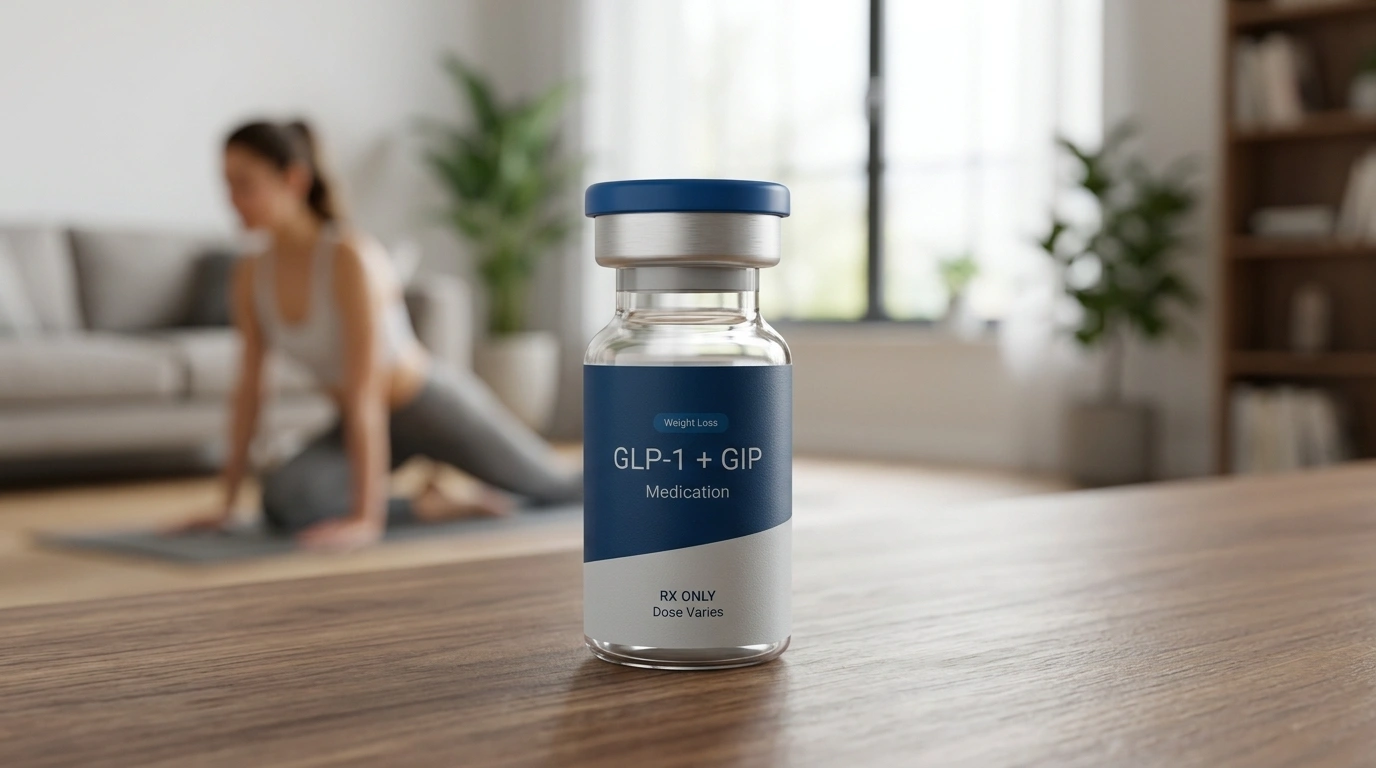
To understand why disassembling the device is problematic, it helps to know how it is built. Mounjaro® (tirzepatide) is a dual-acting medication. It works as a GLP-1 (glucagon-like peptide-1) and GIP (glucose-dependent insulinotropic polypeptide) receptor agonist. These are hormones that occur naturally in the body to regulate blood sugar and appetite. Because the medication is a protein-based peptide, it must be injected into the subcutaneous fat—the layer of fat just under the skin—to be absorbed properly by the body. For broader information about tirzepatide and how people access treatment, review this guide to getting tirzepatide for weight loss.
The pen is a sophisticated autoinjector. It is designed to hide the needle so that the user never has to see it, which is a major benefit for those with a fear of needles. Inside the plastic housing is a spring-loaded mechanism, a glass syringe containing the medicine, and a needle. When you unlock the pen and press the button, the spring releases, pushing the needle into the skin and then deploying the plunger to deliver the exact dose.
Quick Answer: You should not take a Mounjaro pen apart. The device is a single-use, spring-loaded autoinjector that can shatter or malfunction if tampered with, leading to injury, loss of sterility, or incorrect dosing.
Why People Search for How to Take a Mounjaro Pen Apart
The primary reason individuals look for ways to open these pens is the “extra” medication often visible in the glass tube after the injection is complete. In the community of people using GLP-1 medications, this is sometimes referred to as the “fifth dose” or “bonus dose.” For additional context, read about what leftover liquid in a Mounjaro pen may mean.
When you see a small bubble or a few drops of liquid remaining in the pen after the plunger has finished its cycle, it can feel like a waste. This is especially true if you are facing insurance hurdles or supply shortages. The desire to access this remaining liquid usually comes from a place of wanting to ensure no medicine is lost. However, manufacturers include a “dead volume” or an overfill amount intentionally. This ensures that the mechanical plunger can deliver the full, labeled dose without being restricted by the vacuum or friction at the very end of the glass tube.
The Physical Risks of Disassembly
Attempting to force open the plastic casing of an autoinjector is physically dangerous. These pens are not held together by screws; they are ultrasonically welded or snapped together with industrial-strength plastic tabs.
High-Tension Springs
The most immediate danger is the internal spring. The spring inside a Mounjaro® pen is under significant tension. If you crack the plastic housing or pry it open with a tool, the spring can release suddenly. This can cause the internal components, including the glass syringe and the needle, to fly out at high speed. This poses a risk of eye injuries, lacerations, or accidental needle sticks.
Glass Breakage
The medication is stored in a thin glass vial inside the plastic sleeve. This glass is not designed to be handled outside of its protective housing. If you use pliers, screwdrivers, or force to open the pen, you are very likely to shatter the glass. Not only does this ruin the medication, but it also creates a hazard of fine glass shards that can cause injury.
Needle Hazards
The needle in an autoinjector is extremely fine. Once the device has been used, the needle is often retracted or shielded. By taking the pen apart, you expose a used needle. Even if you are the only person using the device, accidental needle sticks can cause localized trauma or infection if the environment is not sterile. Review these GLP-1 injection safety and preparation steps before handling any injection device.
Key Takeaway: The “extra” liquid in a Mounjaro pen is an intentional overfill to ensure the accuracy of your prescribed dose. Attempting to access it by breaking the pen risks physical injury and medication contamination.
The Impact on Medication Sterility and Efficacy
Beyond the physical dangers, taking the pen apart compromises the integrity of the medicine itself. GLP-1 and GIP medications are highly sensitive to their environment.
Loss of Sterility
The inside of the autoinjector is a controlled environment. Once you break the seal of the housing and attempt to extract liquid from the internal syringe, you expose the medication to the air, dust, and bacteria in your home. Subcutaneous injections must be sterile to prevent abscesses or skin infections.
Inaccurate Dosing
If you manage to extract the “leftover” liquid, there is no way to measure if you are getting a therapeutic dose. The overfill is not a measured dose; it is a mechanical necessity. Taking a partial, unmeasured dose can lead to fluctuating hormone levels in your body, which may increase side effects like nausea or stall your progress.
Temperature Sensitivity
These medications are proteins that must be kept within specific temperature ranges. The process of prying open a pen often involves significant handling, which can warm the medication and potentially cause it to break down, making it less effective. For more information, read how to store tirzepatide and semaglutide at home.
Troubleshooting a Jammed Mounjaro Pen
Sometimes, the interest in taking a pen apart isn’t about getting extra medicine, but rather because the pen seems broken or jammed. If your pen does not fire, do not attempt to perform “surgery” on it. This Mounjaro pen malfunction guide covers related device concerns.
Instead, follow these troubleshooting steps:
- Check the Lock: Ensure the top ring is turned to the “unlock” position.
- Check the Cap: Ensure the base cap was removed before you attempted to press the button.
- Surface Pressure: The pen requires a flat, firm surface of skin to fire correctly. If the skin is too soft or the angle is skewed, the safety mechanism may prevent it from firing.
- Contact the Manufacturer: If the pen is truly defective, the manufacturer (Eli Lilly) typically has a process for reporting faulty devices and may provide a replacement.
Note: If your medication appears cloudy, discoloured, or contains visible particles, do not use it and do not take the pen apart. Consult a healthcare provider or pharmacist for guidance on disposing of a compromised pen.
Alternatives to Autoinjector Pens
For some people, the lack of control over the “leftover” liquid in an autoinjector is a major frustration. This is one reason why many individuals are turning to telehealth platforms like ours for alternative options.
While we do not ship branded medications, we connect patients with licensed providers who can prescribe compounded versions of these medications when appropriate. Compounded Semaglutide or Compounded Tirzepatide is often provided in a traditional multi-dose vial. To understand the broader process, explore how tirzepatide treatment may be accessed.
The Benefits of the Vial and Syringe Method:
- Precision: You use a graduated syringe to draw up the exact dose prescribed by your doctor.
- Transparency: You can see exactly how much medication is left in the vial.
- No Mechanical Failure: There are no springs or plastic triggers to jam or fail.
- Reduced Waste: Because you are drawing the medication yourself, there is typically less “hidden” waste compared to an autoinjector.
It is important to remember that compounded medications are not FDA-approved. However, we ensure that all compounded medications are prepared in FDA-registered, inspected compounding pharmacies to maintain high standards of quality and safety.
How to Handle Your Medication Safely
If you are currently using a Mounjaro® pen, the best way to ensure success is to follow the prescribed instructions exactly. You can also review this step-by-step tirzepatide injection guide.
- Rotate Sites: Inject into the stomach (at least two inches from the navel), the thigh, or the back of the upper arm. Rotating sites helps prevent the buildup of scar tissue or “lumps” under the skin (lipohypertrophy).
- Storage: Keep unused pens in the refrigerator. Once a pen is at room temperature, it typically must be used within 21 days. Never freeze the medication.
- Disposal: Always place your used pen—undisassembled—into a sharps container. If you do not have a red biohazard container, a heavy-duty plastic container (like a laundry detergent bottle) with a tight lid is often an acceptable alternative in many US states.
Personalised Support Through TrimRx
Weight loss is more than just a weekly injection; it is a comprehensive shift in metabolic health. At TrimRx, we provide a telehealth platform that removes the barriers to high-quality care. Our mission is to provide a transparent, empathetic environment where you feel supported at every step.
By choosing our platform, you gain access to a dedicated team of specialists and a personalised program designed around your unique health profile. Whether you are curious about the differences between branded pens and compounded vials, or you need guidance on managing the transition to GLP-1 therapy, we are here to help. If you are considering prescription treatment, you can complete a free eligibility assessment.
Conclusion
The urge to take a Mounjaro pen apart often stems from a desire to be efficient with a valuable medication. However, the risks of physical injury, medication contamination, and inaccurate dosing far outweigh any potential benefit from a few extra drops of liquid. These devices are engineered for safety and precision, and tampering with them breaks that safety net.
If you find the autoinjector format frustrating or if you are looking for a more personalized approach to your weight loss journey, consider a platform that prioritizes your education and safety. We invite you to take the free assessment quiz to see which program is right for your goals. Our focus is on sustainable, science-backed results that help you embrace a healthier lifestyle with confidence.
FAQ
Can I use a syringe to get the remaining medicine out of a Mounjaro pen?
It is strongly discouraged. Attempting to stick a needle into the internal components of an autoinjector can cause the glass to shatter or lead to the injection of plastic fragments or non-sterile air. The tiny amount of leftover liquid is intentional overfill and is not meant for therapeutic use.
What should I do if my Mounjaro pen doesn’t fire?
If your pen is unlocked and the cap is off but it still won’t fire, do not try to break it open. Contact the pharmacy that dispensed it or the manufacturer’s customer support line. They can walk you through potential mechanical issues or provide instructions on how to get a replacement for a defective device. You can also review this guide to troubleshooting Mounjaro pen malfunctions.
Is the “5th dose” in a Mounjaro pen safe to take?
No. There is no verified “5th dose” in a single-use autoinjector. Any liquid remaining is considered “dead volume” used to ensure the accuracy of the first four doses in multi-dose pens (available in some regions) or the single dose in US autoinjectors. Attempting to use it can result in an improper, sub-therapeutic dose. If you are evaluating prescription options, you can find out if GLP-1 medications may be right for you.
Why does my Mounjaro pen have extra liquid left in it anyway?
Manufacturing processes for all injectable medications require a small amount of “overfill.” This ensures that when the mechanical plunger reaches its stopping point, the user has received the full amount of medication listed on the label. Without this extra buffer, friction and air bubbles might result in an under-dose. For additional injection guidance, read how to inject GLP-1 medication safely.
Disclaimer: This content is for informational purposes only and does not constitute medical advice. It is not intended to diagnose, treat, cure, or prevent any disease or condition. Individual results may vary. Always consult a qualified healthcare professional before starting any weight loss program or medication.

Transforming Lives, One Step at a Time
Keep reading

Mounjaro Alternatives: What Else to Consider
If Mounjaro isn’t the right fit, the closest alternatives are other GLP-1 medications, chiefly semaglutide (Ozempic for diabetes, Wegovy for weight), along with a…

Mounjaro vs Zepbound: Same Drug, Two Brands
Like their semaglutide counterparts, Mounjaro and Zepbound are the same medication (tirzepatide) sold under two names for two purposes: Mounjaro is approved for type…

Retatrutide vs Mounjaro: Triple Agonist vs Dual Agonist
The core difference between retatrutide and Mounjaro comes down to how many hormone targets each hits: retatrutide activates three receptors, while Mounjaro (tirzepatide) activates…


