Can You Take Half of a Mounjaro Shot? Safety and Dosing Guide
Introduction
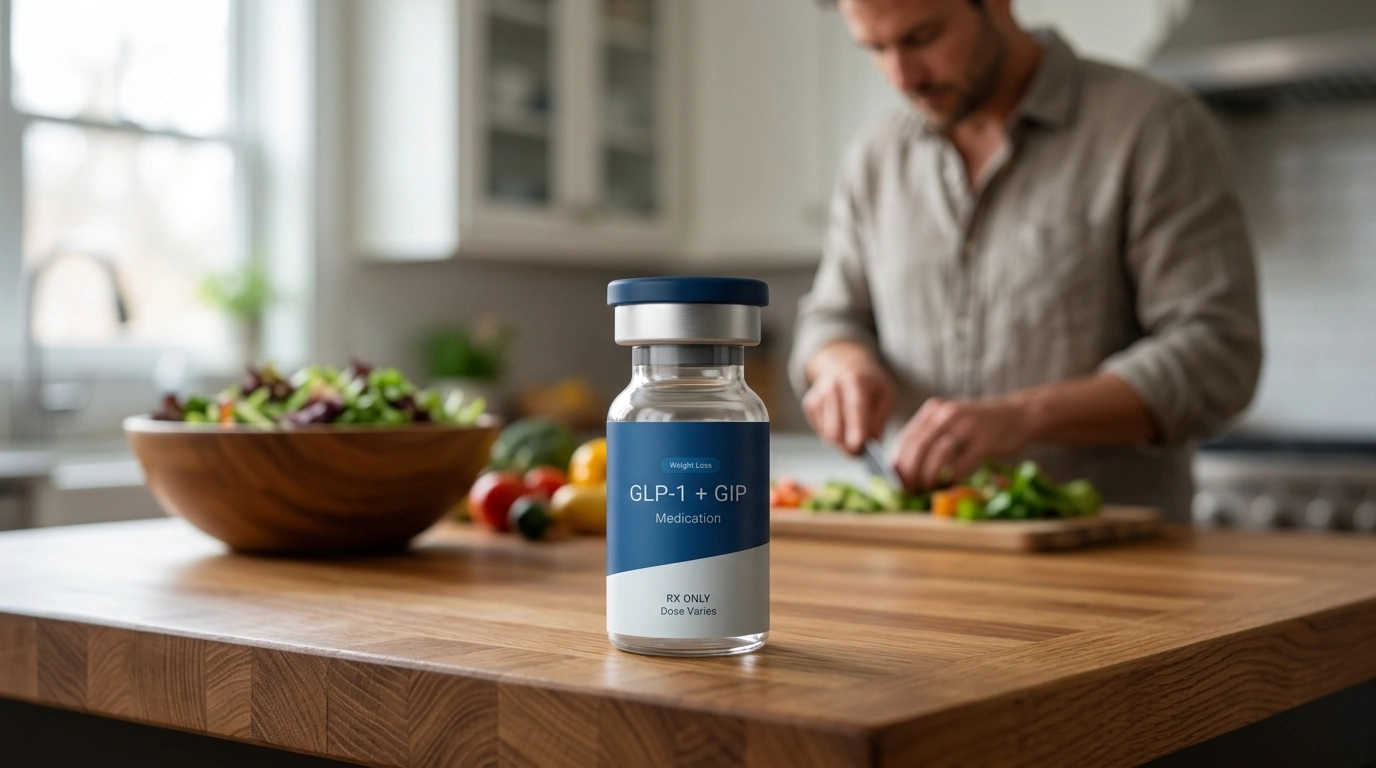
Finding the right rhythm with a new medication can feel like a balancing act, especially when it involves an injectable like Mounjaro®. You might be facing early side effects or wondering how to make your supply last longer, leading to the question: can you take half of a Mounjaro shot? It is a common thought for those looking to customize their experience, but the answer involves understanding how these sophisticated devices are built. At TrimRx, we believe that successful weight management relies on clinical safety and precise dosing rather than guesswork. This article will explore why splitting a single-use dose is not recommended, how the medication is designed to work, and the safer alternatives available for personalizing your treatment. By focusing on evidence-based protocols, we help you navigate your metabolic health journey with confidence and clarity.
Quick Answer: No, you should not attempt to take half of a Mounjaro® shot from a single-use autoinjector. These pens are designed to deliver one fixed dose in its entirety, and attempting to stop the mechanism or dismantle the pen can lead to inaccurate dosing, needle injury, or medication contamination.
How the Mounjaro® Pen Works
To understand why you cannot simply take a partial dose, it is helpful to look at the technology behind the delivery system. Mounjaro® (tirzepatide) is typically distributed in the United States as a single-dose autoinjector. This device is a pre-filled, disposable pen containing a specific amount of medication prescribed by a healthcare provider.
The mechanism inside the pen is spring-loaded. When you press the purple button at the top, a needle is deployed, and a plunger pushes the entire 0.5 mL of solution into the subcutaneous tissue (the fatty layer just under the skin). This process happens in seconds. There is no dial to adjust the volume of the liquid, and once the mechanism is triggered, it cannot be paused or reversed.
Single-Use vs. Multi-Dose Pens
In some international markets, a different version called the KwikPen® is available, which contains four doses in one device. However, even with a multi-dose pen, each click or turn is designed to lock into a specific, pre-measured dose. Attempting to “eyeball” a half-dose by turning the dial halfway is not a validated way to use the medication. In the U.S., where single-use pens are standard, the medication is either “all or nothing.”
For additional context on titration and dose progression, review this Mounjaro dosage guide.
The Engineering of the Autoinjector
The autoinjector is engineered for “blind” administration, meaning the patient does not see the needle and does not have to measure the liquid. This reduces “needle phobia” and minimizes human error. Because the needle retracts or is shielded after use, and the plunger locks at the bottom of the reservoir, the device becomes physically inert after one use. This design prevents the spread of infection and ensures that every patient receives the exact amount of tirzepatide required for their current stage of treatment.
The Risks of Attempting to Split a Dose
Attempting to bypass the design of a medical device carries several significant risks. If you are considering this because of side effects or supply concerns, it is vital to understand what could go wrong.
Inaccurate Dosing
The most immediate risk is that you will not know how much medication you actually received. If you try to pull the needle out halfway through the injection, you may receive only a fraction of the dose, or most of it might end up on your skin rather than under it. Tirzepatide is a powerful dual-agonist medication that mimics two hormones: glucagon-like peptide-1 (GLP-1) and glucose-dependent insulinotropic polypeptide (GIP). These hormones regulate insulin and appetite. Precise dosing is essential for these hormones to interact correctly with your metabolic system.
Risk of Contamination
If someone attempts to “split” a dose by transferring medication from an autoinjector into a separate vial or syringe—a process sometimes called “pen hacking”—they expose the sterile liquid to the air. The medication inside the pen does not contain preservatives intended for multiple entries. Once the seal is broken or the liquid is moved, bacteria can grow rapidly. Injecting contaminated medication can lead to serious skin infections, abscesses, or systemic illness.
Needle Safety and Mechanical Failure
The needles used in these pens are incredibly thin and designed for a single penetration. If the pen is tampered with, the needle can bend or break. Furthermore, the spring mechanism is under high tension; forcing it open or trying to stop it manually can cause the plastic housing to shatter, potentially leading to injury.
Key Takeaway: Mounjaro® pens are precision-engineered for single-use safety. Any attempt to split a dose compromises the sterility of the medication and the accuracy of the dosage, which can hinder your progress and endanger your health.
Why the Dosing Schedule Matters
The dosing schedule for tirzepatide is not arbitrary. It is based on extensive clinical trials designed to help the body adapt to the medication. Most patients follow a specific “escalation” or “titration” schedule.
- The Starting Phase: Everyone begins at 2.5 mg once per week for at least four weeks. This is a “loading dose” designed to introduce the molecule to your system, not necessarily to produce immediate, dramatic weight loss.
- The Progression: After the first month, a provider may increase the dose to 5 mg. This continues in 2.5 mg increments (7.5 mg, 10 mg, 12.5 mg, and 15 mg) every four weeks, depending on how the patient feels and how their body responds.
Taking “half a dose” would disrupt this titration. For example, if you are supposed to be on 5 mg but decide to take 2.5 mg from a 5 mg pen, you are essentially repeating the initiation phase. While this might seem safer if you have side effects, it is a decision that must be made by a licensed healthcare professional who can adjust your prescription legitimately.
If you are considering prescription treatment, complete a free eligibility assessment so a licensed provider can review your needs.
Understanding Tirzepatide: The Science of Weight Management
To understand why dose accuracy is so important, it helps to understand what the medication actually does. Tirzepatide is a unique molecule because it is a “dual agonist.”
GLP-1 (Glucagon-Like Peptide-1)
This hormone is naturally produced in the gut. It tells the brain you are full, slows down gastric emptying (how fast food leaves your stomach), and helps the pancreas release the right amount of insulin.
GIP (Glucose-Dependent Insulinotropic Polypeptide)
This is the second hormone tirzepatide mimics. GIP is thought to work alongside GLP-1 to further improve how the body breaks down sugar and fat. Research suggests that by hitting both receptors, tirzepatide may offer more significant metabolic support than medications that only target the GLP-1 receptor.
For a broader explanation of missed-dose timing and tirzepatide treatment, see this guide to what happens if you miss a week of tirzepatide.
Because these hormones affect your central nervous system and your digestive tract, your body needs a steady, predictable amount of the medication to maintain a “steady state” in your bloodstream. Fluctuating doses—caused by trying to take “half shots”—can lead to a “rollercoaster” effect where your blood sugar and appetite suppression are inconsistent.
Common Reasons People Want to Split Doses
We hear from many individuals who feel tempted to split their doses. Acknowledging these frustrations is the first step toward finding a safer solution.
Managing Side Effects
Nausea, bloating, and indigestion are the most common reasons patients consider taking a smaller dose. If the jump from 2.5 mg to 5 mg feels too intense, the natural instinct is to try to meet in the middle. However, the correct clinical response is usually to stay at the lower 2.5 mg dose for another month rather than trying to split a 5 mg pen.
For practical strategies, read this tirzepatide side-effect management guide.
Supply Concerns
With the popularity of GLP-1 and GIP medications, supply interruptions can be a real hurdle. Some people try to make a box of four pens last for eight weeks by splitting them. While we understand the pressure, the safety risks of contamination and ineffective dosing outweigh the perceived benefit.
Fear of “Too Fast” Weight Loss
Some individuals find they are highly sensitive to the medication and lose weight faster than they find comfortable. They may want to “micro-dose” to slow down the process. This is a valid concern that should be addressed through a personalized treatment plan with a provider who can prescribe the appropriate, lower-strength dose.
Myth: “I can save money by buying the 15 mg pen and splitting it into three 5 mg doses.” Fact: This is extremely dangerous. There is no safe way to sterilely split a single-use autoinjector. You risk infection and have no way to ensure the medication remains stable or effective.
Better Alternatives for Personalized Dosing
If the standard Mounjaro® dosing schedule does not feel right for your body, you are not stuck. There are modern telehealth options designed to provide the flexibility you need without the risks of “DIY” dosing.
The Role of Compounded Tirzepatide
At TrimRx, we connect patients with licensed healthcare providers who can prescribe compounded tirzepatide. Compounded medications are prepared by pharmacists in FDA-registered and inspected compounding pharmacies.
Unlike the fixed-dose branded autoinjectors, compounded tirzepatide often arrives in a multi-dose vial. Patients use a traditional syringe to draw up the exact volume prescribed by their doctor. This allows for:
- Precise Titration: If a provider decides you need a “half step” (like 3.75 mg instead of jumping from 2.5 mg to 5 mg), the dose can be adjusted by volume.
- Professional Oversight: Any changes to your dose are guided by a specialist who ensures the plan remains safe and effective for your health profile.
- Reduced Waste: You only draw what you need, following the strict instructions provided by the pharmacy and your clinician.
Note: While compounded tirzepatide is made in high-quality, regulated facilities, it is not “FDA-approved” in the same way the branded version is. It is, however, a legal and widely used alternative during periods of drug shortages or when personalized dosing is required.
If you want to explore whether a medically supervised program may fit your needs, take the free assessment quiz.
How to Properly Administer Your Medication
Whether you are using a branded autoinjector or a compounded version through our platform, the technique matters for both comfort and effectiveness.
Step 1: Prepare Your Space
Wash your hands thoroughly with soap and water. Find a clean, well-lit surface. If you are using a pen, check the expiration date and ensure the liquid is clear and colorless (or slightly yellow). If it is cloudy or contains particles, do not use it.
Step 2: Choose Your Site
There are three recommended areas for injection:
- The Abdomen: At least two inches away from the belly button.
- The Thigh: The front or side of the upper leg.
- The Upper Arm: The back of the arm (this usually requires someone else to help).
Step 3: Rotate Regularly
Never inject into the exact same spot twice in a row. Rotating sites helps prevent skin irritation and “lipohypertrophy,” which is a buildup of fatty tissue that can interfere with medication absorption.
Step 4: Follow the Device Instructions
- For Autoinjectors: Unlock the pen, place it flat against the skin, and press the button. Hold until the second “click” or until the gray plunger becomes visible.
- For Compounded Vials: Clean the top of the vial with an alcohol swab, draw the exact amount of air into the syringe, inject the air into the vial, and pull back the prescribed volume of liquid.
Step 5: Safe Disposal
Always place used needles and pens in a sharps container. Do not throw them in the regular household trash.
Managing Side Effects Safely
Instead of trying to “take half” to avoid feeling unwell, focus on these evidence-based strategies to manage common GLP-1 side effects.
Prioritize Hydration
Dehydration can worsen nausea and headaches. Aim for small, frequent sips of water throughout the day. Some patients find that adding electrolytes helps maintain energy levels.
Modify Your Diet
- Eat Smaller Meals: Instead of three large meals, try five small “snacks” to avoid over-taxing your digestion.
- Avoid High-Fat Foods: Greasy or fried foods stay in the stomach longer, which can lead to significant discomfort when your digestion is already slowed by the medication.
- Focus on Protein: Protein helps preserve muscle mass as you lose weight. Our Weight Loss Boost supplement can also provide additional support during this transition.
For more guidance, explore these practical strategies for managing tirzepatide side effects.
Give It Time
For many, side effects are most prominent during the first week of a new dose. The body often adapts within 7 to 10 days. If side effects remain severe or prevent you from eating, contact your healthcare provider to discuss staying at a lower dose for a longer period.
The Importance of Professional Supervision
The journey to metabolic health is not one you should walk alone. When you use a platform like ours, you gain access to a dedicated team of specialists. We provide a telehealth-first experience, meaning you can get medical guidance from the comfort of your home.
When you fill out our free assessment quiz, a licensed provider reviews your health history, your BMI, and your goals. They determine if tirzepatide or semaglutide is right for you and at what dose you should begin. This clinical oversight is what makes your weight loss sustainable. If you feel that your dose is too high or too low, our team is available 24/7 to help you adjust your plan legally and safely.
What to Do If You Miss a Dose
If you are worried about your dosing schedule, knowing how to handle a missed dose is more important than trying to split a current one.
- The 4-Day Rule: If you miss your scheduled day, you can take the medication as soon as you remember, provided it is within 4 days (96 hours) of your original time.
- When to Wait: If more than 4 days have passed, skip the missed dose entirely and wait until your next regularly scheduled day.
- Never Double Up: Do not take two doses within 3 days of each other. This significantly increases the risk of severe gastrointestinal distress.
For additional scheduling guidance, read what to do if you miss a week of tirzepatide.
The TrimRx Approach to Sustainable Weight Loss
We believe that weight loss is a deeply personal experience that requires more than just a prescription. Our mission at TrimRx is to combine clinical expertise with modern technology to deliver programs that fit your life. We focus on transparency, providing access to medications from inspected compounding pharmacies and telehealth support.
Our personalized programs are designed to evolve with you. If you struggle with the standard “one-size-fits-all” dosing of branded pens, our approach offers the flexibility of compounded options where your provider can fine-tune your treatment. We are here to ensure that your path to a healthier lifestyle is supported by science, empathy, and constant communication.
Bottom line: While the temptation to take half of a Mounjaro® shot is understandable, it is a risk that can compromise your safety and your results. Focus on professional guidance and explore personalized programs that offer the flexibility you need to succeed.
FAQ
Can I save a partial Mounjaro dose for later?
No. Once a single-use autoinjector is activated, the needle is exposed and the internal mechanism locks. There is no way to reseal the pen or keep the remaining medication sterile for a future injection. Attempting to do so can lead to serious bacterial infections.
What should I do if my Mounjaro dose feels too strong?
If you are experiencing severe side effects, do not attempt to adjust the dose yourself. Contact your healthcare provider immediately. They may suggest staying at your current dose for an extra month or even dropping back down to a lower strength until your body adjusts.
Is it okay to use the liquid left in the pen after my injection?
It is normal to see a small bubble or a tiny amount of liquid left in the pen after use; this is factored into the design to ensure you receive the full dose. However, you should never attempt to “extract” this leftover liquid for a second injection, as it is not enough for a clinical dose and the needle is no longer sterile.
How can I get a more flexible dose of tirzepatide?
If you require a dose that is not available in the standard Mounjaro® pen increments, a personalized program through a telehealth platform like ours may be a better fit. We can connect you with providers who prescribe compounded tirzepatide, which allows for more precise, volume-based dosing using a vial and syringe. To explore your options, complete a free eligibility assessment.
Disclaimer: This content is for informational purposes only and does not constitute medical advice. It is not intended to diagnose, treat, cure, or prevent any disease or condition. Individual results may vary. Always consult a qualified healthcare professional before starting any weight loss program or medication.

Transforming Lives, One Step at a Time
Keep reading

Mounjaro Alternatives: What Else to Consider
If Mounjaro isn’t the right fit, the closest alternatives are other GLP-1 medications, chiefly semaglutide (Ozempic for diabetes, Wegovy for weight), along with a…
Mounjaro vs Zepbound: Same Drug, Two Brands
Like their semaglutide counterparts, Mounjaro and Zepbound are the same medication (tirzepatide) sold under two names for two purposes: Mounjaro is approved for type…
Retatrutide vs Mounjaro: Triple Agonist vs Dual Agonist
The core difference between retatrutide and Mounjaro comes down to how many hormone targets each hits: retatrutide activates three receptors, while Mounjaro (tirzepatide) activates…


