Can You Take Zepbound Shot a Day Early?
Introduction
Managing a weekly injection schedule for weight loss medication requires consistency, but life often moves faster than a seven-day calendar. You might find yourself preparing for an upcoming vacation, a major work event, or a weekend celebration and wondering if you can adjust your timing. Many people face the dilemma of whether it is safe to move their injection day forward to accommodate these life events. At TrimRx, we understand that flexibility is essential for a sustainable health journey. This post will cover the clinical guidelines for timing your doses, the safety parameters set by manufacturers, and how your body responds when you adjust your schedule. We will also explore the necessary steps to transition your injection day safely while maintaining the effectiveness of your treatment. Taking your medication one day early is generally permissible, provided you follow the “72-hour rule” to ensure your safety and comfort.
If you’re also trying to understand whether a GLP-1 medication fits your goals, you can take the free assessment quiz to see what a personalized program may look like.
Quick Answer: Yes, you can typically take a Zepbound® shot one day early. The clinical guideline requires at least 72 hours (three days) between injections to avoid excessive medication buildup in your system.
The 72-Hour Rule: The Clinical Standard for Safety
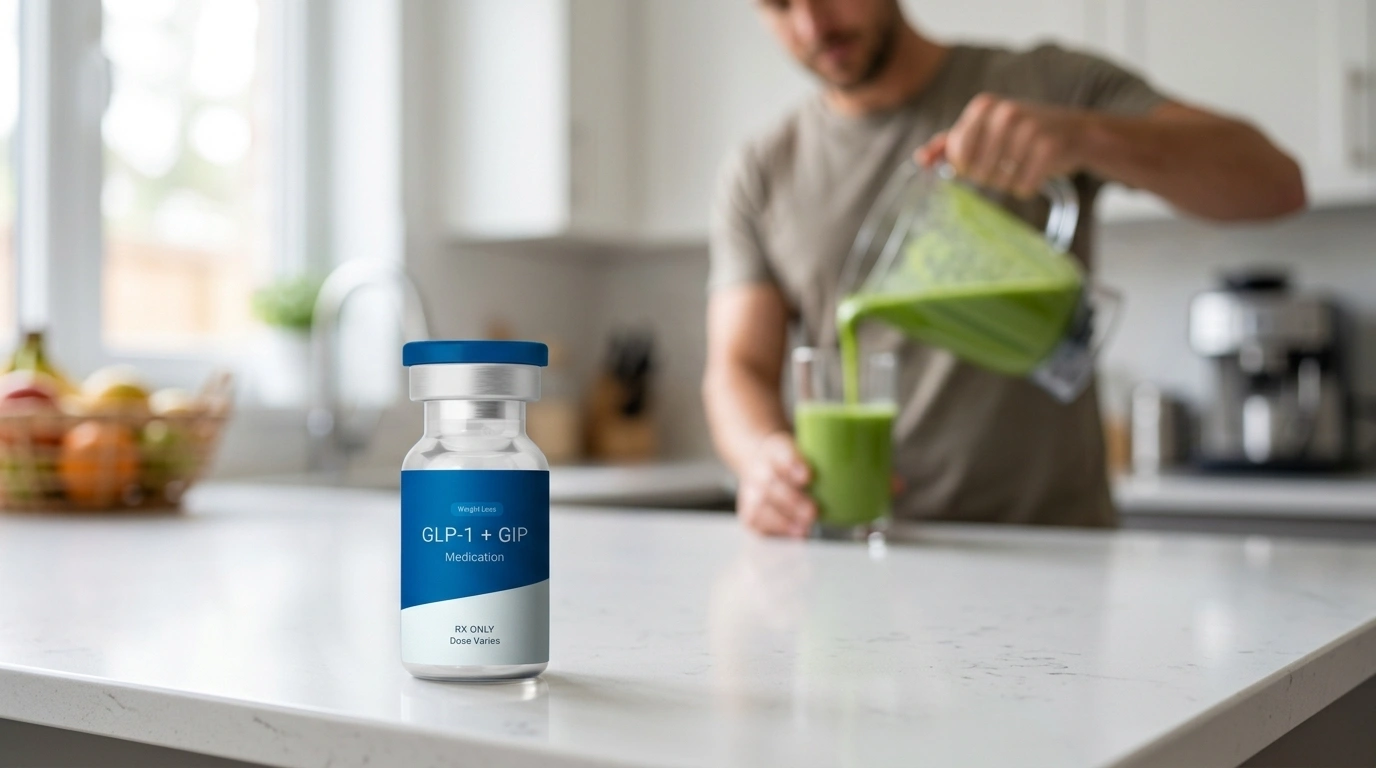
When using a dual-acting medication like Zepbound® (tirzepatide), timing is more than just a matter of convenience. The active ingredient, tirzepatide, is a dual GIP (glucose-dependent insulinotropic polypeptide) and GLP-1 (glucagon-like peptide-1) receptor agonist. These are hormones naturally found in the body that signal the brain to feel full and prompt the pancreas to manage blood sugar. Because these medications are designed to stay in your system for a long time, the dosing schedule is built around a specific biological rhythm.
For a broader overview of how this class of medication works in the body, see what GLP-1 is and how it works.
The manufacturer guidelines for Zepbound® state that the day of weekly administration can be changed if necessary. The primary requirement is that the time between two doses must be at least 72 hours. This 72-hour window is often called the “three-day rule.” If you usually take your injection on a Friday morning but need to take it on a Thursday morning, you have waited six full days since your last dose. This is well beyond the 72-hour minimum, making it a clinically acceptable adjustment for most individuals.
Key Takeaway: The 72-hour rule is the safety threshold that prevents the medication from reaching concentrations in the blood that could lead to severe side effects.
Why You Might Need to Take Your Shot Early
Life is rarely predictable, and there are several practical reasons why an individual might need to shift their Zepbound® schedule. Understanding these scenarios can help you plan your doses without feeling anxious about breaking your routine.
Travel and Time Zones
Long-haul flights or traveling across multiple time zones can make a “standard” injection time difficult to maintain. If you are flying to a destination where your usual injection time would fall in the middle of the night or while you are in transit, moving the shot a day early can simplify your travel logistics. This also prevents the need to manage cold-storage requirements for the medication while on a plane or in an airport.
Social and Professional Commitments
Many people experience mild side effects, such as fatigue or nausea, in the 24 to 48 hours following their injection. If you have a high-stakes presentation at work or a wedding to attend on your usual injection day, you might choose to take the dose a day early. This allows the peak concentration of the medication to pass before your event, ensuring you feel your best when it matters most.
Routine Optimization
Sometimes, the day you initially chose for your injection no longer fits your lifestyle. You might have started on a Monday but realized that a Sunday evening routine works better for your weekly meal prep and planning. Shifting the dose by one day each week or taking it one day early to jump to the new schedule is a common way to optimize your treatment.
If you’re still in the planning stage and want a simple next step, you can complete the free assessment quiz before making any changes to your routine.
What Happens Inside the Body When Taking a Dose Early
To understand why a 72-hour gap is required, it helps to look at how the body processes tirzepatide. This medication has a “half-life” of approximately five days. A half-life is the amount of time it takes for the concentration of the drug in your body to reduce by half. Because the half-life is five days but you take the medication every seven days, there is always a small amount of the previous dose still active when you take the next one.
For more context on the way GLP-1 medications support appetite control and metabolism, you may want to read what GLP-1 medications are.
The Concept of Steady State
After several weeks of consistent use, your body reaches what is known as a “steady state.” This is the point where the amount of medication you take is balanced by the amount your body clears out. When you take a dose a day early, you are injecting the medication at the six-day mark rather than the seven-day mark. This means there is slightly more of the previous dose remaining in your system than usual.
Peak Concentration
The medication reaches its highest level in your blood—known as peak concentration—roughly 24 to 48 hours after the injection. By moving the dose up 24 hours, your new peak will be slightly higher than your previous peaks. For most patients who have been on a stable dose for at least a month, this small increase is typically well-tolerated. However, it can occasionally lead to a temporary increase in the intensity of side effects.
Managing Potential Side Effects of an Early Dose
Because taking a dose early can lead to a slightly higher concentration of the medication, you should be prepared for the possibility of more pronounced side effects. These are usually gastrointestinal in nature, as the GLP-1 and GIP receptors are highly active in the digestive tract.
For a closer look at practical side effect management, this GLP-1 guide covers what many people experience when starting or adjusting treatment.
Common Digestive Responses
You may notice an increase in nausea or a feeling of “over-fullness” after taking a dose early. This happens because the medication slows down gastric emptying, which is the process of food moving out of your stomach. When this process is slowed even further by a slightly higher dose concentration, you might experience:
- Increased indigestion or heartburn
- A more sensitive stomach when smelling certain foods
- Temporary changes in bowel movements, such as constipation
- Mild abdominal discomfort
Strategies for Comfort
If you decide to take your Zepbound® shot a day early, it is wise to adjust your diet for the following 48 hours. Focus on eating smaller, more frequent meals rather than three large ones. High-fat, greasy, or very spicy foods are more likely to cause distress when the medication levels are peaking. Staying hydrated is also critical, as water helps the digestive system manage the changes in motility.
For those who find that shifting their schedule leads to temporary nutritional gaps, our Weight Loss Boost supplement is designed to provide additional support to your metabolism and energy levels during your program.
How to Safely Shift Your Injection Day
If you have determined that taking your shot a day early is the right move for you, following a structured process can help ensure the transition is smooth.
Step 1: Verify the 72-hour window.
Check your records or your calendar to confirm exactly when you administered your last dose. Ensure that at least three full days have passed. If you took your last dose only 48 hours ago, you must wait at least one more day.
Step 2: Plan your new “Standard” day.
When you take a dose a day early, that new day typically becomes your regular injection day moving forward. If you moved from Friday to Thursday, your next dose should be the following Thursday to maintain the standard seven-day cycle.
Step 3: Administer the injection.
Follow your standard injection procedure. You can inject Zepbound® in the thigh, abdomen, or the back of the upper arm. It is always a good idea to rotate your injection site each week to prevent skin irritation.
Step 4: Monitor your body’s reaction.
Pay close attention to your hunger cues and any digestive symptoms over the next two days. If you experience severe vomiting or pain, you should contact a healthcare provider immediately.
If you’re wondering whether a structured prescription program is the right next step, you can see if you qualify with the free assessment quiz.
Bottom line: While shifting your injection day is safe within the 72-hour rule, consistency is still the goal for the best long-term weight loss results.
Early Doses vs. Missed Doses: A Comparison
It is common to confuse the rules for taking a dose early with the rules for a missed dose. Both involve timing changes, but the protocols differ slightly.
If you miss a dose of Zepbound®, the general advice is to take it as soon as you remember, provided it is within four days (96 hours) of your scheduled time. If more than four days have passed, you are typically advised to skip the missed dose and wait for your next regularly scheduled day.
In both cases—whether taking it early or catching up on a late dose—the 72-hour rule remains the non-negotiable safety barrier. You should never take two doses at the same time or within 72 hours of each other. Doubling up on medication does not lead to faster weight loss; it only increases the risk of severe side effects and potential toxicity.
The Importance of Personalised Care in Medication Timing
Every individual responds to GLP-1 medications differently. Factors such as your current dosage, your metabolic rate, and your history of side effects play a role in how your body will handle a schedule change. Someone on the starting 2.5 mg dose of Zepbound® may notice no difference at all when injecting a day early. However, someone on a higher maintenance dose, such as 10 mg or 15 mg, may find the shift more noticeable.
For a wider perspective on the role of this hormone in weight management, what GLP-1 can do is a helpful companion read.
This is where the value of a supervised program becomes clear. Our platform connects you with licensed providers who can offer guidance tailored to your health profile. When you have questions about adjusting your medication for a holiday or a work trip, having access to a dedicated team can provide peace of mind. Our personalized programs at us are designed to support you through these practical “real-life” moments of your weight loss journey.
Exploring Alternatives and Program Support
While Zepbound® is a widely recognized branded medication, it is not the only option for those seeking clinical weight loss support. Due to high demand, many individuals encounter challenges with pharmacy stock or insurance coverage for branded products like Zepbound®, Wegovy®, or Mounjaro®.
In these instances, healthcare providers may discuss compounded alternatives. Compounded Tirzepatide or Compounded Semaglutide are medications prepared by FDA-registered, inspected compounding pharmacies. It is important to note that compounded medications are not FDA-approved in the same way that branded medications are. However, they can provide a vital alternative when branded options are unavailable. These compounded versions contain the same active ingredients and are often used by patients to maintain their progress when supply chains are disrupted.
If you are just starting your journey or looking for a more flexible approach, we provide a streamlined telehealth experience. By completing our free assessment quiz, you can determine if a personalized weight loss program—including access to GLP-1 medications—is the right fit for your goals. We handle the consultations and coordinate with pharmacies to ensure your treatment is delivered directly to your door, removing the stress of waiting rooms and pharmacy lines.
For readers who want a more complete look at sustainable weight management, how to manage weight loss effectively is a useful next step.
Conclusion
Taking your Zepbound® shot a day early is a safe and effective way to manage your schedule, provided you maintain at least 72 hours between doses. Whether you are adjusting for travel, work, or personal preference, the “three-day rule” is your primary safety guide. By understanding the biology of how tirzepatide works and being prepared for potential mild side effects, you can stay in control of your treatment.
At TrimRx, our mission is to help individuals embrace healthier lifestyles through science, empathy, and a transparent, personalized approach to sustainable weight loss. We believe that medical weight loss should fit into your life, not the other way around. Our telehealth-first model ensures that you have the support and expert guidance needed to navigate every step of your journey with confidence.
If you are ready to see how a personalized program can support your goals, the next step is simple. Complete our free assessment quiz today to explore your options and start your path toward lasting metabolic health.
FAQ
Can I take my Zepbound shot 2 days early?
Yes, you can take your Zepbound® shot two days early, as this still leaves five days between doses. The clinical requirement is a minimum of 72 hours (three days) between injections. However, you should then establish that new day as your regular weekly injection day to stay consistent.
What should I do if I accidentally took my Zepbound shot a day early?
If you accidentally took your dose a day early, there is usually no cause for alarm as long as your last dose was at least 72 hours ago. You may notice slightly stronger side effects like nausea or indigestion over the next 48 hours. Simply monitor how you feel, stay hydrated, and use the new day as your injection day going forward.
Does taking Zepbound early make it work faster for weight loss?
Taking your medication early does not typically accelerate weight loss and is not recommended as a strategy to speed up results. The medication is designed to work at a steady level in your bloodstream over time. Taking doses too close together only increases the risk of side effects rather than improving the rate of fat loss.
Can I change my injection day back to the original day later?
Yes, you can move your injection day back, but you should do it gradually. If you moved your shot to Thursday and want to get back to Friday, you should wait eight days for one cycle or move it back by a few hours each week. Always ensure you never go below the 72-hour safety window when adjusting your schedule.
Disclaimer: This content is for informational purposes only and does not constitute medical advice. It is not intended to diagnose, treat, cure, or prevent any disease or condition. Individual results may vary. Always consult a qualified healthcare professional before starting any weight loss program or medication.

Transforming Lives, One Step at a Time
Keep reading
Zepbound Alternatives: Your Options Compared
If Zepbound isn’t the right fit, the main alternative is semaglutide (sold as Wegovy), which produces slightly less weight loss but works similarly, along…
Pemvidutide vs Zepbound: Muscle-Sparing Newcomer vs Proven Tirzepatide
Pemvidutide and Zepbound approach weight loss differently. Pemvidutide, an investigational GLP-1 and glucagon drug, stands out for preserving muscle unusually well (most of the…
Amycretin vs Zepbound: Investigational Newcomer vs Proven Option
Amycretin and Zepbound represent two ends of the weight-loss drug timeline. Amycretin, an investigational drug from the maker of Wegovy, has shown striking early…


