Can I Take Inositol with Semaglutide Safely?

Introduction
Many individuals beginning a weight loss journey find themselves navigating a sea of supplements and prescriptions, wondering which combinations are safe and effective. If you have been researching ways to support your metabolic health, you may have come across inositol, a popular supplement often used for insulin sensitivity. When starting a GLP-1 medication like semaglutide, it is natural to ask if these two can—or should—be used together. At TrimRx, we believe that understanding how different substances interact with your body is the first step toward a safe and successful transformation. This post covers the biological mechanisms of both inositol and semaglutide, the potential for additive effects on blood sugar, and how to safely manage your routine under medical supervision. For additional context, read our guide to how GLP-1 products work.
Quick Answer: Yes, you can generally take inositol with semaglutide, but because both substances affect blood sugar, there is a risk of additive glucose lowering. While the risk of dangerously low blood sugar is low for most people, those taking other medications like insulin or sulfonylureas must exercise extra caution and consult their healthcare provider.
What is Inositol?
Inositol is a type of sugar alcohol that occurs naturally in the body and in certain foods like fruits, beans, and grains. While it is sometimes referred to as Vitamin B8, it is not technically a vitamin because the body can produce it on its own. Inositol plays a fundamental role as a “second messenger” in insulin signaling. This means it helps the instructions from insulin actually get inside your cells, telling them to take in glucose (sugar) from your bloodstream to use as energy.
There are several forms of this compound, but myo-inositol and d-chiro-inositol are the most common in supplement form. Research suggests that inositol may support the body’s natural insulin pathways, making it a frequent choice for those dealing with metabolic challenges. By improving how cells respond to the insulin already present in the body, inositol can help maintain more stable blood sugar levels over time. For more on inositol and weight management, explore how inositol may support weight loss.
What is Semaglutide?
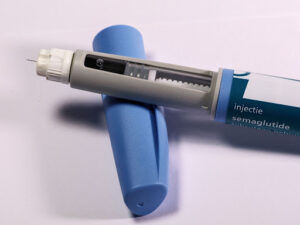
Semaglutide belongs to a class of medications known as GLP-1 receptor agonists (glucagon-like peptide-1). This medication mimics a hormone your body naturally produces after you eat. It works by performing three primary functions: it signals the brain to feel full sooner, slows down how quickly the stomach empties, and prompts the pancreas to release insulin only when blood sugar is high.
Branded versions of this medication, such as Ozempic® and Wegovy®, have been FDA-approved for specific uses like type 2 diabetes and chronic weight management. Many people also access this treatment through compounded semaglutide, which is prepared by FDA-registered and inspected compounding pharmacies when branded versions are in short supply or for personalized dosing needs. It is important to note that while the active ingredient is well-studied, compounded medications themselves are not FDA-approved.
Key Takeaway: Inositol helps the body use insulin more effectively at the cellular level, while semaglutide mimics a natural hormone to regulate appetite and stimulate glucose-dependent insulin release.
How Inositol and Semaglutide Interact
When looking at whether you can take inositol with semaglutide, the primary concern is not a “clash” of chemicals, but rather a “stacking” of effects. Because both substances aim to improve how your body handles sugar, they may work together to lower blood glucose more than either would on its own.
This is known as additive glucose lowering. Inositol makes your cells more sensitive to insulin, and semaglutide ensures your body is producing the right amount of insulin at the right time. For many, this combination can be supportive, but for some, it could lead to blood sugar dropping too low.
The Mechanism of Action
Unlike some medications that are processed by specific liver enzymes (the CYP450 system), semaglutide is broken down differently in the body. This means there is no major “metabolic” interaction where inositol prevents semaglutide from working, or vice versa. The relationship is purely functional—they are both working on the same goal (glucose regulation) from different angles.
Understanding the Risk of Hypoglycemia
Hypoglycemia is the clinical term for low blood sugar. Symptoms can include shakiness, sweating, confusion, dizziness, and a rapid heartbeat. When you combine two things that lower blood sugar, the risk of hypoglycemia increases. However, the level of risk depends heavily on your overall health profile and what other medications you might be taking.
Low-Risk Groups
For individuals using semaglutide monotherapy (meaning they are not on other glucose-lowering medications) and who do not have type 2 diabetes, the risk of dangerous hypoglycemia is generally low. This is because semaglutide is “glucose-dependent”—it typically only prompts insulin release when your blood sugar is actually elevated.
High-Risk Groups
The risk becomes significant for individuals who are also taking:
- Insulin: Since insulin directly lowers blood sugar regardless of its current level, adding inositol’s sensitizing effect can cause a sharper drop than expected.
- Sulfonylureas: These medications force the pancreas to secrete insulin. Adding inositol and semaglutide to this can override the body’s natural blood sugar brakes.
Important: If you are taking insulin or sulfonylureas, do not start inositol while on semaglutide without an explicit plan and dosage adjustment from your healthcare provider.
Inositol and PCOS: A Common Combination
Polycystic Ovary Syndrome (PCOS) is one of the most common reasons people consider combining inositol with semaglutide. Many women with PCOS struggle with a specific type of weight gain driven by insulin resistance. In these cases, the body produces insulin, but the cells “ignore” it, leading to higher blood sugar and increased fat storage. For related information, read our overview of semaglutide and PCOS.
Research has shown that a 40:1 ratio of myo-inositol to d-chiro-inositol can be particularly effective for those with PCOS. It may help restore regular ovulation and lower androgen levels. Because the TrimRx platform connects patients with providers who specialize in metabolic health, we often see patients who are already using inositol to manage PCOS symptoms before starting a GLP-1 program. For this population, the combination can be a powerful duo for addressing both the hormonal and metabolic aspects of the condition, provided it is monitored.
Potential Side Effects and Overlap
Both inositol and semaglutide are known to affect the gastrointestinal (GI) system. When starting them together, or adding one to the other, you might notice an increase in mild side effects.
- Nausea: This is the most common side effect of semaglutide as the body adjusts to slower gastric emptying.
- Bloating and Gas: High doses of inositol can sometimes cause mild digestive upset.
- Loose Stools: Both substances can occasionally cause changes in bowel habits.
To minimize these issues, we recommend a “low and slow” approach. Most providers suggest stabilizing on your semaglutide dose before introducing a new supplement like inositol. This helps you identify exactly which substance is causing a specific side effect if one arises. You can also review these common GLP-1 side effects before beginning treatment.
Lifestyle Habits to Support the Combination
If your provider clears you to take both, focusing on specific lifestyle habits can help you maximize the benefits while keeping your blood sugar stable.
- Prioritize Protein: Eating adequate protein helps maintain muscle mass while you lose weight on semaglutide.
- Stay Hydrated: Slower digestion and metabolic changes require plenty of water to prevent headaches and constipation.
- Consistent Meal Timing: To avoid blood sugar dips, try to eat regular, balanced meals rather than fasting for long periods while using insulin-sensitizing supplements.
- Monitor Your Body: Keep a log of how you feel, especially in the first two weeks of combining the two. Note any moments of lightheadedness or unusual fatigue.
Bottom line: While inositol and semaglutide are generally compatible, the main concern is their combined effect on blood sugar. Most people handle the combination well, but those with complex medication regimens for diabetes must be cautious.
How to Start a Personalized Program
Starting a weight loss journey is a significant decision that should be tailored to your unique health history. We emphasize that there is no one-size-fits-all dose or supplement stack.
Step 1: Complete a Health Assessment Before starting any medication like semaglutide, you should complete a thorough medical history review. Our free assessment quiz is designed to help licensed providers determine if you are a candidate for GLP-1 therapy.
Step 2: Disclose All Supplements During your telehealth consultation, ensure you mention that you are taking inositol. Your provider needs this information to give you the most accurate advice on dosing and safety.
Step 3: Access Medically Supervised Treatment If approved, you can receive compounded semaglutide or tirzepatide shipped directly from FDA-registered, inspected compounding pharmacies. These programs typically include ongoing support to help you manage side effects and adjust your routine as you progress.
The Role of Supportive Supplements
While inositol focuses on insulin sensitivity, other supplements can help manage the specific “lifestyle” side of GLP-1 therapy. For example, some people find value in targeted support like GLP-1 Daily Support, which is designed to provide the vitamins and minerals that may be less abundant when appetite is significantly reduced. Others might look toward a Weight Loss Boost supplement to help maintain energy levels during a calorie deficit. These quick-access supplements do not require a prescription and can be a helpful addition to a well-rounded wellness plan.
Talking to Your Healthcare Provider
It is essential to have an open dialogue with a professional before mixing supplements and prescriptions. Here are a few questions you might ask during your next consultation:
- “Based on my current blood sugar levels, is it safe to continue my inositol supplement?”
- “Should I reduce my inositol dosage while I am titrating up on semaglutide?”
- “What specific signs of low blood sugar should I look for given my health history?”
- “Can I take my inositol at the same time of day as my other medications?”
Myths vs. Facts
Myth: Inositol will make semaglutide stop working for weight loss. Fact: There is no evidence that inositol interferes with the weight loss mechanism of semaglutide. In fact, by supporting insulin sensitivity, it may complement the metabolic goals of the treatment.
Myth: You don’t need to tell your doctor about inositol because it’s “natural.” Fact: Even natural supplements have physiological effects. Because inositol impacts insulin signaling, your doctor must know about it to safely manage your semaglutide prescription.
Realistic Expectations
Weight loss is a marathon, not a sprint. While the combination of inositol and semaglutide may support your metabolic health, the most sustainable results come from a foundation of healthy habits. Many patients report feeling more in control of their cravings and seeing gradual improvements in their metabolic markers over several months.
It is also important to remember that everyone’s body reacts differently. Some may find the combination provides the extra “nudge” their metabolism needs, while others may find that semaglutide alone is sufficient for their goals. Our goal at TrimRx is to provide the platform and professional connection you need to find the balance that works for you.
Conclusion
Combining inositol with semaglutide is a common strategy, particularly for those managing PCOS or significant insulin resistance. While the two are generally safe to take together, the primary focus must be on monitoring your blood sugar and ensuring you aren’t at high risk for hypoglycemia. By working with a licensed healthcare provider through a personalized program, you can navigate these choices with confidence.
At TrimRx, our mission is to help you embrace a healthier lifestyle through a transparent, science-backed approach that prioritizes your safety and long-term success. Whether you are looking for a comprehensive prescription program or targeted supplemental support, we are here to guide you every step of the way.
- Next Step: If you’re ready to see if a GLP-1 program is right for you, take our free assessment quiz to get started.
- Alternative: If you are already on your journey and looking for nutritional support, explore our quick-access supplements like GLP-1 Daily Support.
FAQ
Can I take inositol and semaglutide at the same time of day?
Yes, there is no known timing interaction between the two, so you can take them whenever it is most convenient for your schedule. However, some people prefer taking inositol with a meal to reduce the chance of mild stomach upset. Since semaglutide is typically a once-weekly injection, its presence in your system is constant, so the specific time of day you take your daily inositol does not change how the two interact.
Will inositol help with semaglutide side effects?
Inositol is not specifically designed to treat side effects like nausea or constipation caused by semaglutide. In some cases, taking high doses of both might actually increase mild GI upset during the initial adjustment period. If you are experiencing significant side effects, it is usually better to focus on hydration and protein intake rather than adding more supplements.
Is inositol better than metformin when taking semaglutide?
Inositol and metformin both improve insulin sensitivity, but metformin is a potent prescription medication while inositol is a dietary supplement. Some studies suggest they have similar benefits for certain PCOS symptoms, but they are not interchangeable. You should never swap a prescribed medication like metformin for a supplement without discussing it with your healthcare provider first.
Does inositol cause weight loss on its own?
Inositol may support modest weight loss in individuals with insulin resistance or PCOS by helping the body process sugar more efficiently, but it is generally not as potent for weight loss as GLP-1 medications. When used together, the semaglutide typically does the “heavy lifting” for appetite suppression and weight reduction, while inositol supports the underlying cellular health. If you are considering a medically supervised program, you can complete a free eligibility assessment.
Disclaimer: This content is for informational purposes only and does not constitute medical advice. It is not intended to diagnose, treat, cure, or prevent any disease or condition. Individual results may vary. Always consult a qualified healthcare professional before starting any weight loss program or medication.

Transforming Lives, One Step at a Time
Keep reading
Semaglutide vs Tirzepatide: Comparing Weight Loss, Blood Sugar, and Side Effects
Semaglutide and Tirzepatide are one of the most common comparisons in medical weight loss. The two medications share a clear family resemblance. Both are…

How Much Weight Can You Lose on Semaglutide?
How much weight can you lose on semaglutide? The answer varies depending on your starting weight, dosage, treatment duration, and individual response to the…

Hair Shedding Months Into Semaglutide
It shows up in the shower drain first, then on the pillow, then in the brush. By the time most people search this, they…


