Navigating Your Journey: Do You Have to Take Semaglutide Forever?
Introduction
The journey toward a healthier weight is profoundly personal, often marked by dedication, effort, and sometimes, the search for effective, science-backed support. Many individuals grapple with the persistent challenges of weight management, navigating fluctuating scales and the emotional toll of unsuccessful attempts. In recent years, a significant breakthrough has emerged in this space: medications like semaglutide, offering a new horizon for those committed to transforming their health. Yet, as with any powerful tool, questions naturally arise about its long-term application. A central inquiry on many minds is, “do I have to take semaglutide forever?”
This question, simple in its phrasing, opens a gateway to a nuanced discussion about chronic weight management, the physiological realities of the human body, and the vital role of personalized medical guidance. It’s not merely about the duration of a prescription, but about understanding a sustained pathway to well-being that intertwines medication with comprehensive lifestyle changes.
At TrimRx, our journey began with a shared vision to help individuals embrace healthier lifestyles by merging cutting-edge telehealth innovations with effective weight loss solutions. We understand that sustainable weight loss should be achieved through science, empathy, and a transparent approach. This blog post aims to illuminate the complexities surrounding semaglutide treatment duration. We will delve into how semaglutide works, explore insights from clinical research, discuss factors that influence treatment length, and highlight crucial strategies for maintaining weight loss, whether you continue or eventually discontinue the medication. By the end, you will have a clearer understanding of your options and how a personalized, medically supervised program can empower your path to lasting health. Together, we’ll explore the multifaceted aspects of this question, offering clarity and support for your unique weight loss journey.
Understanding Semaglutide: The Science of Satiety and Weight Management
For many years, the battle against excess weight was largely viewed through the lens of willpower and calorie restriction. However, modern science has revealed the profound biological and hormonal underpinnings of obesity, repositioning it as a complex chronic condition that often requires medical intervention. Enter semaglutide, a medication that has revolutionized the approach to weight management by targeting these intricate physiological mechanisms.
What Semaglutide Is and How It Works
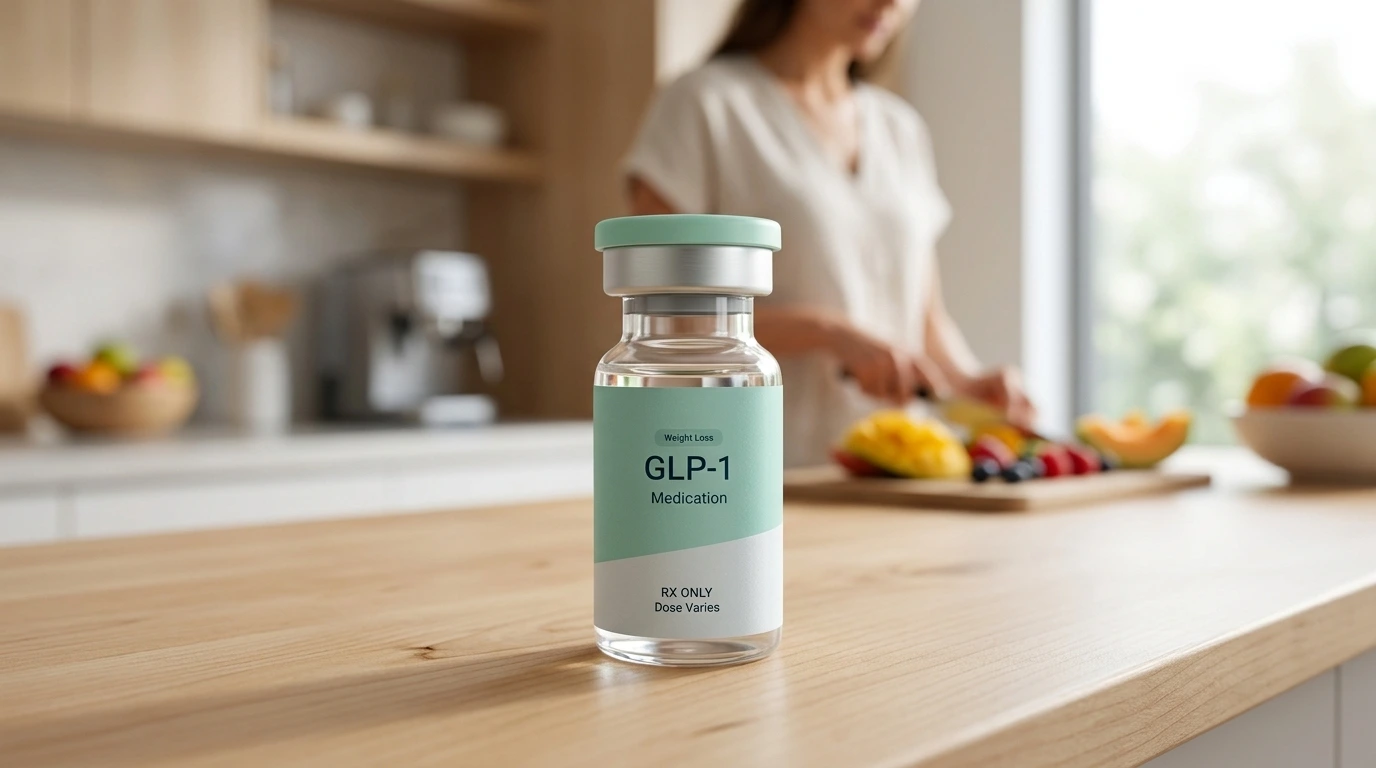
Semaglutide belongs to a class of medications known as GLP-1 (glucagon-like peptide-1) receptor agonists. This means it mimics the action of a natural hormone in your body called GLP-1, which plays a crucial role in regulating appetite, food intake, and glucose metabolism. When you take semaglutide, it influences your body in several key ways:
- Appetite Suppression: Semaglutide acts on the brain’s appetite control centers, significantly reducing hunger cravings and the constant “food noise” that many individuals experience. This often translates into fewer intrusive thoughts about food, making it easier to adhere to a healthy eating plan.
- Delayed Gastric Emptying: The medication slows down how quickly food leaves your stomach. This leads to a prolonged feeling of fullness after meals, reducing the likelihood of overeating and extending satisfaction.
- Blood Sugar Regulation: Originally developed for type 2 diabetes management, semaglutide stimulates insulin release in a glucose-dependent manner (only when blood sugar is high) and suppresses glucagon secretion. This helps stabilize blood sugar levels, which indirectly supports weight loss efforts and improves overall metabolic health.
These combined actions make semaglutide a highly effective tool for weight management, helping individuals consume fewer calories naturally and sustain a caloric deficit necessary for weight loss.
Eligibility for Semaglutide Treatment
While the benefits of semaglutide are significant, it’s not a solution for everyone. Our commitment at TrimRx is to safe, effective weight loss, which means ensuring that treatment is appropriate for each individual. Typically, semaglutide for weight loss is recommended for adults who meet specific criteria:
- Those with a Body Mass Index (BMI) of 30 or higher, classified as obesity.
- Overweight adults with a BMI of 27 or higher who also have at least one weight-related health condition, such as high blood pressure, type 2 diabetes, or high cholesterol.
- Individuals who have genuinely attempted other weight-loss methods, including diet and exercise, without achieving significant or sustainable results.
Determining eligibility requires a thorough medical evaluation. We believe in providing compassionate care that respects every individual’s unique journey by combining advanced medical science with modern technology. That’s why we offer a comprehensive service that includes doctor consultations and lab work. To see if you qualify for our personalized prescription weight loss medications, we encourage you to take our free assessment quiz. This quiz is the first step in creating a tailored treatment plan designed just for you.
The Question of Duration: Do You Have to Take Semaglutide Forever?
This is perhaps the most frequently asked question by individuals considering or currently using semaglutide for weight management. The answer, however, is not a simple “yes” or “no” but rather a nuanced exploration of chronic disease management, individual goals, and the interplay between medication and lifestyle.
Insights from Clinical Trials
The research into semaglutide’s efficacy for weight loss provides a foundational understanding of treatment duration. Most pivotal clinical trials studying semaglutide, such as the STEP (Semaglutide Treatment Effect in People with Obesity) trials, lasted between 68 weeks to 2 years. These studies consistently demonstrated significant and sustained weight loss during the treatment period. For instance, the landmark STEP 1 trial, published in the New England Journal of Medicine, showed participants receiving semaglutide 2.4 mg experienced an average weight loss of 14.9% from baseline over 68 weeks, a magnitude previously unseen in pharmacologic interventions for obesity.
Key observations from these trials include:
- Initial Significant Loss: The most substantial weight loss often occurs within the first 20 to 30 weeks of treatment as doses are gradually escalated and the body adjusts.
- Sustained Results: Weight loss typically continues and is maintained for the duration of treatment, with many participants reaching a plateau around 9-12 months but sustaining their reduced weight for the full study period.
- Maintenance Phase: After achieving target weight, some participants transitioned to a maintenance dose, designed to prevent weight regain.
While these trials demonstrate effectiveness over a significant period, they also highlight a critical aspect: obesity is often considered a chronic condition that may require long-term management, much like high blood pressure or diabetes. Just as individuals with these conditions may require ongoing medication, some may benefit from continuous semaglutide treatment to maintain their weight loss and associated health improvements.
Obesity as a Chronic Condition
Viewing obesity as a chronic condition is crucial to understanding the potential for long-term semaglutide use. It’s not merely a temporary state but a complex disease influenced by genetics, environment, and biology. When treatment for a chronic condition ceases, symptoms often return. Research, including a 2021 clinical study, has shown that individuals typically regain a significant portion of their lost weight after stopping weight loss medications. This is largely due to the return of increased appetite and caloric intake once the medication’s effects diminish. This doesn’t mean failure on the individual’s part; it reflects the powerful biological adaptations the body makes to defend against weight loss.
The Power of a Personalized Approach
The decision of how long to continue semaglutide treatments should always be made in close consultation with your medical provider. It’s a highly individualized choice, factoring in:
- Your specific weight loss goals.
- Your overall health status and any co-existing medical conditions (e.g., type 2 diabetes, high blood pressure) that semaglutide also helps manage.
- Your response to the medication, including the amount of weight lost and any side effects experienced.
- Your commitment to integrating comprehensive lifestyle changes into your daily routine.
At TrimRx, we emphasize that our brand is empathetic, innovative, trustworthy, supportive, results-oriented, and personalized. We offer compassionate care that respects every individual’s unique journey. Our medically supervised programs are designed to be a partnership, ensuring that decisions about treatment duration are always made with your best interests and long-term well-being at heart. Our approach remains consistent regardless of dosage changes, focusing on your safety and results. If you’re wondering about the ideal duration for your weight loss journey, we encourage you to take our free assessment quiz to connect with a healthcare provider who can craft a plan tailored for you.
Navigating the Journey: When Semaglutide Treatment May Change
The path to sustainable weight loss with semaglutide is rarely a straight line. It involves distinct phases and potential adjustments based on your individual response, health status, and evolving goals. Understanding these dynamics is essential for a realistic and effective treatment experience.
Initial Treatment Phase and Dose Escalation
When you begin a semaglutide program with TrimRx, the initial period is typically an introductory phase, often lasting 16 to 20 weeks. During this time, you start with a low dose, which is then gradually increased. This titration process is critical for several reasons:
- Body Adjustment: It allows your body to slowly adapt to the medication, minimizing potential side effects like nausea or gastrointestinal discomfort.
- Optimizing Effectiveness: Gradually increasing the dose helps us find the optimal level that provides the most effective appetite suppression and metabolic benefits for you, with the fewest side effects.
- Monitoring Response: This phase provides an opportunity for your medical provider to monitor your weight loss progress, assess tolerance, and make any necessary adjustments to your treatment plan.
Throughout this initial phase, our comprehensive service ensures you receive doctor consultations, medication, lab work, unlimited support, and convenient shipping, all with no hidden fees. We work exclusively with FDA-registered and inspected pharmacies to ensure the highest standards for the weight loss medications shipped to your home.
The Maintenance Phase
Once you’ve achieved significant weight loss or reached your target weight, the focus often shifts to a maintenance phase. This period is equally, if not more, important than the initial weight loss phase. The goal here is to sustain your new, healthier weight and prevent regain. During maintenance, your medical provider may adjust the semaglutide dosage or frequency to continue supporting your metabolic changes and appetite regulation.
This phase is also crucial for cementing lifestyle changes. While semaglutide is a powerful tool, it performs best when integrated with healthy eating habits and regular physical activity. Our programs are designed to support you in developing these sustainable habits, helping you build a foundation for long-term success.
Factors Influencing Treatment Duration
Several factors can influence how long you might continue semaglutide therapy. These are points of ongoing discussion between you and your TrimRx medical provider:
Efficacy and Response to Medication
- Adequate Weight Loss: If you are consistently losing weight and achieving your goals, and your body is responding well, your provider may suggest long-term use to maintain those benefits. A common benchmark often discussed is achieving at least 5% body weight loss within a few months of reaching a full dose.
- Limited Response: If, after a sufficient trial period at the maximum tolerated dose (typically three to six months), you haven’t achieved significant weight loss (e.g., less than 5% of your body weight), your provider might explore alternative strategies or different medications.
Tolerance and Side Effects
All medications have potential side effects. While many individuals tolerate semaglutide well, some may experience discomfort.
- Managing Side Effects: Common side effects, such as nausea, diarrhea, or constipation, are usually mild to moderate and often decrease over time or with dose adjustments. Our unlimited support ensures you have a resource to discuss these concerns.
- Severe Intolerance: If side effects are persistent, severe, or significantly interfere with your daily life, your medical provider may recommend adjusting the dosage, exploring different GLP-1 medications (like compounded tirzepatide or oral tirzepatide, or branded options like Mounjaro® or Zepbound®), or discontinuing treatment if necessary. Our commitment to transparent service means we’ll always prioritize your comfort and safety.
Overall Health Status
For many, semaglutide not only aids in weight loss but also improves related health conditions like type 2 diabetes, high blood pressure, and cholesterol levels.
- Managing Comorbidities: If semaglutide is helping manage these conditions, your provider might recommend continued use for the combined benefits. Regular check-ups and lab work are integral to monitoring these improvements.
- Changes in Health: Any new health concerns or changes in existing conditions might necessitate a re-evaluation of your treatment plan. This ongoing assessment is a core part of our personalized, medically supervised care.
Integration of Lifestyle Changes
Ultimately, the most sustainable weight loss is achieved through a combination of effective medication and robust lifestyle interventions. Your commitment to diet and exercise changes plays a significant role in your long-term success, both during treatment and potentially if you transition off the medication. We offer compassionate care that respects every individual’s unique journey, emphasizing a holistic approach that empowers you with the knowledge and tools for lasting change.
The Impact of Discontinuing Semaglutide
The question “do I have to take semaglutide forever?” often stems from a concern about what happens if you stop. It’s a valid and important consideration, as the body’s response to discontinuing GLP-1 agonists is a well-documented phenomenon that warrants careful planning.
The Likelihood of Weight Regain
One of the most common outcomes reported after stopping semaglutide is the potential for weight regain. Clinical studies and real-world experiences consistently show that a significant number of individuals regain a portion, or even all, of the weight they lost once the medication is no longer in their system. This is often referred to as “Ozempic rebound,” though it applies to all semaglutide-containing products and other GLP-1 medications.
This isn’t a sign of failure but a biological reality. Semaglutide works by actively influencing hunger hormones and satiety signals. When these pharmacological effects are removed, the body’s natural physiological mechanisms that defend against weight loss can rebound with vigor:
- Increased Appetite: The powerful appetite-suppressing effects of semaglutide diminish, leading to a return of hunger pangs and sometimes an intensified desire for food.
- Reduced Satiety: The sensation of fullness after eating may not last as long, potentially leading to increased caloric intake.
- Re-emergence of “Food Noise”: For many, the mental quietude around food that semaglutide provides may disappear, leading to a return of intrusive thoughts and cravings.
A 2021 clinical study found that participants typically regained a substantial amount of weight within a year after discontinuing weight loss treatments. This underscores the need for proactive strategies to combat these physiological shifts.
Underlying Physiological Shifts Contributing to Regain
Beyond the subjective experience of increased hunger, there are complex metabolic and hormonal changes that contribute to weight regain after stopping semaglutide:
Metabolic Adaptation
When you lose weight, your body naturally adapts to conserve energy. This phenomenon, known as metabolic adaptation, can persist even after weight loss has occurred:
- Reduced Basal Metabolic Rate (BMR): A smaller body simply burns fewer calories at rest. Losing weight inherently lowers your BMR, meaning you need fewer calories to maintain your new weight than you did to maintain your previous, higher weight.
- “Starvation Mode” Response: Even with moderate calorie restriction, the body can perceive a state of energy deficit, leading to an increase in metabolic efficiency. This makes it harder to continue losing weight and easier to regain it once caloric intake returns to higher levels.
Hormonal Changes
Weight loss significantly alters the balance of hormones that regulate hunger and metabolism:
- Leptin Decrease: Leptin, a hormone produced by fat cells, signals satiety to the brain. As fat mass decreases with weight loss, leptin levels drop, which can signal the brain to increase hunger and reduce energy expenditure.
- Ghrelin Increase: Ghrelin, often called the “hunger hormone,” typically increases after weight loss, stimulating appetite.
- Altered Insulin Sensitivity: While semaglutide improves insulin sensitivity, rapid changes in body composition can sometimes lead to an altered response to insulin, potentially favoring fat accumulation if not managed through diet and activity.
Muscle Mass Loss
During any significant weight loss, there’s a risk of losing muscle mass along with fat, especially if dietary protein intake is insufficient and regular resistance training is not incorporated.
- Impact on Metabolism: Muscle tissue is metabolically more active than fat tissue, meaning it burns more calories at rest. A reduction in muscle mass can further lower your overall metabolic rate, making it harder to maintain weight loss.
- Reduced Activity Levels: Less muscle mass can also lead to decreased physical strength and endurance, potentially reducing overall physical activity and caloric expenditure.
Understanding these physiological challenges is not meant to discourage but to empower. It highlights the importance of a well-thought-out post-treatment plan and the continuous partnership with a medical provider. Our commitment to transparent service means we want you to be fully informed, ensuring that you and your TrimRx provider can proactively plan for a sustained, healthier future.
Strategies for Sustaining Weight Loss After Semaglutide
While the potential for weight regain after discontinuing semaglutide is real, it is absolutely not an inevitable outcome. Successfully navigating this transition requires a proactive and holistic approach, integrating the powerful benefits of medication with robust, sustainable lifestyle changes. This is where TrimRx’s philosophy of science, empathy, and personalized care truly shines, empowering you to maintain your achievements for the long term.
Holistic Lifestyle Integration: The Cornerstone of Sustained Success
Effective weight management, both during and after semaglutide treatment, hinges on consistent dedication to healthy habits. These are not merely temporary adjustments but foundational shifts for a healthier life.
Nutrition Focus: Mimicking Satiety and Fueling Your Body
Semaglutide helps by reducing appetite and slowing gastric emptying, leading to increased feelings of fullness. When transitioning off the medication, you can strategically use food choices to help mimic these sensations:
- Prioritize Protein: Protein is known for its high satiety factor. Incorporating lean protein sources (e.g., chicken, fish, beans, lentils, eggs, Greek yogurt) into every meal can help you feel fuller for longer and reduce overall calorie intake. Protein is also crucial for preserving and building muscle mass, which is vital for a healthy metabolism.
- Embrace Fiber-Rich Foods: Foods high in fiber, such as fruits, vegetables, whole grains, and legumes, add bulk to your diet without excessive calories. Fiber slows digestion, contributes to satiety, and supports gut health. Think of generous portions of colorful produce with every meal.
- Mindful Eating Practices: Beyond what you eat, how you eat matters. Practicing mindful eating – paying attention to hunger and fullness cues, eating slowly, and savoring your meals – can help prevent overeating and foster a healthier relationship with food. Food journaling can be a powerful tool to track intake, identify patterns, and ensure you’re meeting your nutritional needs.
Physical Activity: Building and Maintaining Muscle
Exercise is a non-negotiable component of long-term weight management, especially when considering the potential for muscle loss during weight reduction.
- Resistance Training is Key: Incorporate regular strength training (e.g., weight lifting, resistance bands, bodyweight exercises) into your routine at least twice per week. Building and maintaining muscle mass is critical because muscle burns more calories at rest than fat, contributing to a higher metabolic rate and making it easier to manage your weight.
- Consistent Aerobic Activity: Aim for at least 250 minutes weekly of moderate-intensity physical activity, as research suggests this level of activity is particularly helpful for weight loss maintenance. This could include brisk walking, jogging, cycling, swimming, or dancing.
- Active Lifestyle: Look for opportunities to move throughout your day. Take the stairs, walk during phone calls, or stand more often. Every bit of activity contributes to your overall energy expenditure and well-being.
A 2024 study highlighted the benefit of combining exercise with weight loss drugs, showing that individuals who exercised while using medication kept off significantly more weight after discontinuing it, and notably, maintained more muscle. This reinforces the synergistic power of medication and physical activity.
The Role of Professional Guidance and Ongoing Support
Your weight loss journey doesn’t end when you reach your target weight or decide to transition off medication. Continuous professional guidance and a strong support system are invaluable for sustained success.
- Ongoing Medical Oversight: Regular follow-up visits with your TrimRx medical provider are essential to monitor your health, discuss any challenges, and make adjustments to your strategy. This partnership ensures that you receive medically supervised care tailored to your evolving needs.
- Nutritional Counseling: Working with a registered dietitian or nutritionist can provide personalized guidance on meal planning, healthy food choices, and strategies to manage appetite and cravings, especially during the transition off medication.
- Behavioral Coaching: Support for behavioral changes, such as stress management, improved sleep hygiene, and developing coping mechanisms for emotional eating, can significantly enhance your ability to maintain weight loss.
At TrimRx, our platform is a user-friendly and supportive space where individuals receive personalized, medically supervised care—all designed to make sustainable weight loss attainable and tailored to the individual. Our comprehensive service includes unlimited support, meaning you’re never alone in this journey.
Supplementing Your Journey with Quick-Access Support
To further support your overall wellness and weight management efforts, especially during or after semaglutide treatment, we offer scientifically formulated quick-access supplements that do not require a quiz:
- GLP-1 Daily Support: This supplement is designed to complement your body’s natural processes, supporting metabolic health and overall well-being. It can be a valuable addition for those seeking to enhance their weight loss journey or maintain results.
- Weight Loss Boost: For immediate support during your weight loss efforts, this boost offers additional nutritional assistance to help you feel your best as you work towards your goals.
These supplements are readily available to provide an extra layer of support for those committed to their health transformation. We believe in providing a range of tools to empower your journey, reflecting our dedication to safe, effective weight loss and individualized care.
TrimRx’s Approach to Your Weight Loss Journey
At TrimRx, we understand that asking “do I have to take semaglutide forever?” is a testament to your commitment to understanding and navigating your health journey with clarity and confidence. Our mission is to provide you with the resources, support, and clinically proven solutions necessary for safe, effective, and sustainable weight loss.
Our journey began with a shared vision: to help individuals embrace healthier lifestyles by merging cutting-edge telehealth innovations with effective weight loss solutions. We recognized the need for a user-friendly and supportive space where personalized, medically supervised care is not just accessible, but also tailored to the individual’s unique needs. This commitment is woven into every aspect of our service.
Personalized Prescriptions for Lasting Results
For those who qualify for prescription weight loss medications, our approach begins with a thorough assessment to ensure the most appropriate and effective treatment plan. We offer a range of clinically proven options, carefully selected for their efficacy and safety:
- Compounded Semaglutide: A highly effective GLP-1 receptor agonist that mimics natural hormones to reduce appetite and promote satiety.
- Oral Semaglutide: For those who prefer a non-injectable option, offering similar benefits in a convenient oral form.
- Ozempic®: A branded semaglutide medication, FDA-approved for type 2 diabetes management, which can also lead to significant weight loss.
- Compounded Tirzepatide: A novel dual GIP and GLP-1 receptor agonist, offering even more comprehensive metabolic effects.
- Oral Tirzepatide: The oral formulation of this powerful dual agonist.
- Mounjaro®: A branded tirzepatide medication, FDA-approved for type 2 diabetes, also known for substantial weight loss.
- Zepbound®: A branded tirzepatide specifically FDA-approved for chronic weight management.
- Wegovy®: A branded semaglutide formulation, specifically FDA-approved for chronic weight management.
It’s important to note that while Ozempic®, Mounjaro®, Zepbound®, and Wegovy® are branded medications that are FDA-approved, our compounded medications are provided through FDA-registered, inspected, and approved pharmacies, ensuring their quality and safety. To determine your eligibility and receive a personalized treatment plan with these medications, we invite you to take our free assessment quiz.
Comprehensive Support, No Hidden Fees
We believe that comprehensive care should be transparent and accessible. Our service includes:
- Doctor Consultations: Expert medical oversight and personalized guidance from qualified healthcare providers.
- Medication: Access to your prescribed weight loss medication, shipped directly to you.
- Lab Work: Necessary diagnostic testing to monitor your health and progress.
- Unlimited Support: Ongoing access to our compassionate team for any questions or concerns you may have throughout your journey.
- Shipping: Convenient and discreet delivery of your medication to your doorstep.
All these elements are included with no hidden fees, reflecting our commitment to transparent service. We partner with FDA-registered and inspected pharmacies for the shipping of weight loss medications, ensuring that your treatment is handled with the utmost care and safety. While TrimRx partners with these pharmacies for the shipping of medications, it is crucial to understand that your medical supervision comes directly from your TrimRx affiliated healthcare provider.
Quick-Access Supplements for Holistic Wellness
Beyond prescription medications, we also offer quick-access supplements designed to support your overall wellness during your weight loss journey, available for immediate purchase without a quiz:
- GLP-1 Daily Support: A daily supplement formulated to assist your body’s natural functions related to metabolic health.
- Weight Loss Boost: Provides an immediate lift to your wellness efforts, complementing your lifestyle changes.
Our brand is empathetic, innovative, trustworthy, supportive, results-oriented, and personalized. We combine advanced medical science with modern technology to deliver compassionate care that respects every individual’s unique journey. Whether you’re considering semaglutide, are currently on a program, or exploring maintenance strategies, TrimRx is here to empower you with the knowledge and tools for lasting health and well-being.
Conclusion
The question of whether one has to take semaglutide forever is a deeply personal and complex one, underscoring the shift in how we approach weight management as a chronic health condition. We’ve seen that semaglutide is a powerful, science-backed tool that effectively aids in significant weight loss by modulating appetite and metabolism. Clinical trials highlight its efficacy over periods of 68 weeks to two years, demonstrating profound improvements in weight and cardiometabolic health.
However, the evidence also suggests that for many, discontinuing semaglutide can lead to weight regain due to persistent physiological adaptations that promote hunger and reduce metabolic efficiency. This underscores a crucial insight: sustained weight loss is often a long-term endeavor that may require ongoing support, whether through continued medication, a robust commitment to intensive lifestyle interventions, or a combination of both.
The decision regarding the duration of semaglutide treatment is not one-size-fits-all. It requires a personalized approach, made in close consultation with a trusted medical provider, considering individual health goals, tolerance, response to medication, and the integration of sustainable lifestyle changes. Emphasizing protein-rich nutrition, consistent strength training, and professional guidance are paramount strategies for those seeking to maintain their results, irrespective of their medication status.
At TrimRx, our commitment is to empower you throughout this journey. We provide personalized, medically supervised weight loss solutions, merging cutting-edge telehealth with effective, clinically proven treatments. Our comprehensive programs, offering medications like Compounded Semaglutide, Ozempic®, Zepbound®, and more, alongside vital support services, are designed to make sustainable weight loss attainable and tailored to your individual needs. We also provide immediate support through our GLP-1 Daily Support and Weight Loss Boost supplements.
Ultimately, your weight loss journey is just that—a journey. It’s about building a healthier, more vibrant life, one step at a time, with the right tools and unwavering support. If you’re ready to explore how a personalized plan can help you achieve and maintain your health goals, we invite you to take our free assessment quiz today. Let us partner with you in crafting a path to lasting well-being, guided by science, empathy, and transparent care.
Frequently Asked Questions
1. Will I definitely regain weight if I stop semaglutide?
While many people experience some degree of weight regain after discontinuing semaglutide, it is not an absolute certainty for everyone. The likelihood of regaining weight is high due to the body’s natural physiological adaptations to weight loss, such as increased appetite and changes in metabolic rate. However, diligently implementing a comprehensive post-treatment strategy that includes a high-protein, fiber-rich diet, consistent strength training and aerobic exercise, and ongoing professional support can significantly help minimize weight regain. Your TrimRx provider can help you develop a tailored plan to mitigate these effects.
2. Can I restart semaglutide if I gain weight back after stopping?
Yes, it is generally possible to restart semaglutide if you experience weight regain after discontinuing it. However, semaglutide is intended for long-term weight management, not as a short-term, cyclical solution. If you find yourself in a situation where you’ve stopped and regained weight, it’s crucial to consult with your TrimRx medical provider. They will assess your current health status, discuss the reasons for the regain, and collaboratively determine the most appropriate course of action, which may include restarting semaglutide at a lower dose and gradually titrating up again, or exploring alternative treatment options.
3. What are the most common side effects of semaglutide?
The most common side effects associated with semaglutide are typically gastrointestinal in nature. These can include nausea, vomiting, diarrhea, constipation, and abdominal pain. These side effects are often mild to moderate, especially during the initial phase of treatment as the dose is gradually increased, and tend to decrease over time as your body adjusts. Less common but more serious side effects can occur, so it’s important to discuss any concerns with your TrimRx medical provider. Our comprehensive service includes unlimited support to help you manage any side effects.
4. How does TrimRx ensure the safety and quality of its medications?
At TrimRx, safety and quality are paramount. For our prescription weight loss medications, we partner exclusively with FDA-registered and inspected pharmacies for the shipping of your products. This means the pharmacies adhere to rigorous standards set by the Food and Drug Administration (FDA) for compounding, dispensing, and quality control. For branded medications like Ozempic®, Mounjaro®, Zepbound®, and Wegovy®, we ensure they are obtained through legitimate supply chains. Our commitment to transparent service and patient well-being is unwavering, ensuring that your personalized, medically supervised care is built on a foundation of trust and integrity.

Transforming Lives, One Step at a Time
Keep reading

Why Does Hunger Come Back on Day 5 of Semaglutide?
Because you are noticing the shape of a weekly dose, and that shape is normal. Semaglutide concentrations rise after an injection, peak within the…

Why Can’t I Eat More Than a Few Bites on Semaglutide?
Because your stomach is emptying more slowly and fullness signals are arriving much earlier than they used to. That is a real physiological effect…

Can You Keep Semaglutide in the Same Fridge as Food?
Yes. An ordinary kitchen refrigerator is where most people store this medication and it is entirely appropriate. There is no contamination concern in either…


