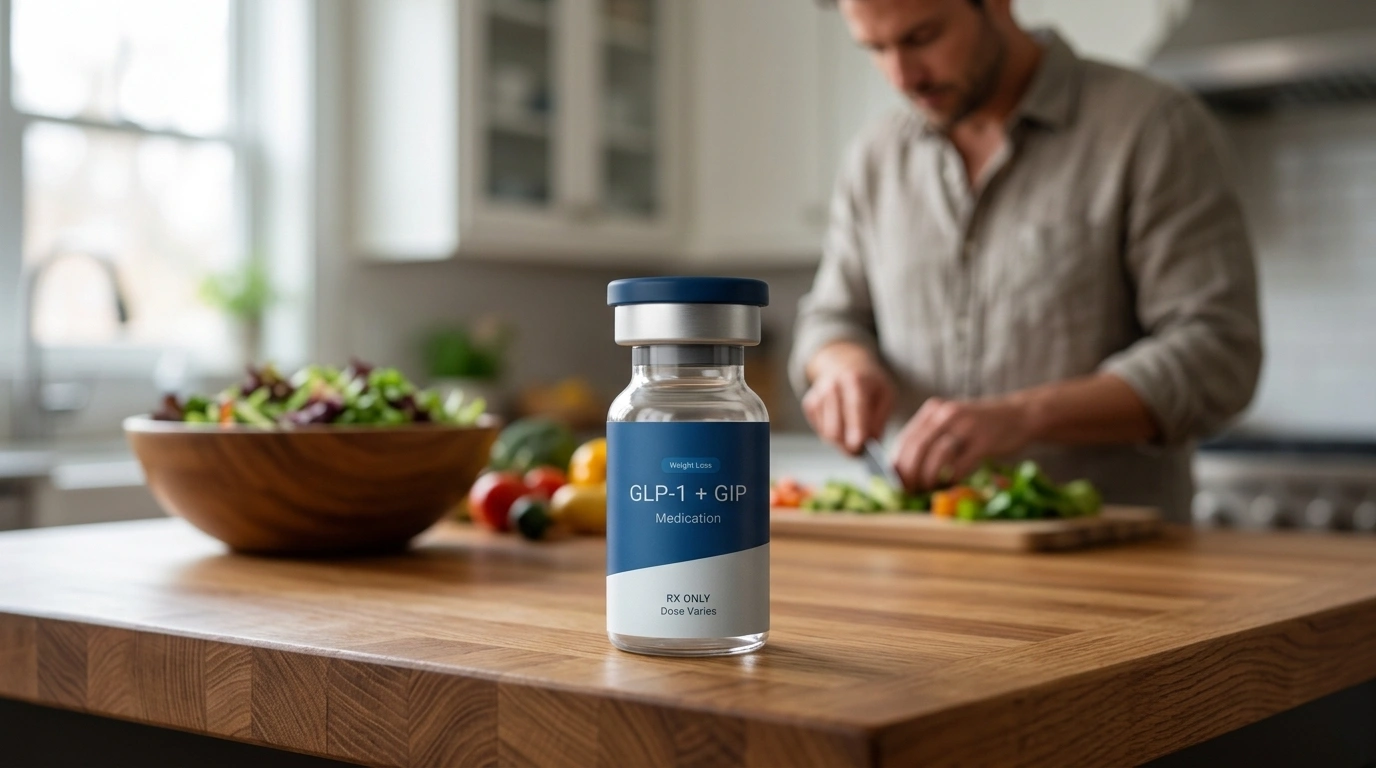
Understanding Zepbound Dosing: Can You Take Two 2.5 mg Doses?

Reading time
46 min
Published on
September 20, 2025
Updated on
November 18, 2025
Understanding Zepbound Dosing: Can You Take Two 2.5 mg Doses?

Introduction

Imagine you’ve found a powerful new tool to help you on your weight management journey, a medication like Zepbound, which is making significant strides in supporting individuals with obesity or those who are overweight with related health conditions. The promise of effective weight loss can be incredibly motivating, yet it also brings a natural curiosity about how best to maximize its benefits. Among the many questions that arise, one often surfaces: “Can you take two 2.5 mg doses of Zepbound?” This query, while seemingly straightforward, opens up a broader discussion about proper medication adherence, safety protocols, and the critical role of medical guidance in any weight loss program.

In this comprehensive guide, we’ll delve into the science behind Zepbound (tirzepatide), unpack its approved dosing schedules, explore the implications of deviating from these guidelines, and underscore the paramount importance of medical supervision. Our purpose is to provide clarity and empower you with the knowledge needed to make informed decisions about your health. You will learn why sticking to a prescribed, titrated dosing regimen is not just a recommendation, but a cornerstone of safe and effective treatment. We’ll also highlight how our personalized, medically supervised weight loss solutions at TrimRx are designed to support you every step of the way, ensuring your journey is both effective and transparent.

At TrimRx, our journey began with a shared vision to help individuals embrace healthier lifestyles by merging cutting-edge telehealth innovations with effective weight loss solutions. We believe that sustainable weight loss should be achieved through science, empathy, and a transparent approach, providing a user-friendly and supportive space where individuals receive personalized, medically supervised care. This article will arm you with essential information, making it unique in its blend of detailed medical insights and a supportive, empathetic perspective on your path to better health. By the end, you will have a clear understanding of Zepbound’s dosing principles and how TrimRx can be your trusted partner in achieving your weight management goals.

The Science Behind Zepbound: A Dual-Action Breakthrough

Zepbound, with its active ingredient tirzepatide, represents a significant advancement in the landscape of weight management medications. To truly understand why specific dosing instructions are crucial, it’s helpful to first grasp how this innovative medication works within the body. Zepbound is not just another weight loss drug; it’s a dual glucose-dependent insulinotropic polypeptide (GIP) and glucagon-like peptide-1 (GLP-1) receptor agonist. This dual action is what sets it apart and contributes to its efficacy.

How GIP and GLP-1 Receptors Impact Weight

Both GIP and GLP-1 are naturally occurring incretin hormones in your body. They play vital roles in regulating blood sugar levels and influencing appetite.

Glucose-Dependent Insulinotropic Polypeptide (GIP)

GIP is released after you eat and stimulates insulin secretion from the pancreas in a glucose-dependent manner. This means it only prompts insulin release when blood sugar levels are high, reducing the risk of hypoglycemia (low blood sugar). Beyond its role in glucose metabolism, GIP is also involved in fat metabolism and energy balance. By activating GIP receptors, Zepbound can enhance the body’s natural processes for managing nutrients.

Glucagon-Like Peptide-1 (GLP-1)

GLP-1 is another incretin hormone, also released after meals. Its primary actions include stimulating insulin secretion, suppressing glucagon secretion (which prevents the liver from releasing too much sugar), slowing gastric emptying, and increasing feelings of fullness. The delayed gastric emptying can help you feel satiated for longer, reducing overall food intake. The central nervous system effects of GLP-1 also contribute to appetite suppression.

The Synergistic Effect of Dual Agonism

By activating both GIP and GLP-1 receptors, tirzepatide offers a synergistic effect that leads to more pronounced benefits in weight loss and metabolic control compared to medications that target only one of these pathways. This dual mechanism contributes to:

  • Reduced Appetite: Feeling fuller, faster, and for longer.
  • Improved Satiety: A decreased desire to eat, leading to lower caloric intake.
  • Better Blood Sugar Regulation: Enhanced insulin sensitivity and glucose control, which is particularly beneficial for individuals with metabolic conditions.
  • Significant Weight Loss: Clinical studies have demonstrated substantial and sustained weight loss in individuals using Zepbound alongside diet and exercise.

Understanding this sophisticated mechanism highlights why precise dosing is essential. The body’s response to these hormonal signals is delicate, and altering the prescribed regimen without medical guidance could disrupt this balance, potentially leading to increased side effects or reduced efficacy.

Zepbound’s Approved Uses and Official Dosing Schedule

Zepbound is an FDA-approved prescription medication specifically indicated for adults who are managing their weight. This includes individuals with obesity (defined as a Body Mass Index, or BMI, of 30 kg/m² or higher) or those who are overweight (BMI of 27 kg/m² or higher) and have at least one weight-related medical condition, such as high blood pressure, type 2 diabetes, high cholesterol, or obstructive sleep apnea (OSA). It is crucial to remember that Zepbound is meant to be used in conjunction with a reduced-calorie diet and increased physical activity for optimal results. It is also approved for treating moderate to severe obstructive sleep apnea in adults who also have obesity.

Our commitment at TrimRx is to provide solutions that are not only effective but also align with the highest standards of safety and medical integrity. This means strictly adhering to approved indications and dosing protocols.

Available Strengths and Administration

Zepbound is administered as a subcutaneous injection, meaning it is injected just under the skin. It comes in a liquid solution within single-dose prefilled pens or single-dose vials. Your healthcare provider will guide you on how to properly administer the medication. The available strengths for both the prefilled pen and vial are:

  • 2.5 mg/0.5 mL
  • 5 mg/0.5 mL
  • 7.5 mg/0.5 mL
  • 10 mg/0.5 mL
  • 12.5 mg/0.5 mL
  • 15 mg/0.5 mL

The injection is typically given once per week, on the same day each week, and can be administered at any time of day, with or without food. Common injection sites include the stomach, thigh, or the back of the upper arm (if someone else is giving the injection). It’s important to rotate injection sites to prevent irritation.

The Recommended Titration Process

The dosing of Zepbound is not a one-size-fits-all approach and follows a carefully designed titration schedule. This gradual increase in dosage is fundamental to help your body adapt to the medication and minimize potential gastrointestinal side effects.

Starting Dose

The typical starting dosage for Zepbound is 2.5 mg once per week for 4 weeks. This initial phase is crucial. It allows your healthcare provider to assess your tolerance to the medication and observe any initial responses. The 2.5 mg dose is considered a starting dose and is not an approved maintenance dose for weight reduction.

Dose Escalation

After the initial 4 weeks on 2.5 mg, your doctor will likely increase your dosage to 5 mg once per week. This step-up is designed to move you towards a therapeutically effective dose.

Subsequent dose increases are made in 2.5 mg increments after at least 4 weeks on the current dose. This means you would take 5 mg for at least 4 weeks, then potentially increase to 7.5 mg for at least 4 weeks, then 10 mg, and so on, up to a maximum of 15 mg once per week.

Maintenance Doses

The recommended maintenance doses for weight reduction and long-term weight management are 5 mg, 10 mg, or 15 mg once per week. For the treatment of obstructive sleep apnea (OSA) in adults with obesity, the recommended maintenance doses are 10 mg or 15 mg once per week. Your healthcare provider will work with you to find the smallest dosage that provides the desired effect while minimizing side effects.

This meticulous titration schedule is a cornerstone of safe and effective Zepbound therapy. It reflects extensive clinical research designed to optimize patient outcomes. This is why, when considering questions like “can you take two 2.5 mg doses of Zepbound,” understanding this structured approach is vital.

Addressing the Question: Can You Take Two 2.5 mg Doses of Zepbound?

Given the detailed, gradual dose escalation protocol for Zepbound, the short answer to “can you take two 2.5 mg doses of Zepbound” to achieve a 5 mg dose is no, it is not recommended. While mathematically two 2.5 mg doses equal 5 mg, medication dosing is not simply an arithmetic exercise. It involves complex considerations of pharmacokinetics (how the body absorbs, distributes, metabolizes, and excretes a drug), pharmacodynamics (how the drug affects the body), and clinical trial data.

Why Adhering to Prescribed Dosage Forms is Critical

Medications like Zepbound are formulated and tested as specific single-dose units. When a healthcare provider prescribes a 5 mg dose, they are prescribing a single 5 mg pen or vial, which has been rigorously tested and approved for safety and efficacy at that concentration and delivery mechanism.

Lack of Clinical Data

The most significant reason not to combine two 2.5 mg doses to make a 5 mg dose is the lack of clinical data to support such a practice. Clinical trials for Zepbound specifically evaluated the safety and efficacy of single-dose pens or vials at various strengths (2.5 mg, 5 mg, 7.5 mg, etc.). They did not assess the effects of combining multiple lower-dose pens or vials to reach a higher dose. Introducing a non-standard administration method can lead to unpredictable outcomes.

Potential for Dosing Errors

Manually combining doses increases the risk of error. You might unintentionally administer an incorrect total dose, or mismanage the injection process, which can lead to:

  • Underdosing: Not receiving the full therapeutic benefit.
  • Overdosing: Exposing yourself to higher concentrations of the drug than intended, which can exacerbate side effects or lead to more serious adverse events.

Impact on Absorption and Efficacy

Even if the total amount of active ingredient is the same, administering it via two separate injections or from two separate devices may affect how the drug is absorbed and distributed in the body. The goal is consistent, predictable delivery, which is achieved through the intended single-dose formulation.

Risks Associated with Deviating from Prescribed Protocols

Self-adjusting medication dosages or combining different strengths without explicit medical instruction carries significant risks.

Increased Risk of Side Effects

Zepbound, like any medication, has potential side effects. The most common ones, such as nausea, diarrhea, vomiting, constipation, and abdominal pain, are often more prevalent during dose escalation. Taking an unapproved dose, or receiving the same dose in an unapproved manner, could intensify these side effects or lead to new ones. For example, severe gastrointestinal problems have been reported, and these can lead to dehydration and potentially kidney problems.

Serious Adverse Events

Beyond common side effects, tirzepatide carries serious warnings, including the risk of thyroid C-cell tumors. Other serious side effects can include acute kidney injury, acute gallbladder disease, acute pancreatitis, severe hypersensitivity reactions, and hypoglycemia, especially for individuals also on insulin secretagogues or insulin. Deliberately altering your dosage without medical supervision can elevate your risk for these severe complications.

Diminished Efficacy

Paradoxically, deviating from the prescribed regimen might also reduce the medication’s effectiveness. The gradual titration process is designed to allow your body to adjust and optimize its response. Rushing this process or altering how the dose is administered can interfere with the intended therapeutic pathway, potentially hindering your weight loss progress.

At TrimRx, our unwavering commitment is to safety. We emphasize that all prescription medications, including Zepbound, must be used exactly as prescribed by a qualified healthcare provider. Our transparent approach means we prioritize your well-being, and this includes guiding you through a safe, medically supervised program where dosages are adjusted thoughtfully and intentionally.

The Indispensable Role of Medical Supervision

The complexities of medications like Zepbound and the nuances of individual health profiles underscore why medical supervision is not just a formality but a critical component of a safe and effective weight loss journey. This is where the TrimRx difference truly shines.

Personalized Care at TrimRx

Our platform is a user-friendly and supportive space where individuals receive personalized, medically supervised care—all designed to make sustainable weight loss attainable and tailored to the individual. We understand that each person’s body, health history, and weight loss goals are unique. This is why our approach at TrimRx is deeply personalized, rooted in science, empathy, and transparency.

Comprehensive Assessment and Eligibility

Before starting any prescription weight loss medication, a thorough evaluation is essential. We offer a free assessment quiz to help determine your eligibility for our personalized weight loss programs, which may include options like Zepbound. This quiz is your first step towards a tailored treatment plan, ensuring that any prescribed medication is appropriate for your specific health needs. Our comprehensive service includes:

  • Doctor Consultations: Connecting you with qualified healthcare professionals who understand the intricacies of weight management. They will review your medical history, current health status, and help determine the most suitable treatment plan.
  • Lab Work: Essential for establishing baseline health markers, monitoring your progress, and ensuring the medication is well-tolerated and safe for you.
  • Medication: If deemed eligible, prescription medications like Zepbound (tirzepatide), Ozempic® (semaglutide), Mounjaro® (tirzepatide), Wegovy® (semaglutide), or our compounded Semaglutide and Tirzepatide formulations (available in injectable and oral forms) are provided through FDA-registered and inspected pharmacies. It’s important to clarify that while branded medications like Ozempic®, Zepbound®, Mounjaro®, and Wegovy® are FDA-approved, compounded medications are not FDA-approved. However, we exclusively partner with FDA-registered and inspected pharmacies for shipping all weight loss medications, ensuring quality and safety.
  • Unlimited Support: Your journey is not solitary. Our team provides ongoing guidance and answers your questions, offering a supportive environment for your success.
  • Shipping with No Hidden Fees: We believe in transparency, ensuring you understand the full scope of our services without unexpected costs.

We do not provide actual medical supervision; instead, we partner with these FDA-registered and inspected pharmacies for the shipping of weight loss medications, and our affiliated medical professionals oversee your treatment plan.

The Dynamics of Dosage Adjustment

Your healthcare provider is the only one qualified to determine if and when your Zepbound dosage should be adjusted. This process involves:

  • Monitoring Progress: Tracking your weight loss, changes in BMI, and improvements in weight-related health conditions.
  • Assessing Side Effects: Carefully evaluating any side effects you experience, their severity, and how they impact your quality of life. Based on this, adjustments can be made to mitigate discomfort.
  • Clinical Judgment: Integrating all relevant information—your response to the current dose, your overall health, and any changes in your medical status—to make informed decisions about future dosing.

This careful, step-by-step approach is designed to find the optimal dose for your body, ensuring maximum benefit with minimal risk. Attempting to self-medicate or alter your dosage, such as asking “can you take two 2.5 of Zepbound” to achieve a higher dose, bypasses this critical process and puts your health at risk.

Beyond Prescription: Quick-Access Support

In addition to our personalized prescription programs, we also offer quick-access supplements designed to support your overall wellness during your weight loss journey. These do not require a quiz and are available for immediate purchase:

  • GLP-1 Daily Support: This supplement is formulated to complement your weight management efforts, providing additional support for metabolic health and well-being.
  • Weight Loss Boost: Designed to provide an extra edge, this supplement can help enhance your body’s natural processes as you work towards your goals.

These quick-access options reflect our holistic approach to health, recognizing that weight management often benefits from multifaceted support.

Practical Considerations for Zepbound Users

Beyond understanding the official dosing schedule and the need for medical supervision, there are several practical aspects crucial for anyone prescribed Zepbound. These considerations contribute to both the effectiveness and safety of your treatment.

Proper Administration Techniques

Administering Zepbound correctly is just as important as the prescribed dose itself. Your healthcare provider will instruct you on how to use the single-dose prefilled pen or vial with a syringe and needle.

  • Injection Sites: Zepbound can be injected into the abdomen, thigh, or the back of the upper arm. It’s vital to rotate these sites weekly to avoid skin irritation, tenderness, or hardening. Never inject into the same spot twice in a row.
  • Preparation: Ensure your hands are clean and the injection site is prepped as instructed by your healthcare provider. The pen or vial should be inspected for any damage or discoloration of the solution before use.
  • Needle Handling: For prefilled pens, there’s no need to handle the needle directly. If using a vial, always use a new, sterile needle and syringe for each injection.
  • With or Without Food: Zepbound can be taken with or without food, giving you flexibility in your weekly schedule.
  • Consistency: Choose a specific day of the week for your injection and try to stick to it. This helps maintain consistent levels of the medication in your system.

Managing a Missed Dose

Life happens, and sometimes a dose might be missed. Knowing how to handle this situation is critical to maintaining safety and efficacy:

  • If you miss a dose of Zepbound, take it as soon as you remember, provided it is within 4 days (96 hours) of your scheduled dosing day.
  • If more than 4 days (96 hours) have passed since your missed dose, skip that dose and take your next dose on your regularly scheduled day.
  • Do not take two doses of Zepbound within 3 days (72 hours) of each other to compensate for a missed dose. This can increase the risk of side effects.
  • If you are unsure whether to take a missed dose or skip it, always consult your healthcare provider or pharmacist.

We encourage our members to set reminders (e.g., on their phones or calendars) to help adhere to their weekly dosing schedule. Consistent adherence is key to achieving optimal results.

Storage and Disposal of Zepbound

Proper handling and disposal of your medication are crucial for safety and environmental responsibility.

Storage

  • Refrigeration: Store your Zepbound pens or vials in the refrigerator between 36°F and 46°F (2°C and 8°C).
  • Room Temperature: If needed, a single-dose pen or vial can be stored at room temperature (up to 86°F or 30°C) for up to 21 days. Crucially, if stored at room temperature, do not return it to the refrigerator. Discard if not used within 21 days after removing from the refrigerator.
  • Protection: Store Zepbound in its original carton to protect it from light.
  • Freezing: Do not freeze Zepbound, and do not use it if it has been frozen, as freezing can compromise its effectiveness.
  • Handling: Handle the pen carefully, as it contains glass parts. If dropped on a hard surface, do not use it; discard it and use a new pen.
  • Child Safety: Always keep Zepbound pens, vials, syringes, needles, and all medicines out of the reach of children.

Disposal

  • Sharps Container: Used Zepbound pens or needles and syringes should be placed in an FDA-cleared sharps disposal container immediately after use.
  • Household Containers: If an FDA-cleared sharps container is unavailable, you can use a heavy-duty plastic household container with a tight-fitting, puncture-resistant lid, ensuring sharps cannot come out, and it is stable, leak-resistant, and properly labeled.
  • No Household Trash or Recycling: Do not dispose of used pens, needles, or syringes in household trash or recycling bins.
  • Community Guidelines: Follow your local community guidelines for the proper disposal of your sharps container. More information can typically be found on the FDA’s website or your local waste management services.

Monitoring for Side Effects and When to Seek Medical Attention

While Zepbound can be highly effective, it’s vital to be aware of potential side effects and to communicate any concerns with your healthcare provider.

Common Side Effects

The most common side effects reported by individuals taking Zepbound include:

  • Nausea
  • Diarrhea
  • Vomiting
  • Constipation
  • Stomach (abdominal) pain
  • Indigestion
  • Injection site reactions (e.g., redness, itching, pain)
  • Fatigue
  • Belching
  • Hair loss
  • Heartburn

Many gastrointestinal side effects, such as nausea, diarrhea, and vomiting, tend to occur more frequently when doses are increased but often decrease over time as your body adjusts. Eating smaller meals, avoiding fatty foods, and choosing bland options can help manage nausea.

Serious Side Effects

It’s important to be aware of the more serious potential side effects and to seek medical attention immediately if you experience them:

  • Thyroid C-cell Tumors: Zepbound carries a Boxed Warning regarding the risk of thyroid C-cell tumors, including medullary thyroid carcinoma (MTC), observed in animal studies. Watch for symptoms like a lump or swelling in the neck, hoarseness, trouble swallowing, or shortness of breath. Zepbound should not be used if you or your family have a history of MTC or Multiple Endocrine Neoplasia syndrome type 2 (MEN 2).
  • Severe Stomach Problems: Persistent or severe stomach pain.
  • Kidney Problems (Kidney Failure): Diarrhea, nausea, and vomiting can lead to dehydration, potentially causing kidney issues. Stay hydrated.
  • Acute Gallbladder Disease: Symptoms may include severe pain in the upper abdomen, fever, nausea, and vomiting.
  • Acute Pancreatitis: Symptoms include severe, persistent abdominal pain, which may radiate to the back, with or without vomiting.
  • Severe Allergic Reactions: Swelling of the face, lips, tongue, or throat, difficulty breathing or swallowing, severe rash, or dizziness.
  • Hypoglycemia: Especially if you have type 2 diabetes and are taking other medications like sulfonylureas or insulin. Symptoms include dizziness, sweating, confusion, headache, blurred vision, slurred speech, tremors, or fast heartbeat.
  • Diabetic Retinopathy Complications: If you have type 2 diabetes, rapid improvement in blood sugar control can sometimes temporarily worsen diabetic retinopathy.
  • Suicidal Thoughts or Behaviors: Monitor for any new or worsening depression, suicidal thoughts, or unusual changes in mood or behavior. Discontinue Zepbound and seek immediate medical attention if these occur.

Our brand is built on trust, and we are committed to transparent service. This means providing you with all the necessary information to use your medication safely and effectively, and ensuring you have the support to address any concerns. Regular check-ins with your healthcare provider are invaluable for monitoring your health and making necessary adjustments to your treatment plan.

Conclusion

The journey toward sustainable weight management is deeply personal and often involves exploring effective medical solutions. Zepbound (tirzepatide) stands as a powerful tool in this endeavor, offering significant benefits for individuals seeking to manage their weight and associated health conditions. However, the efficacy and safety of this medication hinge on strict adherence to prescribed dosing protocols. The question “can you take two 2.5 mg doses of Zepbound” to achieve a higher dosage is one we’ve thoroughly explored, and the answer remains clear: it is not recommended.

The carefully titrated dosing schedule of Zepbound, beginning with 2.5 mg for four weeks before advancing to 5 mg and higher increments, is the result of extensive clinical research designed to optimize your body’s response while minimizing side effects. Deviating from these established guidelines by combining doses or self-adjusting your regimen can introduce unnecessary risks, including intensified side effects, potential dosing errors, and a compromise to the medication’s intended therapeutic effect.

At TrimRx, our core values of empathy, innovation, trustworthiness, and support guide every aspect of our service. Our journey began with a shared vision to merge cutting-edge telehealth with effective weight loss solutions, creating a platform where personalized, medically supervised care is accessible and tailored to your unique needs. We emphasize that sustainable weight loss should be achieved through science, empathy, and a transparent approach. Our comprehensive service ensures you receive doctor consultations, necessary lab work, medication from FDA-registered and inspected pharmacies, unlimited support, and transparent shipping, all designed to make your weight loss journey safe and achievable.

Your health and safety are our top priorities. If you are considering Zepbound or other prescription weight loss medications, we urge you to consult with a qualified healthcare professional who can guide you through an appropriate and personalized treatment plan. This collaboration ensures that your journey is not only effective but also conducted with the utmost care and medical oversight.

To explore how our personalized weight loss solutions can support you, we invite you to take our free assessment quiz. Discover if you qualify for a program that is truly designed for you, empowering you to embrace a healthier lifestyle. For immediate support and to enhance your wellness, consider our quick-access supplements like GLP-1 Daily Support and Weight Loss Boost. Together, we can build a path to your sustained well-being.

FAQ

What should I do if I accidentally take more Zepbound than prescribed?

If you suspect you have taken more Zepbound than your prescribed dosage, contact your doctor immediately or call America’s Poison Centers at 800-222-1222. If you experience severe symptoms, seek emergency medical attention right away. Do not wait.

How often should I communicate with my healthcare provider while taking Zepbound?

Regular communication with your healthcare provider is crucial. You should have scheduled follow-ups to monitor your progress, discuss any side effects, and make necessary dosage adjustments. Do not hesitate to contact your provider between scheduled appointments if you have urgent questions or concerns about your medication or well-being.

Can Zepbound be used for weight loss if I don’t have obesity or a weight-related condition?

Zepbound is FDA-approved for adults with obesity (BMI ≥30 kg/m²) or who are overweight (BMI ≥27 kg/m²) and have at least one weight-related condition. It is not indicated for individuals who do not meet these clinical criteria or for cosmetic weight loss. Eligibility for prescription weight loss medications is determined by a healthcare provider based on medical guidelines. To see if you qualify for our personalized programs, we encourage you to take our free assessment quiz.

Are there any dietary or lifestyle recommendations to maximize Zepbound’s effectiveness?

Yes, for optimal results, Zepbound should always be used in conjunction with a reduced-calorie diet and increased physical activity. Focus on a balanced diet rich in whole foods, lean proteins, and plenty of fruits and vegetables, while limiting processed foods and sugary drinks. Incorporating regular exercise, as recommended by your healthcare provider, is also vital for both weight loss and overall health. These lifestyle changes are foundational to achieving and maintaining sustainable weight loss.

Transforming Lives, One Step at a Time

Patients on TrimRx can maintain the WEIGHT OFF
Start Your Treatment Now!

Keep reading

6 min read

How to Get Zepbound in Texas: Your Guide

Getting Zepbound in Texas is straightforward once you know your options. You can get a prescription through a telehealth provider from home, through your…

8 min read

How to Get Zepbound in California: Where to Start

Zepbound (tirzepatide) is available to California residents through your primary care provider, a weight loss clinic, or a telehealth service that prescribes and delivers…

9 min read

Stopping Zepbound: Managing the Transition

When you stop taking Zepbound, your appetite returns to pre-medication levels within a few weeks and most people regain a meaningful portion of their…

Stay on Track

Join our community and receive:
Expert tips on maximizing your GLP-1 treatment.
Exclusive discounts on your next order.
Updates on the latest weight-loss breakthroughs.