What Vitamins to Take While on Zepbound
Introduction
Starting a weight loss journey with a medication like Zepbound® often feels like a significant turning point. While this medication is a powerful tool for weight management, many people find that as their appetite decreases, they face new questions about their daily nutritional habits. When you eat less, your body may not receive the essential micronutrients it needs to maintain high energy levels, strong muscles, and healthy skin. At TrimRx, we believe that medication works best when supported by a solid nutritional foundation that protects your long-term vitality. This article covers the essential vitamins, minerals, and supplements that can help you manage potential side effects and support your metabolic health while using tirzepatide. Understanding how to bridge these nutritional gaps is the key to achieving sustainable results and feeling your best every day. If you want help figuring out whether a medically supervised program is the right fit, you can take the free assessment quiz.
The Nutritional Impact of Zepbound®
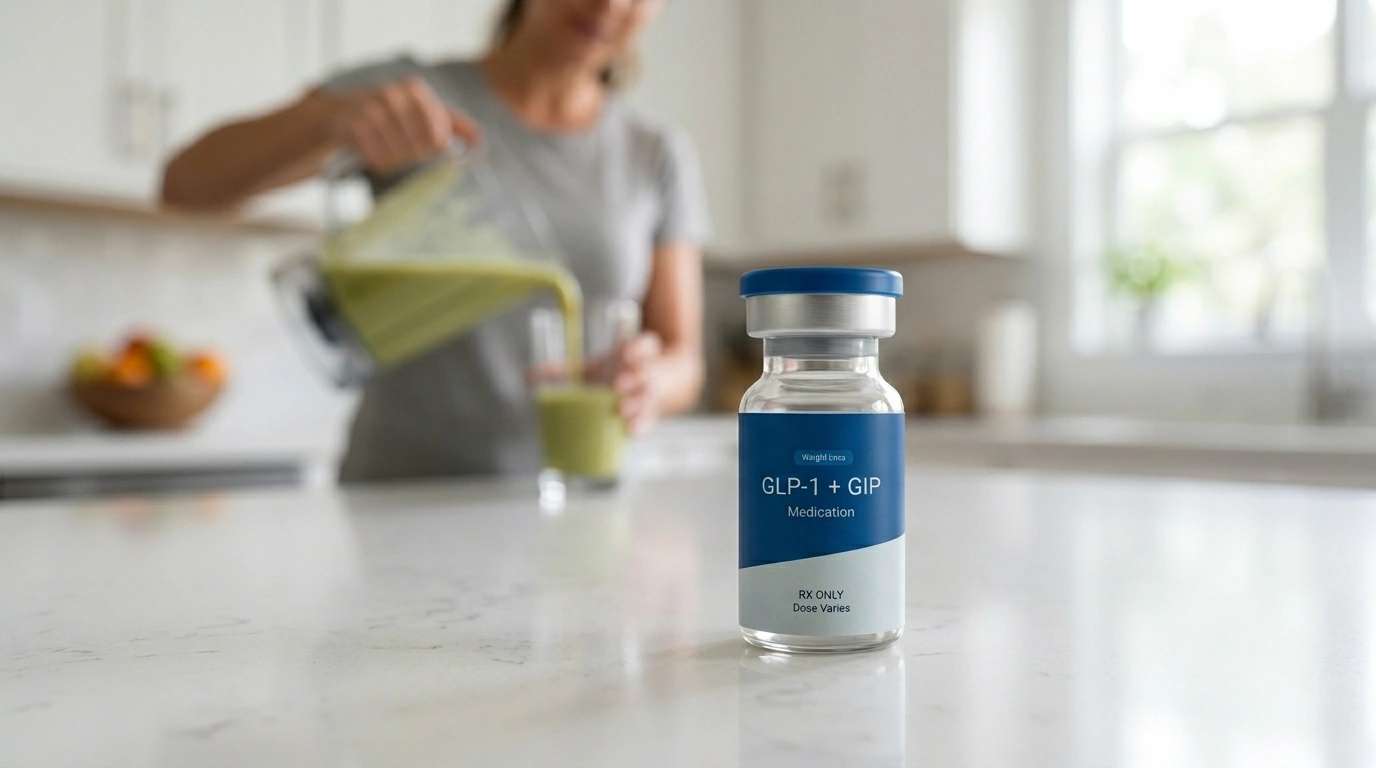
Zepbound® is a branded medication containing the active ingredient tirzepatide. It is a dual GLP-1 (glucagon-like peptide-1) and GIP (glucose-dependent insulinotropic polypeptide) receptor agonist. These are hormones your body naturally produces to regulate hunger and blood sugar levels. By mimicking these hormones, the medication slows down how quickly your stomach empties and signals to your brain that you are full.
Because you are consuming significantly fewer calories, you are also consuming fewer vitamins and minerals. This is known as a nutritional gap. If your daily intake drops from 2,500 calories to 1,200 calories, you are essentially cutting your intake of essential nutrients by more than half. Without a focused plan, this can lead to deficiencies that cause fatigue, hair thinning, or muscle weakness. Furthermore, the slowed digestion process can sometimes change how your body absorbs oral supplements.
Quick Answer: Most individuals on Zepbound® benefit from taking Vitamin B12 for energy, Vitamin D for bone health, Magnesium for digestive regularity, and high-quality protein to prevent muscle loss. A personalized supplement plan should always be discussed with a licensed healthcare provider to ensure it meets your specific health needs.
Essential Vitamins for Energy and Focus
One of the most common complaints for those starting a GLP-1 or GIP medication is a feeling of midday fatigue or “brain fog.” This often stems from the body adjusting to a lower caloric intake and potential shifts in blood sugar regulation.
For a broader look at nutrient support during GLP-1 treatment, our guide on what supplements to take with GLP-1 is a helpful place to start.
Vitamin B12 and the B-Complex
Vitamin B12 is critical for nerve function, DNA synthesis, and the formation of red blood cells. Since many people on a weight loss program naturally reduce their intake of heavy meats, their B12 levels may drop. Fatigue is a primary symptom of low B12. We often see patients report a significant improvement in energy when they supplement with a high-quality B12, particularly in the form of methylcobalamin. This form is often easier for the body to process and utilize effectively. A full B-complex vitamin can also support your metabolism by helping your body convert the food you do eat into usable cellular energy.
Vitamin D3 and Vitamin K2
Vitamin D3 acts more like a hormone than a simple vitamin. It is essential for immune function, mood regulation, and calcium absorption. Research suggests that many individuals struggling with weight have underlying Vitamin D deficiencies. As you lose weight, your body’s need for this nutrient remains high to protect your bone mineral density.
We recommend pairing Vitamin D3 with Vitamin K2. While Vitamin D helps you absorb calcium, Vitamin K2 acts as a “traffic cop,” ensuring that the calcium goes into your bones and teeth rather than depositing in your arteries. This combination is vital for maintaining skeletal strength during periods of rapid weight change.
Managing Digestive Health and Comfort
The way Zepbound® works to slow digestion is excellent for satiety, but it can sometimes lead to uncomfortable gastrointestinal side effects. Proper supplementation can help keep your digestive system moving smoothly.
Magnesium: The Multi-Tasker
Magnesium is involved in over 300 biochemical reactions in the human body. For those on tirzepatide, it serves two major purposes: supporting muscle relaxation and aiding digestion. Because the medication slows gastric emptying, constipation is a frequent side effect. Stool can sit in the colon longer, becoming dehydrated and difficult to pass.
- Magnesium Citrate: This form has a mild osmotic effect, drawing water into the intestines to help alleviate constipation.
- Magnesium Glycinate: This form is highly absorbable and is less likely to cause a laxative effect. It is excellent for supporting better sleep, reducing muscle cramps, and managing stress.
If you need additional nutritional support during GLP-1 treatment, the GLP-1 Daily Support supplement is designed to help fill common gaps.
The Role of Supplemental Fiber
When food intake is low, it is difficult to reach the recommended 25 to 30 grams of fiber daily. Fiber is essential for maintaining the health of your gut microbiome and ensuring regular bowel movements. If you cannot meet your fiber goals through vegetables and whole grains alone, a soluble fiber supplement can be a helpful addition. It also helps stabilize blood sugar levels, which supports the work the medication is already doing.
Key Takeaway: Prioritizing “The Big Three”—B12, Vitamin D, and Magnesium—can help mitigate the most common complaints of fatigue and digestive discomfort associated with tirzepatide.
Preventing Muscle Loss and Supporting Metabolism
When the body is in a significant calorie deficit, it looks for energy wherever it can find it. If you do not provide enough protein and specific nutrients, your body may break down lean muscle tissue for fuel. This is problematic because muscle is the primary driver of your resting metabolic rate.
Protein as a “Supplement”
While not a vitamin, protein is the most important macro-nutrient to prioritize. Losing muscle can lead to a “plateau” where weight loss stalls because your metabolism has slowed down. To protect your lean mass, you should aim for a high protein intake. For many, a high-quality whey or plant-based protein shake is the easiest way to reach these goals when appetite is low. We often suggest using a protein supplement as a “nutritional insurance policy” to ensure you meet your daily baseline.
Vitamin C and Collagen
Rapid weight loss can put stress on your skin’s elasticity. Vitamin C is a necessary co-factor for the body to produce collagen, the structural protein that keeps skin firm. Taking Vitamin C alongside a collagen peptide supplement may support skin health and joint integrity. This can be particularly helpful for individuals losing a significant amount of weight who want to maintain their skin’s natural appearance.
Addressing Hair Thinning and Skin Changes
Some people notice increased hair shedding during their weight loss journey. This is typically a temporary condition called telogen effluvium. It is not caused by the medication itself, but rather by the physiological stress of rapid weight loss and potential nutrient gaps.
For a related look at B12 during treatment, you may also find this semaglutide and B12 guide helpful.
Biotin (Vitamin B7) and Zinc
Biotin and Zinc are essential for the growth and repair of tissues, including hair and nails. While biotin will not stop the initial shedding caused by the stress of weight loss, it provides the building blocks for new hair to grow back thicker and stronger. Zinc also plays a vital role in immune function and protein synthesis, making it a critical mineral for overall recovery during a transformation.
Omega-3 Fatty Acids
Omega-3s, typically found in fish oil, are powerful anti-inflammatory agents. They support heart health, brain function, and skin hydration. Since inflammation can sometimes interfere with metabolic health, keeping your Omega-3 levels optimal supports a healthy internal environment for weight loss.
The Importance of Hydration and Electrolytes
As your body begins to burn stored fat and use up glycogen, it also releases a significant amount of water. This can lead to dehydration and a loss of essential minerals called electrolytes.
Sodium, Potassium, and Magnesium
If you experience headaches, dizziness, or muscle weakness, you might be low on electrolytes. These minerals carry an electrical charge that helps your muscles contract and your nerves send signals. Adding a sugar-free electrolyte powder to your water can help maintain your hydration levels. This is especially important during the first few weeks of treatment or whenever your dosage increases.
Bottom line: Hydration is about more than just water; it requires a balance of minerals to keep your cellular energy levels stable and prevent common “keto-like” side effects.
How to Start a Personalized Supplement Plan
Every person’s body responds differently to weight loss medication. Your age, activity level, and starting health profile all dictate what your body needs. At TrimRx, we emphasize that there is no one-size-fits-all approach to supplementation.
Step-by-Step Supplement Integration
Step 1: Consult with a licensed healthcare provider. Before starting any new supplement, it is vital to discuss it with a professional who understands your medical history and current prescriptions.
Step 2: Start with the basics. Don’t feel the need to take ten different pills on day one. Start with a high-quality multivitamin and protein support, then add specific nutrients like Magnesium or B12 based on how you feel.
Step 3: Monitor your symptoms. Keep a log of your energy levels, digestion, and sleep. If you feel sluggish, you may need more B12. If you are cramped, you may need more Magnesium.
Step 4: Prioritize quality over quantity. Choose supplements that are third-party tested for purity. This ensures you are getting exactly what is on the label without unnecessary fillers.
Supporting Your Journey with TrimRx
We understand that managing a prescription program can feel overwhelming. Our platform is designed to simplify the process by connecting you with licensed providers who can offer personalized guidance. Whether you are using Compounded Semaglutide, Compounded Tirzepatide, or other programs, we provide the tools you need to succeed.
Beyond medications, we offer targeted support products. For those looking for immediate access to nutrient support, our GLP-1 Daily Support is designed to bridge common nutritional gaps. For those who need an extra metabolic edge, our Weight Loss Boost can provide the assistance needed to stay on track. These supplements are available without a prescription and are formulated to complement a healthy lifestyle.
If you are still exploring your access options, our article on how to get Zepbound for weight loss explains the next steps in more detail.
Common Mistakes to Avoid
When choosing vitamins while on Zepbound®, it is easy to fall into a few common traps.
- Ignoring Protein: Many people focus so much on vitamins that they forget their muscles need amino acids to survive a calorie deficit.
- Taking Supplements on an Empty Stomach: Because Zepbound® slows digestion, taking several vitamins on an empty stomach can lead to nausea. Try taking your supplements with a small, protein-rich meal.
- Assuming a “Gummy” is Enough: While convenient, gummy vitamins often contain added sugars and may have lower concentrations of key minerals like Magnesium or Zinc compared to capsules or powders.
- Inconsistent Hydration: Vitamins need water to be processed and transported through the body. If you are dehydrated, your supplements won’t work as effectively.
Creating a Sustainable Routine
The goal of using medication like Zepbound® is to improve your health, not just to change the number on the scale. By paying attention to your micronutrient intake, you are investing in your future self. You are ensuring that once you reach your goal weight, you have the muscle mass, bone density, and energy levels to enjoy your new lifestyle.
At TrimRx, our mission is to provide a transparent and empathetic approach to weight loss. We believe that by merging clinical expertise with personalized support, we can help you navigate the complexities of metabolic health. Weight loss is a marathon, and the right nutrients act as the fuel that keeps you moving toward the finish line.
Key Takeaway: Supplements are meant to enhance a healthy diet, not replace it. Focus on nutrient-dense foods first, and use targeted vitamins to fill the gaps created by a reduced appetite.
Conclusion
Taking Zepbound® is a powerful step toward better health, but it requires a mindful approach to nutrition. By focusing on essential vitamins like B12 and D3, ensuring adequate magnesium and electrolyte intake, and prioritizing protein, you can manage side effects and protect your metabolic health. Remember that your journey is unique. What works for one person may not be exactly what your body requires.
We are here to support you with personalized programs and expert-backed resources. If you are ready to take the next step in your weight loss journey, we invite you to explore our platform. Whether you need a comprehensive medical assessment or quick-access supplements to support your current routine, we are dedicated to helping you achieve sustainable, healthy results. Take our free assessment quiz today to see how a personalized program can help you reach your goals.
FAQ
Can I take a regular multivitamin while on Zepbound®?
Yes, a high-quality multivitamin is often recommended to fill the general nutritional gaps caused by a reduced appetite. However, a standard multivitamin may not contain enough Magnesium or Vitamin B12 to address the specific side effects associated with GLP-1 and GIP medications. You may need to add targeted supplements based on your symptoms and provider’s advice.
Will taking vitamins help with the nausea caused by Zepbound®?
While vitamins themselves don’t typically cure nausea, managing your overall health can make side effects more tolerable. Vitamin B6 is sometimes used to help with nausea, and ensuring you are well-hydrated with electrolytes can prevent the dizziness that often accompanies stomach upset. It is best to take your vitamins with a small amount of food to avoid further irritating your stomach.
Is it safe to take biotin for hair loss while on this medication?
Biotin is generally considered safe and is a common supplement for those experiencing hair thinning during weight loss. It is important to note that biotin can interfere with certain lab tests, such as thyroid panels. Always inform your healthcare provider about any supplements you are taking before having blood work done.
Why do I need extra magnesium while taking tirzepatide?
Tirzepatide slows down the movement of food through your digestive system, which can lead to constipation as the colon absorbs more water from the waste. Magnesium helps by drawing water back into the intestines and supporting the muscles responsible for bowel movements. It is one of the most effective ways to manage digestive slowing without relying on harsh stimulants.
Disclaimer: This content is for informational purposes only and does not constitute medical advice. It is not intended to diagnose, treat, cure, or prevent any disease or condition. Individual results may vary. Always consult a qualified healthcare professional before starting any weight loss program or medication.

Transforming Lives, One Step at a Time
Keep reading

Why Is There a Bruise Where I Injected My Zepbound?
A bruise means a small blood vessel was disturbed under the skin and blood spread into the surrounding tissue. It is one of the…

My Zepbound Pen Won’t Click Past a Certain Dose
Start by checking which device you are holding, because the answer depends entirely on that. Zepbound has commonly been supplied in the United States…

Zepbound Alternatives: Your Options Compared
If Zepbound isn’t the right fit, the main alternative is semaglutide (sold as Wegovy), which produces slightly less weight loss but works similarly, along…


