Can You Take Zepbound Cold? Storage and Injection Comfort Tips
Introduction
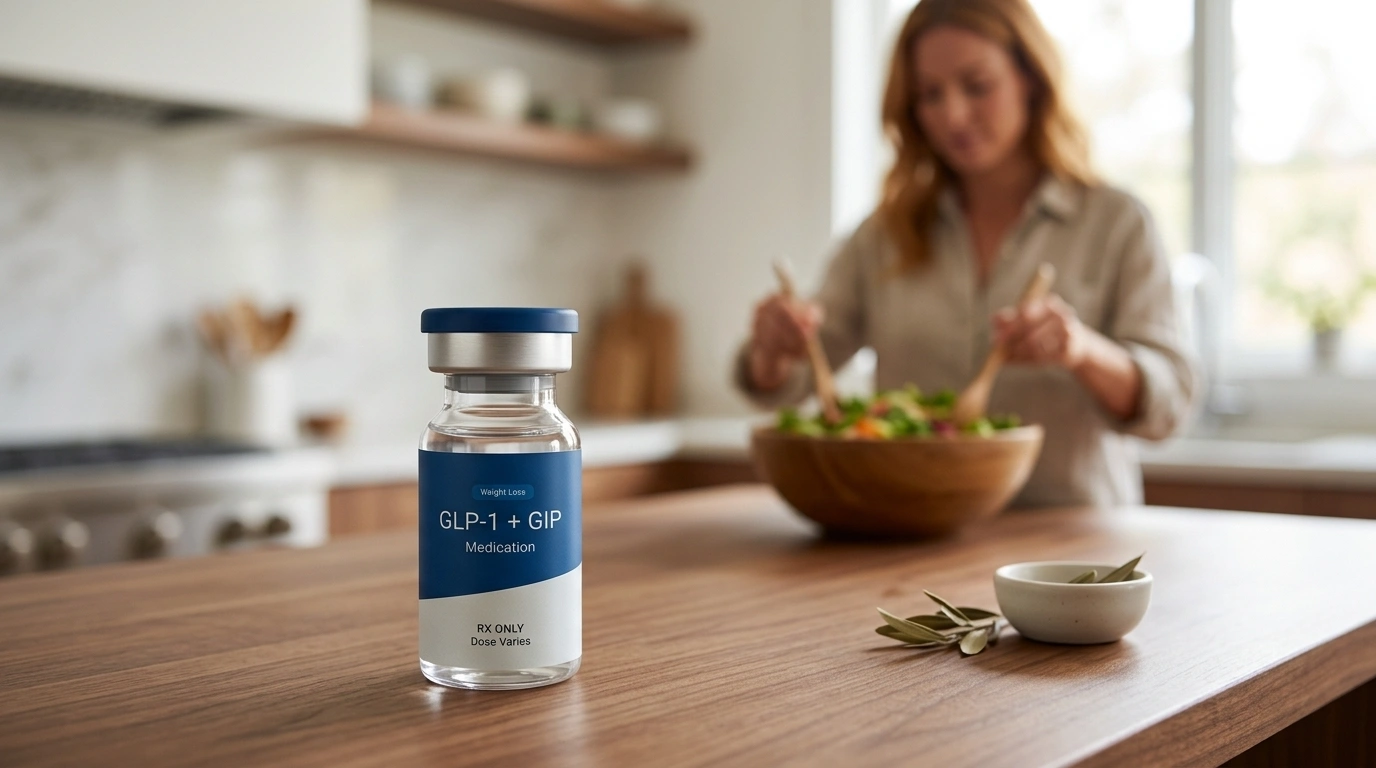
Standing in your kitchen with a Zepbound® pen in hand, you might find yourself hesitating as you feel the chilled glass against your palm. You just pulled the medication from the refrigerator, and the question is simple: can you take it while it is still cold, or should you wait? At TrimRx, we understand that the small details of a weight loss journey—like the temperature of an injection—can cause unnecessary stress when you are focused on long-term metabolic health. This article explores the safety and comfort considerations of injecting tirzepatide at different temperatures. We will cover why many people choose to let their medication warm up, how to store your pens to maintain their effectiveness, and what to expect during your weekly routine. While it is medically safe to inject the medication cold, understanding how temperature affects the sensation can make your experience much more comfortable.
If you are exploring prescription weight loss support, you can complete a free eligibility assessment to see whether a personalized program may be appropriate for you.
Quick Answer: Yes, you can safely inject Zepbound® cold without affecting its weight loss benefits or clinical efficacy. However, most individuals find that allowing the medication to sit at room temperature for 30 to 45 minutes significantly reduces the stinging or “biting” sensation often associated with refrigerated injections.
The Science of Temperature and Injections
When you are prescribed Zepbound® (the brand name for the medication tirzepatide), you are using a sophisticated biologic medication. Tirzepatide is a dual-agonist, meaning it mimics two different hormones in your body: glucagon-like peptide-1 (GLP-1) and glucose-dependent insulinotropic polypeptide (GIP). These hormones help regulate your appetite and how your body processes sugar.
Because this medication is a protein-based peptide, it is sensitive to the environment. However, that sensitivity primarily relates to long-term storage rather than the few seconds it takes to perform an injection. There is no evidence to suggest that the temperature of the liquid at the moment of entry into your subcutaneous fat (the layer of fat just under the skin) impacts how well the drug works.
For additional background, read this overview of how GLP-1 medications work.
Why Cold Injections Feel Different
If the medication works the same regardless of temperature, you might wonder why so many people talk about warming it up. The answer lies in the physics of fluids and your body’s sensory receptors.
Viscosity and Pressure
Cold liquids are generally more viscous, or thicker, than room-temperature liquids. When the automated pen fires, it pushes that liquid through a very fine needle at a high speed. A thicker, colder liquid can create a greater sensation of pressure as it enters the tissue.
Thermal Contrast
Your internal body temperature is roughly 98.6°F. When you inject a substance that is 40°F (typical refrigerator temperature), your sensory nerves detect a significant thermal shock. This contrast often manifests as a sharp sting or a lingering ache at the site. By allowing the medication to reach room temperature, you narrow the gap between the medication and your body, leading to a much milder sensation.
For more comfort strategies, review this guide to tirzepatide injection discomfort.
Proper Storage Guidelines for Tirzepatide
Understanding how to store your medication is vital for ensuring every dose is as effective as the first. While the injection can be cold, the storage must be precise.
For a broader explanation of tirzepatide storage, travel, and handling, review the related TrimRx guide.
The Refrigerator Rule
The manufacturer recommends storing Zepbound® in the refrigerator between 36°F and 46°F (2°C to 8°C). The best place for your medication is usually on a middle shelf. Avoid the very back of the fridge, where items can sometimes partially freeze, and avoid the door, where the temperature fluctuates every time you open it to grab a snack.
The 21-Day Room Temperature Window
One of the most convenient features of this medication is its stability at room temperature for a limited time. You can keep your pen out of the refrigerator for up to 21 days, provided the temperature does not exceed 86°F (30°C).
This room-temperature allowance is helpful for:
- Travel: You can carry your weekly dose in your bag without needing a bulky cooler for short trips.
- Routine: You can take your pen out the night before your injection day so it is ready when you wake up.
- Comfort: You can keep your current month’s supply in a cool, dark drawer instead of the kitchen fridge.
Key Takeaway: Once a pen has reached room temperature, it should not be returned to the refrigerator for long-term storage. Use it within 21 days or discard it safely.
| Storage Method | Temperature Range | Duration |
|---|---|---|
| Refrigerator | 36°F – 46°F | Until expiration date |
| Room Temperature | Up to 86°F | Maximum 21 days |
| Freezer | Below 32°F | Never use |
For another practical explanation, see Zepbound storage rules and safety tips.
How to Safely Warm Your Medication
If you decide that a room-temperature injection is more your style, you must warm it correctly. It is tempting to speed up the process, but your medication is delicate.
The 30-Minute Rule
The safest and most effective way to warm your pen is to simply let it sit. Take the pen out of the refrigerator and place it on a clean, dry surface. Avoid placing it in direct sunlight, such as a windowsill, as UV light can degrade the medication. Most users find that 30 to 45 minutes is the “sweet spot” where the pen no longer feels cold to the touch.
You can also review this step-by-step guide to taking Zepbound straight from the fridge.
Mistakes to Avoid
In a rush, you might consider alternative warming methods. These are dangerous and can ruin your prescription:
- No Microwaves: Microwaves heat unevenly and can “cook” the proteins in tirzepatide, making it useless.
- No Hot Water: Submerging the pen in water can damage the internal spring mechanism or contaminate the needle area.
- No Body Heat: While some suggest holding the pen in your hand or armpit, this can sometimes lead to accidental triggers of the injection button if the pen is handled too much. It is better to let it sit undisturbed.
Note: Never use a hair dryer or any external heat source to warm your Zepbound® pen. Excessive heat (above 86°F) will cause the medication to break down quickly.
Step-by-Step Preparation for a Comfortable Injection
Creating a consistent routine can help reduce “needle anxiety” and ensure you get the full dose every time.
Step 1: Inspect the Liquid
Before you let the pen warm up, look through the transparent window. The liquid should be clear and colorless to slightly yellow. If you see particles, cloudiness, or any discoloration, do not use that pen. This is also the time to check the expiration date printed on the side.
Step 2: The Waiting Period
Set the pen on your nightstand or counter. If you are worried about forgetting, set a timer on your phone for 30 minutes.
Step 3: Choose Your Site
The best places for a subcutaneous injection are the abdomen (at least two inches away from the belly button), the front of the thighs, or the back of the upper arms.
For more guidance, review this practical guide to where to give a tirzepatide shot.
Step 4: Clean the Area
Use a fresh alcohol swab to clean the skin. A critical tip for reducing sting: wait for the alcohol to dry completely. Injecting through wet alcohol is one of the most common causes of a sharp, localized sting.
Step 5: Perform the Injection
Follow the specific instructions for your pen. Usually, this involves removing the base cap, placing the base flat against your skin, unlocking the device, and pressing the button. You will typically hear two clicks—one when the injection starts and another when it is finished.
Step 6: Dispose Safely
Immediately place the used pen in an FDA-cleared sharps container. If you do not have one, a heavy-duty plastic container with a screw-top lid (like a laundry detergent bottle) can work in a pinch until you can dispose of it at a designated site.
Managing Common Injection Site Reactions
Even with a room-temperature injection, some individuals experience localized reactions. These are usually not a cause for alarm, but knowing how to manage them can improve your experience.
For a broader overview, read about GLP-1 injection site reactions and ways to manage them.
Redness and Itching
It is common to see a small red circle or feel a bit of itching at the site. This is often the body’s natural reaction to the needle or the volume of liquid being introduced into the tissue. To minimize this:
- Rotate Your Sites: Never inject in the exact same spot two weeks in a row. Imagine your abdomen as a clock and move the injection site a few hours every week.
- Don’t Rub: Avoid rubbing or massaging the area immediately after clicking the pen. This can actually spread the medication into the skin layers rather than the fat, increasing irritation.
Bruising
A small bruise can occur if the needle hits a tiny capillary. This is more common if you are lean or if you press the pen too hard against your skin. A firm, steady pressure is all that is needed; you do not need to “shove” the pen into the tissue.
Myth: A lack of a “sting” means the medication didn’t go in. Fact: Modern injection pens are designed to be as painless as possible. If you heard the clicks and the plunger moved, the medication was delivered, regardless of whether you felt a sting.
If you experience persistent or worsening irritation, see this guide to tirzepatide injection-site reactions.
The TrimRx Approach to Personalized Support
Navigating the world of GLP-1 and GIP medications can feel complex, especially when you are managing side effects or storage questions on your own. Our platform provides more than just a connection to medication; we offer a structure for success. Our mission is to help individuals embrace healthier lifestyles through science, empathy, and a transparent, personalized approach.
When you participate in a program through TrimRx, you are not just getting a prescription. You are gaining access to a dedicated team of specialists who understand the nuances of metabolic health. Whether you are using Compounded Semaglutide, Compounded Tirzepatide, or seeking guidance on branded options like Zepbound® or Wegovy®, our telehealth-first model ensures you have support 24/7 without ever needing to step into a waiting room.
If you are ready to explore whether a personalized prescription program may be appropriate, take the free assessment quiz.
We believe that weight loss is a deeply personal journey. That is why our programs are tailored to your specific health profile, medical history, and goals. By merging clinical expertise with modern technology, we make it easier for you to stay consistent and achieve sustainable results.
Traveling with Your Medication
For many, the question of “taking it cold” arises during travel. If you are going on a trip, you have a few options to keep your medication safe and effective.
For more travel-focused guidance, read about tirzepatide storage and handling during travel.
Air Travel and TSA
If you are flying, always keep your medication in your carry-on luggage. The cargo hold of an airplane is not temperature-controlled and can drop below freezing, which would ruin the medication. Per TSA guidelines, you are allowed to carry your pre-filled pens and even cooling packs through security. It is helpful to keep them in their original packaging with the pharmacy label attached to avoid questions.
Using a Travel Cooler
If you are traveling for more than 21 days or to a very hot climate, a small medical-grade travel cooler can be a great investment. These are designed to keep pens between 36°F and 46°F using specialized gel packs. Just remember: do not let the pen touch the ice pack directly, as this could lead to localized freezing. Wrap the pen in a small piece of bubble wrap or a cloth for insulation.
Road Trips
Never leave your medication in a parked car. On a warm day, the interior temperature of a car can exceed 100°F in minutes, well above the 86°F safety limit for tirzepatide. Always take your medication with you when you leave the vehicle for meals or stops.
Understanding the Bigger Picture of Metabolic Health
While the temperature of your injection is a practical concern, it is part of a much larger strategy for improving your health. Medications like tirzepatide are powerful tools, but they work best when integrated into a comprehensive lifestyle plan.
The Role of Nutrition
As your appetite decreases on a GLP-1 or GIP medication, the quality of the food you eat becomes even more important. Focusing on high-quality protein and fiber can help you maintain muscle mass and digestive health while losing weight. For those looking to optimize their results, we offer quick-access supplements like GLP-1 Daily Support, which is designed to support the body’s natural pathways during treatment.
Consistency is Key
The primary reason we discuss injection comfort is that discomfort can lead to “dread.” If you dread your weekly dose because it stings, you are more likely to skip it or delay it. By taking the 30 minutes to let your pen warm to room temperature, you remove a barrier to consistency. In the world of weight management, staying the course is what leads to the metabolic changes you are looking for.
Key Takeaway: Sustainable weight loss is the result of small, consistent habits. Making your weekly injection a comfortable, stress-free ritual is a small but vital part of that success.
Final Considerations for Starting Your Journey
If you are just beginning your research into medications like Zepbound® or other tirzepatide-based treatments, the process can seem daunting. The first step is often the most important one. Many individuals start by completing a free assessment quiz, which helps determine eligibility and connects you with a licensed healthcare provider who can tailor a program to your needs.
This personalized approach ensures that you aren’t just taking a medication, but you are being monitored and supported throughout the entire process. From managing the initial side effects—like the nausea or fatigue some people experience—to adjusting your dosage as you progress, having a clinical team available via telehealth makes the journey feel manageable.
Conclusion
Whether you choose to inject your Zepbound® straight from the refrigerator or wait for it to reach room temperature, the most important factor is that you are taking a proactive step toward your health. Injecting it cold is perfectly safe and clinically effective, though it may result in a brief sting. Allowing the pen to sit out for 30 minutes is a simple way to make the process more comfortable.
Always remember the golden rules of storage: keep it in the fridge for long-term use, never let it freeze, and respect the 21-day room temperature limit. By following these best practices, you ensure that the medication remains a powerful ally in your weight loss journey.
At TrimRx, we are committed to providing you with the tools, the medication, and the clinical support necessary to transform your health. Our science-backed, empathetic approach is designed to meet you where you are and guide you toward where you want to be.
- Take the pen out 30 minutes before use.
- Check the liquid for clarity.
- Clean the site and let the alcohol dry.
- Rotate your injection sites weekly.
If you are ready to take the next step, see if you qualify for a personalized program.
FAQ
What happens if I accidentally inject Zepbound cold?
Nothing harmful will happen to your body or the effectiveness of the medication. The active ingredient, tirzepatide, works exactly the same way whether it is cold or at room temperature. The only downside is that you might experience a sharper stinging sensation or localized discomfort at the injection site for a few minutes.
Can I put Zepbound back in the fridge after it reaches room temperature?
According to the manufacturer, once a Zepbound® pen has reached room temperature, it should not be returned to the refrigerator for long-term storage. You should use the pen within 21 days of it leaving the fridge. This is because the repeated “cycling” of temperatures can eventually affect the stability of the proteins in the medication.
For more detail, review what to know about Zepbound storage outside the refrigerator.
How do I know if my Zepbound has frozen in the fridge?
If you see ice crystals inside the pen, or if the liquid appears cloudy or “clumpy” after it thaws, it has likely frozen. Freezing temperatures break down the chemical structure of tirzepatide, making it ineffective. If you suspect your pen has frozen, do not use it; discard it and contact your provider for guidance.
Can I use a heating pad to warm up my pen?
No, you should never use a heating pad, microwave, or hot water to warm your medication. These methods can easily push the temperature above 86°F, which is the safety limit. Excessive heat will cause the medication to degrade rapidly, meaning it may no longer help you manage your appetite or weight effectively.
Disclaimer: This content is for informational purposes only and does not constitute medical advice. It is not intended to diagnose, treat, cure, or prevent any disease or condition. Individual results may vary. Always consult a qualified healthcare professional before starting any weight loss program or medication.

Transforming Lives, One Step at a Time
Keep reading

Can You Eat Clam Chowder on Zepbound?
Clam chowder is a seaside classic, often served in a bread bowl on a chilly day. New England chowder is thick, creamy, and rich…

Can You Eat Korean BBQ on Zepbound?
Korean barbecue is a social, hands-on meal: platters of marinated meats grilled at the table, surrounded by small side dishes called banchan, with lettuce…
Can You Eat Brownies on Zepbound?
Brownies are a classic homemade treat, a bake sale staple, and a common office snack. They are also dense, rich, and very sweet, made…


