Navigating Your Zepbound Journey: Understanding Long-Term Weight Management
Introduction
The struggle with weight can feel like a lifelong battle, marked by countless diets, fleeting successes, and often, the disheartening return of lost pounds. For many, the conventional wisdom of “eat less, move more” falls short against the complex physiological and hormonal realities of obesity. This chronic condition, much like diabetes or high blood pressure, often requires ongoing management, yet the idea of long-term medication can spark questions and concerns. How long do I have to take Zepbound, for instance, is a deeply personal and significant question for anyone considering this innovative treatment path.
At TrimRx, our journey began with a shared vision to help individuals embrace healthier lifestyles by merging cutting-edge telehealth innovations with effective weight loss solutions. We understand that sustainable weight loss should be achieved through science, empathy, and a transparent approach. This post aims to demystify the role of Zepbound in chronic weight management, offering clarity on its intended duration of use, its mechanisms, and what a long-term commitment might entail. We’ll explore the science behind this medication, the importance of consistent treatment, and how a personalized, medically supervised approach can transform your health journey. By the end, you will have a comprehensive understanding of Zepbound’s role in sustained weight loss and how we empower individuals to achieve lasting results through our supportive, results-oriented programs.
The Chronic Nature of Obesity and the Role of Modern Medications
Obesity is a complex, multifactorial disease, not merely a lack of willpower. It’s recognized as a chronic medical condition by major health organizations, affecting millions worldwide. This understanding is critical because it reframes weight loss not as a temporary endeavor, but as an ongoing process that often requires sustained intervention. Just as you wouldn’t expect to take blood pressure medication for a few months and then stop if your hypertension is chronic, managing obesity effectively often demands a long-term strategy.
The human body possesses powerful compensatory mechanisms designed to resist weight loss and encourage weight regain. When we lose weight, our bodies can respond by increasing hunger hormones, decreasing satiety hormones, and lowering resting metabolism. These physiological adaptations make maintaining weight loss incredibly challenging for many, highlighting why modern medical interventions have become so vital.
Shifting Perspectives on Weight Management
For decades, the focus was almost exclusively on diet and exercise. While these remain cornerstones of a healthy lifestyle, they are often insufficient alone for individuals with obesity due to the complex biological factors at play. The advent of medications like Zepbound represents a paradigm shift, offering tools that work with the body’s own systems to help regulate appetite, reduce cravings, and support sustainable weight reduction.
Our philosophy at TrimRx aligns perfectly with this evolved understanding. We believe that true, sustainable weight loss requires a comprehensive approach that respects the biological realities of obesity. That’s why our platform is a user-friendly and supportive space where individuals receive personalized, medically supervised care—all designed to make sustainable weight loss attainable and tailored to the individual.
Zepbound Explained: A Dual-Action Approach
Zepbound, the brand name for tirzepatide, is a groundbreaking medication that has garnered significant attention for its effectiveness in weight management. Approved by the FDA for chronic weight management in adults with obesity or those who are overweight with at least one weight-related condition (such as high blood pressure, type 2 diabetes, or high cholesterol), Zepbound offers a new horizon for many.
How Zepbound Works
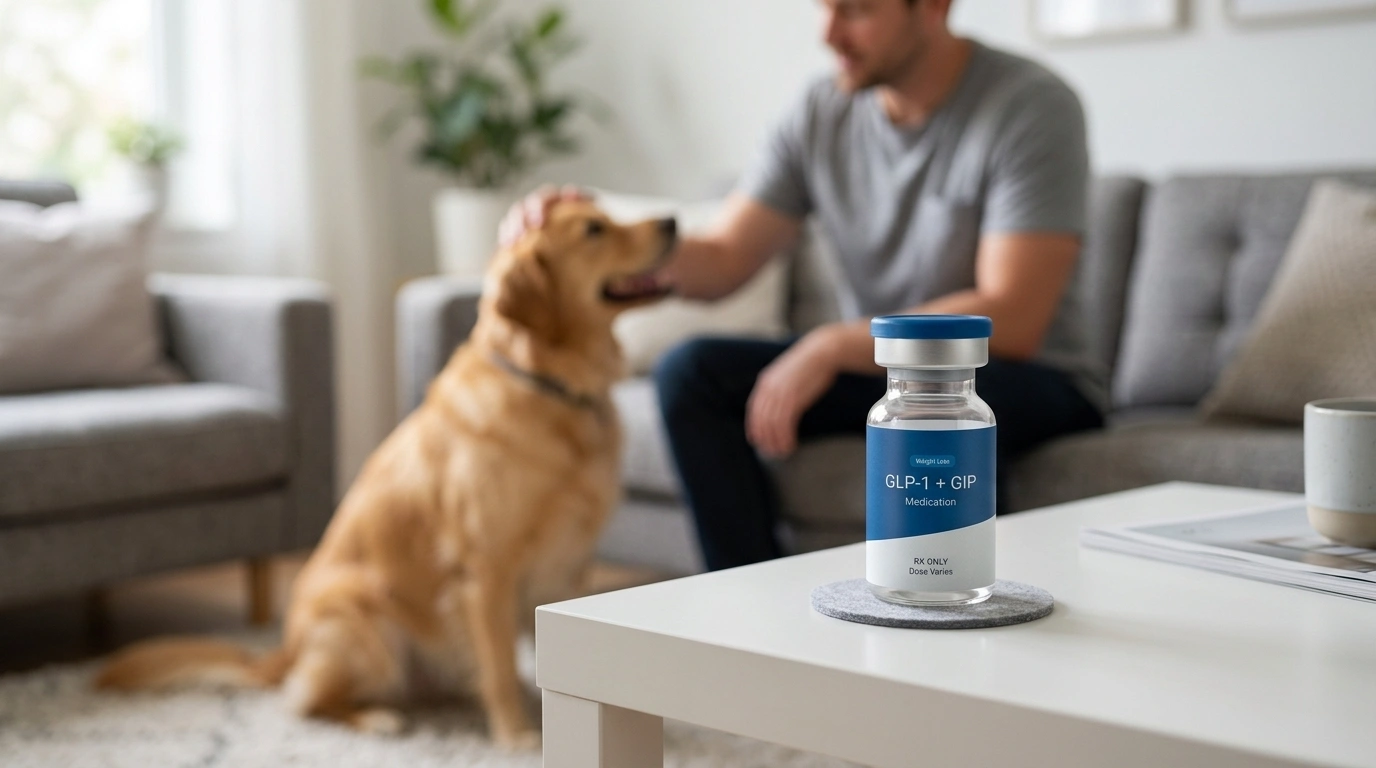
Zepbound stands out because it’s a dual agonist, meaning it activates two types of hormone receptors in the body: Glucose-dependent Insulinotropic Polypeptide (GIP) and Glucagon-like Peptide-1 (GLP-1). These are natural incretin hormones that play crucial roles in appetite regulation and glucose metabolism.
- GLP-1 Receptor Agonism: Similar to other medications in its class, Zepbound mimics GLP-1, which slows gastric emptying (making you feel fuller longer), reduces appetite, and signals to the brain to decrease food intake. It also helps the pancreas release insulin in response to high blood sugar.
- GIP Receptor Agonism: Zepbound’s unique addition of GIP agonism amplifies these effects. GIP is another hormone that helps with insulin secretion and regulates glucose and lipid metabolism. By targeting both GIP and GLP-1 receptors, Zepbound offers a more comprehensive approach to appetite suppression and metabolic improvement, leading to more significant weight loss in clinical trials compared to GLP-1-only medications.
These combined actions result in feeling fuller sooner, experiencing reduced cravings, and a quieter “food noise”—those frequent, intrusive thoughts about food that can undermine weight loss efforts.
The Science of Sustained Weight Loss with Zepbound
Clinical studies have provided compelling evidence for Zepbound’s efficacy. In the SURMOUNT-4 study, participants initially lost an average of approximately 20.9% of their starting weight over 36 weeks while on tirzepatide. A crucial finding emerged when, after 36 weeks, roughly half of these participants were switched to a placebo, while others continued on the medication. Those who transitioned to the placebo regained a significant amount of their weight, ending up only about 9.9% below their starting weight at 88 weeks. In stark contrast, those who continued Zepbound maintained their weight loss, averaging 25.3% below their starting weight at 88 weeks.
This powerful research underscores a critical point: Zepbound, like many treatments for chronic conditions, is designed for long-term use to sustain its benefits. This evidence forms the backbone of why addressing “how long do I have to take Zepbound” leads to the understanding that it is often a sustained commitment for sustained results.
So, How Long Do I Have to Take Zepbound?
The answer to “how long do I have to take Zepbound” is nuanced, but largely points towards long-term, possibly indefinite, use for most individuals aiming for sustained weight management. Given that obesity is a chronic disease with physiological mechanisms that promote weight regain, medications like Zepbound are intended to be a long-term part of a comprehensive health strategy.
Obesity as a Chronic Condition
Think of obesity not as a temporary illness but as a chronic health condition, much like hypertension or type 2 diabetes. For these conditions, medication is often taken continually to manage symptoms and prevent complications. If you stop taking medication for high blood pressure, your blood pressure will likely rise again. Similarly, discontinuing Zepbound can lead to the reversal of its beneficial effects on appetite, metabolism, and ultimately, weight.
The studies on Zepbound, particularly the SURMOUNT-4 trial, strongly support this perspective. The significant weight regain observed in participants who switched to a placebo demonstrates that Zepbound is not a short-term fix but a tool for ongoing management. Its role is to help counteract the body’s natural tendency to regain weight after initial loss, allowing individuals to maintain their achievements over time.
The Concept of a Maintenance Dose
Your journey with Zepbound typically begins with a low starting dose, which is gradually increased over several weeks or months. This titration process allows your body to adjust to the medication, minimizing potential side effects. Once an effective and tolerable dose is reached – often 5 mg, 10 mg, or 15 mg weekly – this becomes your “maintenance dose.” This is the dose you would continue taking long-term to maintain the weight loss and associated health benefits.
The decision on your optimal maintenance dose and the duration of your treatment will always be made in close consultation with a healthcare provider. They will assess your individual response, weight loss goals, and any potential side effects to tailor a plan that works best for you.
For those considering if they qualify for Zepbound or other prescription weight loss medications, we invite you to take our free assessment quiz. This is the first step towards a personalized treatment plan designed to address your unique health needs.
The TrimRx Approach to Long-Term Zepbound Treatment
At TrimRx, we understand that embarking on a long-term weight management journey requires unwavering support, expert guidance, and access to effective solutions. Our approach is built on a foundation of compassionate care that respects every individual’s unique journey, combining advanced medical science with modern technology.
Personalized and Medically Supervised Care
We emphasize that successful weight management with medications like Zepbound is not just about the medication itself, but about the comprehensive support system surrounding it. Our personalized weight loss programs include:
- Doctor Consultations: You’ll have access to medical professionals who can assess your health history, determine your eligibility for medications like Zepbound (which is provided through FDA-registered, inspected, and approved pharmacies), and provide ongoing supervision. It must be clear that TrimRx partners with these pharmacies for the shipping of weight loss medications and does not provide actual medical supervision; instead, we connect you to licensed medical professionals who provide this care.
- Medication Management: For individuals who qualify, we facilitate access to prescription weight loss medications, including Zepbound. We work exclusively with FDA-registered and inspected pharmacies to ensure the safety and quality of the medications shipped to you. For branded medications like Zepbound®, you can be confident in its FDA approval.
- Lab Work: Essential lab tests are included to monitor your health and ensure the medication is working safely and effectively for you.
- Unlimited Support: Our commitment extends beyond prescriptions. We offer continuous support to help you navigate your weight loss journey, answer questions, and adjust your plan as needed.
- Transparent Service: Our approach remains consistent regardless of dosage changes, ensuring you always know what to expect with no hidden fees. Our comprehensive service covers consultation, medication, lab work, support, and shipping.
Integrating Zepbound into a Holistic Lifestyle
While Zepbound is a powerful tool, it is most effective when used in conjunction with healthy lifestyle changes. Our programs encourage a holistic approach that includes:
- Balanced Nutrition: Guidance on making sustainable dietary choices that support weight loss and overall health.
- Regular Physical Activity: Recommendations for incorporating consistent exercise into your routine, such as 150 minutes of moderate-intensity aerobic activity and strength training at least twice a week.
- Behavioral Support: Strategies to address habits and patterns that contribute to weight gain, fostering a positive relationship with food and your body.
These modifications are not just an add-on; they are integral to maximizing the benefits of Zepbound and achieving lasting results. Our team helps you integrate these elements seamlessly into your life, ensuring that you’re not relying solely on medication but building a foundation for long-term health.
To find out if our personalized program, which may include Zepbound, is right for you, we encourage you to take our free assessment quiz.
Understanding Zepbound Dosing and Administration
For individuals considering Zepbound, understanding the practical aspects of its administration and dosing schedule is crucial. This information helps manage expectations and ensures adherence to the prescribed treatment plan.
Initial Dosing and Titration
Zepbound treatment typically begins with a recommended starting dose of 2.5 mg once weekly. This initial phase is designed to allow your body to gradually adjust to the medication, helping to minimize potential side effects. After four weeks on the 2.5 mg dose, your healthcare provider will usually increase your dose to 5 mg once weekly.
Subsequent dose adjustments are made in 2.5 mg increments after at least four weeks on the current dose. This process continues until a recommended maintenance dosage is achieved. The common maintenance doses are 5 mg, 10 mg, or 15 mg, injected subcutaneously (under the skin) once weekly. The maximum dose is 15 mg once weekly. This step-by-step process is carefully monitored by your medical provider to find the dose that is both effective for weight loss and well-tolerated by your body.
Administration Guidelines
Zepbound is a once-weekly injection that you can administer at home, with or without food. It comes in a single-dose pen or a single-dose vial. The single-dose pen is designed for ease of use, often concealing the needle from view. Your healthcare provider will guide you on the best injection sites, which typically include the stomach or thigh. If another person is administering the injection, the back of the upper arm is also an option.
Managing Your Dosing Schedule
Life happens, and schedules can change. If you need to change the day of the week you take your Zepbound dose, ensure there are at least three days (72 hours) between doses.
If you miss a dose, take it as soon as possible, provided it’s within four days (96 hours) of your scheduled dosing. If more than four days have passed, it’s generally recommended to skip the missed dose and take your next dose on your regularly scheduled day. It’s crucial not to take two doses of Zepbound within three days (72 hours) of each other. Setting a reminder on your phone can be a helpful strategy to stay on track.
Consistency in dosing is key to Zepbound’s effectiveness, and our program offers unlimited support to help you adhere to your personalized plan.
Understanding Potential Side Effects and Management
Like all medications, Zepbound can cause side effects. While many are mild and temporary, understanding them and knowing how to manage them is an important part of your treatment journey.
Common Side Effects
The most frequently reported side effects in clinical trials typically involve the gastrointestinal system and often decrease over time as your body adjusts to the medication. These include:
- Nausea
- Diarrhea
- Vomiting
- Constipation
- Stomach (abdominal) pain
- Indigestion
- Injection site reactions (e.g., redness, itching, bruising)
- Fatigue
- Belching
- Hair loss (though less common)
- Heartburn
Most instances of nausea, diarrhea, and vomiting tend to occur when doses are increased, but generally subside with continued use. If you experience any side effects that bother you or don’t go away, it’s important to talk to your healthcare provider.
Strategies for Managing Nausea
Nausea is one of the more common side effects, but there are practical strategies that may help:
- Eat smaller meals: Try splitting your three daily meals into four or more smaller ones.
- Stop eating when full: Avoid overeating.
- Avoid fatty foods: Foods high in fat, like butter or cheese, can exacerbate nausea.
- Opt for bland foods: Toast, crackers, or rice can be easier on the stomach.
- Stay hydrated: Dehydration can worsen GI symptoms.
Your medical provider can offer personalized advice and support for managing any side effects you experience. Our comprehensive program includes unlimited support to ensure you have guidance every step of the way.
Serious Side Effects and Contraindications
While rare, Zepbound can cause serious side effects, including:
- Thyroid tumors, including cancer: This is a Boxed Warning for Zepbound. Do not use Zepbound if you or your family have a history of medullary thyroid carcinoma (MTC) or Multiple Endocrine Neoplasia syndrome type 2 (MEN 2).
- Severe stomach problems: Report any severe or persistent stomach issues to your provider.
- Kidney problems (kidney failure): Dehydration from severe diarrhea, nausea, or vomiting can lead to kidney issues. Staying well-hydrated is important.
- Gallbladder problems: Symptoms may include pain in the upper abdomen, fever, yellowing of skin or eyes, or clay-colored stools.
- Pancreatitis: Severe stomach pain, with or without vomiting, that may radiate to your back.
- Serious allergic reactions: Hives, rash, swelling of face/lips/tongue/throat, breathing difficulties.
- Low blood sugar (hypoglycemia): Especially if used with insulin or other diabetes medications.
- Changes in vision: Particularly for individuals with type 2 diabetes and diabetic retinopathy.
- Depression or thoughts of suicide: Mood changes should be reported immediately.
It’s crucial to disclose your full medical history and all medications you are taking to your healthcare provider before starting Zepbound. Certain conditions, like severe gastrointestinal disease or a history of diabetic retinopathy, may also make Zepbound unsuitable for some individuals. Women who are pregnant, trying to conceive, or planning surgery should also discuss this with their doctor.
Our commitment to safety is paramount. That’s why we partner with FDA-registered and inspected pharmacies for the shipping of prescription medications. Our comprehensive service ensures that you receive medically supervised care through our affiliated providers, prioritizing your well-being throughout your weight loss journey.
Quick-Access Supplements for Holistic Support
Beyond prescription medications, we understand that comprehensive weight management often benefits from additional support. That’s why TrimRx offers quick-access supplements designed to complement your weight loss journey and support overall wellness, available for immediate purchase without the need for a quiz or consultation.
These supplements are designed to provide foundational support, whether you are on a prescription medication program or are seeking general wellness enhancements. They embody our belief in a holistic approach to health.
GLP-1 Daily Support
Our GLP-1 Daily Support supplement is crafted to aid your body’s natural processes that influence satiety and metabolism. It contains a blend of ingredients selected to work synergistically with your body, helping to manage appetite and cravings. This can be particularly beneficial for those looking to enhance their feelings of fullness or to maintain metabolic balance as part of a healthy lifestyle.
For individuals exploring how long they might take Zepbound, incorporating supportive supplements can play a role in optimizing overall well-being. This supplement is an excellent option for anyone seeking consistent, daily metabolic and digestive support.
Weight Loss Boost
For those seeking an additional edge in their weight loss efforts, our Weight Loss Boost supplement provides targeted ingredients designed to support fat metabolism and energy levels. It’s formulated to complement a healthy diet and exercise regimen, offering an extra layer of support for achieving your weight management goals.
This supplement is suitable for individuals who want to intensify their efforts, providing an immediate option to support their body’s capacity for healthy weight reduction. Both quick-access supplements reflect our commitment to providing diverse, effective solutions for sustainable health.
Whether you’re exploring the long-term commitment of Zepbound through our personalized programs or seeking immediate support for your wellness goals, TrimRx is here to empower you with choices that align with your health aspirations.
Conclusion
The question of “how long do I have to take Zepbound” is an important one, and the current understanding, backed by extensive research, points to its role as a long-term treatment for a chronic condition. Obesity is a complex disease, and for many, maintaining significant weight loss requires ongoing medical support to counteract the body’s powerful compensatory mechanisms. Zepbound, with its dual GIP/GLP-1 agonism, offers a scientifically proven path to substantial and sustained weight reduction when used as prescribed and integrated with healthy lifestyle changes.
At TrimRx, we are dedicated to supporting you on this journey. We understand that sustained weight loss is about more than just medication; it’s about personalized care, expert guidance, and a comprehensive approach. Our platform facilitates access to medically supervised care, including doctor consultations, necessary lab work, and prescription medications like Zepbound, all delivered through FDA-registered and inspected pharmacies. We pride ourselves on offering a transparent, empathetic, and supportive environment where your health goals are met with innovative solutions.
Embracing a long-term strategy for weight management is a commitment to your health and well-being. It means understanding that tools like Zepbound are designed to provide consistent support, much like treatments for other chronic conditions. With our personalized weight loss program, you receive comprehensive service that includes not just medication, but unlimited support, ensuring you’re never alone in your efforts. For immediate support, our GLP-1 Daily Support and Weight Loss Boost supplements are readily available to complement your journey.
We invite you to take the first step towards a healthier future. To see if you qualify for our prescription weight loss medications and to receive a personalized treatment plan, take our free assessment quiz today.
Frequently Asked Questions (FAQ)
Q1: Is Zepbound a short-term or long-term treatment for weight loss?
A1: Zepbound is intended for long-term use in chronic weight management. Studies have shown that discontinuing the medication can lead to significant weight regain, similar to how other chronic conditions require ongoing treatment for sustained control. It helps counteract the body’s natural tendency to regain weight after initial loss, making it a sustained commitment for sustained results.
Q2: What happens if I stop taking Zepbound after achieving my weight loss goals?
A2: If you stop taking Zepbound, it is highly likely that you will experience weight regain. Clinical trials, such as the SURMOUNT-4 study, demonstrated that participants who ceased Zepbound treatment after an initial period of weight loss regained a substantial portion of the weight they had lost. This reinforces that Zepbound helps manage a chronic condition and its benefits are sustained through continuous use.
Q3: How long does it take to see noticeable weight loss results with Zepbound?
A3: While Zepbound begins working immediately to affect appetite and metabolism, noticeable weight loss typically starts within the first few weeks of treatment. This is partly due to the gradual dose escalation (titration) process. The majority of significant weight loss often occurs within the first 9 to 12 months, with some individuals continuing to lose weight beyond that timeframe if they continue with the medication and lifestyle adjustments.
Q4: Does taking Zepbound mean I don’t need to make lifestyle changes?
A4: No, Zepbound is most effective when used in conjunction with a reduced-calorie diet and increased physical activity. Medications like Zepbound are powerful tools, but they complement, rather than replace, healthy lifestyle habits. Adopting a balanced diet, engaging in regular exercise (e.g., 150 minutes of moderate-intensity aerobic exercise and strength training twice a week), and maintaining positive behavioral changes are crucial for maximizing Zepbound’s benefits and ensuring overall long-term health.

Transforming Lives, One Step at a Time
Keep reading

Why Is There a Bruise Where I Injected My Zepbound?
A bruise means a small blood vessel was disturbed under the skin and blood spread into the surrounding tissue. It is one of the…

My Zepbound Pen Won’t Click Past a Certain Dose
Start by checking which device you are holding, because the answer depends entirely on that. Zepbound has commonly been supplied in the United States…

Zepbound Alternatives: Your Options Compared
If Zepbound isn’t the right fit, the main alternative is semaglutide (sold as Wegovy), which produces slightly less weight loss but works similarly, along…


