Can I Donate Plasma if I Take Zepbound?
Introduction
Choosing to donate plasma is a noble way to support medical research and help patients in need of life-saving therapies. However, when you start a new medication like Zepbound®, it is natural to wonder if your health journey might interfere with your ability to give back. You might find yourself at a donation center, clipboard in hand, wondering if you should disclose your weekly injection.
At TrimRx, we believe that taking charge of your metabolic health should not unnecessarily limit your lifestyle or your desire to help others. Generally, taking a GLP-1 or GIP medication does not automatically disqualify you from donating plasma, but there are several safety factors and center-specific rules you must consider. This article will cover the intersection of tirzepatide (the active ingredient in Zepbound) and plasma donation, helping you understand how to navigate the process safely while prioritizing your own well-being. If you are considering prescription weight loss treatment, you can complete a free eligibility assessment.
What Is Zepbound and How Does It Work?
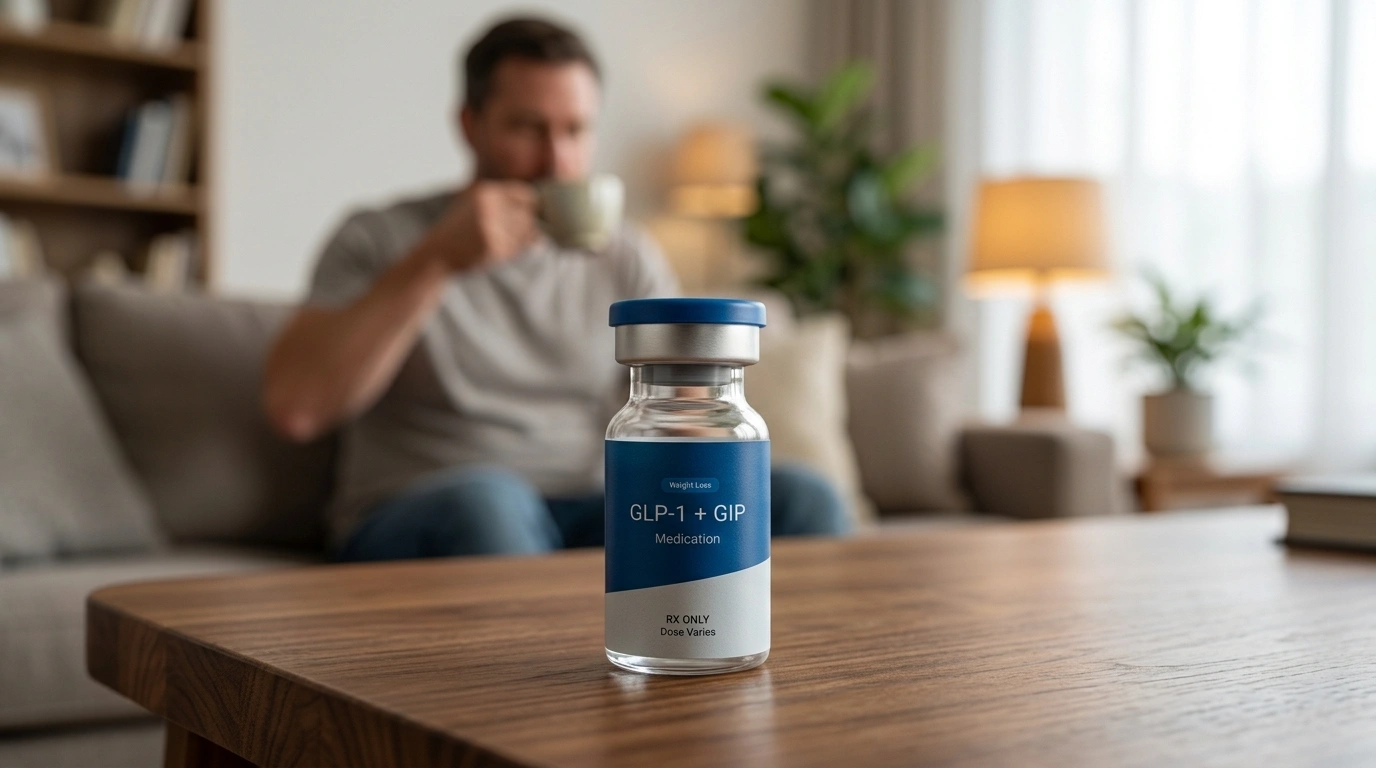
Before looking at donation eligibility, it is helpful to understand what Zepbound is and how it interacts with your body. Zepbound is a brand-name prescription medication that contains the active ingredient tirzepatide. It belongs to a class of drugs known as dual GIP (glucose-dependent insulinotropic polypeptide) and GLP-1 (glucagon-like peptide-1) receptor agonists.
These are hormones naturally produced by your body that play a significant role in how you process food and signal fullness. A GIP receptor agonist helps the body manage blood sugar and can improve how fat cells store energy. A GLP-1 receptor agonist slows down gastric emptying—the speed at which food leaves your stomach—and tells your brain that you are satisfied after eating. By mimicking both of these hormones, tirzepatide helps individuals manage their weight and improve metabolic health. Because this medication affects your blood sugar and hydration levels, it is a point of interest for plasma donation centers.
For a broader look at how these medications affect appetite and metabolism, read this overview of GLP-1 medications and plasma donation.
General Eligibility for Plasma Donation
Plasma donation centers follow strict guidelines to ensure the safety of both the donor and the recipient. Most centers require donors to be between the ages of 18 and 74 and weigh at least 110 pounds. You must also pass a basic health screening and provide a medical history.
When it comes to medications, donation centers maintain a “deferral list.” This is a list of drugs that require a waiting period or cause permanent disqualification. Common medications on this list include blood thinners, certain acne treatments like isotretinoin, and medications that can cause birth defects. Most GLP-1 and GIP medications, including Zepbound, are not currently on the standard national deferral lists used by major donation organizations. However, individual donation centers have the final authority to set their own rules.
Quick Answer: In most cases, you can donate plasma while taking Zepbound as long as you are healthy, hydrated, and your weight is stable. However, you must disclose the medication during your screening, as the final decision rests with the medical staff at the donation center.
Why Some Centers May Defer GLP-1 Users
Even though Zepbound is not a prohibited medication, a center might still ask you to wait to donate. This is usually not because the drug itself is dangerous to a recipient, but because of how the drug affects the donor’s body. Plasma donation involves removing the liquid portion of your blood and returning the red blood cells to you. This process can be physically demanding.
One major concern is side effects. If you are experiencing common side effects like nausea, vomiting, or diarrhea, your body is likely losing fluids. Donating plasma requires you to be exceptionally well-hydrated. If a medical staff member sees that you are struggling with these symptoms, they will likely defer you until you feel better. Furthermore, Zepbound can cause dizziness or low blood sugar in some people, especially if they are not eating enough. Combining these effects with the physical strain of donation could increase the risk of fainting or “adverse reactions” during the procedure. You can also review this tirzepatide side effects guide for additional context.
The Importance of Hydration and Nutrition
If you decide to donate plasma while on a weight loss journey with TrimRx, your preparation must be more rigorous than the average donor. Zepbound slows down digestion, which can sometimes make it harder to hydrate quickly. Because plasma is approximately 90% water, being dehydrated can make the donation process take much longer and may lead to post-donation fatigue.
You should increase your water intake for at least 48 hours before your appointment. It is also vital to eat a protein-rich meal within a few hours of donating. Many people on GLP-1 medications find they have a significantly reduced appetite, which can lead to “under-eating.” Donating plasma on an empty stomach while taking tirzepatide is a recipe for lightheadedness. For more guidance, explore this hydration guide for weight loss and GLP-1 treatment.
- Drink at least 16 ounces of water right before your appointment.
- Avoid caffeine and alcohol the day before and the day of donation, as these can dehydrate you.
- Focus on electrolytes. A balance of sodium and potassium can help your body retain the fluids needed for a successful donation.
Compounded Medications and Donation
Many individuals use compounded versions of tirzepatide or semaglutide. At TrimRx, we connect patients with licensed providers who may prescribe these medications when appropriate. It is important to know that compounded medications are prepared and shipped by FDA-registered, inspected compounding pharmacies. They are often used during periods of drug shortages for branded medications like Zepbound or Wegovy®.
When you arrive at a donation center, you should be transparent about whether you are taking a branded medication or a compounded version. The medical staff will want to know the name of the active ingredient—in this case, tirzepatide—and your current dosage. Being honest about your health profile ensures that the medical team can accurately assess your “fitness to donate.”
Key Takeaway: Transparency is your best tool. Always bring a list of your medications, including doses and the name of the active ingredient, to your donation appointment to avoid confusion during the screening process.
Potential Impact on Blood Sugar Levels
Zepbound is highly effective at regulating blood sugar. While this is a benefit for weight management and metabolic health, it can complicate the plasma donation process if your levels become too low. During plasma donation, your blood is processed through a machine. If your blood sugar is already on the lower end of the healthy range due to the medication and a small meal, the stress of the procedure might cause a “hypoglycemic event.”
If you have a history of hypoglycemia or are taking other medications for type 2 diabetes alongside Zepbound, you must be extra cautious. Most centers will check your vitals, including pulse and blood pressure, but they may not routinely check your blood glucose. It is your responsibility to monitor how you feel and speak up if you feel shaky, sweaty, or confused.
Comparing Zepbound to Other Weight Loss Medications
When looking at eligibility, it is helpful to see how different medications stack up. Most GLP-1 and dual GIP/GLP-1 medications fall into the same category for donors.
| Medication Name | Active Ingredient | Likely Eligibility | Reason for Potential Deferral |
|---|---|---|---|
| Zepbound® | Tirzepatide | Usually Eligible | Dehydration, nausea, low blood sugar |
| Wegovy® | Semaglutide | Usually Eligible | Dehydration, gastrointestinal distress |
| Saxenda® | Liraglutide | Usually Eligible | Daily injection site irritation, nausea |
| Phentermine | Phentermine | Center-Specific | Increased heart rate or blood pressure |
As seen in the table, the primary reasons for deferral are the symptoms caused by the medication rather than the medication itself. Branded medications like Mounjaro® and Ozempic®—which contain the same active ingredients as Zepbound and Wegovy—follow these same general principles.
Managing Your Weight Loss Journey
If you are using a personalized program through a platform like ours, you are likely working toward a healthier version of yourself. Losing weight can actually make you a better candidate for donation in the long run by improving your blood pressure and overall cardiovascular health. However, rapid weight loss can sometimes lead to temporary changes in your blood composition, such as lower iron levels.
Plasma centers will check your hematocrit (the percentage of red blood cells in your blood) and your protein levels before every donation. If your calorie intake is too restricted while on Zepbound, your protein levels might drop below the required threshold. We recommend focusing on high-quality protein sources—like lean meats, beans, and Greek yogurt—to maintain these levels. This protein guide for weight loss offers additional nutrition guidance.
Steps to Take Before Your Donation
If you are ready to roll up your sleeve, following a specific protocol can help ensure you aren’t turned away at the door.
- Check with your provider. Before your first donation on Zepbound, send a quick message to your healthcare professional to ensure they approve.
- Call the donation center. Save yourself a trip by calling ahead and asking specifically: “I am taking tirzepatide for weight management; is this a deferral at your facility?”
- Track your side effects. If you just increased your dose and are feeling nauseous, reschedule your donation for a week when your body has adjusted.
- Prepare your “Donation Kit.” This should include a bottle of water, a salty snack for afterward, and a list of your current medications.
Bottom line: While Zepbound does not typically disqualify you from donating plasma, your physical readiness—specifically your hydration and nutrient levels—will be the deciding factor at the donation center.
If you are exploring whether a personalized prescription program may fit your goals, see if you qualify through a free assessment.
Understanding the Screening Process
When you walk into a donation center, you will undergo a multi-step screening. This usually starts with a questionnaire on a kiosk. When you get to the section about medications, do not skip over Zepbound or tirzepatide. Even if it is not on their printed list, the medical staff needs to know.
After the questionnaire, a staff member will take your “vitals.” They will prick your finger to check your hemoglobin and protein levels. They will also check your blood pressure and pulse. Zepbound can occasionally cause a slight increase in resting heart rate. If your heart rate is above 100 beats per minute, you may be temporarily deferred. This is another reason why staying calm and hydrated is so important.
The Role of Telehealth in Your Safety
Navigating weight loss medications while maintaining your normal activities can be complex. This is where the telehealth model we use at TrimRx becomes invaluable. Our platform provides 24/7 access to a dedicated team of specialists. If you are unsure if a specific activity—like frequent plasma donation—is right for you while on your program, you can get guidance without needing to sit in a waiting room.
We emphasize a transparent, personalized approach. This means that if you choose to donate plasma, we can help you adjust your nutritional plan to ensure you are getting enough protein and electrolytes to support both your weight loss goals and your philanthropic efforts. For readers looking for additional energy support during weight loss, this option may fit alongside an active routine.
Common Myths About Donating on GLP-1s
There is a fair amount of misinformation online regarding GLP-1 medications and blood products. Some believe that the medication will be “passed on” to the recipient and cause them to lose weight. This is a myth. The amount of medication present in a single plasma donation is negligible once it is processed and diluted into the final therapeutic product.
Another myth is that you cannot donate if you use a needle to inject your medication. While “injecting drugs” is a reason for deferral, this refers specifically to the use of non-prescribed controlled substances or sharing needles. Using a sterile, single-use pen or syringe for a prescribed medication like Zepbound does not carry the same risk and is not a reason for disqualification.
Myth: Donating plasma will clear Zepbound from my system faster and slow my weight loss. Fact: Plasma donation does not significantly change the concentration of tirzepatide in your bloodstream or affect the medication’s half-life.
Conclusion
Can you donate plasma if you take Zepbound? In the vast majority of cases, the answer is yes. The most important thing is to listen to your body and be entirely honest with the medical staff at the donation center. By prioritizing hydration, maintaining adequate protein intake, and monitoring your blood sugar, you can continue to help others through plasma donation while staying on track with your weight loss goals.
At TrimRx, our mission is to help you embrace a healthier lifestyle through science, empathy, and personalized care. Whether you are just starting your journey or looking to optimize your health while giving back to your community, we are here to support you every step of the way.
FAQ
Does Zepbound show up in a plasma screening?
Plasma centers do not typically test for the presence of weight loss medications like Zepbound during their screening process. They focus on testing for infectious diseases and checking your protein and red blood cell levels. However, you are still required to disclose the medication during your medical history interview.
Will I get deferred if I have nausea from my injection?
Yes, most centers will defer you if you are actively experiencing symptoms like nausea or vomiting. This is for your own safety, as these symptoms often indicate dehydration. It is best to wait until your side effects have subsided before attempting to donate.
Can I donate plasma if I am using compounded tirzepatide?
Usually, yes. Centers are interested in the active ingredient (tirzepatide) rather than the brand name. Be sure to tell the staff that you are taking compounded tirzepatide from a licensed pharmacy so they can accurately record it in your donor file. If you are considering treatment, you can complete a free assessment to explore your options.
Does losing weight quickly affect my ability to donate?
It can. Rapid weight loss may sometimes lead to lower protein or iron levels in your blood. If your levels fall below the center’s required minimum, you will be deferred until they return to a healthy range, which you can often manage through diet. This guide explains how much protein may support your weight loss plan.
Disclaimer: This content is for informational purposes only and does not constitute medical advice. It is not intended to diagnose, treat, cure, or prevent any disease or condition. Individual results may vary. Always consult a qualified healthcare professional before starting any weight loss program or medication.

Transforming Lives, One Step at a Time
Keep reading

Why Is There a Bruise Where I Injected My Zepbound?
A bruise means a small blood vessel was disturbed under the skin and blood spread into the surrounding tissue. It is one of the…

My Zepbound Pen Won’t Click Past a Certain Dose
Start by checking which device you are holding, because the answer depends entirely on that. Zepbound has commonly been supplied in the United States…
Zepbound Alternatives: Your Options Compared
If Zepbound isn’t the right fit, the main alternative is semaglutide (sold as Wegovy), which produces slightly less weight loss but works similarly, along…


