Can You Take Gabapentin with Zepbound? What You Need to Know
Introduction
Managing multiple medications can feel like a balancing act, especially when you are starting a new journey toward better metabolic health. If you are currently taking gabapentin for nerve pain, restless leg syndrome, or mood support, and you are considering Zepbound® for weight management, you likely have questions about how these two drugs interact. At TrimRx, we believe that clear information is the foundation of a successful health transformation.
The short answer is that there are no known major drug-drug interactions between these two medications, but there are several clinical nuances you should understand. Because Zepbound affects how quickly your stomach empties and gabapentin acts on the central nervous system, combining them requires a thoughtful approach. This article covers the safety profile of this combination, how your body absorbs these medications, and what you should discuss with your healthcare provider to ensure your program is both safe and effective. If you are considering prescription weight management, you can complete a free eligibility assessment.
Quick Answer: There is no known direct interaction between gabapentin and Zepbound®, meaning they do not typically cause dangerous chemical reactions when taken together. However, Zepbound® can slow down the absorption of oral medications like gabapentin, and both drugs can cause shared side effects like dizziness and fatigue.
What is Zepbound and How Does It Work?
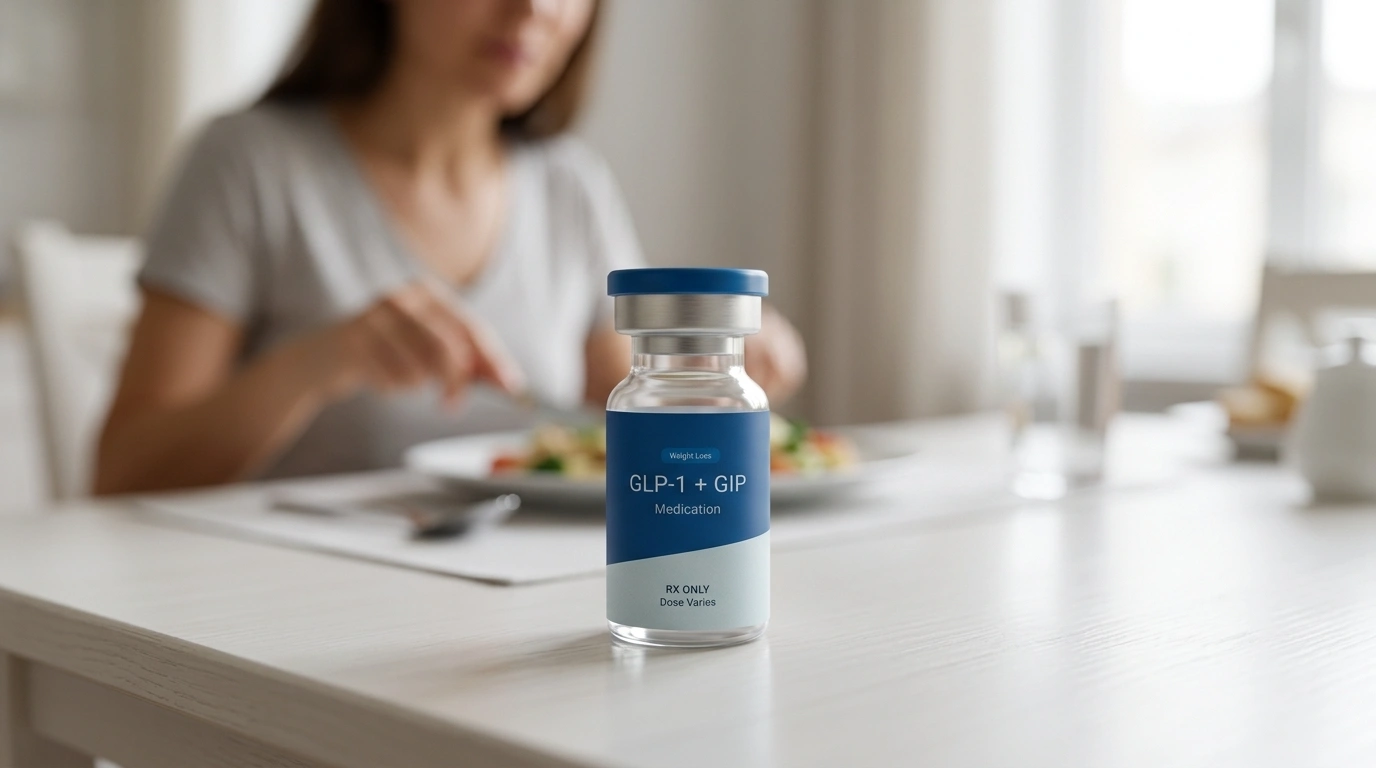
To understand how Zepbound® interacts with other drugs, it is helpful to understand what it is doing in your body. Zepbound is a brand-name medication containing the active ingredient tirzepatide. It is a dual agonist, which means it mimics two different hormones in the body: glucagon-like peptide-1 (GLP-1) and glucose-dependent insulinotropic polypeptide (GIP).
These hormones are naturally produced in the gut and play a vital role in how we process food and signals of fullness. When you take tirzepatide, it sends signals to the brain that you are full, reduces cravings, and helps regulate blood sugar. One of its most significant physical effects is slowing down gastric emptying. This means food—and any oral medications you take—stays in your stomach for a longer period before moving into the small intestine for absorption. For more background, see this explanation of how GLP-1 medications affect digestion.
What is Gabapentin and How Does It Work?
Gabapentin is an anticonvulsant medication. While it was originally designed to help manage seizures, it is now more commonly prescribed for nerve pain (postherpetic neuralgia), restless leg syndrome, and sometimes off-label for anxiety or sleep.
It works by affecting the way nerves send signals to the brain. Specifically, it calms overactive nerve cells. Because it works directly on the central nervous system, it can cause side effects like drowsiness, “brain fog,” or a lack of coordination. Unlike tirzepatide, which is usually an injectable medication, gabapentin is almost always taken orally as a capsule, tablet, or liquid.
The Interaction Between Absorption and Digestion
The primary concern when taking gabapentin with Zepbound® is not a toxic reaction, but rather a change in how the gabapentin is absorbed. Because tirzepatide slows the rate at which your stomach empties, any pill you swallow will sit in the stomach acid longer than usual.
Gabapentin is absorbed in a specific part of the small intestine. If the medication is delayed in the stomach, the timing of its effects might shift. For some people, this could mean the medication takes longer to start working. For others, it might mean the peak level of the drug in the bloodstream is slightly lower than intended.
Key Takeaway: Zepbound® changes the timing of your digestion, which can affect how quickly or effectively your body processes oral medications like gabapentin.
Monitoring Your Symptoms
If you are using gabapentin for a condition like nerve pain, you may need to pay close attention to whether your pain levels change after starting a weight loss program. If the “delayed” absorption caused by tirzepatide makes the gabapentin less effective, you might notice a return of symptoms. In this case, your healthcare provider may suggest adjusting the timing of your doses or slightly altering the dosage.
Shared Side Effects and the “Double Impact”
While the medications do not have a dangerous chemical interaction, they do have overlapping side effects. When you combine two drugs that affect your balance or energy levels, the symptoms can become more pronounced.
Dizziness and Lightheadedness
Both gabapentin and Zepbound® are known to cause dizziness. Gabapentin causes it through its action on the brain, while Zepbound® often causes it indirectly through changes in blood sugar, blood pressure, or hydration. If you experience a “spinning” sensation or feel unsteady on your feet, it may be due to the cumulative effect of both medications. For additional context, review this guide to tirzepatide-related dizziness.
Fatigue and Drowsiness
Gabapentin is frequently associated with sleepiness, which is why many people take it in the evening. Zepbound® and other GLP-1 medications can also cause fatigue, especially during the first few weeks as the body adjusts to a lower caloric intake and hormonal changes. Taking them together might make you feel more tired than usual during the day.
Nausea and GI Issues
Zepbound® is well-known for causing gastrointestinal side effects like nausea or an upset stomach. While gabapentin is generally easier on the stomach, some patients report mild nausea when starting it. The combined effect can make the initial adjustment period more challenging for your digestive system. You can also review these tirzepatide side-effect management strategies.
Comparison of Gabapentin and Zepbound
| Feature | Gabapentin | Zepbound® (Tirzepatide) |
|---|---|---|
| Drug Class | Anticonvulsant / Nerve Pain Agent | Dual GLP-1/GIP Receptor Agonist |
| Primary Use | Nerve pain, seizures, RLS | Chronic weight management |
| Administration | Oral (Pill/Liquid) | Subcutaneous Injection |
| Primary Side Effect | Dizziness, Drowsiness | Nausea, Slowed Digestion |
| Effect on Weight | May cause weight gain | Supports weight loss |
The Conflict of Weight Management
One of the most common frustrations for patients taking gabapentin is weight gain. Research suggests that gabapentin can lead to increased appetite and fluid retention in some individuals. This can feel discouraging if you are working hard to lose weight.
Zepbound® is specifically designed to support weight loss by reducing appetite and improving metabolic function. While these medications can be used together, they are essentially working in opposite directions regarding your appetite.
Note: If you find that gabapentin is hindering your weight loss progress on a personalized program, do not stop taking it abruptly. Instead, speak with your doctor about your goals. They may be able to help you manage the appetite-stimulating effects of gabapentin while you benefit from the weight-loss support of tirzepatide.
Safety and Precautions: What You Should Know
When combining these treatments, safety should always be your top priority. There are specific health factors that can make the combination of gabapentin and Zepbound® more complex.
Kidney Function
Both medications require healthy kidney function. Gabapentin is primarily cleared from the body through the kidneys. While Zepbound® itself is not a kidney medication, the gastrointestinal side effects (like vomiting or diarrhea) can lead to dehydration, which places stress on the kidneys. If you have a history of kidney issues, your provider will need to monitor your labs closely.
Mental Health and Mood
Gabapentin carries a warning regarding potential changes in mood or suicidal thoughts, which is common among anticonvulsant medications. Zepbound® and other weight-loss medications are also monitored for their impact on mental health. If you notice increased anxiety, depression, or unusual mood swings while taking both, contact a healthcare professional immediately.
Alcohol Consumption
It is generally recommended to avoid or strictly limit alcohol while taking gabapentin, as alcohol significantly increases the risk of respiratory depression and severe sedation. Similarly, many people on Zepbound® find they have a lower tolerance for alcohol or that it worsens their nausea. Combining alcohol with both drugs can be dangerous and is not advised.
Steps for a Safe Combination
If you and your doctor decide to move forward with both medications, follow these steps to ensure the best possible outcome:
- Keep an Accurate Med List: Ensure your provider knows the exact dosage and frequency of your gabapentin use before they prescribe any weight loss medication.
- Track Your Digestion: Note any changes in how long it takes for your gabapentin to “kick in.”
- Prioritize Hydration: Drink plenty of water to support your kidneys and reduce the dizziness associated with both drugs.
- Monitor Your Weight: Keep a log of your progress. If gabapentin-related weight gain is a concern, we can help you tailor your lifestyle habits to compensate.
- Report New Side Effects: If you feel excessively sleepy or dizzy, reach out to your care team.
How TrimRx Supports Your Journey
At TrimRx, we specialize in creating personalized weight loss programs that take your entire health profile into account. We understand that you are a whole person, not just a number on a scale. Our process begins with a comprehensive assessment to understand your medical history, including any current prescriptions like gabapentin.
We provide access to compounded tirzepatide, which is prepared by FDA-registered and inspected compounding pharmacies. This allows for a tailored approach to your treatment. Because our program includes ongoing support and medical supervision from licensed providers, you are never alone in navigating potential side effects or medication timing. To explore whether a personalized program may fit your needs, take the free assessment quiz.
The Importance of Personalized Care
Every body reacts differently to medication. An individual with a high BMI and chronic nerve pain will have different needs than someone using these medications for other reasons. This is why a “one-size-fits-all” approach to weight loss often fails.
By using a telehealth platform like ours, you gain 24/7 access to a dedicated team. If you have a question about whether your morning dose of gabapentin is interacting with your weekly tirzepatide injection, we are here to provide evidence-based guidance. We focus on transparency and clinical safety to help you reach your goals sustainably.
Managing Your Lifestyle While on Both Drugs
Medication is a powerful tool, but it works best when supported by the right habits. When taking gabapentin and a GLP-1/GIP medication, your lifestyle choices can significantly reduce side effects.
Diet and Nutrition
Since Zepbound® slows digestion, eating large, heavy meals can lead to intense discomfort. Focus on small, nutrient-dense meals. This also ensures that when your body does absorb your gabapentin, it isn’t competing with a massive amount of food. If you struggle with getting enough nutrients while on the program, our GLP-1 Daily Support supplement is designed to fill those gaps.
Movement and Safety
If you feel dizzy or unsteady due to the medications, be cautious with your exercise routine. Start with low-impact movements like walking or swimming until you know how the combination affects your coordination.
Sleep Hygiene
Since gabapentin is often used for sleep or restless legs, maintaining a consistent sleep schedule is vital. Proper rest can also help manage the fatigue that sometimes accompanies weight loss.
Myth: You cannot lose weight if you take gabapentin. Fact: While gabapentin may increase appetite in some people, medications like tirzepatide are highly effective at counteracting those signals, making weight loss possible even for those on nerve pain medication.
When to Contact a Healthcare Provider
While the combination is generally safe, certain “red flag” symptoms require immediate medical attention. Do not wait if you experience any of the following:
- Difficulty Breathing: Especially if you are also taking an opioid or have a history of lung disease.
- Severe Swelling: Unusual swelling in the hands, feet, or ankles.
- Extreme Confusion: Feeling significantly more disoriented than usual.
- Severe GI Distress: Persistent vomiting that prevents you from keeping down your medications or fluids.
- Signs of an Allergic Reaction: Hives, itching, or swelling of the face and throat.
Conclusion
Taking gabapentin with Zepbound® is common and generally considered safe under medical supervision. The most important factors to manage are the timing of your doses and the monitoring of shared side effects like dizziness. By being proactive and working with a clinical team that understands these nuances, you can successfully manage your nerve pain or other conditions while achieving your weight loss goals.
Our mission is to help you navigate these complexities with confidence and empathy. We believe that everyone deserves a personalized path to wellness that respects their medical history and current needs.
If you are ready to take the next step toward a healthier version of yourself, your journey begins with a simple, free assessment. This helps our partner providers determine the best course of action for your unique health profile, ensuring that your weight loss program works in harmony with your existing medications.
Bottom line: While no major drug-drug interaction exists, the combination of gabapentin and Zepbound® requires careful monitoring of side effects and digestion timing.
FAQ
Does Zepbound make gabapentin less effective?
Zepbound® slows down the digestive process, which can delay how quickly gabapentin enters your bloodstream. While it doesn’t usually make the drug “stop working,” the timing of the pain relief or sedative effects might shift. It is important to monitor your symptoms and tell your doctor if you feel your nerve pain is returning.
Can I take gabapentin and Zepbound at the same time of day?
There is no specific rule against taking them at the same time, but many people prefer to space them out. Since gabapentin is often taken at night to help with sleep and Zepbound® is a once-weekly injection, they usually don’t interfere with each other’s daily schedule. However, if you take oral gabapentin several times a day, your doctor might suggest specific timing to optimize absorption.
Will gabapentin stop me from losing weight on Zepbound?
Gabapentin can cause weight gain or increased appetite in some users, which may feel like it’s working against your weight loss goals. However, the powerful appetite-suppressing effects of Zepbound® (tirzepatide) are usually strong enough to overcome this. Most patients are still able to achieve significant weight loss while taking both medications.
What are the most common side effects of taking these together?
The most common overlapping side effects are dizziness, drowsiness, and fatigue. Because both drugs can affect your balance and energy levels, you may feel more tired or lightheaded than usual, especially when first starting the program. Staying hydrated and getting enough rest can help manage these symptoms.
Disclaimer: This content is for informational purposes only and does not constitute medical advice. It is not intended to diagnose, treat, cure, or prevent any disease or condition. Individual results may vary. Always consult a qualified healthcare professional before starting any weight loss program or medication.

Transforming Lives, One Step at a Time
Keep reading

Can You Eat Clam Chowder on Zepbound?
Clam chowder is a seaside classic, often served in a bread bowl on a chilly day. New England chowder is thick, creamy, and rich…

Can You Eat Korean BBQ on Zepbound?
Korean barbecue is a social, hands-on meal: platters of marinated meats grilled at the table, surrounded by small side dishes called banchan, with lettuce…
Can You Eat Brownies on Zepbound?
Brownies are a classic homemade treat, a bake sale staple, and a common office snack. They are also dense, rich, and very sweet, made…


