Can I Take Zepbound if I Have COVID? Safety and Dosing Guide
Introduction
Waking up with a scratchy throat and a fever is a frustration many of us know all too well, but it feels particularly disruptive when you are finally gaining momentum on a weight loss journey. If you have recently tested positive for COVID-19 while using Zepbound®, you likely have immediate questions about whether to continue your weekly injection or hit the pause button. At TrimRx, we recognize that managing a chronic health goal while navigating an acute illness requires a careful, evidence-based approach.
The relationship between your metabolic health and your immune system is complex, and medications like Zepbound play a significant role in your body’s daily functions. This article covers the safety considerations of using Zepbound during a viral infection, how the medication might interact with common COVID-19 treatments, and when it is best to prioritize recovery over your weight loss schedule. If you are considering a medically guided weight loss program, you can complete a free eligibility assessment. Our goal is to ensure you feel supported and informed as you navigate this temporary setback.
Understanding Zepbound and Your Body During Illness
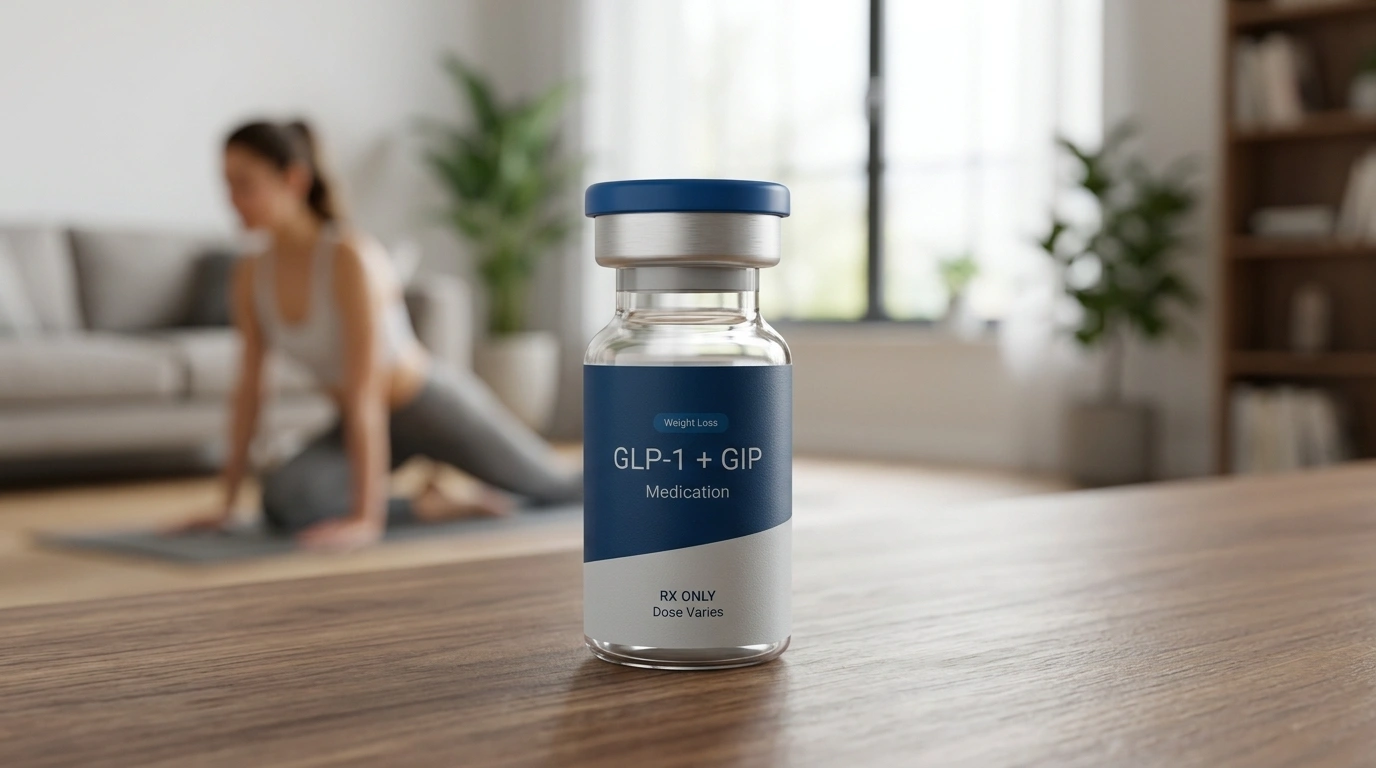
Zepbound is a prescription medication containing the active ingredient tirzepatide. It is a dual agonist, meaning it mimics two naturally occurring hormones in your body: glucagon-like peptide-1 (GLP-1) and glucose-dependent insulinotropic polypeptide (GIP). These hormones work together to regulate appetite, slow down how quickly your stomach empties (gastric emptying), and improve how your body processes sugar.
When you contract a virus like COVID-19, your body enters a state of high metabolic demand. Your immune system requires significant energy to fight the infection, often leading to increased heart rate, fever, and inflammation. Because Zepbound also influences metabolic processes, taking it while your body is under the stress of an infection requires a thoughtful evaluation of your symptoms.
Quick Answer: While there is no universal rule against taking Zepbound® if you have COVID-19, the decision depends on the severity of your symptoms. Most healthcare providers suggest pausing the medication if you are experiencing significant nausea, vomiting, or dehydration to allow your body to focus on recovery.
The Intersection of COVID-19 Symptoms and Zepbound Side Effects
One of the primary concerns with taking Zepbound during a COVID-19 infection is the overlap in symptoms. Both the medication and the virus can affect the gastrointestinal (GI) tract, which can lead to a “double hit” on your system. For additional context, review this guide to tirzepatide side effects and symptom management.
Gastrointestinal Distress
Zepbound is known for potential side effects such as nausea, vomiting, diarrhea, and stomach pain, particularly when first starting or increasing a dose. COVID-19, especially with newer variants, frequently presents with similar GI issues. If you are already struggling with nausea due to the virus, a Zepbound injection could exacerbate these symptoms, making it difficult to maintain necessary nutrition and hydration.
Dehydration Risks
Fever is a hallmark of COVID-19, and it can quickly lead to dehydration through sweating and increased respiratory rate. Zepbound can also contribute to dehydration if a patient is experiencing diarrhea or decreased thirst—a common effect of the medication’s impact on the brain’s satiety centers. Combining the two increases the risk of acute kidney stress or severe electrolyte imbalances.
Appetite Suppression
Zepbound is designed to reduce hunger, which is helpful for weight management. However, when fighting an infection, your body needs adequate protein and calories to support immune function. If the medication makes it impossible for you to eat enough to sustain your recovery, it may be counterproductive to continue your doses until you feel better.
Can I Take Zepbound with COVID-19 Treatments?
If your healthcare provider prescribes medication to treat COVID-19, you must consider how Zepbound might interact with those treatments. The most significant factor here is Zepbound’s effect on gastric emptying.
Interactions with Paxlovid® and Other Oral Meds
Paxlovid (a combination of nirmatrelvir and ritonavir) is a common antiviral used to treat COVID-19. Because Zepbound slows down the movement of food and medicine through your stomach, it could theoretically delay the absorption of oral medications. While there is no specific contraindication listed by the manufacturer for Paxlovid and Zepbound, the slowed absorption is something your doctor should monitor.
Maintaining Medication Efficacy
For any oral medication to work effectively, it needs to reach a certain concentration in your bloodstream within a specific timeframe. If you are taking Zepbound, the “transit time” in your gut is longer. If you have severe COVID-19 and require multiple oral therapies, your clinical team may decide to pause Zepbound to ensure your body processes the antivirals as efficiently as possible.
Key Takeaway: The primary risk of combining Zepbound® with COVID-19 is not a direct chemical reaction between drugs, but rather the combined physical toll of GI symptoms and the potential for slowed absorption of necessary antiviral treatments.
Criteria for Pausing Your Zepbound Dose
Deciding whether to skip a dose is a conversation that should happen between you and your healthcare provider. However, there are general clinical signs that often suggest a temporary pause is the safest route.
You should consider pausing your Zepbound dose if:
- You have a high fever that is difficult to manage.
- You are experiencing persistent vomiting or diarrhea from the virus.
- You are unable to drink enough water to stay hydrated.
- You have been prescribed oral antivirals and your doctor is concerned about absorption.
- You feel significantly weak or are unable to consume basic nutrition.
You may be able to continue your dose if:
- Your COVID-19 symptoms are very mild (e.g., just a runny nose or mild cough).
- You have no GI symptoms and are maintaining a normal appetite.
- You have checked with your provider and they have cleared you to proceed.
Bottom line: When your body is fighting an acute infection, weight loss becomes a secondary priority. Pausing for one week to allow for full recovery will not ruin your long-term progress.
How to Manage Your Medication Schedule
If you and your provider decide to skip a dose of Zepbound while you recover from COVID-19, it is important to know how to restart safely. Zepbound is typically taken once every seven days. For more guidance, see what to do if you miss a dose of GLP-1 medication.
The 3-Day and 5-Day Rules
According to the manufacturer’s guidelines, if you miss a dose, you can take it as soon as you remember, as long as the next scheduled dose is at least 3 days (72 hours) away. If there are fewer than 3 days until your next scheduled injection, you should skip the missed dose entirely and wait for your next regularly scheduled day.
Skipping Multiple Doses
If your COVID-19 symptoms last longer than a week and you miss two or more consecutive doses, do not simply jump back in at your previous dose without consulting your provider. Because the medication’s concentration in your blood will have dropped, restarting at a high dose could cause severe GI side effects. Your provider may suggest “stepping back” to a lower dose for a week to let your body re-acclimatize. You can also review what happens if you miss a week of tirzepatide for additional dosing context.
Supporting Your Recovery While on GLP-1 Medications
If you are currently on a GLP-1 or GIP medication and are managing a COVID-19 infection, your focus should shift toward supportive care. Even if you continue your medication, you must adjust your daily habits to protect your health.
- Prioritize Electrolytes: Water alone may not be enough if you have a fever. Use electrolyte replacement drinks or powders to maintain sodium, potassium, and magnesium levels.
- Focus on Protein: Your immune system uses amino acids from protein to build antibodies. Even if your appetite is low, try to sip on a protein shake or bone broth.
- Monitor Your Blood Sugar: If you have type 2 diabetes and are taking Zepbound, illness can cause your blood sugar to spike or dip unexpectedly. Check your levels more frequently while sick.
- Rest and Recovery: Weight loss is a metabolic stressor. Combining it with the stress of a virus can lead to prolonged fatigue. Allow yourself to rest fully before returning to your exercise routine.
The Role of Telehealth in Managing Your Care
One of the benefits of modern weight loss programs is the ability to access medical guidance without leaving your home—especially when you are contagious. At TrimRx, we prioritize this telehealth-first approach. If you are sick, you don’t have to worry about sitting in a waiting room. You can see if you qualify for a personalized program and reach out to a dedicated team to discuss your symptoms and get a personalized recommendation on whether to delay your next dose.
We believe that weight loss is a marathon, not a sprint. A week-long pause for a viral infection is a minor detour in a much larger journey toward sustainable health. Having access to professional advice during these “life happens” moments is what helps our members stay on track without compromising their safety.
Long-Term Health and Viral Resilience
There is a silver lining to consider: working on your metabolic health can actually improve your long-term resilience against infections. Research suggests that individuals with a healthier BMI and better blood sugar control often have better outcomes when facing respiratory viruses.
By using medications like Zepbound to improve your metabolic profile, you are not just losing weight; you are potentially strengthening your body’s ability to handle future health challenges. However, that strength is built through consistency and smart decision-making, which includes knowing when to rest and heal.
Conclusion
Navigating COVID-19 while on a Zepbound journey can feel overwhelming, but the path forward is usually one of caution and self-care. While it may be safe for those with very mild cases to continue their injections, many find that a brief pause allows them to recover faster and avoid unnecessary side effects. Always prioritize hydration and nutrition, and never hesitate to contact a healthcare professional to discuss your specific situation.
At TrimRx, our mission is to support you through every phase of your health journey with science, empathy, and transparency. Whether you are hitting your goals or taking a necessary break to heal from an illness, we are here to provide the clinical expertise and personalized care you need to succeed in the long run.
Key Takeaway: Recovery from COVID-19 requires energy and hydration. If Zepbound® is making it harder to eat or drink, pausing the medication is a responsible choice that supports your overall health.
Next Steps for Your Health:
- Monitor your symptoms daily, focusing on fever and GI distress.
- Maintain a strict hydration schedule with electrolytes.
- Consult your healthcare provider before your next scheduled injection.
- If you aren’t yet a member, take the free assessment quiz to see how a personalized program can support your long-term metabolic health.
FAQ
Does Zepbound make COVID-19 symptoms worse?
There is no clinical evidence that Zepbound directly worsens the viral infection itself. However, it can intensify certain symptoms like nausea, vomiting, and dehydration, which may make the overall experience of being sick feel more severe and harder to manage.
Can I take Paxlovid with Zepbound?
Generally, yes, but you must inform your doctor that you are on Zepbound before starting Paxlovid®. Because Zepbound slows down your digestion, it could change how quickly the antiviral medication is absorbed into your system, requiring closer monitoring by your medical team.
What if I miss more than one dose of Zepbound due to COVID-19?
If you miss more than two weeks of doses, you should not restart at your previous dose without medical advice. Your body’s tolerance for the medication may have decreased, and restarting at a high dose could cause significant stomach upset; your provider might recommend temporarily moving to a lower dose. Review this missed-dose guide for weekly GLP-1 injections for additional information.
Should I stop Zepbound before getting a COVID-19 vaccine?
Currently, there are no medical guidelines suggesting that you need to stop Zepbound or other GLP-1 medications before receiving a COVID-19 vaccine or booster. The medication does not interfere with the body’s ability to develop an immune response to the vaccine.
If you are not currently enrolled in a medically guided program, you can find out if GLP-1 medications may be appropriate for you.
Disclaimer: This content is for informational purposes only and does not constitute medical advice. It is not intended to diagnose, treat, cure, or prevent any disease or condition. Individual results may vary. Always consult a qualified healthcare professional before starting any weight loss program or medication.

Transforming Lives, One Step at a Time
Keep reading

Why Is There a Bruise Where I Injected My Zepbound?
A bruise means a small blood vessel was disturbed under the skin and blood spread into the surrounding tissue. It is one of the…
My Zepbound Pen Won’t Click Past a Certain Dose
Start by checking which device you are holding, because the answer depends entirely on that. Zepbound has commonly been supplied in the United States…
Zepbound Alternatives: Your Options Compared
If Zepbound isn’t the right fit, the main alternative is semaglutide (sold as Wegovy), which produces slightly less weight loss but works similarly, along…


