Zepbound for Sustainable Weight Loss: How Long Do You Need to Take Zepbound?
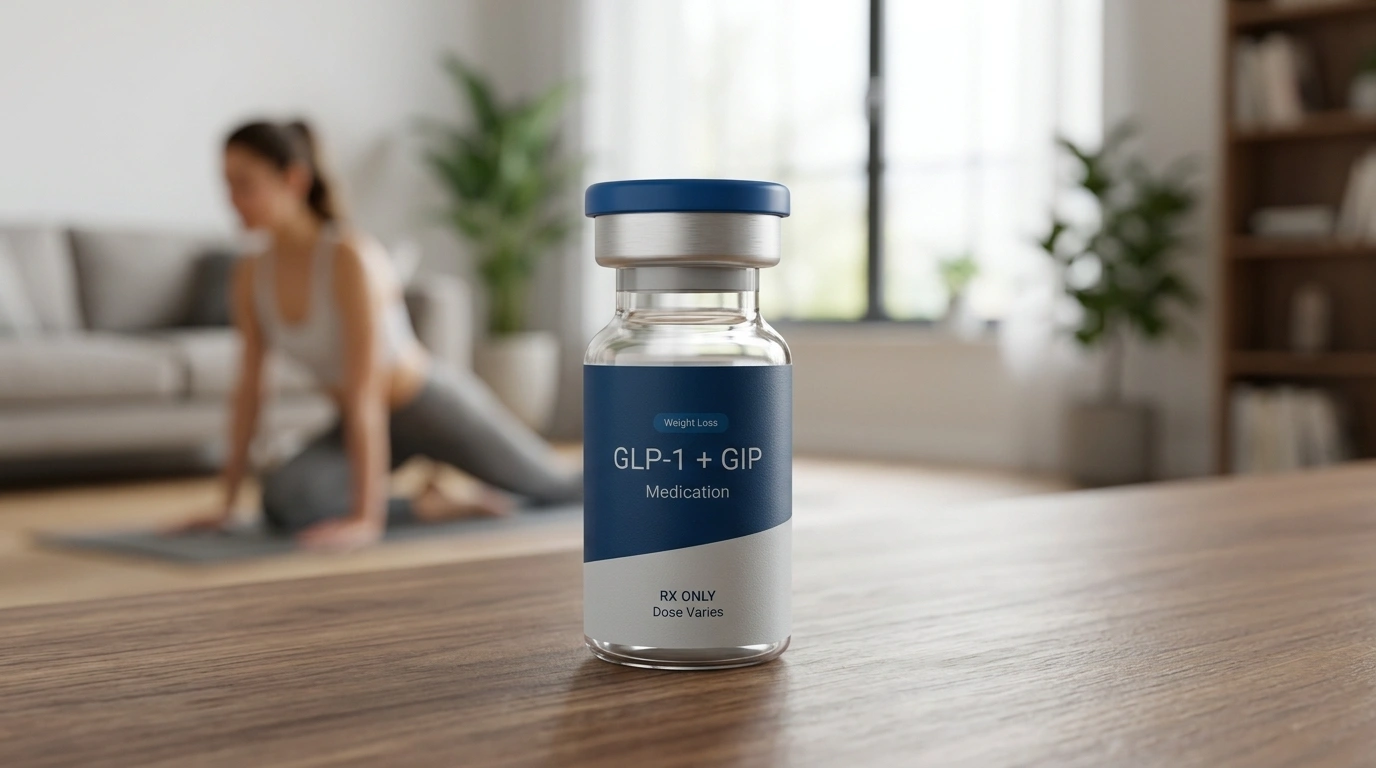
Introduction
Many individuals embarking on a weight loss journey often seek solutions that promise rapid results, envisioning a finish line where challenges disappear. However, the reality of weight management, particularly when facing the complexities of obesity, is often a marathon rather than a sprint. Modern medical science offers powerful tools to support this journey, but a fundamental question remains: when utilizing advanced treatments like Zepbound, how long do you need to take Zepbound to achieve and maintain meaningful, lasting results? This isn’t just a technical query about medication duration; it delves into the very nature of weight loss as a chronic condition requiring sustained attention.
At TrimRx, our journey began with a shared vision to help individuals embrace healthier lifestyles by merging cutting-edge telehealth innovations with effective weight loss solutions. We understand that sustainable weight loss should be achieved through science, empathy, and a transparent approach. Our platform is designed as a user-friendly and supportive space where individuals receive personalized, medically supervised care, all crafted to make sustainable weight loss attainable and tailored to the individual.
This post will delve into the science behind Zepbound (tirzepatide), examining its mechanism of action, the clinical evidence supporting its long-term efficacy, and the critical role it plays in managing obesity as a chronic condition. We will explore what recent studies reveal about the duration of treatment, potential outcomes when medication is discontinued, and the importance of integrating Zepbound with a holistic lifestyle strategy. By the end, you will have a clearer understanding of the commitment involved in a Zepbound treatment plan and how our personalized programs at TrimRx are designed to support you every step of the way, helping you navigate your path to a healthier future.
Understanding Zepbound and Its Role in Weight Management
The landscape of weight loss solutions has seen significant advancements, particularly with the introduction of medications that target the underlying physiological mechanisms of appetite and metabolism. Zepbound, a brand name for tirzepatide, stands at the forefront of these innovations, offering a new pathway for individuals living with obesity or who are overweight with related health conditions.
The Science Behind Zepbound: A Dual-Action Approach
Zepbound’s efficacy stems from its unique mechanism of action as a dual agonist, meaning it activates two key hormone receptors in the body: glucose-dependent insulinotropic polypeptide (GIP) and glucagon-like peptide-1 (GLP-1). These “incretin” hormones are naturally secreted by the gut in response to food intake and play crucial roles in regulating blood sugar, appetite, and digestion.
When Zepbound activates both GIP and GLP-1 receptors, it works synergistically to produce several beneficial effects:
- Slowing Gastric Emptying: Food moves more slowly through the digestive system, promoting a prolonged feeling of fullness and reducing overall food intake.
- Appetite Suppression: The brain receives signals that reduce hunger and cravings, making it easier to adhere to a reduced-calorie eating pattern.
- Improved Glucose Metabolism: While Zepbound is specifically approved for weight management, its active ingredient, tirzepatide, also aids in insulin secretion and helps regulate glucose and lipid metabolism, contributing to overall metabolic health.
This dual-action approach sets Zepbound apart from some other weight loss medications that primarily target only GLP-1 receptors. The combined effect has shown remarkable results in clinical trials, positioning Zepbound as a powerful tool in the fight against chronic weight-related challenges.
FDA Approval and Eligibility Criteria
Zepbound received FDA approval in November 2023 for chronic weight management in adults. This means it is intended for long-term use as part of a comprehensive weight loss strategy. Individuals are typically eligible for Zepbound if they meet specific criteria:
- A Body Mass Index (BMI) of 30 kg/m² or greater (considered obesity).
- A BMI of 27 kg/m² or greater (considered overweight) with at least one weight-related condition, such as high blood pressure, type 2 diabetes mellitus, high cholesterol, or obstructive sleep apnea.
It’s important to note that while Zepbound shares its active ingredient, tirzepatide, with Mounjaro, they are distinct products with different FDA approvals. Mounjaro is approved solely for patients with type 2 diabetes, whereas Zepbound is approved for weight loss and weight management. Our commitment at TrimRx is to ensure individuals receive the appropriate medication for their specific health needs, following all clinical guidelines. To see if you qualify for a personalized prescription weight loss plan, we encourage you to take our free assessment quiz.
The Chronic Nature of Obesity: Why Long-Term Treatment Matters
Obesity is increasingly recognized by the medical community as a chronic disease, much like hypertension or type 2 diabetes. This understanding is fundamental to answering the question of how long do you need to take Zepbound. Treating obesity as a short-term condition often leads to temporary success followed by weight regain, a phenomenon often attributed to complex physiological adaptations that occur during weight loss.
Physiological Adaptations and Weight Regain
When an individual loses a significant amount of weight, the body’s intricate systems often respond by attempting to regain that weight. These adaptations include:
- Hormonal Changes: Levels of appetite-stimulating hormones can increase, while satiety-promoting hormones may decrease, leading to increased hunger and cravings.
- Metabolic Slowdown: The body may become more efficient at utilizing calories, meaning fewer calories are burned at rest, making it easier to gain weight.
- Increased Fat Storage Propensity: The body may adjust to more readily store fat.
These biological responses can make long-term weight maintenance incredibly challenging, even for individuals who have successfully adopted healthier eating habits and increased physical activity. It’s not simply a matter of willpower; the body’s powerful homeostatic mechanisms are working against sustained weight loss. This is where long-term medical interventions like Zepbound offer a crucial advantage.
Zepbound as a Long-Term Management Tool
Because obesity is a chronic disease, it often requires chronic treatment. Zepbound works to counteract these physiological changes by continually modulating appetite and metabolism. It helps to reduce appetite and cravings, making it easier to maintain a lower-calorie eating pattern and increased physical activity, thereby opposing the hormonal and metabolic shifts that typically lead to weight regain.
Our approach at TrimRx emphasizes this long-term perspective. We believe in providing sustained support for sustainable results. Our comprehensive service includes ongoing doctor consultations, medication provided through FDA-registered and inspected pharmacies, necessary lab work, and unlimited support, all designed to support your health journey beyond the initial weight loss phase. This integrated care model helps address the chronic nature of obesity, fostering enduring lifestyle changes and promoting lasting well-being.
Clinical Evidence: How Long Do You Need to Take Zepbound for Sustained Results?
The question of how long do you need to take Zepbound is directly addressed by extensive clinical research. Studies on Zepbound (tirzepatide) have consistently shown that continued treatment is essential for both achieving significant weight loss and, crucially, maintaining it over time. Discontinuation of the medication often leads to a notable degree of weight regain, underscoring its role as a long-term management therapy.
Key Clinical Trials: SURMOUNT-3 and SURMOUNT-4
The SURMOUNT clinical trial program has provided robust evidence for Zepbound’s efficacy. Two specific trials, SURMOUNT-3 and SURMOUNT-4, highlight the importance of sustained treatment:
The SURMOUNT-4 Study: Sustained Treatment vs. Placebo
The SURMOUNT-4 study, a pivotal trial, was designed to evaluate the effects of continuing Zepbound versus switching to a placebo after an initial period of dose escalation and weight loss. Participants in this study initially received Zepbound and gradually increased their dose to a maximum of 10 mg or 15 mg over 36 weeks. By the end of this initial phase, participants had achieved an average weight loss of approximately 20.9% of their starting weight.
Following the 36-week period, roughly half of the participants were randomly assigned to switch to a placebo, while the other half continued on Zepbound for a total of 88 weeks from the study’s inception. The results were compelling:
- Continued Zepbound Group: Those who continued on Zepbound for the full 88 weeks maintained and often further enhanced their weight loss, achieving an average total weight reduction of 25.3% of their starting weight. This demonstrated the medication’s ability to support long-term weight maintenance and further reduction.
- Placebo Group: Participants who transitioned to the placebo after 36 weeks experienced significant weight regain. By the end of the study at 88 weeks, this group was only down about 9.9% of their starting weight, indicating they had regained a substantial portion of the weight initially lost.
This study powerfully illustrates that Zepbound is not a short-term fix but rather a chronic treatment for a chronic condition. Much like medications for high blood pressure or high cholesterol, its benefits are sustained with ongoing use.
Broader Trial Insights
Other trials, including the SURMOUNT-1 trial, also showed impressive weight loss, with patients on higher doses losing upwards of 22.5% of their body weight over 72 weeks. The consistency across these studies reinforces that Zepbound facilitates significant and sustained weight loss when used as directed. In a direct comparison study (SURMOUNT-5) with semaglutide (Wegovy), Zepbound demonstrated superior weight loss results over 72 weeks, achieving 20.2% body weight loss compared to 13.7% with semaglutide at maximum tolerated doses.
These findings underscore that Zepbound is intended for long-term use. The goal is to provide a tool that helps individuals manage their weight effectively over an extended period, preventing the physiological forces that often lead to weight regain. When we discuss how long do you need to take Zepbound, the answer from the clinical data points strongly toward ongoing, consistent treatment to achieve and maintain the most significant health benefits. Our programs are designed to offer this continuity of care, recognizing that sustained support is key to your success.
Zepbound Dosage, Administration, and Storage Guidelines
For those considering or currently using Zepbound, understanding the proper dosage, administration, and storage instructions is crucial for maximizing effectiveness and ensuring safety. This medication is designed for convenient at-home use, but adherence to guidelines is paramount.
Dosing Schedule and Escalation
Zepbound is administered as a once-weekly injection under the skin (subcutaneously). The dosing schedule is carefully titrated to minimize potential side effects and allow the body to adjust.
- Starting Dose: Treatment typically begins with a recommended 2.5 mg dose once weekly. This initial dose is not considered a maintenance dose but a starting point.
- Gradual Increase: After at least 4 weeks on the starting dose, your healthcare provider will likely increase your dose to 5 mg. Subsequent dose increases occur in 2.5 mg increments, also after at least 4 weeks on the current dose. This gradual escalation continues until the recommended maintenance dosage is achieved.
- Maintenance Doses: The recommended maintenance doses for weight reduction and long-term maintenance are typically 5 mg, 10 mg, or 15 mg once weekly. The maximum dosage is 15 mg once weekly.
- Flexibility in Dosing Day: If you need to change the day of the week you take your Zepbound dose, ensure there are at least 3 days (72 hours) between doses.
- Missed Doses: If you miss a dose, take it as soon as possible within 4 days (96 hours) of your scheduled dosing. If more than 4 days have passed, skip the missed dose and take your next dose on your regularly scheduled day. Crucially, do not take two doses of Zepbound within 3 days (72 hours) of each other. Setting a reminder on your phone can be a helpful tip to ensure you stay on schedule.
Zepbound is available in single-dose pens or single-dose vials, offering flexibility for administration. Your healthcare provider will guide you on the best injection site (stomach, thigh, or upper arm) and proper injection technique.
Proper Storage and Handling
Correct storage of Zepbound is vital to maintain its potency and safety.
- Refrigeration: Store your Zepbound medication in the refrigerator between 36°F to 46°F (2°C to 8°C).
- Room Temperature: If necessary, each single-dose pen or single-dose vial can be stored at room temperature (up to 86°F or 30°C) for up to 21 days. If stored at room temperature, it must not be returned to the refrigerator. Discard the medication if not used within 21 days after removing it from the refrigerator.
- Protection from Light and Freezing: Do not freeze Zepbound, and do not use it if it has been frozen. Store Zepbound in its original carton to protect it from light. The Zepbound pen contains glass parts, so handle it carefully. If dropped on a hard surface, do not use it; dispose of it properly and use a new pen.
- Child Safety: Always keep Zepbound pens, vials, syringes, needles, and all medicines out of the reach of children.
Safe Disposal of Medication
Proper disposal of used Zepbound materials is essential for safety.
- Sharps Container: Immediately after use, place your used Zepbound pen or needle and syringe in an FDA-cleared sharps disposal container. Do not throw away pens, needles, or syringes in household trash.
- Household Container Alternative: If an FDA-cleared sharps container is unavailable, you can use a heavy-duty plastic household container that can be closed with a tight-fitting, puncture-resistant lid (without sharps being able to come out). It should be upright, stable during use, leak-resistant, and properly labeled to warn of hazardous waste.
- Community Guidelines: Follow your community guidelines for the correct way to dispose of your sharps disposal container. Do not recycle your sharps container.
At TrimRx, we prioritize your safety and convenience. Our partnership with FDA-registered and inspected pharmacies ensures that medications are shipped with adherence to the highest standards, and our comprehensive support aims to provide all the information you need for proper use and disposal.
Navigating Potential Side Effects of Zepbound
While Zepbound is a highly effective weight loss medication, like all prescription treatments, it comes with a profile of potential side effects. Understanding these and knowing how to manage them is an important part of your treatment journey. Our empathetic and supportive approach at TrimRx means we aim to equip you with all the information you need for a safe and informed experience.
Common Side Effects and Management
Most individuals experience mild to moderate side effects, especially during the initial dose escalation phases. These often decrease over time as your body adjusts to the medication.
- Gastrointestinal Issues: The most frequently reported side effects include nausea, diarrhea, vomiting, constipation, stomach (abdominal) pain, and indigestion.
- Other Common Effects: You might also experience injection site reactions, fatigue, belching, allergic reactions (usually mild), hair loss, and heartburn.
In clinical studies, gastrointestinal side effects were more common when individuals increased their dose but generally lessened over time. If you experience nausea, here are some tips that may help:
- Eat smaller meals; try splitting three daily meals into four or more smaller ones.
- Stop eating when you feel full.
- Avoid fatty foods like butter or cheese.
- Try eating bland foods such as toast, crackers, or rice.
If any side effects bother you or do not go away, it is crucial to talk to your doctor. Our commitment to transparent service means we want you to feel empowered to discuss any concerns with your healthcare provider.
Serious Side Effects and Warning Signs
While less common, Zepbound can cause serious side effects. It’s essential to be aware of these and to seek medical attention immediately if they occur.
- Thyroid C-Cell Tumors (including thyroid cancer): Zepbound carries a Boxed Warning regarding the risk of thyroid C-cell tumors. Studies in rats showed that tirzepatide caused these tumors, including thyroid cancer. It is not known if Zepbound causes these tumors in humans. Do not use Zepbound if you or any family member have ever had a type of thyroid cancer called medullary thyroid carcinoma (MTC), or if you have Multiple Endocrine Neoplasia syndrome type 2 (MEN 2). Watch for symptoms like a lump or swelling in the neck, hoarseness, trouble swallowing, or shortness of breath, and report them to your healthcare provider immediately.
- Severe Stomach Problems: Severe stomach problems have been reported. Tell your healthcare provider if you have stomach pain that is severe or will not go away, with or without vomiting, or if the pain spreads to your back.
- Kidney Problems (Kidney Failure): Diarrhea, nausea, and vomiting can lead to fluid loss (dehydration), potentially causing kidney problems. It is important to drink fluids to reduce your chance of dehydration. Monitor for little or no urination, swelling in feet or ankles, or shortness of breath.
- Gallbladder Problems: Treatment with Zepbound can increase the risk of acute gallbladder disease, including gallstones (cholelithiasis) and inflammation (cholecystitis). Symptoms may include chalky-colored stools, stomach pain after eating, nausea, heartburn, bloating, and severe upper stomach pain that may spread to your back.
- Acute Pancreatitis: Acute pancreatitis, including fatal and non-fatal cases, has been observed. Symptoms include persistent severe abdominal pain, sometimes radiating to the back, which may or may not be accompanied by vomiting.
- Serious Allergic Reactions: While rare, serious allergic reactions (e.g., anaphylaxis, angioedema) have been reported. Signs include hives, difficulty breathing, feeling light-headed, or swelling of your face, lips, tongue, or throat. Seek emergency medical help if these occur. Do not use Zepbound if you have a serious allergic reaction to tirzepatide or any of its ingredients.
- Low Blood Sugar (Hypoglycemia): Zepbound lowers blood glucose and can cause hypoglycemia, especially when used with other diabetes medications like insulin or sulfonylureas. Symptoms may include headache, hunger, weakness, sweating, confusion, irritability, dizziness, fast heart rate, or feeling jittery.
- Diabetic Retinopathy Complications: Patients with type 2 diabetes and a history of diabetic retinopathy should be monitored for progression.
- Suicidal Behavior and Ideation: Monitor for emergence or worsening of depression, suicidal thoughts or behaviors, and/or any unusual changes in mood or behavior. Discontinue Zepbound if suicidal thoughts or behaviors occur.
- Pulmonary Aspiration: Zepbound delays gastric emptying, which can increase the risk of pulmonary aspiration during general anesthesia or deep sedation. Inform healthcare providers about Zepbound use before any planned surgeries or procedures.
Our commitment to safety is unwavering. We partner exclusively with FDA-registered and inspected pharmacies for the shipping of weight loss medications. While TrimRx does not provide actual medical supervision, our service ensures you have access to qualified doctors for consultations to assess your eligibility and monitor your progress. This comprehensive service includes not only the medication but also necessary lab work and unlimited support to help you manage your treatment effectively and safely.
A Holistic Approach: Beyond Medication with TrimRx
While medications like Zepbound offer powerful support for weight loss, they are most effective when integrated into a comprehensive, holistic lifestyle strategy. At TrimRx, we believe in empowering individuals to achieve sustainable weight loss through a blend of advanced medical science, modern technology, and compassionate care. Our approach recognizes that true well-being extends beyond a prescription.
The Synergy of Medication and Lifestyle
The clinical trials for Zepbound, which demonstrated remarkable weight loss, also emphasized the importance of lifestyle modifications. Participants in these studies often engaged in structured programs that included dietary changes and increased physical activity. This highlights a crucial principle: medication acts as a powerful catalyst, but sustained success requires complementary efforts.
Key lifestyle modifications to consider alongside Zepbound treatment include:
- Balanced Nutrition: Focus on a diet rich in lean proteins, whole grains, fruits, and leafy greens. Reducing processed foods, excessive sugars, and unhealthy fats can significantly enhance weight loss results and overall health.
- Regular Physical Activity: Aim for at least 150 minutes of moderate-intensity aerobic exercise weekly, such as brisk walking, cycling, or swimming. Incorporate strength training at least twice per week to build and maintain muscle mass, which boosts metabolism.
- Mindful Eating Practices: Paying attention to hunger and fullness cues, eating slowly, and being present during meals can help improve your relationship with food and prevent overeating.
- Adequate Sleep and Stress Management: Poor sleep and high stress levels can impact hormones that regulate appetite and metabolism, hindering weight loss efforts. Prioritizing rest and developing stress-reduction techniques are vital.
Relying solely on medication without addressing these underlying lifestyle factors can limit the medication’s effectiveness and make long-term maintenance more challenging. At TrimRx, we offer compassionate care that respects every individual’s unique journey, providing the tools and support to embrace these positive changes.
TrimRx’s Personalized Weight Loss Solutions
Our dedication to safe, effective weight loss and individualized care is at the heart of everything we do. We understand that each person’s journey is unique, which is why we offer a range of clinically proven solutions tailored to your specific needs.
Personalized Prescription Weight Loss Programs
For individuals seeking advanced medical support, we offer personalized programs that include FDA-approved and compounded prescription medications. These require a thorough assessment to determine eligibility and craft a customized treatment plan:
- Compounded Semaglutide: A GLP-1 receptor agonist, similar to branded versions, delivered through FDA-registered and inspected pharmacies.
- Oral Semaglutide: An oral form of semaglutide, offering convenience for some individuals.
- Ozempic®: An FDA-approved branded medication containing semaglutide.
- Compounded Tirzepatide: A GIP/GLP-1 dual agonist, similar to branded versions, provided through FDA-registered and inspected pharmacies.
- Oral Tirzepatide: An oral option for tirzepatide.
- Mounjaro®: An FDA-approved branded medication containing tirzepatide, specifically for type 2 diabetes.
- Zepbound®: An FDA-approved branded medication containing tirzepatide, specifically for chronic weight management.
- Wegovy®: An FDA-approved branded medication containing semaglutide, for chronic weight management.
To explore these options and determine which personalized treatment plan might be right for you, we encourage you to take our free assessment quiz. Our comprehensive service includes doctor consultations, necessary lab work, medication from FDA-registered and inspected pharmacies, unlimited support, and shipping, all with no hidden fees. Our commitment to transparent service means our approach remains consistent regardless of dosage changes, ensuring you receive consistent, high-quality care.
Quick-Access Supplements for Holistic Support
In addition to our prescription programs, we offer quick-access supplements that do not require a quiz and are available for immediate purchase to support overall wellness during your weight loss journey:
- GLP-1 Daily Support: This supplement is designed to naturally complement the body’s metabolic processes, supporting appetite regulation and digestive health. Explore how it can enhance your journey by visiting our GLP-1 Daily Support page.
- Weight Loss Boost: Formulated to provide additional metabolic support, helping you feel energized and optimized throughout your weight loss efforts. Discover the benefits and purchase directly from our Weight Loss Boost page.
These supplements offer additional avenues for support, aligning with our belief that a multifaceted approach yields the best and most sustainable results. We are dedicated to helping you achieve your health goals with innovative solutions and unwavering support, making us a trustworthy partner in your pursuit of a healthier life.
Conclusion
The question of how long do you need to take Zepbound for weight loss unveils a profound truth about the nature of obesity: it is a chronic condition demanding sustained, comprehensive management. Clinical evidence from trials like SURMOUNT-4 clearly demonstrates that Zepbound is not a short-term intervention but a medication designed for ongoing use to achieve and maintain significant weight reduction. Discontinuing treatment often leads to substantial weight regain, underscoring the critical role Zepbound plays in counteracting the body’s natural physiological adaptations to weight loss.
At TrimRx, we are committed to providing you with the knowledge, tools, and support needed for a successful and sustainable weight loss journey. Our programs integrate clinically proven medications like Zepbound with a holistic perspective, emphasizing the vital importance of balanced nutrition, regular physical activity, and mindful lifestyle choices. We understand that your path to health is unique, and our empathetic, results-oriented approach ensures that you receive personalized, medically supervised care within a user-friendly and supportive environment.
Whether you are exploring prescription options like Zepbound, compounded semaglutide, or other advanced treatments, or looking for immediate support through our quick-access supplements like GLP-1 Daily Support and Weight Loss Boost, TrimRx is here to empower you. We invite you to take the next step towards a healthier future by completing our free assessment quiz to discover your personalized weight loss plan. Together, we can unlock your potential for lasting health and well-being, building a foundation of science, empathy, and transparency.
Frequently Asked Questions
Q1: Is Zepbound meant for permanent use, or can I stop taking it once I reach my goal weight?
Zepbound is FDA-approved for chronic weight management, meaning it is intended for long-term use. Clinical studies have shown that individuals who stopped taking Zepbound after an initial period of weight loss often experienced significant weight regain, whereas those who continued treatment maintained or further improved their results. This indicates that for most people, Zepbound acts as a long-term management tool for obesity, which is considered a chronic disease, helping to counteract the body’s natural tendency to regain weight.
Q2: What happens if I miss a dose of Zepbound?
If you miss a dose of Zepbound, take it as soon as possible, provided it is within 4 days (96 hours) of your regularly scheduled dosing day. If more than 4 days have passed since your missed dose, you should skip that dose and take your next dose on your regularly scheduled day. It is very important not to take two doses of Zepbound within 3 days (72 hours) of each other. Consistency is key for effectiveness, and setting a reminder can help you stay on track.
Q3: What are the most common side effects of Zepbound and how can I manage them?
The most common side effects of Zepbound are typically gastrointestinal, including nausea, diarrhea, vomiting, constipation, stomach pain, and indigestion. These often occur during dose increases and tend to decrease over time as your body adjusts. To manage nausea, try eating smaller meals more frequently, stopping when you feel full, avoiding fatty foods, and opting for bland foods like toast or crackers. If side effects are persistent or bothersome, it is crucial to consult your healthcare provider.
Q4: How does TrimRx ensure safety and provide support throughout my Zepbound treatment?
At TrimRx, your safety is our top priority. We partner exclusively with FDA-registered and inspected pharmacies for the shipping of all weight loss medications, including Zepbound. Our comprehensive service includes essential doctor consultations to assess your eligibility and monitor your progress, necessary lab work, and unlimited support to address any questions or concerns you may have. While TrimRx partners with pharmacies for medication delivery and facilitates access to medical supervision, we do not provide actual medical supervision ourselves. Our commitment to transparent service ensures you receive consistent, high-quality care and all the information needed to navigate your treatment safely and effectively. We encourage you to take our free assessment quiz to begin your personalized journey with us.

Transforming Lives, One Step at a Time
Keep reading

Why Is There a Bruise Where I Injected My Zepbound?
A bruise means a small blood vessel was disturbed under the skin and blood spread into the surrounding tissue. It is one of the…
My Zepbound Pen Won’t Click Past a Certain Dose
Start by checking which device you are holding, because the answer depends entirely on that. Zepbound has commonly been supplied in the United States…
Zepbound Alternatives: Your Options Compared
If Zepbound isn’t the right fit, the main alternative is semaglutide (sold as Wegovy), which produces slightly less weight loss but works similarly, along…


